
Slices for Twitter - best Twitter app today?
If there is one thing that’s typical of Twitter, it's the long, long, long list of tweets that shows each of your Twitter friends' er…tweets. Slices for Twitter by OneLouder Apps is designed to make your Twitter experience better by adding "Twitter Content Discovery." Simply put, it provides improved functionality over the official Twitter app.
Slices for Twitter comes with five major features: Twitter Directory, Live Events, Timeline Slicer, Bookmarks and Mobile-to-Web.
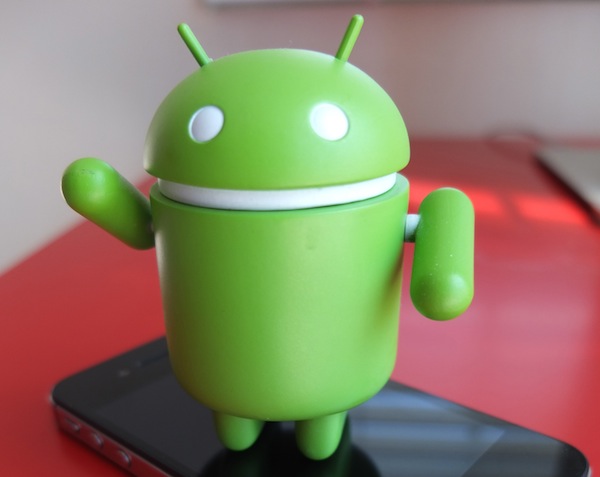
Android leads, iOS follows, Windows Phone shows surprising growth
Canalys released its latest report on the state of the smartphone market based on shipments in Q2 2012, and the results provided by the estimates are going to stir some emotions among Android and iOS fans. Android dominates the market with iOS following its lead, but not from up close.
Android, Google’s smartphone operating system, shipped in 107.8 million devices in Q2 2012, a 100.10 percent increase over Q2 2011 when Android smartphone shipments reached 51.2 million units. Shipments have more than doubled year over year, and at the same time the share in shipments increased as well. In Q2 2011, Android shipments accounted for 47.6 percent of the smartphone market, and in Q2 2012 they have grown to 68.1 percent which is a 43.06 percent increase over the same period last year.

U.S. reaches smartphone market peak, while the rest of the world keeps on going
Who would have guessed that it was time for the smartphone market to take a breath and slow down before the second half of 2012? Strategy Analytics released a report analyzing the U.S. smartphone market and shipments for Q2 2012, focusing on the two biggest smartphone operating systems, Android and iOS. The results make for an unexpected scenario: has the smartphone market reached its peak and if so, who’s the winning platform?
The Strategy Analytics report posts a decrease on smartphone shipment growth year-over-year with a 70.1 percent increase in 2011 and a 5.4 percent decrease for 2012, calling for a comparison with the report made available by IDC, which focuses on worldwide sales and market share. The differences between global results and those in the U.S. only suggest the U.S. market might have reached its peak, while worldwide smartphones are enjoying better sales.
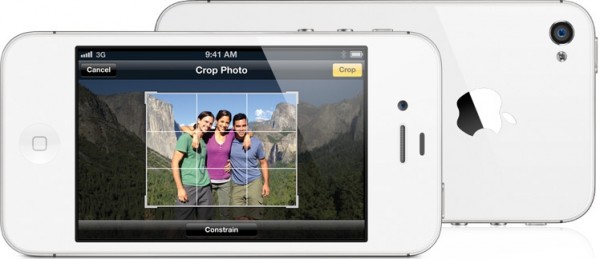
iPhone sales are slowing, deal with it
Apple shares closed down 4.32 percent today, keeping with a trend started during after-hours trading yesterday. The real question: Could matters have been much worse, if not for the big carrot that came with the little stick? Apple missed fiscal Q3 Wall Street analyst consensus for revenue and income, but announced a big dividend and promise of more to follow. Performance was by no means bad, just not as good as forecast and the dividend, $2.65 per share, is something for shareholders to smile about.
But behind the magic, I have to ask: Is Apple distracting shareholders and Wall Street analysts, making them look over there so they miss the trick going on over here? It's a question I can't answer but can only speculate about. Another quarter of results will reveal much. One thing is certain now: iPhone sales are slowing. There's no if about it, but why. Are people waiting for the new model or are Android rivals like Samsung pulling away more buyers?
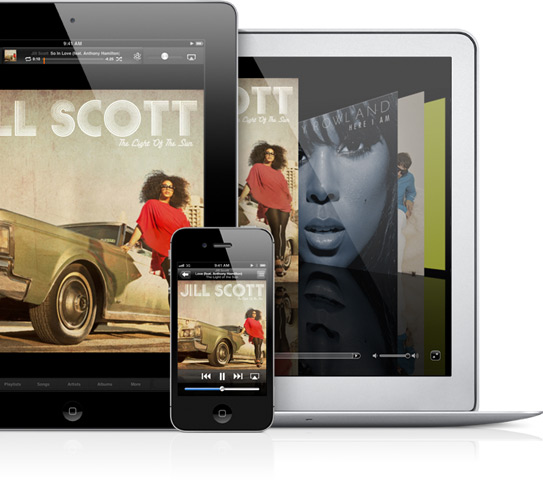
Apple Q3 2012 by the Numbers: $35B revenue, $9.32 EPS
Uncertainty hung over Apple's fiscal third quarter coming into today's earnings announcement. Gulfs widened among analysts for overall revenue estimates and about how many iPads or iPhones were sold. No one expected poor performance, there was just more uncertainty about what and where than more recent quarters. Fiscal Q3 will be remembered as sea change coming, as Apple missed Street consensus for the first time in years and iPad sales surged against iPhone.
For fiscal third quarter, Apple reported $35 billion revenue and net profits of $8.8 billion, or $9.32 a share. A year earlier, the company reported revenue of $28.57 billion and $7.31 billion net quarterly profit, or $7.79 per share. Apple announced fiscal Q3 results after the market closed today.

Is 99 cents too much to pay for an Android game?
Soon after colleague Randall C. Kennedy wrote that "Piracy is killing Android", developer Madfinger Games complained that incredibly high piracy rate on Android devices is why Dead Trigger is free on Google Play, while 99 cents on Apple’s App Store. Is iOS better than Android in this regard?
After an initial price of “as little as buck”, some game developers are going free, due to the piracy rate that plagues the Android world. Madfinger Games hasn’t provided any statistic as to how many of their game installs account for pirated copies, but according to Google Play numbers their installs are in-between 100,000 to 500,000, with an exponential increase at the end of the last 30 days. The game has been free since July 20, so in just four days its popularity skyrocketed. Does this mean a high piracy rate or just the plain “it’s free, I’ll take it” thinking?
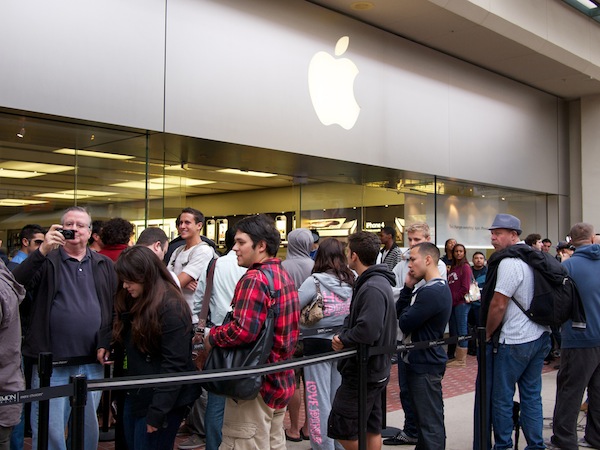
Is there really 'unprecedented' demand for iPhone 5?
Demand ahead of the launch of Apple's iPhone 5 is "unprecedented", with a third of all potential smartphone buyers planning to purchase the device. The data comes courtesy of a new survey of 4,000 consumers carried out by research firm ChangeWave.
Fourteen percent of those polled say they are "very likely" to purchase an iPhone 5, with an additional 17 percent saying they are "somewhat likely" to do the same. Combined, that represents the highest number for those planning to purchase a new iPhone model.

Who's the patent bully now? Apple or Samsung?
Samsung and Apple are two of the most popular smartphone and tablet manufacturers in the world right now and those top spots don’t come without responsibilities. But there's a disconnection somewhere in the corporate brains, with the companies seeing these responsibilities as green lights to be at each other’s throat in every major market over patents -- all that the cost of customer choice and satisfaction.
The latest round in the never-ending patent war between Samsung and Apple began today in Australia, where a local Judge started hearing evidence on their latest legal dispute. Cupertino, Calif.-based Apple claims patent infringement. The two companies dispute whether the touchscreen technology used by Samsung’s Galaxy Tab 10.1 violates Apple owned patents. The South Korean manufacturer's counter-claim: Apple uses 3G patents without a license, which is supposed to be available on fair, reasonable and non-discriminatory (FRAND) terms.
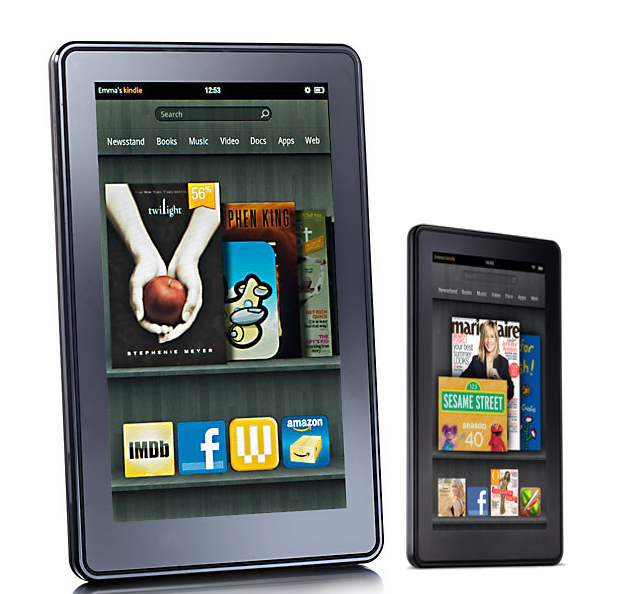
An Amazon Smartphone could be the biggest loss leader of all
Following up on reports from the fourth quarter of 2011, Bloomberg on Friday cited anonymous sources that said Amazon is working on its own Smartphone in conjunction with noted Chinese device manufacturer Foxconn International Holdings. Additionally, the report pointed out that Amazon is also on the market to buy more wireless patents, highlighted by the fact that the company recently hired a new general manager for patent acquisitions.
Contemporaneously with the Bloomberg report, approximately a dozen new job listings at Amazon popped up today for mobile software engineers that can support "existing Amazon technologies and [build] support for next-generation technologies."
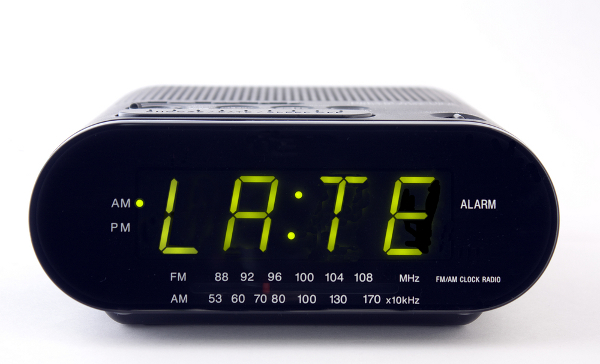
So much for Apple innovation: There will be 100 LTE phones available before the next iPhone
The high speed network technology known as LTE has built up a staggering momentum in the last year, despite Apple's iconic iPhone being late to the party.
There has been a good deal of speculation over whether the next generation of iPhone will include 4G LTE network support. The iPhone originally entered the mobile phone market on a 2G signal when networks were still upgrading and expanding their 3G coverage. The same is happening now with 4G, but it's gotten to the point where LTE has matured and the time seems right for Apple to adopt the technology.
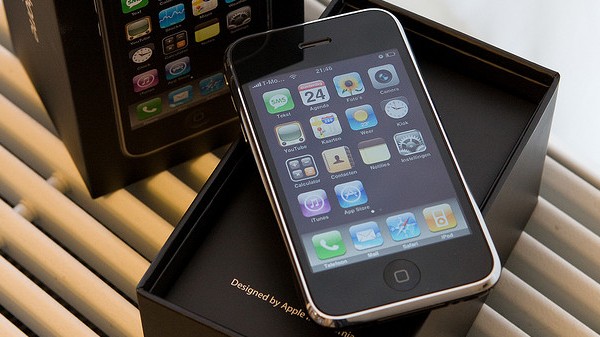
My first great smartphone: Jailbroken iPhone 3G
Fifth in a series. To commemorate iPhone's fifth-anniversary, we present several stories looking at its debut and colorful history -- so far.
I remember my first smartphone -- Sony Ericsson W950i. It had no camera, but a touchscreen (you probably don't know how horrible touchscreens were before the iPhone) and ran Symbian 9.1. I got all this and a 2.6-inch display. It sounded great at the time, but wasn't enough. Before iPhone, I didn't think much of smartphones. They didn't feel special, with the OS being a big reason why. I didn't much like Symbian, and Windows Mobile was a miniaturized Windows, which didn't do it any favors.
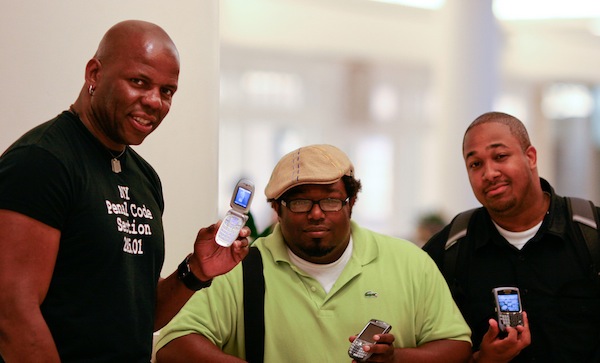
The iPhone moment
Third in a series. Editor's note: To commemorate iPhone's fifth-anniversary, we present several stories looking at its debut and colorful history -- so far.
iPhone is five years old today, and what a half-decade it has been. Apple launched the handset on June 29, 2007, marking its first foray into the cellular device market and with a single carrier: AT&T, which was Cingular before the launch. There were risks all around: Apple leapt into a market of sharks -- Nokia and Research in Motion, namely; AT&T bet the brand on the one device; and iPhone sold, locked and unsubsidized for $499 and $599 -- who would pay unlocked-mobile prices for a device that wasn't? One million people through early September 2007. For these early buyers, and perhaps for bazillion more who followed, iPhone isn't a phone but a cultural phenomenon.
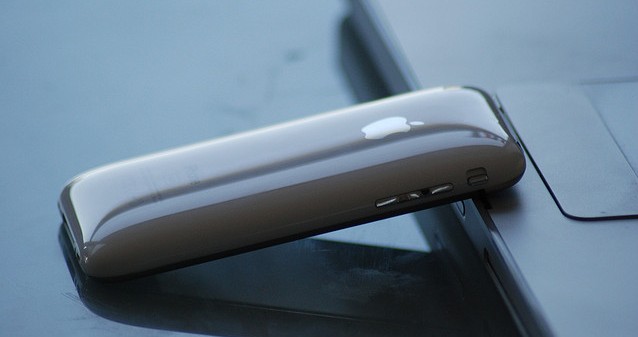
I run my business from iPhone 3G
Second in a series. Editor's note: To commemorate iPhone's fifth-anniversary, we present several stories looking at its debut and colorful history -- so far. Who says you need the newest tech to be productive, eh?
As a writer and freelance IT contractor, I am in effect running my own business. I have multiple clients, assignments with deadlines, meetings with suppliers and contacts, and lots of marketing to arrange. Over the last few years I’ve noticed that I can manage all of these activities from my humble iPhone 3G. In effect I’m running my business from my phone, which is pretty amazing when you think that the original iPhone is only five years old today. In that short time the ‘God phone’, as some dubbed it at the time, has completely transformed what a phone can be.
Apple sells 365 million iOS devices, primps iOS 6
It's a big number and one still well ahead of Android. Just in early 2012, Apple has shipped at least 50 million iOS devices, with iPad adding force to iPhone. Apple calls them "post-PC devices". For all 2011, Apple sold 172 million iOS devices. But wait, haven't we heard this 365 million number before? Indeed, it's same as revealed in late April for the period through end of March. I'm quite surprised Apple didn't update the number, considering the big iOS 6 reveal during today's Worldwide Developer Conference keynote.
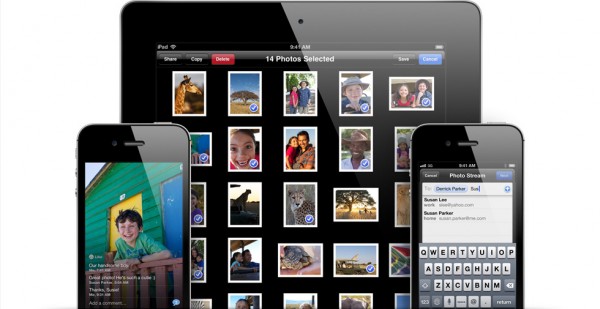
New iOS 6 features include FaceTime video over cellular, Facebook integration, Passbook for buying movie tickets and other passes, shared photo streams and new maps app, among others. The new capabilities aren't just for iPhone users but developers, as Apple provides them more built-in utilities to tap into. They received iOS 6 beta today. The software ships in autumn, presumably with iPhone 5.

Apple's WWDC 2012 Keynote Liveblog: iOS 6 and more
Apple's yearly developer conclave is here, and we're expecting a good deal of news out of this year's event. We'll see the debut of iOS 6, and likely a significant refresh to the Mac lineup. Of course, Apple always likes to surprise, so it's fairly likely that some of the rumors we've heard -- from new native apps to some enhancements to iCloud -- will also be announced.
WWDC 2012 is also the first major company event to happen after the death of Apple founder and CEO Steve Jobs. It will be interesting to watch how CEO Tim Cook and the team handle the event without their iconic and charismatic leader running the show.