
Manjaro Linux 17.0.2 Arch-based operating system is here with GNOME, KDE, and Xfce
Many Linux snobs push the Arch operating system as the greatest thing since sliced bread. In fact, some members of the Arch community (not all of them) can be downright mean and unpleasant to non-users. Not using Arch? Ugh. Peasant! In reality, while Arch is a fine OS (stable and fast), it can be very hard to install and set up, and quite frankly, often not worth the hassle. People have lives to live, and sometimes it is easy to forget that an operating system and associated computer are tools -- not a religion.
But OK, if you want the benefits of Arch without the tedious setup process, there are Linux distributions that can help. One such operating system that I love is Manjaro. The OS is excellent, and you can tell the developers truly care about the user experience. Its wonderful Calamares installer makes everything a breeze. Today, version 17.0.2 becomes available with three of the best desktop environments -- GNOME, KDE, and Xfce.

SUSE Linux distributions now available for Windows 10 in the Store, but only for Insiders
During Build 2017, Microsoft delighted open source enthusiasts with a surprise announcement -- Linux (Ubuntu, Fedora, and SUSE) was coming to the Windows Store. If you were running Windows 10 (not including the crippled "S" version) you would soon be able to install a Linux distribution directly from the official software store. Exactly when these distros would become available was unknown, sadly.
Ubuntu and Fedora are still not yet in the Windows Store, but starting today, both SUSE Linux Enterprise Server 12 and openSUSE Leap 42 are -- sort of. You see, while they are technically in the store, you must be a Windows Insider running Windows 10 build 16190.0 or higher to install. If you are like me and you aren't running an Insider build because you prefer a stable experience, you are out of luck for now. Sigh.

Debian 9 'Stretch' is finally here -- download the Linux-based operating system now
Debian is a very popular Linux-based operating system, but its development does not exactly move at a breakneck pace. In other words, it tends to focus on stability rather than bleeding edge. In fact, the development of Debian 9 "Stretch" has been going on for over two years!
Today, Debian 9 'Stretch' finally sees release. It is chock full of changes from the prior version. While GNOME 3.22 is the default desktop environment, you can opt for plenty of others, such as Xfce, KDE Plasma, and MATE. Users will appreciate LibreOffice 5.2, which is included. Also of significance, MariaDB replaces MySQL.

Tails 3.0 is here -- download the Debian-based Linux distro and take back your privacy
If you are reading this, your privacy is under attack. Don't think hackers or government agencies have any reason to spy on you? Think again. Information is power, and collected data is very valuable. Only a sucker would argue that it doesn't matter because they have nothing to hide. Your liberties can be eroded when you don't join the battle for the overall greater good. In other words, it is important to fight for your rights before it is too late.
One way to fight for your privacy is to hide your internet activity from prying eyes. A great option for this -- especially in countries where exercising free speech can get you jailed or killed -- is Tails. This is a privacy-focused Linux-based operating system that is designed to run as a live environment -- preferably from an optical disk to best hide tracks. It was made famous by freedom-fighter Edward Snowden. You may not want to use the OS all the time, but it is a great tool for when you absolutely need privacy. Today, the Tails Linux distro reaches a significant milestone -- version 3.0 is stable. You can download the ISO immediately.

Fedora 26 Beta Linux distro is finally here with GNOME 3.24 and updated LibreOffice
Fedora 26 Beta is finally here! Why do I say "finally?" Well, as is becoming more common nowadays, the Beta release was delayed. This isn't the end of the world, however, as there is nothing wrong with making sure everything is ready -- especially a beta.
While you never want to run pre-release software on a production machine, I must confess that the Alpha version has been rock solid on my laptop -- it is probably safe. With that said, if you can be patient, we should have a final version on July 11. Can't wait for a stable Fedora 26 and like living dangerously? You can download the Beta today -- at your own risk.

Linux Mint 18.2 'Sonya' Beta Ubuntu-based distribution now available with KDE or Xfce
This has been an interesting week for Linux Mint. The team released the official beta for the Cinnamon and Mate versions of "Sonya," signaling a final release should be here soon. While that is good news, there was some bad news too. While technically not a Linux Mint issue, it was discovered that the MintBox 2 had a bios vulnerability. Luckily, there is already a patch for the diminutive computer.
Today, we can get back to the positive news, as there are two new Linux Mint releases. You can immediately download Linux Mint 18.2 'Sonya' Beta ISO images with the KDE or Xfce desktop environments. True, the Mint experience is usually all about Cinnamon and Mate, but the team offers a choice to those that dislike the standard environments.
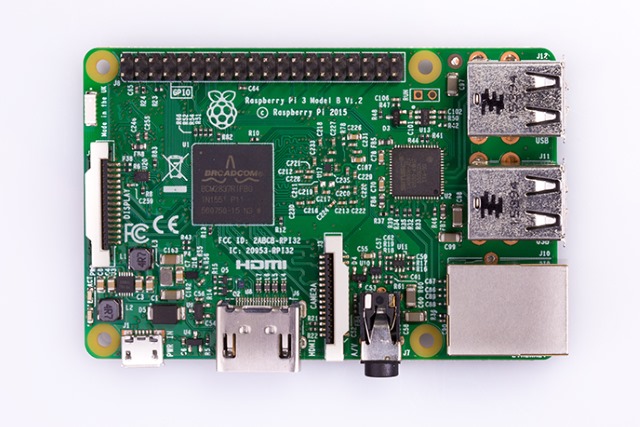
Raspberry Pi devices transformed into cryptocurrency miners by Linux malware
The words "Linux" and "malware" don’t tend to belong in the same sentence, but a new strain called Linux.MulDrop.14 is infecting Raspberry Pi devices. Infected machines are used to mine cryptocurrency for the malware's author, and it take advantage of poor security to generate money from nothing.
The good news is that the malware is fairly simple, and its spread is dependent on the laziness of Pi owners.
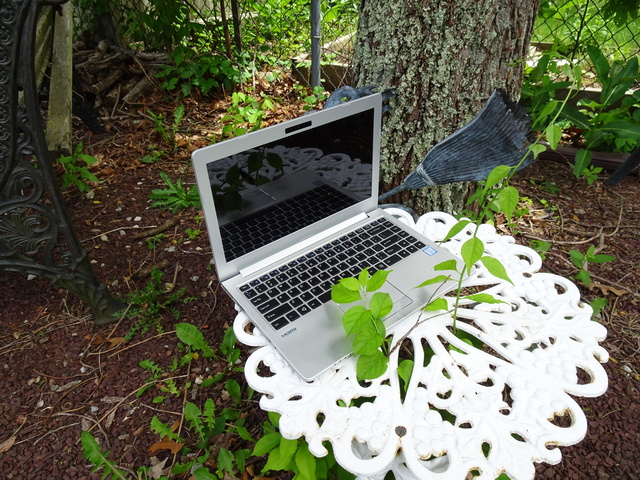
System76 Galago Pro is the MacBook Pro alternative the Linux community has been waiting for [Review]
System76 sells really great Ubuntu Linux laptops, but there has been one glaring issue -- the machines aren't exactly svelte. Don't get me wrong, the notebooks aren't ridiculously large or heavy, but compared to, say, a new MacBook Pro, there is a very big difference.
Many people have been anxiously awaiting a thin and light System76 laptop, and I am happy to say that it is finally here. The newest version of the Galago Pro notebook is very elegant, featuring an aluminum body and HiDPI display. But is the whole package worth your money?

Linux Mint-powered MintBox 2 has security vulnerability -- needs Microsoft Windows to fix it
There is a belief that Linux-based computers are inherently secure, and yeah, there is some truth to that. With that said, no operating system, kernel, or hardware is infallible. All computers have vulnerabilities and can ultimately be hacked.
A good example of this is the Linux Mint-powered MintBox 2. While the diminutive PC is not built by the Linux Mint team (it is merely a rebranded Intense PC), it is supported by them. Today, it is revealed that the computer is suffering from a dangerous vulnerability that can impact the machine's BIOS. Luckily, a patch is available.

Linux Mint 18.2 'Sonya' BETA Ubuntu-based operating system now available for download
With the future of Ubuntu uncertain, and with Canonical abandoning the Unity desktop environment, now is a great time to try Linux Mint. Since it has Ubuntu as a base, but instead uses Mate or Cinnamon -- environments with a future -- it should be an easy transition for users of Canonical's Linux-based operating system.
Today, the upcoming version of Linux Mint, 18.2 "Sonya," achieves BETA release. It is based on Ubuntu 16.04 and uses Linux kernel 4.8. You can download either the Mate or Cinnamon ISOs now. Yeah, its a pre-release operating system so you should proceed with caution, but historically, these BETA releases have proven quite stable -- you will probably be fine.

OpenELEC 8.0.4 Kodi-focused Linux distro now available for PC, Raspberry Pi, WeTek, and more
If you are looking for a dedicated media box for your living room or bedroom, the first thing you should consider is Kodi. This is a media center software package that delivers a very focused consumption experience. It can even be customized with "addons," although some of them can be used for piracy -- something we do not condone.
Unfortunately, Kodi is not its own operating system, meaning it has to be run on top of an OS. Sure, you could use Windows 10, but that is overkill if you only want to run Kodi. Instead, a lightweight Linux distribution that only serves to run the media center is preferable. One of the most popular such distros is OpenELEC. It can run on traditional PC hardware, but also Raspberry Pi, and, my favorite -- WeTek boxes. Today, version 8.0.4 achieves stable release. It is a fairly ho-hum update, focusing mostly on fixes and stability.
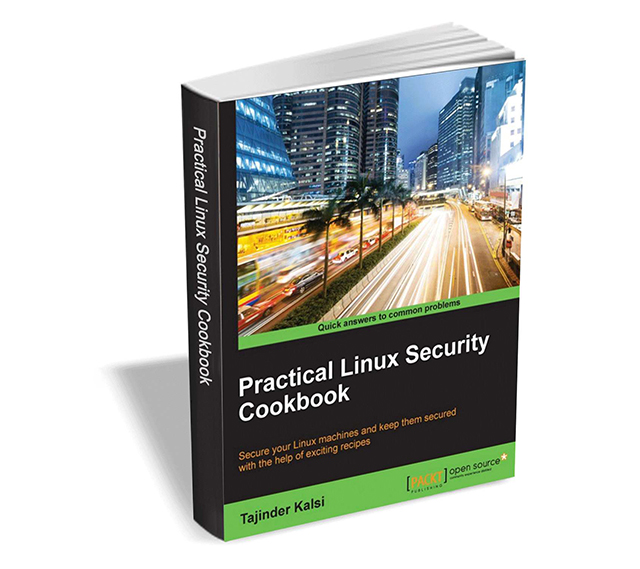
Get the 'Practical Linux Security Cookbook' ($22 value) FREE for a limited time
Practical Linux Security Cookbook, from Packt Publishing, will teach you how to secure your Linux machines and keep them secured with the help of exciting recipes.
Whether you are new to Linux administration or an experienced user, this ebook will provide you with all the skills you need to make systems more secure.
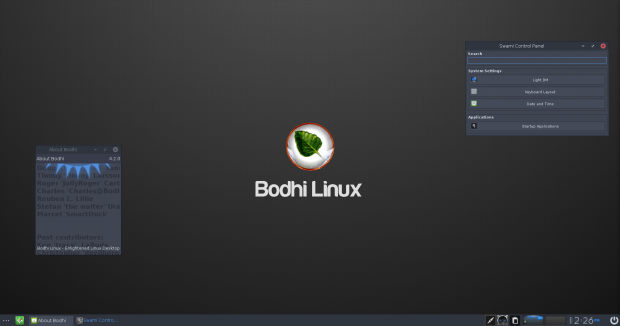
Bodhi Linux 4.2.0 Ubuntu-based operating system now available
Bodhi is an interesting Linux distribution thanks to its lightweight nature. If you have an older PC that isn't particularly powerful, the operating system could breath new life into it. Unlike some other distributions that are light on resources, Bodhi is not ugly -- its Moksha desktop environment looks rather modern. I highly recommend giving the OS a try.
Today Bodhi reaches version 4.2.0. It is quite the boring release, as there isn't much to it. It is merely a rollup, incorporating many of the updates that were released since the previous stable version, 4.1.0. If you are already running Bodhi and have been installing updates, there is no reason to bother -- this is more for those that aren't already running the OS.

Split and join MP4 videos with MP4Tools
MP4Tools is a cross-platform collection of tools for the lossless splitting and joining of MP4 files. The package is the project of Alex Thuering, the developer behind DVD authoring application DVDStyler.
Installing MP4Tools gets you two applications, MP4Splitter and MP4Joiner. Despite the single "MP4Tools" brand, they’re separate programs with no integration.

Devuan Jessie is here -- download the systemd-shunning Debian-forked Linux distro now
One of the coolest things about open source software is the ability to fork it. What is forking? Very simply put, it is taking code and altering it so it can be taken in a different direction. This is usually done when people are dissatisfied with the current path of a project. A good example of this is LibreOffice, which is a fork of OpenOffice. As that example shows, sometimes the fork can become better and more popular than the original.
Systemd is a very polarizing topic in the Linux community, so it should come as no surprise that it would lead to a fork. You see, some Debian users disliked systemd so much that they decided to create a version of the OS without it. Devuan is that operating system, and today, the fork finally sees stable release.