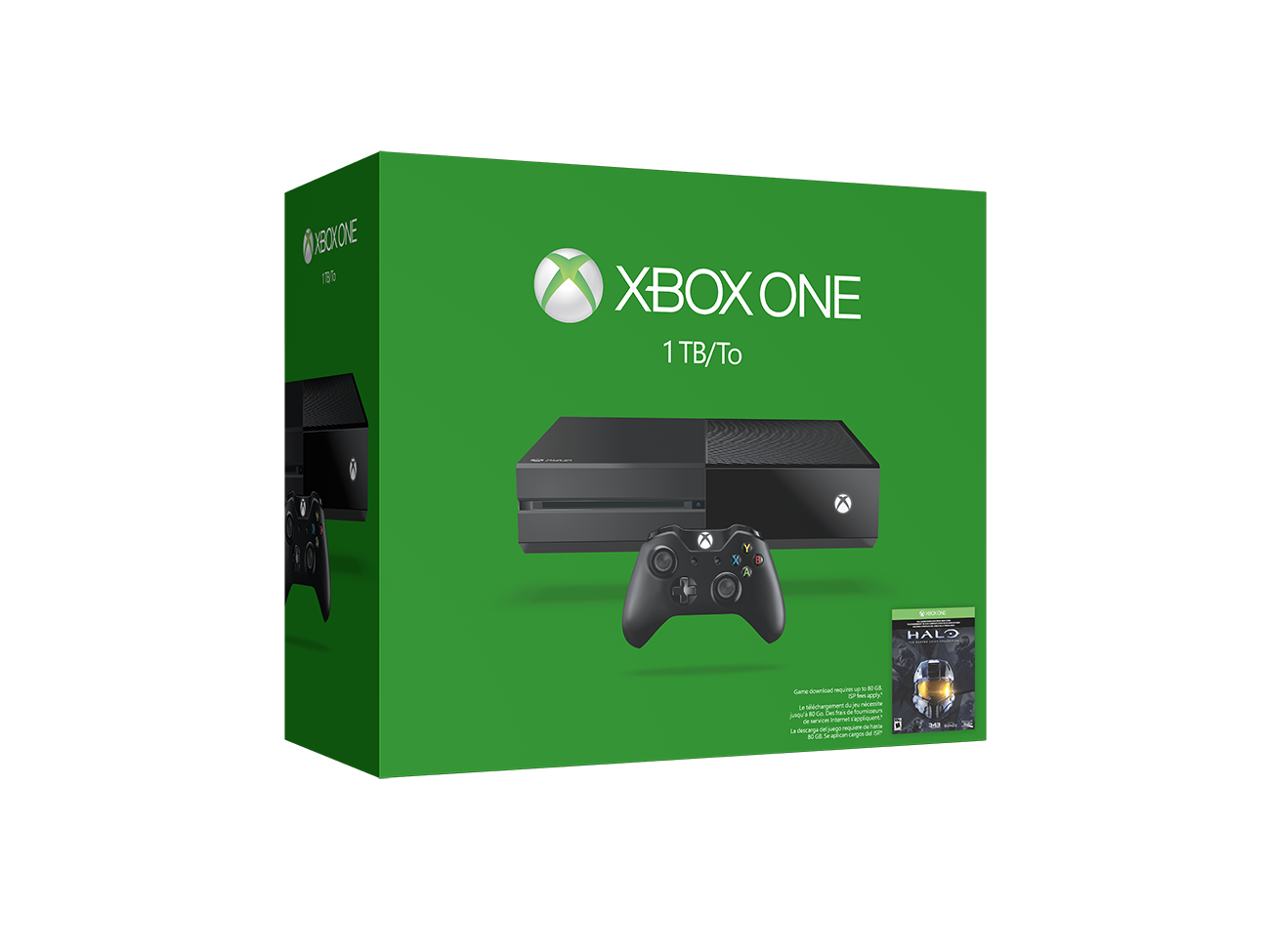
Xbox One gets new bundles for the new year
It may be time for the Consumer Electronics Show, but Microsoft no longer maintains a presence at the big event. The days of Bill Gates and Steve Ballmer keynotes are long gone now. That does not mean the company has nothing to announce, though.
Today Larry Hryb, also known as Major Nelson and the head of Xbox Live, is unveiling a set of new bundles for the gaming console.

Why is Microsoft monitoring how long you use Windows 10?
The various privacy concerns surrounding Windows 10 have received a lot of coverage in the media, but it seems that there are ever more secrets coming to light. The Threshold 2 Update did nothing to curtail privacy invasion, and the latest Windows 10 installation figures show that Microsoft is also monitoring how long people are using the operating system.
This might seem like a slightly strange statistic for Microsoft to keep track of, but the company knows how long, collectively, Windows 10 has been running on computers around the world. To have reached this figure (11 billion hours in December, apparently) Microsoft must have been logging individuals' usage times. Intrigued, we contacted Microsoft to find out what on earth is going on.

Microsoft says that Windows 10 is now on 200 million devices and is its fastest growing OS ever
NetMarketShare’s latest desktop usage figures suggest that Windows 10 now has nearly 10 percent of the market. And that translates to over 200 million devices, according to the latest figures released today by Microsoft.
Yusuf Mehdi, Microsoft’s corporate vice president, Windows and Devices Group, says "there are more than 200 million monthly active devices around the world running Windows 10" and he reports some other interesting adoption figures about the new OS, which will surprise a lot of people.
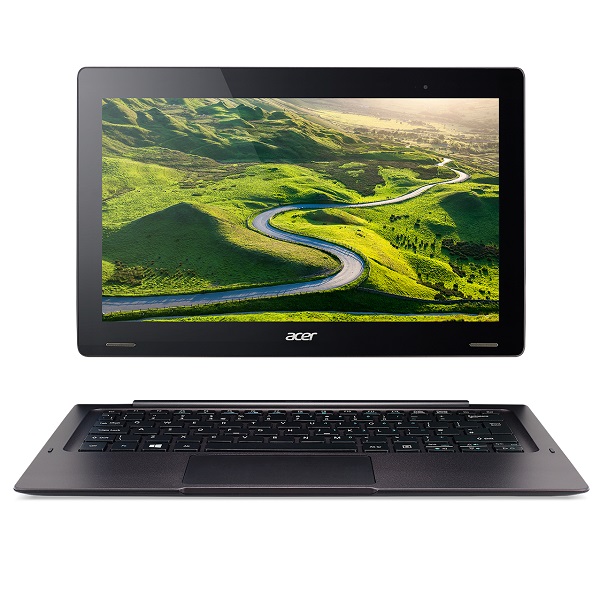
Acer Aspire Switch 12 S is a premium Skylake-powered 2-in-1 Windows 10 laptop
Acer is a company that historically makes value-focused computers and accessories. What does this mean? Well, its products offer acceptable performance at affordable prices. While some manufacturers put the emphasis on chassis materials or elegance, Acer often opts for cheap-feeling plastic. Don't get me wrong, this is not a bad thing -- it gives consumers a choice as to how they spend their money.
Today, however, Acer announces a premium Skylake Core M-powered Windows 10 laptop -- the Aspire Switch 12 S. On this 2-in-1 notebook, Acer is opting for an anodized aluminum chassis, with integrated 2x2 MU-MIMO 802.11ac Wi-Fi antenna. Even the hinge has been updated from prior "Switch" models, with a more aesthetically pleasing design and zinc-alloy charging connectors. Beauty is more than skin deep here, however, as Acer has packed a whole bunch of awesomeness inside too.

Windows doesn't top the vulnerability list for 2015, but Microsoft as a whole does
Software vulnerabilities are a daily event it seems, but some systems just have more of them. When we think of this a couple of names usually spring to mind -- Flash and Java. However, according to the new list being published by CVE Details, they aren't quite at the top, nor is Microsoft's oft-maligned operating system.
Basing its numbers on "distinct" vulnerabilities, the security firm has released its top 50 naughty list of 2015. Leading the way was, in fact, Apple, which claimed the top two spots -- Mac OS X with a number of 384 vulnerabilities, closely followed by iPhone OS (or iOS as most people like to call it) with 375.
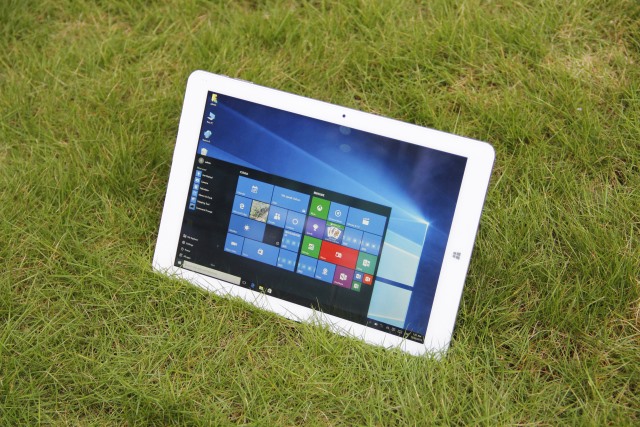
Chuwi Hi12 is a promising budget Surface-like tablet running Windows 10 and Android
Chuwi might not be a name that you're particularly familiar with (or have even heard of at all), but the Chinese company has some interesting hardware on the way in 2016. Can’t decide between a Windows 10 tablet, or one running Android? Chuwi Hi12 offers the ability to boot between Windows 10 and Android.
With more than a hint of iPad aesthetics, the Hi12 blends the worlds of Microsoft's and Google's operating system to create a budget version of the Surface with an Android bolt-on. As this is a tablet running both Android and Windows, it's no surprise that there's a Cherry Trail processor on hand to keep things ticking over.

Despite Microsoft's increasingly aggressive tactics, Windows 10's growth continues to slow
Microsoft is largely unrepentant about pushing its new operating system so aggressively, and early in the year it will be marking Windows 10 as a "recommended update" in a bid to get larger numbers of Windows 7 and 8.x users to make the switch.
Since its launch, Windows 10 has been gaining usage share at a steady, if rather unexciting rate, but there’s a clear downward trend that shows users of older operating systems are in no hurry to upgrade.

Microsoft's promise of spying warnings is an empty gesture
Yesterday we reported that Microsoft will warn users of 'state-sponsored' attacks on their accounts. Sounds great, but does it actually mean anything? Is it a useful service by the tech giant, or just PR bluster?
Considering the covert nature of spying and digital attacks, coupled with legislation around the world, it seems likely that the announcement is little more than meaningless hot air. In the UK, for instance, the planned snooper's charter would make it illegal for companies to alert users to hacking and surveillance by British agencies.

You will now receive alerts if state-sponsored hackers attack your Microsoft Account [Updated]
Whenever you access the internet, you are under attack. There are tons of evildoers out there just waiting to hack or scam you. Between malware and social engineering, it can feel like the wild west on the web. In other words, bad guys are everywhere -- be cautious.
While some of these hackers are merely amateurs looking to wreak havoc or profit monetarily, there is something far more devious. State-sponsored hackers and terrorists could be targeting you with more sophisticated techniques. This could be for political reasons, such as espionage, or even stealing corporate secrets. Starting today, if Microsoft suspects sate-sponsored attacks on your Microsoft Account, it will let you know. This includes both Outlook.com email and OneDrive cloud storage.

5 ways Ubuntu Linux is better than Microsoft Windows 10
Windows 10 is a pretty good desktop operating system. Unfortunately, that OS is very far from perfect. The most glaring issue, of course, is the confusing privacy settings. Plus, let us not forget the arguably shady tactics Microsoft is employing to get users to upgrade to the operating system. While Windows 10 is more focused than its predecessor, there is still a lack of consistency, such as having a Settings Menu and separate Control Panel menu.
Meanwhile, in the land of Linux, Ubuntu hit 15.10; an evolutionary upgrade, which is a joy to use. While not perfect, the totally free Unity desktop-based Ubuntu gives Windows 10 a run for its money. Does this mean I think Linux will soon rule the desktop? Absolutely not. Windows will still be dominant in number of installs for the foreseeable future. With that said, more does not always mean better. Here are 5 ways Ubuntu bests Windows 10.

Microsoft is backing up your encryption keys in the cloud, but you can prevent this
Microsoft, like many companies, ships some of its products with disk encryption and that's a good thing given the state of today's world. The vast majority of customers have nothing to hide, but they also don't wish to be watched by the prying eyes of governments and others.
However, it is being reported that the Windows maker is storing encryption keys in the cloud. While that doesn't necessarily mean a problem, it's also a bit scary because of the potential for what can go wrong -- a Murphy's Law scenario. This issue was first reported by The Intercept, which notes that your keys "may" be stored in the cloud -- not everyone's are.
Microsoft explains why it's pushing Windows 10 so aggressively (spoiler: it's to keep you safe)
It’s understandable that Microsoft would want to push Windows 10 as much as possible, particularly as the rate of upgrades has been slowing recently. It must be a source of frustration to the company that users of Windows 7 and 8.1 appear so reluctant to switch, even though the upgrade for them is free.
In an effort to guide people on to Windows 10, Microsoft has been using increasingly aggressive methods, including pre-loading the installation files on to users’ systems, regardless of whether they want the new OS or not, and removing the option to opt-out of the upgrade. In the new year Microsoft intends to ramp up its push further, and joining the Windows Weekly team for a question and answer session, Microsoft Marketing Chief Chris Capossela made no apologies for his company’s approach which, he says, is being done to get users to a "safer place".

Microsoft CMO hints at 'breakthrough' Surface phone
Microsoft is doing something about its smartphones business and according to the company’s CMO, it is something revolutionary, shocking, breathtaking.
I’m not being cynical here, I’m just reporting -- that’s the best part.

How to stop Windows 10 asking you to give feedback
If you've signed up to the Windows Insider program, you're enjoying preview builds of Windows 10 before the vast majority of people. Whether you are on the Fast or the Slow Ring, getting hold of Insider preview builds is a great way to stay on the cutting edge -- but it comes with its drawbacks.
One of these -- aside from the need to download gigantic updates from time to time -- is that Windows 10 will constantly pester you for feedback. While it could be argued that this is very much the point of the preview program, some of you will almost certainly just want to get on with using Windows 10 without being asked 'Would you recommend this build to a friend?' or 'What do you think of the latest features of Windows 10?'. If you want to kill the feedback popups, here's how to do it.
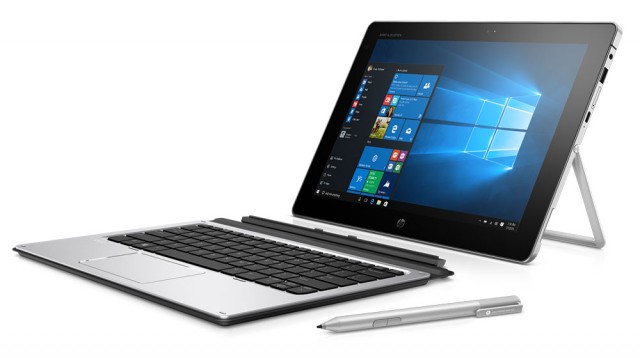
Santa brought you a Windows 10 PC or tablet? Here’s what to do first
If you were fortunate enough to unwrap a new Windows device this Christmas the chances are it will be running Windows 10.
The new operating system has much to recommend it, as well as a few features that you might not be so keen on (the spying aspect for example). Getting Windows 10 set up exactly how you want it will -- like all versions of Windows -- take a while, but follow this guide and you’ll soon be sorted.