

HGST Research shows off world's fastest SSD with cheetah-like performance
Faster is almost always better. While computer enthusiasts are continually trying to get an edge and squeeze out more performance, they are often stopped by one thing -- a lack of money. Yes, in the computer world, you must pay to play and hardware is not always cheap. Often manufacturers will trot out something so remarkable (and expensive), that nerds start drooling and dreaming about owning it, but never actually achieve it.
Today, HGST shows off what it is calling the world's fastest SSD. Unfortunately, it is so fast that most people will not be able to afford it any time soon. With that said, it is only a tech-demo for now, but today's demos are tomorrow's consumer products. Are you ready for a cheetah-like SSD in your system?
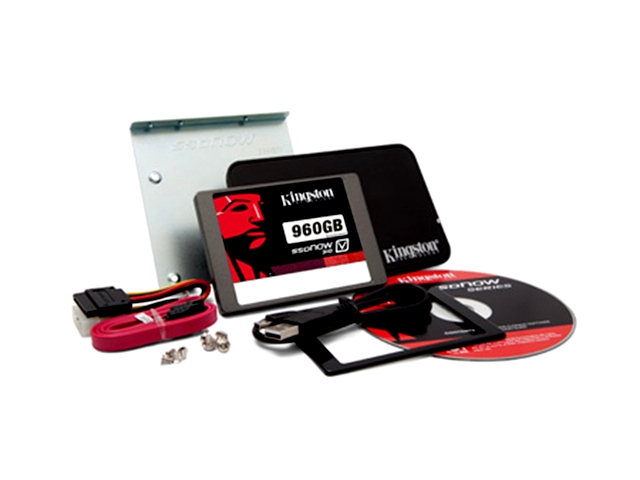
Kingston's new solid state drive almost cracks 1TB barrier
A new 1TB solid state drive [SSD] is on the horizon after Kingston Digital began shipping high-speed flash drives with a capacity that closes in on the significant milestone.
The Kingston SSDNow V310 SSD comes with a 960GB memory size that allows an entire hard drive to be migrated onto a new system at high speed and is capable of 450Mbps read and write speeds.
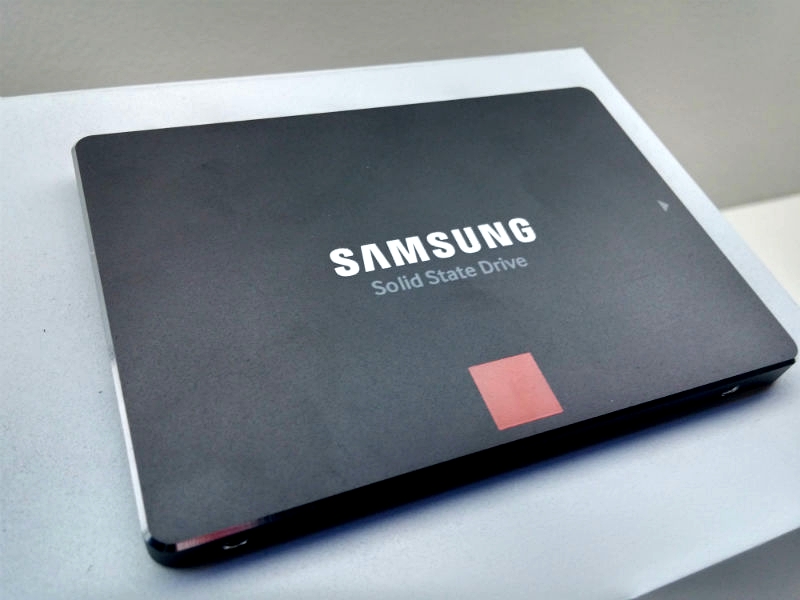
Samsung 850 Pro: The best SSD of 2014? [Review]
At first glance, the untrained eye may see very little difference between Samsung's newest SSD, the 850 Pro, and its predecessor, the widely lauded 840 Pro. A black shell that clings on to the same dimensions of the previous model, the 850's only obvious distinguishing feature is an understated red square occupying the space where the 840's orange one once sat.
The differences between the two, however, are colossal. Under the hood, Samsung has spent the last year prepping its revolutionary 3D V-NAND technology that aims to alleviate the frustrating constraints associated with shrinking NAND lithography down to ever-smaller process nodes. Until now, most manufacturers would shrink the die, thus increasing bit densities, in a bid to reduce cost and offer higher capacity. However this was limited by 2D planar architecture, and Samsung with its 3D V-NAND technology has come up with a new approach of stacking cells instead of shrinking them.
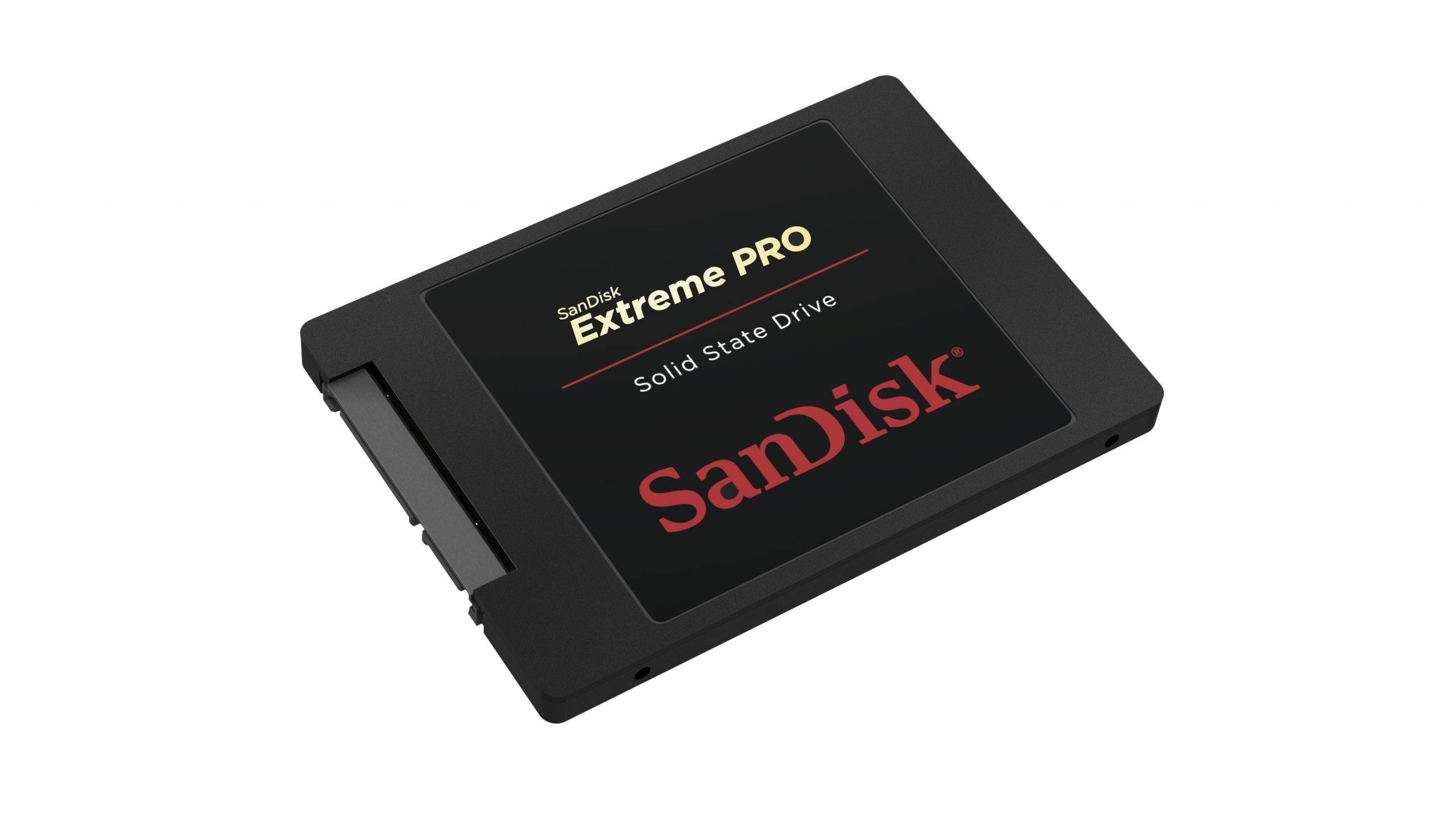
SanDisk hopes to win the hearts (and wallets) of gamers with Extreme PRO SSD
Believe it or not, system builders are a diverse set. Some people focus on looks, others on performance and some on value. However, gamers are typically the ones that push the boundaries with performance and high-costs when building rigs. While some people will write-off video games as a silly time waster, they are actually a vital driver of personal computing innovation. Hell, it is also good financially for the hardware business -- new games need better hardware and gamers are willing to pay to play.
Beyond expensive video cards and overclocked CPUs and RAM, gamers are constantly looking for a way to gain an edge. Anything that can make a game load faster, even by seconds, is extremely attractive to them. Today, SanDisk announces the Extreme PRO SSD -- a storage solution for gamers that want to utilize SATA III rather than much costlier options. PlayStation 4 owners will want to take notice too.
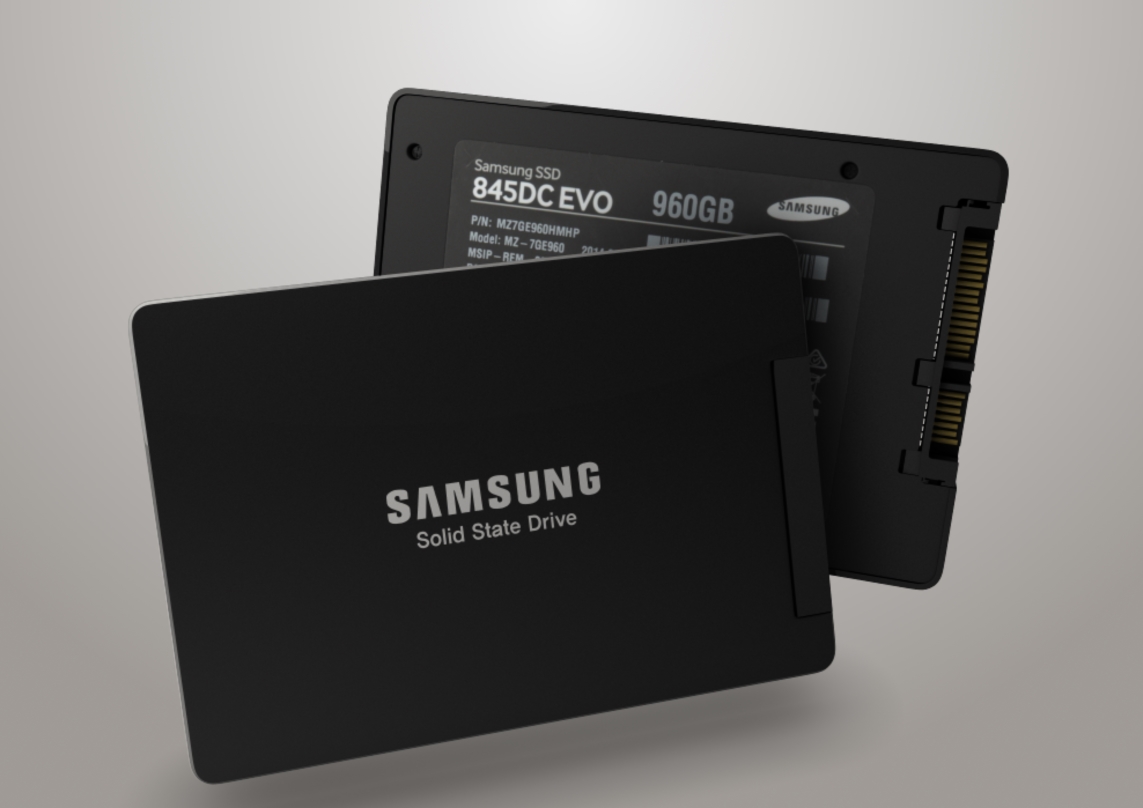
Samsung unveils the 845DC EVO -- an SSD built for data centers
Solid State Drives (SSD) are all the rage nowadays and for good reason. They are very much faster than their HDD counterparts and use less energy too. However, the benefits come at a cost -- higher prices per gigabyte and smaller storage sizes. Plus, SSDs are relatively unproven for longevity. Over time, they lose speed and, even worse, can potentially fail faster than a HDD.
It is for those reasons that historically SSDs are not widely used in data centers. Instead, HDDs still reign supreme for their lower cost and perceived life span. Samsung is aiming to change this, with the all-new 845DC EVO -- a SSD that the company hopes can supercharge data centers.
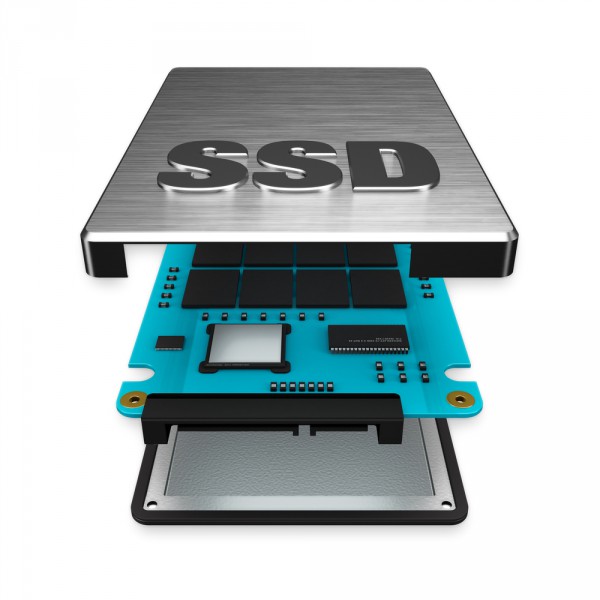
Marvell announces next generation 88SS1074 SATA SSD controller
When you build or buy a computer, some things are sexy and some are just necessary. While processors, RAM and power supplies are some of the fun components, there are underlying things like controllers that do not get the fanfare they deserve. If you go to Best Buy and look at the computers, the display cards do not advertise the controllers -- a shame.
The average user is probably unaware of which controller something like their SSD is utilizing. For the most part, that is OK. As long as the hardware works, they don't really need to know. For enthusiasts however, it can make a big difference in performance. One such unsung company whose products are used by many is Marvell. Today, that company announces the 88SS1074 SATA SSD controller.

The Marvell 88SS1083 is world's first fully compliant SATA Express controller
The trouble with computers is that it is almost impossible to stay on the bleeding edge. The moment you buy the latest and greatest, something new comes along to replace it. I still remember fighting the battle of buying the fastest CD and DVD burners, years ago. It seemed like every other week, speeds would get boosted and I just had to have the fastest!
If you just bought a brand new SATA III SSD, congratulations, it is really fast and I'm sure you love it. But did you know that SATA III is on its way out? Yup, sorry to break the news to you, but SATA Express is one of the new standards, set to replace it. Today, Marvell announces that it has created the industry's first fully compliant SATA Express controller. Things just got real.
SSDs claim a bigger share of the storage market
Research company IHS iSuppli has released figures showing that solid-state drives are set to claim 33 percent of the storage market by 2017. Over this time total worldwide sales of SSDs are expected to rise from 31 million units in 2012 to 227 million.
The growth is being driven by demand for ultrabooks and other slimline systems which need powerful, compact drives. Sales should also be helped by the falling price of flash memory and the faster performance and lower power requirements of SSDs. Increasing numbers of systems being launched with convertible and touch screen formats is likely to push things further too.



