


Apple publishes praiseworthy, plain-speaking privacy policies
Perhaps inspired by the backlash Microsoft has faced over privacy concerns in Windows 10, Apple has published its own privacy policies on a new page that's designed to be easy to read. Written in plain English, the site sets out Apple's position regarding privacy in OS X and iOS. As well as touting the steps to which the company goes to protect its customers' privacy, Apple also uses the documents to trumpet numerous security features.
This is Apple riding the waves of interest concerning privacy, using it as an opportunity to get one over the likes of Microsoft and Google. There are promises of "telling you up front exactly what’s going to happen to your personal information and asking for your permission" as well as the offer that "if you change your mind later, we make it easy to stop sharing with us". Sounds great in theory, but does it stand up to scrutiny?

Machine learning helps build better applications
New toolkits and training for developers allowing them to create intelligent applications have been launched by machine learning company Dato.
Developers can use Dato Toolkits to build software that uses machine learning technology, combining historical data and real time user interaction to make predictions and decisions to deliver rich and adaptive experiences to their users.

You're not alone in abandoning that shopping cart
If you have a habit of abandoning your virtual shopping cart before actually purchasing anything, you’re not alone. In fact, four out of ten UK shoppers do this, 50 percent of the time.
This is the result of a new research by Talend, global big data integration software provider, polling the views of online consumers across the UK.

'Remediation gap' leaves businesses exposed to cyber attack
Companies are leaving vulnerabilities unpatched for up to 120 days leaving them open to untargeted attacks, according to the findings of a new report.
Risk and vulnerability intelligence platform Kenna analyzed 50,000 organizations, 250 million vulnerabilities, and over one billion breach events from January 2014 to September 2015, and found that companies are regularly leaving vulnerabilities open for longer than it takes attackers to exploit them.
With Raspbian 'Jessie' release, has the Raspberry Pi lost its way?
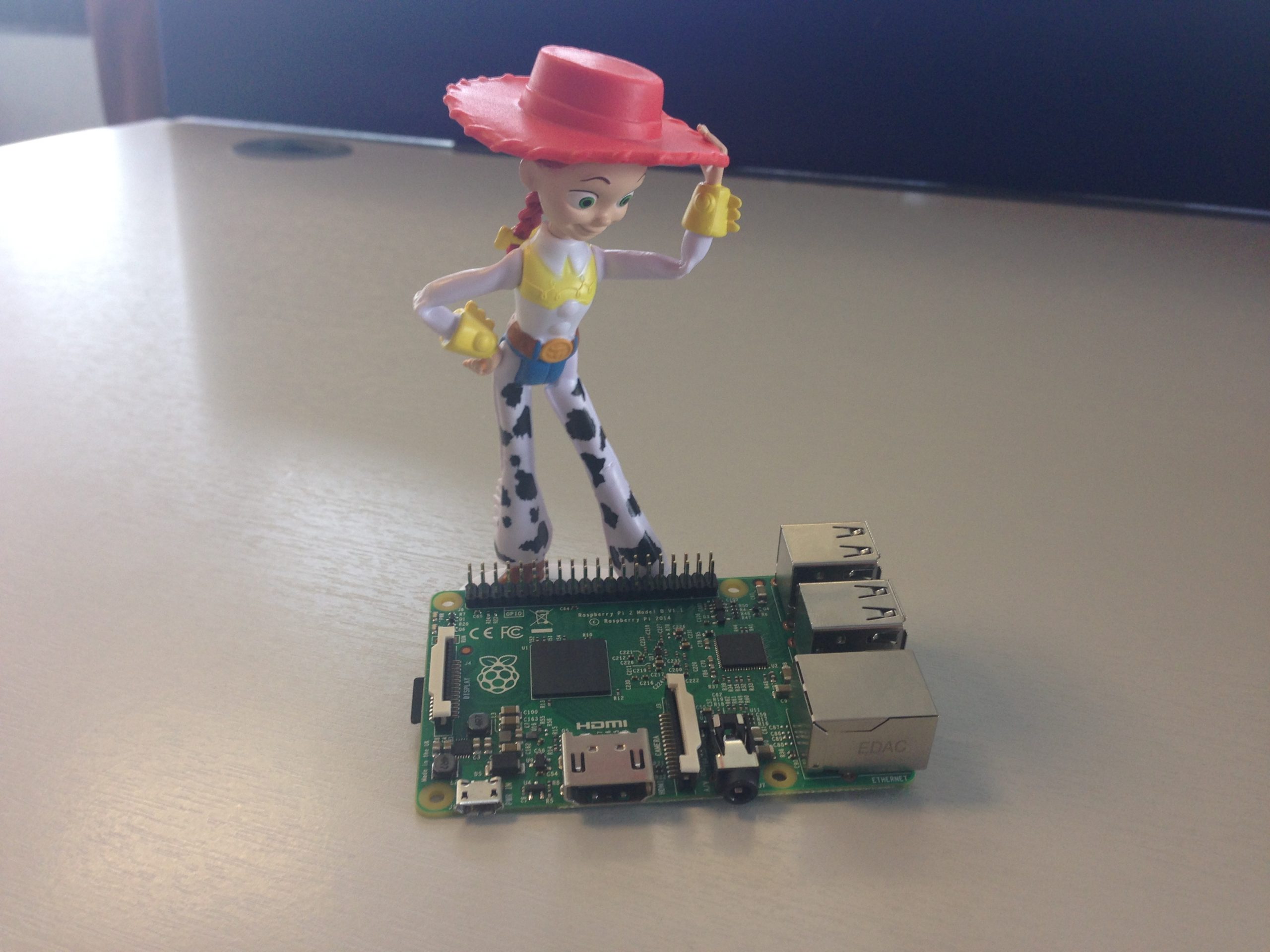
If you own a Raspberry Pi, you are probably a really cool guy or gal. Well, actually, I should say that you are cool in the geek community (it probably won't get you a date with a cheerleader). In other words, owning the diminutive maker-friendly computer is a geeky status symbol that indicates you are in-the-know.
While the Raspberry Pi is a fun piece of hardware, it is useless without an operating system. There are plenty of options to choose (including Windows 10 IoT), but arguably, for the best overall experience, you should stick with the Debian-based Raspbian Linux distro. Today, the latest version, code-named 'Jessie' is released to the wild. Does it signal that the Raspberry Pi is losing its way?

Ongoing Windows 10 bugs leave me pining for 8.1 on my Surface 3
I am not a Windows 10 "fan boy". In fact, I’ve frequently expressed my dislike for many of the UI choices Microsoft made with the new OS. I’ve also noted how unstable Windows 10 can be for some users, and I’ve extensively documented my own woes attempting to upgrade an HP Envy x2 hybrid laptop (still no resolution to that one).
So, when I knew that I’d be writing extensively about Windows 10 -- both for BetaNews and in my capacity as an Industry Analyst -- I made the decision to invest in what I thought would be the best platform on which to test the OS and its myriad features: A Microsoft Surface 3. My thinking was that, to wring the best experience out of Windows 10, you need to give it a fully-compatible hardware configuration. And what better way to ensure such a configuration than by purchasing one of the very devices Windows 10 was designed to showcase?

CloudHive provides protection for virtual machines
One of the main concerns companies have about moving to the cloud is security. Traditional security measures can have gaps that leave systems vulnerable.
To address this network security specialist Hillstone Networks is launching CloudHive, a cloud security solution that uses micro-segmentation to protect networks beyond the perimeter down to every virtual machine in cloud deployments.
Logitech unveils G410 Atlas Spectrum TKL Mechanical Gaming Keyboard
Throughout the years, desktop keyboard quality has suffered greatly. Computer manufacturers are understandably dealing with small profits on each computer sold, so cutting corners on the included keyboard and mouse probably seemed like a way to save some money. Sadly, many consumers did not realize that they were eventually typing on spongy, low-quality crap.
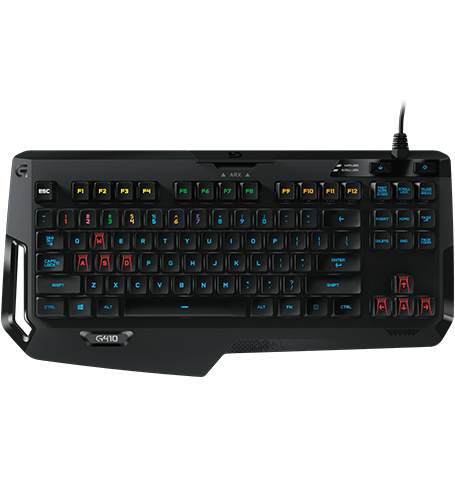
To the delight of many, myself included, mechanical keyboards are making a huge comeback. While most PC manufacturers will not be including the more expensive keyboards, consumers have a lot of options when buying them separately. Today, Logitech announces its latest mechanical variant, the G410 Atlas Spectrum TKL.
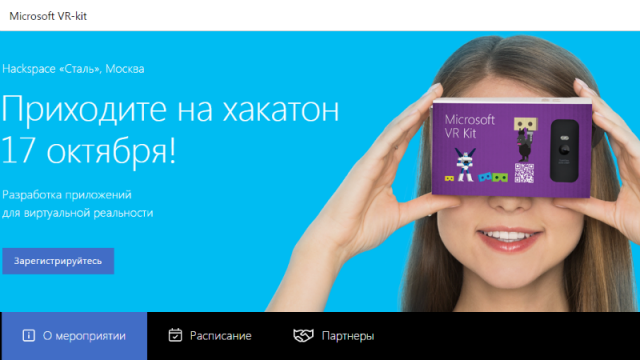
Microsoft working on Google Cardboard-like virtual reality headset
It seems as Microsoft is working on a virtual reality device that bears huge resemblance to Google’s Cardboard project. The Microsoft VR kit will be given to developers attending a hackaton which will take place on October 17.
The kit works the same way Google Cardboard works -- it’s a generic headset with a slot for a Lumia phone.
Accepting Microsoft's Windows 10 privacy stance at face value is sheer folly
Yesterday, Microsoft's Terry Myerson defended how the company has handled privacy in Windows 10. The level of concern about privacy in Windows 10 is unprecedented -- it even has some torrent sites spooked -- but my colleague Brian feels that Microsoft has, somehow, earned our trust. He is wrong.
Microsoft has broken the trust of many users, and Myerson's post does little to patch things up. In reality, it is an exercise in public relations, spin, and misdirection. It also raises more questions than it answers. In particular, it highlights the obnoxious disregard Microsoft appears to have for home users.
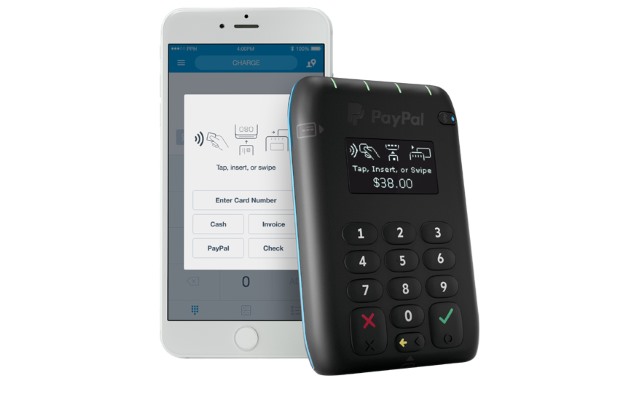
Accept Apple Pay and Android Pay with the new PayPal Chip Card Reader
PayPal Here users will be able to use the new PayPal Chip Card Reader to accept payments via Apple Pay and Android Pay, in addition to the more familiar credit and debit card options. The new reader launches in the US on 30 September, before spreading to the UK and Australia further down the line.
The updated card reader features a display to guide users through the process of making a payment, but it is the addition of contactless payment that is the key new feature. The PayPal Chip Card Reader has a price tag of $149, but some people will be able to get hold of it for $49.
Mobile forensics improves compliance for Android devices
In the modern world information is no longer centralized in a company's data center, thanks to mobility and the cloud it’s become decentralized and this makes it difficult to manage, collect and protect corporate data.
To address this data protection specialist Druva is launching Druva Mobile Forensics for Android. This is a new capability that automatically and transparently collects data from an organization’s Android devices, allowing enterprise IT, information security and legal teams to easily deal with compliance and eDiscovery requests.
Get Belight Software's Get Backup Pro for your Mac -- absolutely free!
The latest version of OS X -- El Capitan -- is just days away now, and the excitement is building. But before you plunge in and install it, what happens if something goes horribly wrong with the new install? You might be able to roll things back with Time Machine, but Belight Software has an alternative.
Belight wants you to start using its three-pronged backup solution Get Backup Pro instead -- and to tempt you into switching, it’s offering a free license for the Pro version, worth $19.95 -- but hurry, you’ve only got around 48 hours left to grab it!

Happy 5th Birthday, LibreOffice! You aren't as good as Microsoft Office, but that's OK
Not everybody, or everything, can be the best. In the Olympics, for instance, somebody wins the Gold medal, while someone gets the Silver. In other words, second place is still rarefied air, albeit less impressive than first, but still celebration-worthy.
Today, the runner-up to Microsoft Office, LibreOffice, celebrates its 5th Birthday. Quite frankly, it is an amazing office suite, offering compatibility with Windows, Linux and OS X. The best part? It is open source and totally free -- like, no money needed. Even if it isn't as good as Microsoft's solution, it is more than enough for the average home user, and it deserves to be celebrated.

Microsoft deserves our trust with Windows 10 privacy -- the company earned it
Windows 10 is the best operating system to ever come from Microsoft. I have single-handedly installed it on many computers for myself, friends and family. I have no trepidation about using it or recommending it. With that said, I understand both consumers and pundits criticizing Microsoft over privacy setting in the newest Windows.
Can these settings be confusing for the average person? Absolutely. Should people blindly trust Microsoft? No, not blindly, but based on the company's track record, it has certainly done enough to earn our trust. If you are using a company's operating system, you have to have some level of faith in that company -- otherwise you should disconnect from the Internet or give up on computers altogether. Today, Terry Myerson, Microsoft's Executive Vice President of the Windows and Devices Group, attempts to quell privacy fears regarding Windows 10. You know what? His explanation seems honest and sincere.



