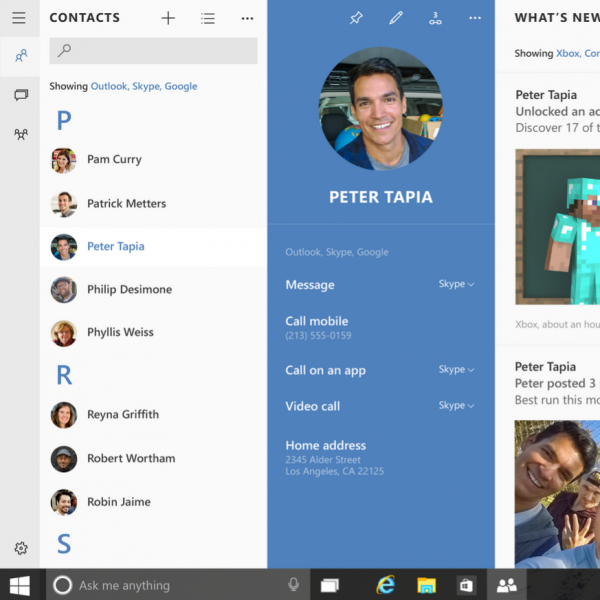
Microsoft's Windows 10 has tight Skype integration -- are Google Hangouts and Apple iMessage in danger?
I have been having difficulty staying in touch with friends and family lately. The problem? Everybody is using different services! Apple fans are on iMessage and Facetime. Google users are on Hangouts. Other people embrace Facebook Messager or SMS. Quite frankly, it is maddening. Lately, I have been considering embracing Skype, as it works on Windows, Linux, OS X, iOS, Android and Windows Phone. In other words, I don't have to worry about the platform the other person is on. I can have my friends and family use Skype to get in contact with me.
Luckily, Windows 10 will have Skype installed by default, meaning every user of that operating system can easily access it. I will not have to instruct people how to download and install it -- this is huge. Not only is it installed, but tightly integrated into the OS. Plus, with Lync being transformed into Skype for Business, Microsoft's communication solution may be poised to dominate.

I'm sold on Windows 10, but are you?
Windows 10 is shaping up to be the best Windows yet. I am still wrapping my head around it, but after going through most of the changes I think there are a ton of things to like about it, which is an astonishing achievement. Microsoft really managed to surprise me, and I didn't expect that, to be perfectly honest.
However, what seals the deal for me is how all the changes tie together. I can now say that there are clear benefits to using the latest Windows across all devices that support it. It makes total sense, for the first time. In fact, without even trying the new Preview release, I am sold on Windows 10. Count me in as one of the first to make the switch on all of my devices!
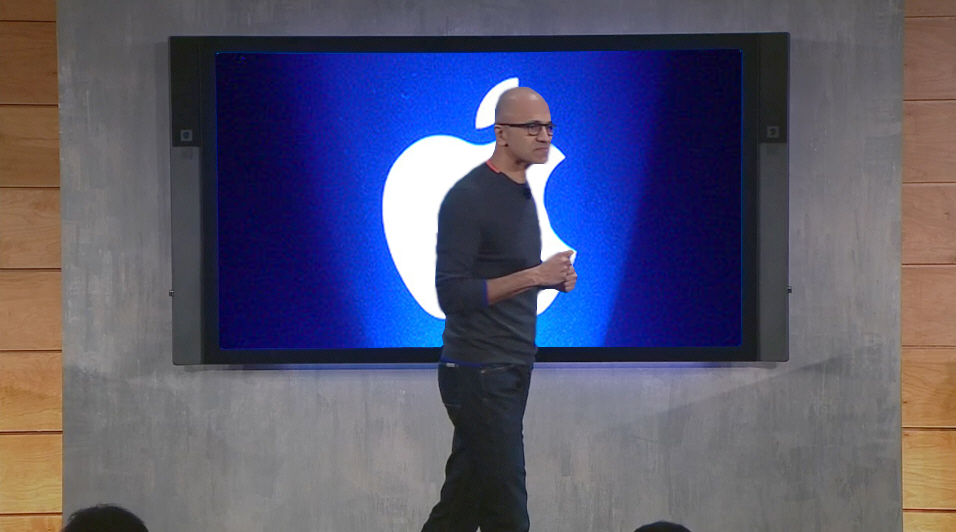
The Windows 10 presentation gets an A -- for Apple
Yesterday’s Windows 10 briefing was weird. I mean that in a good way. Microsoft went all Apple on us, aping much of the style and presentation of its rival, right down to the "one more thing" which turned out to be a crazy holographic nerd helmet that was nowhere near finished and can’t yet do most of the things claimed for it. But has potential.
In the aftermath of the presentation tech writers began asking questions like "When did Apple become the boring one?", and that would have raised a smile or two at Redmond. Microsoft needed to shake off its reputation of a firm which makes dull, or flawed "me too" products, and for the main I think it succeeded.
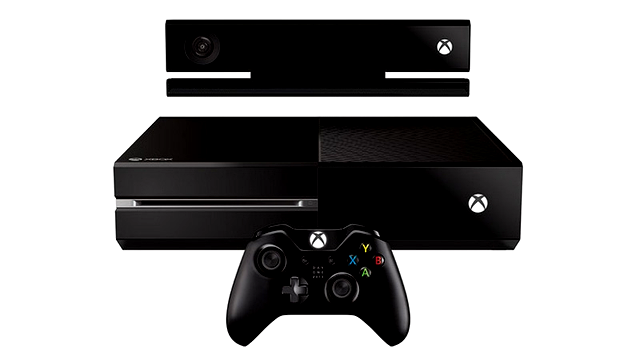
Watch the entire Xbox on Windows 10 presentation
Just yesterday Microsoft held its big Windows 10 event -- you likely may have seen something in the news about it. Sort of hard to miss. There was much more to the show than just a new operating system. Surprises included HoloLens and more. One thing that featured prominently was the company's gaming console.
Yes, Xbox will be a part of Windows 10, and a big one if Phil Spencer is to be believed. The head of this wing of Microsoft did an extensive presentation during the event. According to Spencer, games are about being social, and that is one of the things the company tried to work into this. He also talks about gaming as a personal experience.
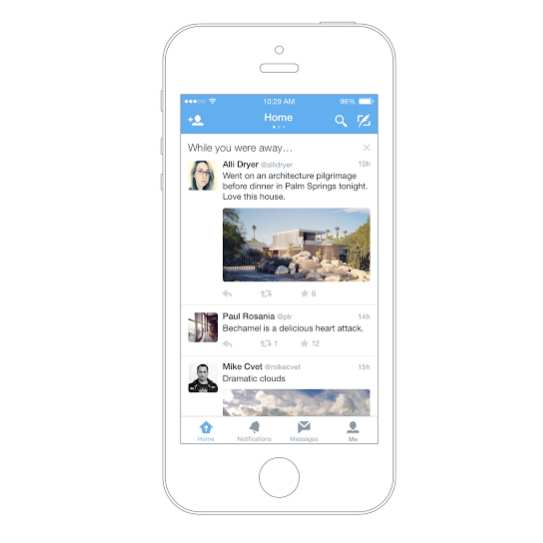
Twitter keeps you abreast of missed tweets with 'While you were away'
Twitter is super-awesome and fun; all the cool kids use it. If you aren't on the social network, you just aren't trendy. It is a great way to stay on top of Justin Bieber, Kim Kardashian and other very important people. But seriously folks, it's also a great means of tracking news, interests, and updates from your friends.
The service is only engaging when you follow interesting people, and that is a problem. Why? There are a lot of quality people to follow on the network -- which can make your feed noisy -- making it easy to miss important Tweets while away. Today, Twitter aims to alleviate some of that pain, with a new feature called 'While you were away'. As much as the company would like us to be on the service 24/7, some of us have jobs and have to, you know...sleep. Now, you can be kept abreast of top Tweets that you may have missed throughout the day. Don't worry, the list only contains people you follow.
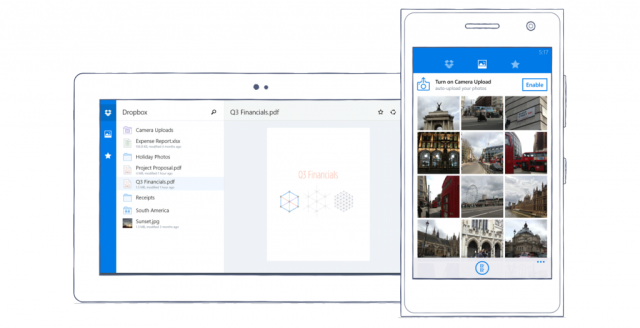
Windows Phone users rejoice! Dropbox is here
It is fair to say that Windows Phone still needs quite a few major titles in Store before the so-called app-gap can be considered a thing of the past. Take cloud storage services for example. You can embrace OneDrive if you want to stick with Microsoft services, or, as an alternative, use Box. But neither Dropbox nor Google Drive are an option. Both are hugely popular services, and their availability can be a deal-breaker for prospective Windows Phone users.
The good news is that at least Dropbox's availability on Windows Phone is no longer an issue, as the cloud storage service just launched its app in Store. It's undeniably a major win for the tiled smartphone operating system, which has consistently been criticized for lacking an official Dropbox client.

Face-to-face status meetings are bad for productivity
American workers spend an average of 4.6 hours a week preparing for meetings and 4.5 hours actually in them, but most would rather be doing something else.
This is among the findings of a new survey by enterprise collaboration software specialist Clarizen. It also shows that almost half of respondents would rather "do any unpleasant activity" than sit in a status meeting, including going to the Department of Motor Vehicles or watching paint dry.

Labrys is an alternative Start Menu for Windows 7+
Microsoft’s decision to drop the Start Menu in Windows 8 persuaded many developers to produce their own alternatives, and there’s no shortage of free options to explore (Classic Shell is probably still the best)
Finding yet another example in the new Labrys didn’t exactly fill us with excitement, then, but despite several flaws it’s different enough to be interesting.

Is it time to say goodbye to the password?
Microsoft's Bill Gates predicted the death of the password as long ago as 2004, yet we're still heavily reliant on them for our day-to-day security.
Part of the reason the password has lingered so long is the lack of solutions that provide security combined with ease of use.

Hey Apple, you can learn a thing or two from Microsoft's Windows 10 event
There once was a time when the entire world would anticipate an Apple launch event. While there is still some interest nowadays, much of it dissipated when Steve Jobs died. In other words, most of the magic was Jobs -- he was a genius innovator, but more importantly, an epic salesman.
Tim Cook is a nice fellow, but he just is not Jobs. Today, some of that launch event magic returned, but it was not by Apple and not in California. Nope, this was Microsoft's day to shine -- a sea change if you will -- as the winds of innovation came to the state of Washington. Unlike Apple, this is no one man show; Microsoft's presentation was a team effort, where products were more important than the presenter. I hope Tim Cook and the fruit-logo company were taking notes today.
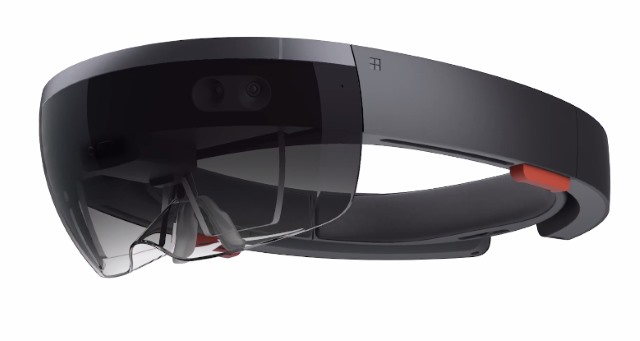
Microsoft steps into the future with HoloLens, holographic computing meets virtual reality
Today's Microsoft event was almost entirely about Windows 10 as expected, but there were a couple of surprises too. Among these was HoloLens a virtual reality, augmented reality, Google Glass hybrid that makes use of holograms for a totally immersive experience. We're used to Microsoft offering a unique window on the world, but this is something completely different.
Like Google Glass and virtual reality systems before it, HoloLens relies on a headset, and this is used to overlay holographic objects onto physical objects in the real world. Like the idea of a massive monitor filling your living room wall? Rather than splashing out on a colossal screen, HoloLens could make it appear as though you have the screen of your dreams.
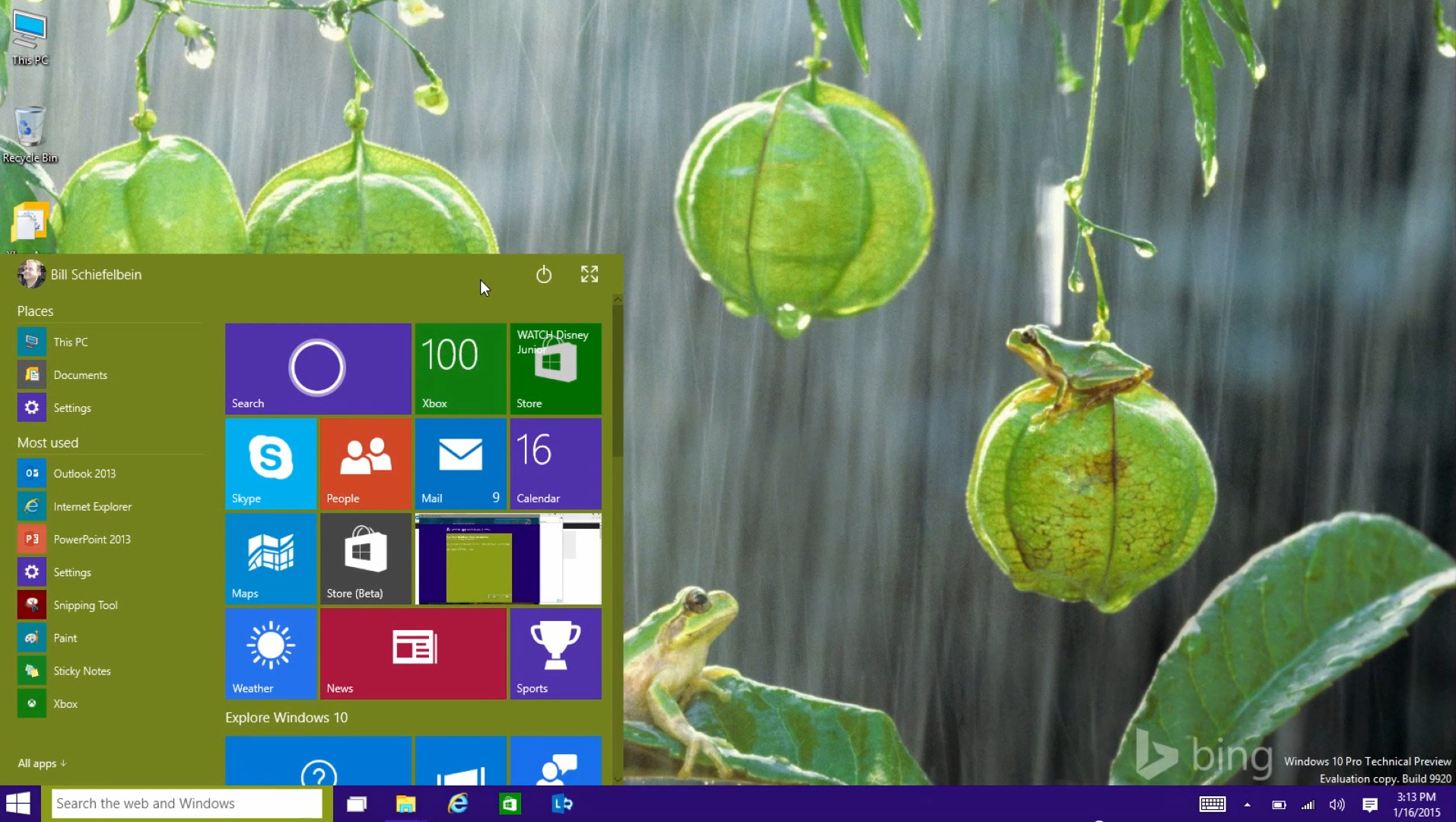
Catch up on the Windows 10 briefing in seven and a half minutes
The Windows 10 briefing offered up a lot of interesting things, but with a running time of just under two and a half hours, you are going to need to really, really love Microsoft and Windows to sit through it all.
Fortunately, you don’t need to commit yourself to the full briefing as Microsoft has rolled out a 7.25 minute video covering the highlights.
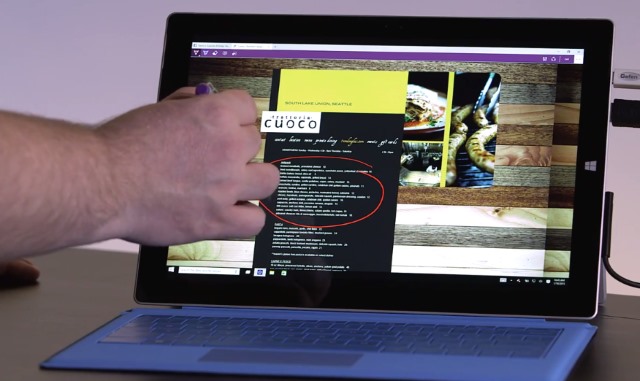
Microsoft introduces Project Spartan, Windows 10's new web browser that replaces IE
At the Windows 10 event today, Microsoft had a lot to talk about -- not least that Windows 10 itself will be free. But Windows 10 is all about the details, and on top of the likes of Cortana and the new notification center, Corporate Vice President of Operating Systems at Microsoft, Joe Belfiore, also revealed Spartan, the web browser that will replace Internet Explorer in Windows 10.
That's not to say that Internet Explorer is dead and buried. You'll still find the famous blue e icon waiting to be clicked if you want, but Spartan will be the new default browser. So what does Spartan have to offer that will act as a lure away from Chrome and Firefox? To kick things off, there's Cortana support.
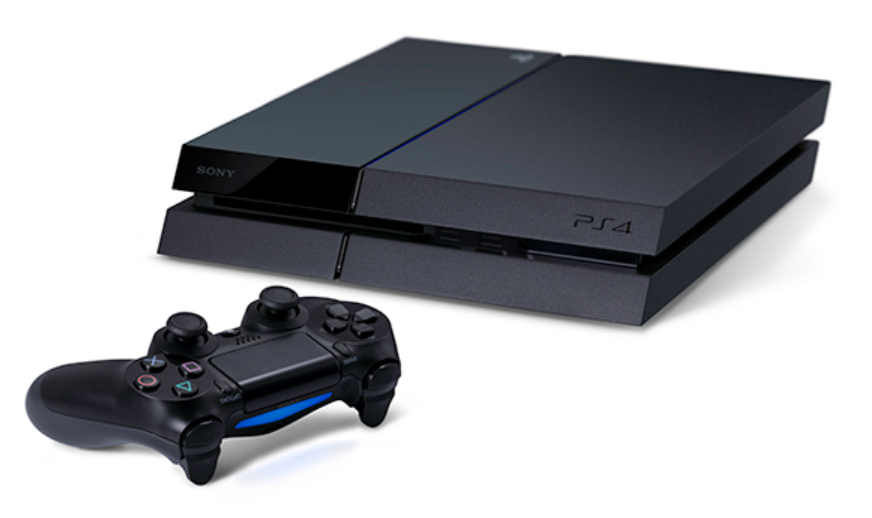
Plex finally arrives on Sony PlayStation, PS3 and PS4 both included
If you want to share media around your home then there is perhaps no easier way than Plex. The media server software is free and the setup is simple. Better yet, the end-user apps are available for almost any platform imaginable. You can even access your files on the go, though that requires a minor subscription fee.
With all of that said, it may seem shocking that the devices lacking this simple solution were those from Sony -- the PS3 and PS4. Plex has now rectified this apparent oversight, announcing its wares are now available.
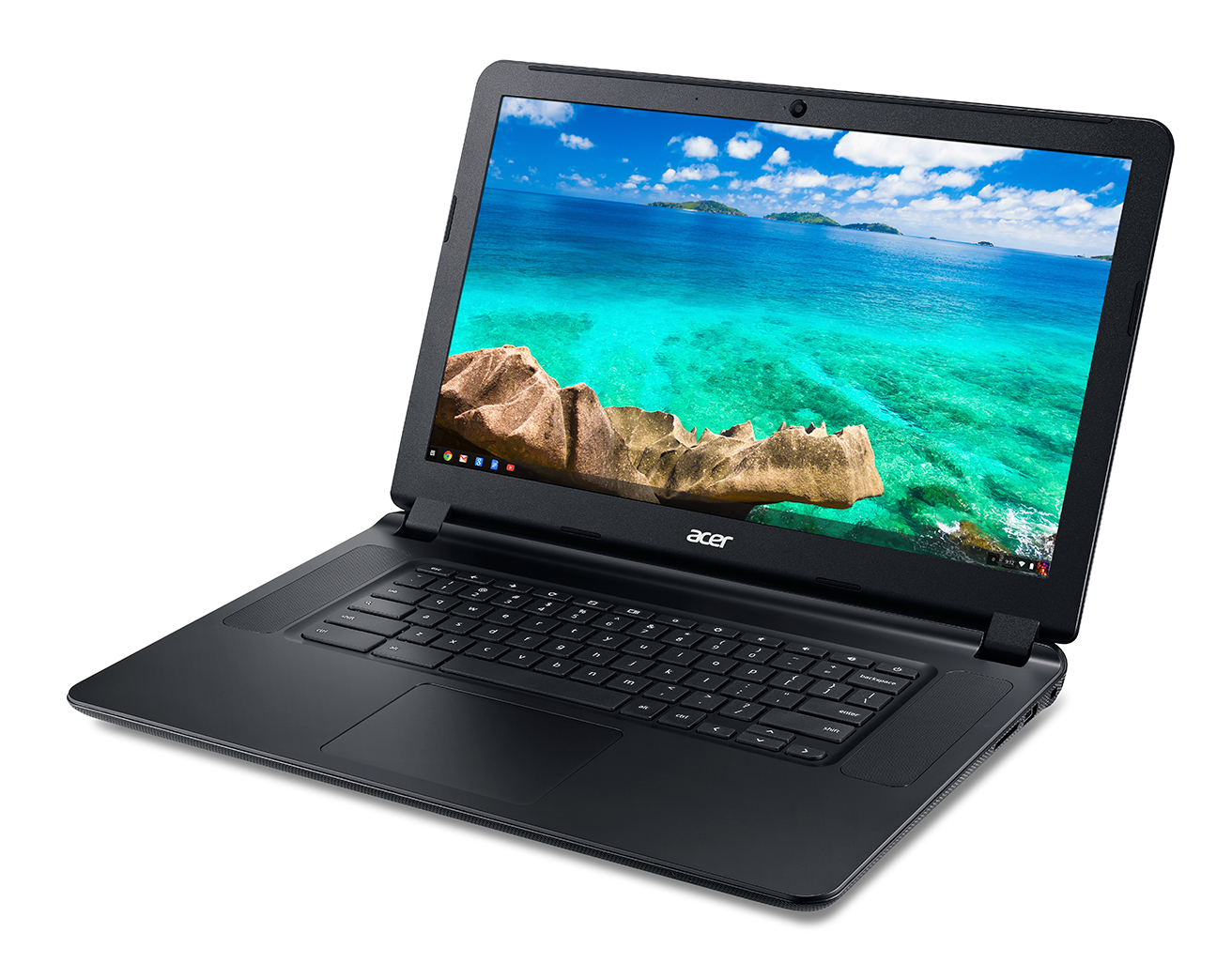
Acer announces C740 and C910 Chromebooks for education
Chromebooks are wonderful computers, albeit a bit limited. Sure, some people can get by using them as a full-time machine, but if you need specialized software, a true desktop operating system may be required. With that said, many users live in the browser nowadays, so it makes total sense for them.
Where Chromebooks really shine, however, is in education. You see, Chrome OS is a very secure platform that keeps students safe from malware. Best of all, they are easy to maintain by IT. Today, Acer announces two new Chromebooks designed for education -- the 15.6 inch C910 and 11.6 inch C740.