
Paranoid? Enough to place your privacy in the hands of John McAfee?
Remember McAfee? You know, the company whose AV software you couldn't remove from your computer fast enough after picking up an off-the-shelf model? The firm was founded by the now infamous John McAfee, although he has not actually been associated with it in anything other than name for quite some time now. In fact he has become better known for a series of bizarre incidents that saw him accused of manufacturing drugs, mentioned in association with a murder and becoming a fugitive who was concerned that the police were going to kill him.
Sounds like the sort of person you'd like to make an app for your phone? Well, the man is back and this time he, or at least his company Future Tense, has come up with Chadder -- yet another messaging app. But this is a messaging app with a difference. The focus is, allegedly, on privacy, security and encryption. The company's motto is "Say what you want! ⋇⊮ ≩⋉⊱∪≀ ⋘≫≯⋌∹∦ ≎⋡⋔∪≙∼≉{] (We can’t see it anyway!)". My, those symbols really do trip off the tongue.

Opera 21 adds hardware acceleration, supports full address bar URL
Opera has released Opera 21 FINAL, a major new release of its web browser for Windows and Mac. The notable change in version 21 affects the Windows build only, and sees the browser switch to Aura technology.
Aura provides a hardware-accelerated rendering of the browser, and the Opera development team has concentrated on ensuring it works properly with Opera 21.
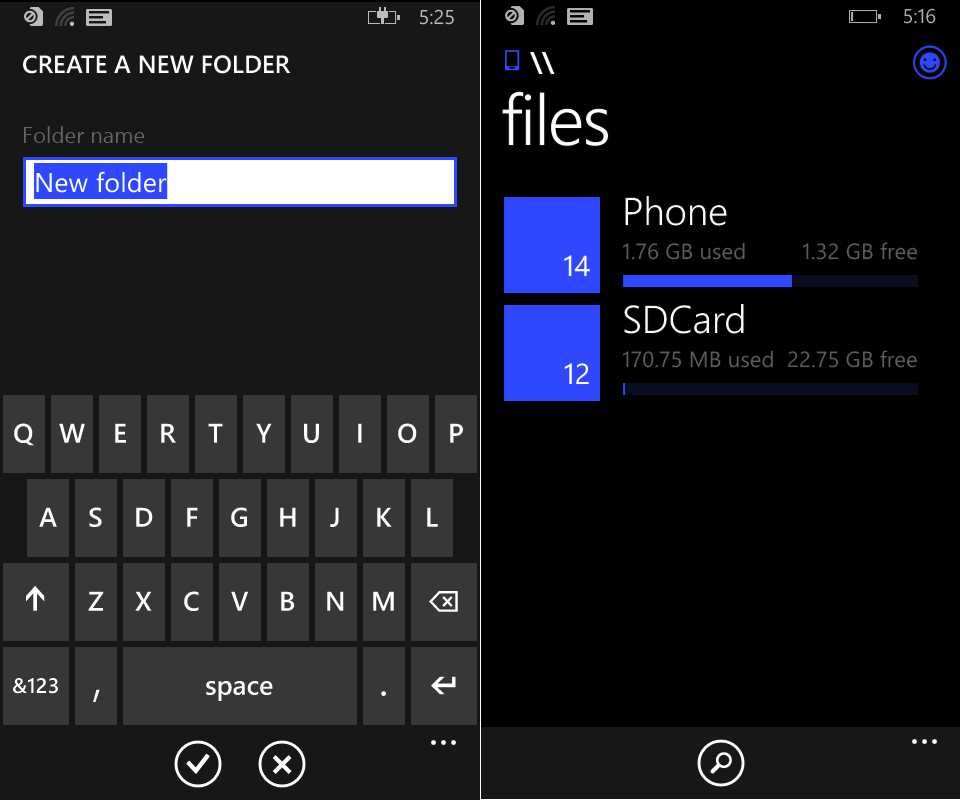
Windows Phone 8.1 to get file manager
[portfolio_slideshow id=234833 size=large autoplay=false random=false centered=true carousel=true navstyle=graphical navpos=bottom pagerstyle=thumbs pagerpos=bottom]
Managing files on Windows Phone is not something every user wants or needs to do, but there are certain use cases where such a feature can come in handy. Personally, I never felt the need to organize my files, as the tiled operating system and apps do a good job at scanning the on-board storage and giving me access to the things I want (music, documents and photos). It is, however, an oft-requested feature.
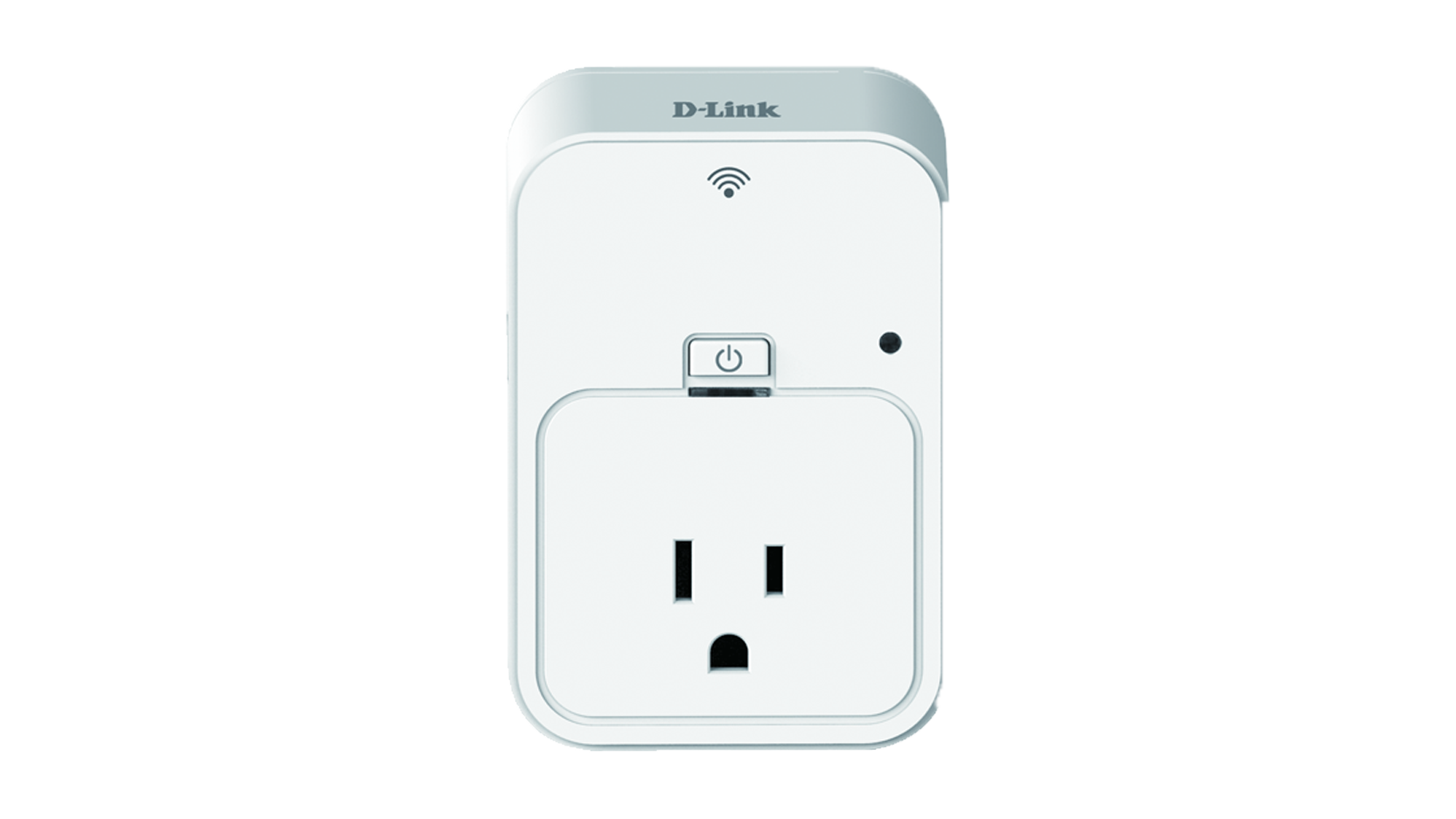
Control everyday household electronic devices with the D-Link Wi-Fi Smart Plug
There are all sorts of home electronic devices that you can connect to the internet and control with an app -- including smart lights, intelligent thermostats and smoke detectors. But what if you don’t want to spend a fortune replacing your old devices?
D-Link’s new Wi-Fi Smart Plug (DSP-W215) solves that problem. You plug it into a spare socket in your home, connect any electrical device to it, and then use the free mydlink app for iOS and Android to monitor and control the item. Devices can be turned on and off remotely, you can set power on/off schedules, and monitor your home energy usage. The Wi-Fi Smart Plug also comes with a built-in thermal sensor that will detect when a connected device gets too hot, and automatically turn it off.
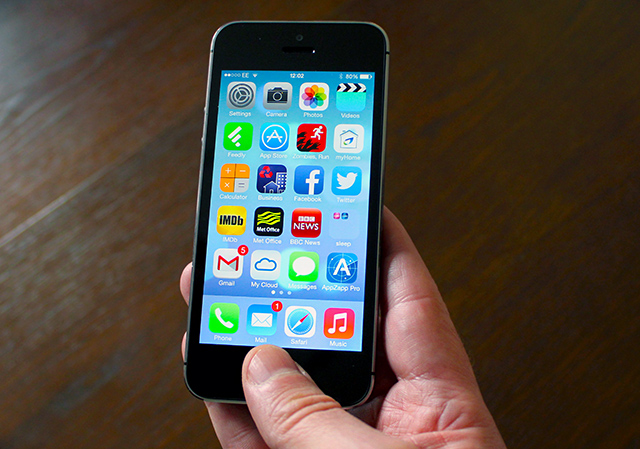
iPhone users are the biggest sexters
If you own an iPhone, you're more likely to be sending risqué messages to your significant other -- or at least that's the finding of a new survey.
The poll, conducted by YouGov and commissioned by insurance2go.co.uk, found that a third of iPhone owners -- over 30 percent -- had sent a rude text to their partner (or indeed, to someone else instead of their partner for one of those truly foot-in-mouth moments).

Lenovo announces N20 and N20p Chromebooks
I think it safe to say that the Chromebook movement has exceeded all expectations. What first seemed like a silly Google experiment has blossomed into a legit Windows threat. As the average home user spends more and more time in the browser, Chrome OS becomes the perfect compliment to their lives. The stars definitely aligned for Google too -- a much maligned Windows 8 and poor economy made a low cost alternative laptop very attractive.
While many top manufacturers such as Dell, Acer and HP have created great Chromebooks, the world has been anxious to see Lenovo deliver a consumer model. After all, that company is synonymous with quality. Well, today is that day and the manufacturer has done it in epic fashion, by delivering two models. While the N20 ($279) is rather typical, the N20p ($329) is a multi-mode, touch-screen variant that has my heart aflutter.
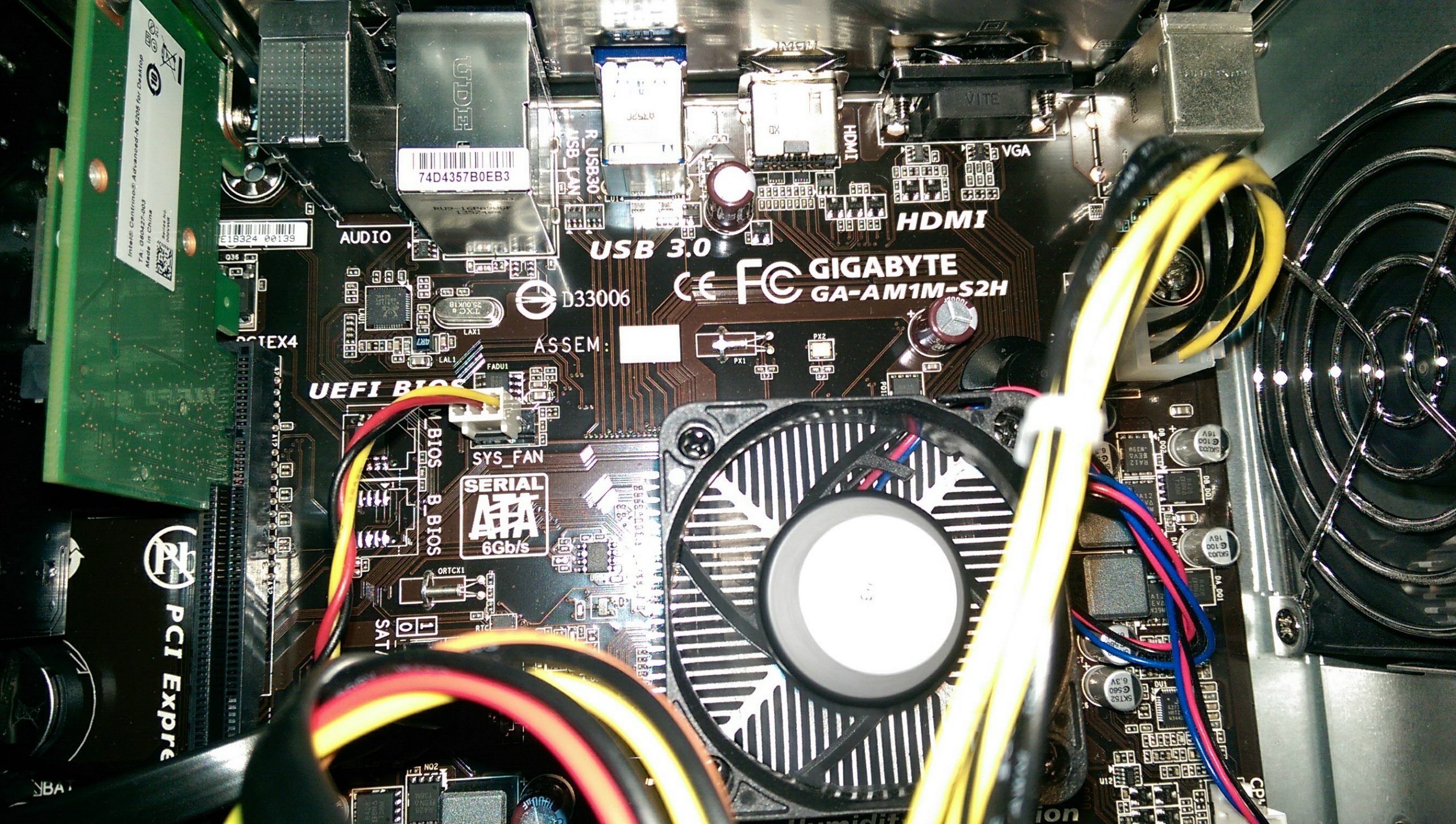
AMD AM1 platform -- build a great PC without hurting your wallet [Review]
Money is the key to solving many of life's problems. If you have cash, you can just throw it at your problems and like magic, they go away. Computer-building is the same way. I mean, if you want a nice computer, you only need to buy quality parts. However, throwing money at a system-build is the coward's way. For a system build to impress me, it should be a mix of power and value. Most importantly, it shouldn't be wasteful. For example, if you buy 16GB of RAM and dual graphics cards to run in SLI, but all you want to do is surf the web, you have failed. You should have saved some money and built a more tame computer. Now, there is nothing wrong with planning on the future and building for perceived possible future needs, but it is easy to overdo it.
When I first caught wind of AMD's AM1 platform, I was immediately intrigued. Like I said, I am impressed with value and this new platform certainly meets that criteria. If you aren't familiar, the AM1 platform is socket-upgradeable and extremely affordable. The system I have been testing has a motherboard that sells for $35 and a processor (APU) that costs $60 and that is on the higher end of the platform! Excited? Read on.
Healthcare.gov: How Washington's IT project Leviathan failed us, and here's how we fix a broken system
Government IT projects have a tendency to fall on their rear ends more often than not. After the miserable debacle that was Healthcare.gov last October, I made the case for why the larger than life public face of Obamacare had zero chance of succeeding in original form. Fast forward six months, and after some contractor firings and a public about face consisting of a "tech surge", the website is finally working at nominal levels.
That's not to say no one didn't take the fall for the mess of this bungled IT project gone haywire. The former head honcho of the US HHS, Kathleen Sebelius, had no choice but to step down and take the hushed blame for the mess that unraveled under her command. Publicly, the story goes that she stepped down on her own will. Behind the scenes, I highly doubt this was the entire story.
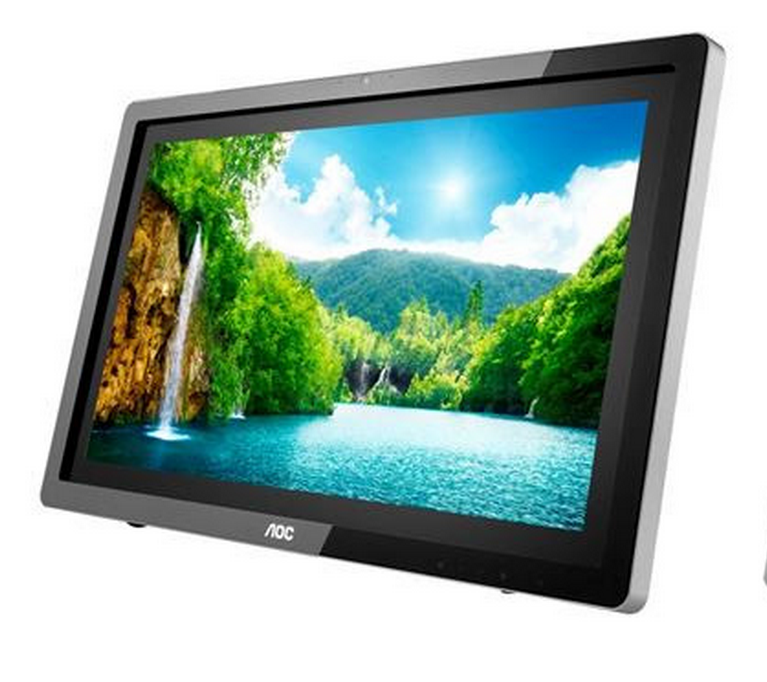
AOC launches two Android-powered mySmart All-in-One desktops
When desktop computing is discussed, there are typically three major operating systems mentioned -- Windows, OS X and Chrome OS. As great as some Linux distributions are, they still are not mainstream enough to be considered by most home users. However, besides Chrome OS, there is another Linux-based operating system which could be a future desktop option -- Android.
True, Android is mostly a mobile OS, for tablets and phones. However, there have been Android-powered desktops and laptops in the past, but they haven't lit the world on fire. Today, respected monitor manufacturer AOC is launching two new Android-powered all-in-one desktops in 22 inch ($299) and 24 inch ($399) variants. Should home users consider them?
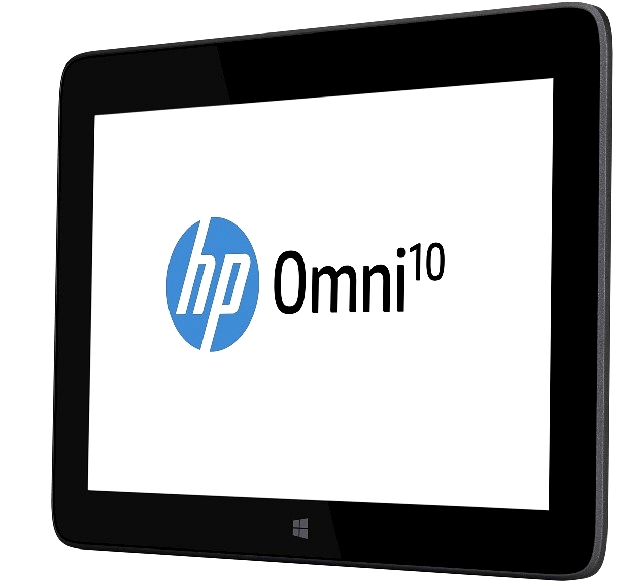
HP Omni 10: A good-value Windows 8.1 tablet [Review]
So far HP’s approach to tablets has been pretty clear cut, choosing Android for its low-cost 7-inch to 10.1-inch tablets, and Windows for its more premium-priced 11.6-inch and 13-inch convertibles. With the Omni 10, however, the company is really shaking things up. First, it’s a 10.1-inch tablet at the kind of price point where you used to find Android models only. Second, it’s running full-fat Windows 8.1, not Windows RT, with a quad-core Bay Trail processor and a full HD screen.
It’s as if HP has realized what other Windows 8 tablet manufacturers have struggled to come to terms with: That it’s not enough to produce a tablet with low-end specs and high-end pricing, and expect that people will buy it just for the chance to run Windows and use Office. You need to produce something that competes with its Android rivals on every level, including the screen, the performance and the price.

Amazon now lets customers purchase from Twitter
Great news everyone! Spending money on the internet will be getting a bit easier. As if one-click purchases were not enough, Amazon now wishes to make it even easier to lighten your wallet by a bit, introducing purchases through Twitter.
You can’t actually complete the deal this way -- yet -- but you can get the item into your cart, where it will await your next move.
Symantec unveils its roadmap for Advanced Threat Protection
With targeted attacks on the rise and cybercriminals becoming more ruthless, traditional security solutions are struggling to cope with the number of incidents and false positives, leaving organizations vulnerable.
In a bid to provide improved security Symantec has announced a roadmap of solutions aimed at providing what it calls Advanced Threat Protection.

Do Not Track: Stop using Yahoo if you're concerned about privacy
It has been mentioned here and there, but to be honest I am very surprised that more of a stink has not been kicked up about Yahoo's announcement last week. Quietly slipped into a blog post by the slightly ironically named Yahoo Privacy Team, the web firm announced that "Do Not Track settings will no longer be enabled on Yahoo". Yep, sod privacy, Yahoo is more concerned with delivering "A Personalized Experience" -- Yahoo's capitalization, not mine.
Do Not Track has been around for a few years now -- interestingly, Yahoo was one of the first companies to start using it -- and it makes it possible for users to prevent websites from monitoring their online activities. It's a feature that is supported by a number of browsers, either as a built in option, or one that can be added through the use of an extension, and it is something that has been welcomed by privacy groups all over the world.
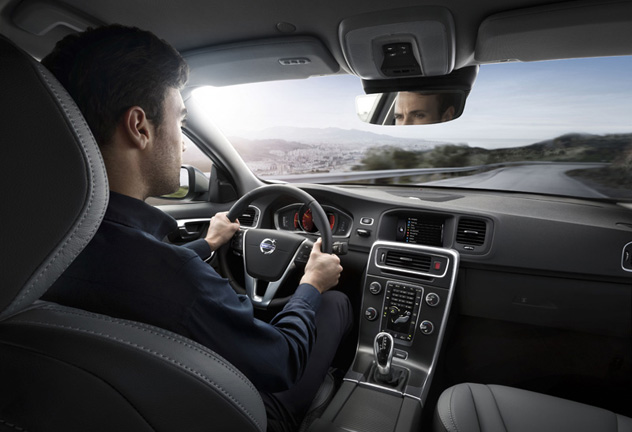
Nokia bets $100 million on 'connected' car tech
Even though the Nokia name will (still) be associated with phone making for years to come, the Finnish company is also known, albeit to a lesser extent, as a player in the telecommunications equipment and automotive markets, through its NSN and HERE businesses, respectively. And it is not shying away from revealing the path it wants to pursue, following the recent sale of its Devices & Services business to Microsoft.
It should come as no surprise that Nokia is willing to bet on car tech, as it has already introduced a couple of automotive products, like HERE Connected Driving. To grow its portfolio, Nokia just announced it has set up a $100 million fund which "will be used to invest in new opportunities around the automotive mapping and location ecosystem".

Millennials more likely to use mobiles when shopping
We all know that technology is changing the way we shop through the ability to buy more of our needs online.
But a new study of millennial shoppers by point of sale technology specialist Merchant Warehouse shows that this particular generation has higher expectations from the shopping experience and is more likely to use mobiles in the process.