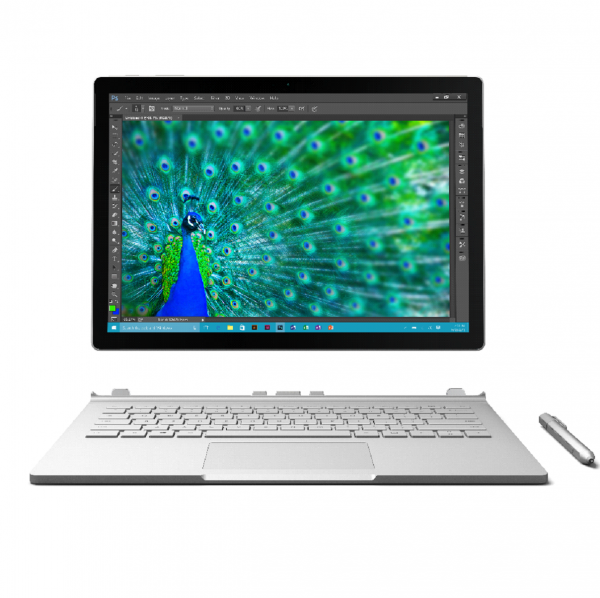
Microsoft's Surface Book goes on sale in the UK
Surface Book, Microsoft’s hybrid laptop/tablet combo, officially launches in the UK from today.
If you're not familiar with it, the device has a detachable screen, a hinge that divides opinion (some people think it looks great, others hate it), and enough power to suit most users’ needs. It has a 13.5-inch PixelSense touchscreen display with a 3:2 aspect ratio that makes it great for getting "real work" done.
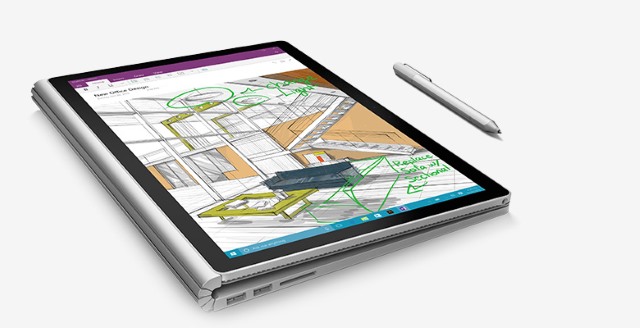
New drivers and firmware fix Surface Pro 4 and Surface Book power management problems
Both the Surface Pro 4 and Surface Book have been well-received devices on the whole, but there have been complaints from some users about power management. A failure to properly enter sleep mode has been causing not only battery drain, but also heat issues -- now Microsoft have issued fixes.
Starting today, new drivers and firmware updates are rolling out that address these problems as Microsoft says it continues to listen to user feedback.
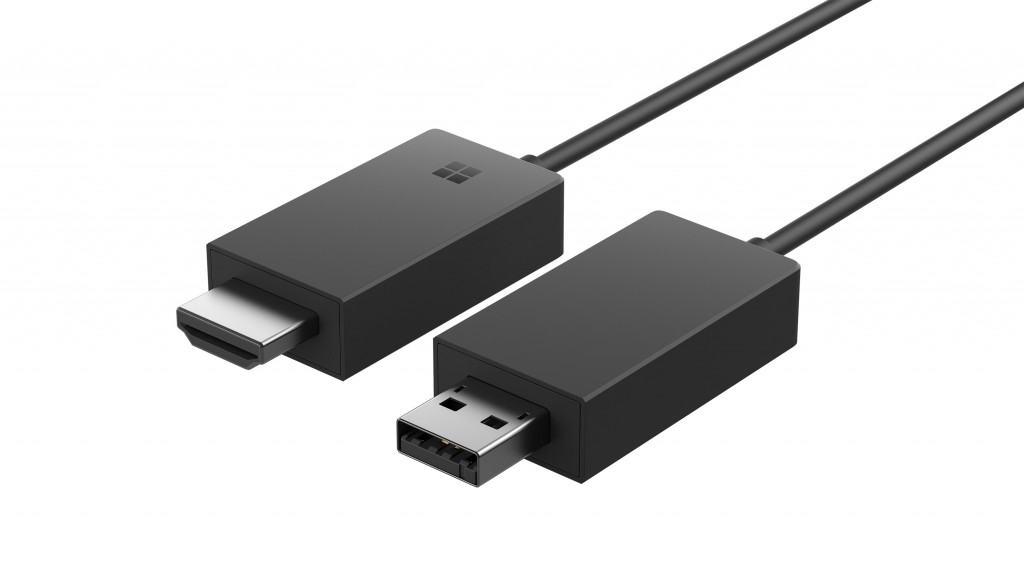
Microsoft announces a new Windows 10-friendly Wireless Display Adapter
Microsoft launched its original Wireless Display Adapter back in 2014. The accessory allows anyone to wirelessly beam content from a Miracast-enabled device -- be it a tablet, smartphone or laptop -- directly to a big screen TV. It functions in a similar fashion to the Chromecast, but while Google's dongle works best with apps that support it, Microsoft's product uses Miracast technology and doesn't require individual app support.
Today the tech giant announces plans for an updated model. So what’s changed?
Windows 10 to be installed on 4 million US Department of Defense computers
Microsoft keeps shouting about the millions of users that have switched to Windows 10, and soon the company will have another 4 million to bray about. The US Department of Defense is the latest big name to give Windows 10 the seal of approval apparently unconcerned with the privacy and telemetry issues that have put off others.
4 million enterprise upgrades for Windows 10 is a real feather in the cap for Microsoft, and the aim is to get each system running the latest version of the operating system inside a year. The DoD has also announced that it is granting certification to Surface 3, Surface Pro 3, Surface Pro 4, and Surface Book devices, meaning that they now appear on its Approved Products List.

Windows 10 Mobile to roll out starting soon (hopefully)
Believe it or not, Windows 10 Mobile is already three months old. Microsoft introduced its new smartphone operating system to the public in late-November, last year, when it released Lumia 950 and Lumia 950 XL. However, an update to Windows 10 Mobile for older devices has yet to make an appearance, forcing users to join the Windows Insider program to sample the goods.
We first heard that Windows 10 Mobile would roll out for popular Windows Phone devices in December, but just before the end of the year Microsoft announced that users would have to wait a bit longer. Now, we have a new official estimate -- is third time the charm?
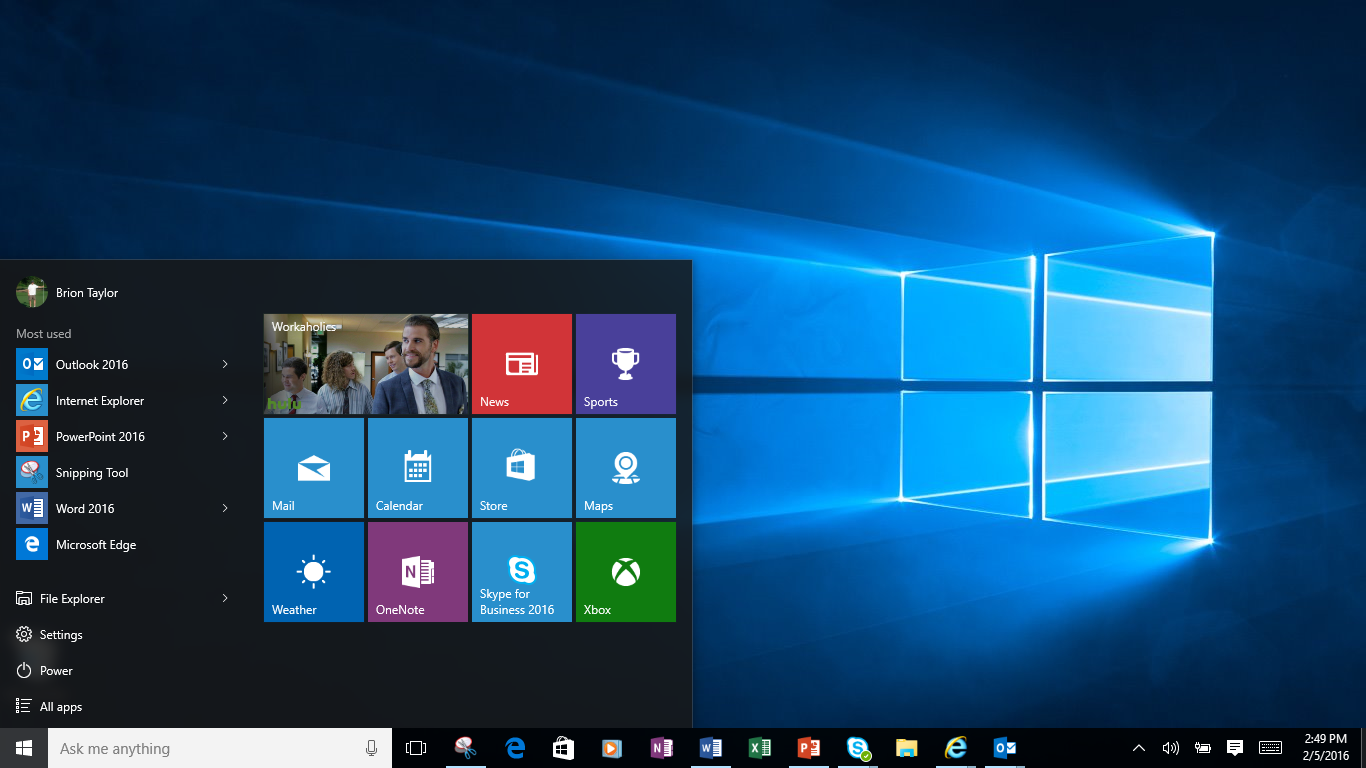
Microsoft releases KB3140742, a hidden update that takes Windows 10 to build 10586.112
Microsoft has been busy pushing new versions, or builds, of Windows 10. The company is still in an effort to get things right. Some patch holes, while others bring noticeable improvements to all of the "rings". But what if Microsoft hid an update from users? That's apparently the case from what we are finding out.
A new Knowledge Base update, specifically KB3140742, can take your Windows 10 installation to the next level, or it could potentially cause you endless problems. There's likely a reason it isn't released yet, so be cautious with this one.

Microsoft's Lego-like PC makes upgrading super-easy
Part of the reason the PC was originally so successful is down upgradability, and that’s still a factor today. If your computer starts to run a little sluggish, you can always add more RAM, or swap your HDD for an SSD. Some PCs are easier to upgrade than others, but Microsoft is looking into a way to make upgrading so easy that absolutely anyone could do it.
The idea is a modular computer that consists of magnetic units that you can snap off without the use of tools and replace with newer, better components. Not unlike building a PC from Lego.

Has Windows 10 reset your default apps back to Microsoft stock?
Yesterday, The Inquirer reported on how Windows 10 was resetting some changed app defaults back to Microsoft’s own bundled universal apps.
In the primary example given, image viewer Irfanview was displaced by Windows 10’s own Photos app, a change that had been instigated, it seems, by cumulative update KB3135173.
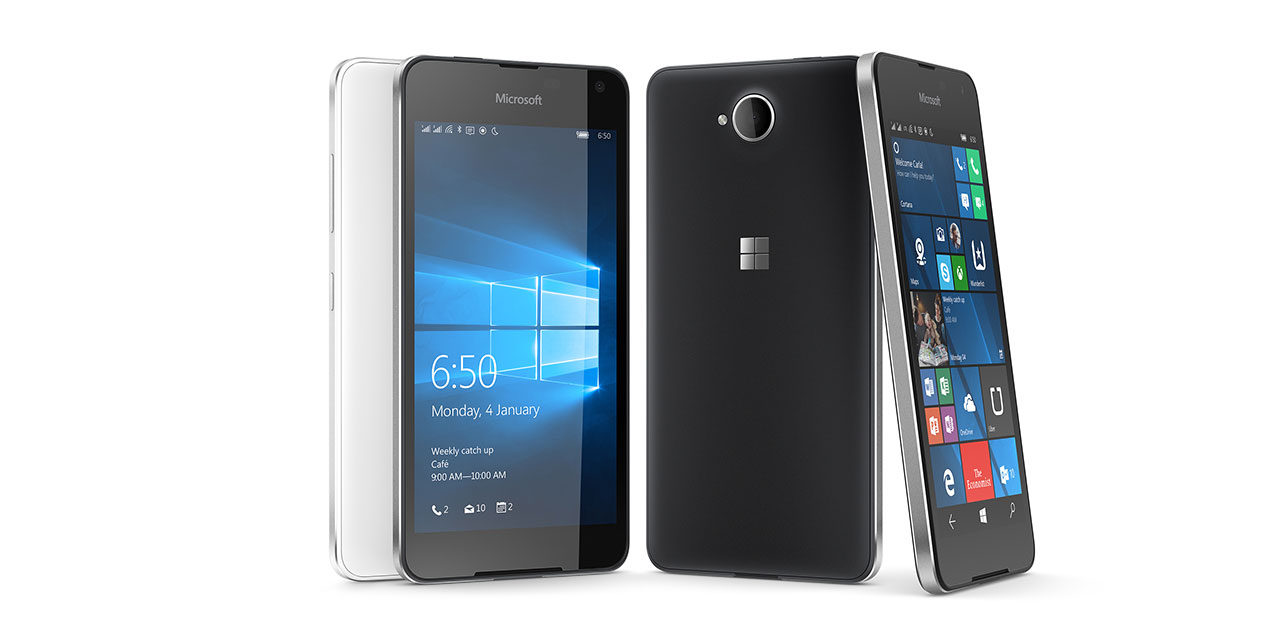
Microsoft Lumia 650 is an affordable Windows 10 Mobile device, but does a missing feature make it a fail?
When Microsoft purchased Nokia's handset business, it was viewed by many as a way to stop the Finnish company from defecting from Windows Phone. In other words, Microsoft may have thrown money at a problem to prevent embarrassment. Since the purchase, Lumia hardware has been fairly beautiful and affordable, but sales have continued to be abysmal, while Windows 10 Mobile has seen delays.
Despite dark skies in Lumia Land, today Microsoft cranks out yet another handset. The Lumia 650 body is aluminum, and at $199, the phone is affordable too. Unfortunately for Microsoft fans, there is a huge catch that, for many, could make this business-focused smartphone worthless.

How much do you know about telemetry and privacy in Windows 10... and how much do you care?
Privacy concerns about Windows 10 have existed since the moment the operating system was released. Endless virtual column inches have been spawned from fears about the telemetry features Microsoft employs, and a small cottage industry has sprung up creating tools that disable 'spying' features. But for all of the words that have been spilled, how much does the average user know -- or indeed care -- about privacy issues, data collection and the like?
There's one thing that just about everyone can agree on: Microsoft did a terrible job of communicating information about data collection in Windows 10. We also know that the mere existence of data collection features has irked a lot of people. Microsoft listened to enterprise users and made it possible to completely disable telemetry in Windows 10 Enterprise, but the same courtesy has not been extended to home users. Are you bothered by this?

Microsoft is slowly conquering Android
Microsoft may not have a strong presence in the smartphone market as a vendor, but the software giant is trying to make a splash in a different way, by partnering with other players to make its mobile apps available on as many devices as possible. And it stands a very good chance of making serious inroads.
Microsoft has so far teamed up with 74 companies, in 25 countries, to ship its apps on their Android smartphones and tablets. The latest major player to partner with Microsoft is Acer, which will preload some of the software giant's most-prominent Android apps.
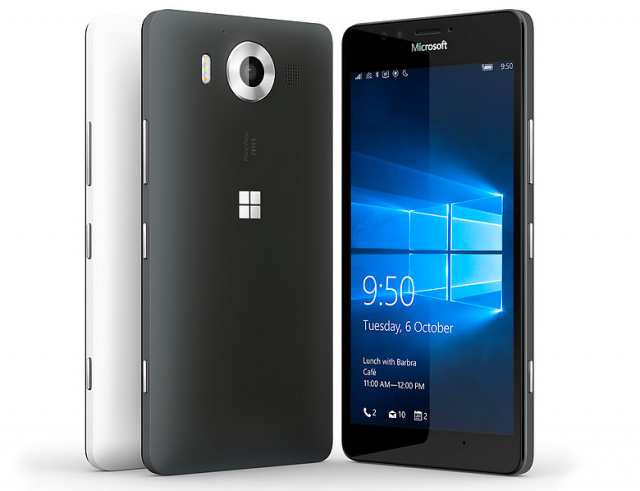
Microsoft introduces Windows 10 Mobile update history page
Microsoft has decided to give more information about the updates it releases for Windows 10 by introducing a dedicated update history page on its site, where you can check all the major changes that the software giant includes. And, so that users of its new smartphone operating system are not left in the dark either, Windows 10 Mobile now also gets the same treatment.
However, before you get too excited, just like the update history page for Windows 10 is not exactly filled with all the relevant information you might need, the update history page for Windows 10 Mobile is not yet ready for prime time either.
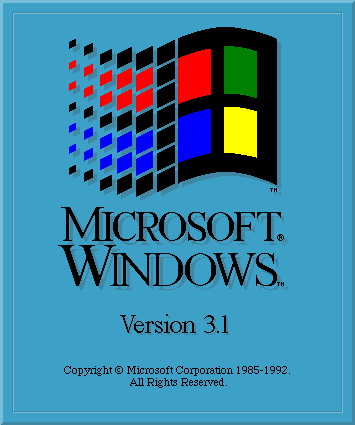
The Internet Archive now lets you run over 1,000 Windows 3.1 programs in your browser
Windows 3.1 was the first version of Windows I ever used. The Internet Archive, which has over the past couple of years made it possible to play classic DOS games and console games in your browser, has just added over 1,000 Windows 3.1 programs to its catalog.
These include games, utilities and business software, and each can be run in your browser just by clicking on them.
Microsoft announces a third ring for Windows 10 Insiders -- 'Release Preview'
If you’re a Windows 10 Insider you currently have the choice of being in either the Fast or Slow rings. The Fast ring is used for cutting edge -- and potentially more buggy -- builds, while Slow ring releases tend to be pushed out less frequently, but are proven to be more stable.
Which ring you choose depends on how desperately you want to try out new builds -- it’s safe to say Fast ring releases aren’t really suited for use on your main PC. However, from today there’s now a third choice available to Insiders, and that’s the Release Preview ring.

Microsoft Edge's InPrivate mode no longer records your browsing history
When you use a browser's incognito mode you expect it to keep that browsing session private. That is its purpose, after all, to let you access websites without saving any data or information that might be used to trace your visits from the browser. Thing is, at least in Microsoft Edge's case, its InPrivate mode has not exactly worked as advertised -- in fact, it did not work at all.
Microsoft Edge's InPrivate mode is a "privacy nightmare", as my colleague Mark Wilson puts it. Instead of completely ignoring your session, Microsoft Edge actually records your browsing history, making it possible for others to find out exactly which websites you have accessed. However, the software giant now claims to have addressed this privacy issue in the form of a new Windows 10 update.