
Security time bomb: Businesses are not ready for the end of Internet Explorer 8, 9 and 10 support
The end of support for older versions of Internet Explorer has been known about for some time now. Despite the fact that there has been plenty of time to prepare for a move away from Internet Explorer 8, 9 and 10, many businesses are simply not ready and security experts warn that this could lead to a spate of attacks from hackers.
Microsoft has been encouraging people to move to Internet Explorer 11, or Edge in Windows 10 for a while, and the countdown comes to an end tomorrow -- 12 January. From this point forward, there will be no more patches or security fixes issued. Security analysts fear that with Internet Explorer 9 and 10 accounting for 36 percent of IE and Edge use, and with more than 160 vulnerabilities discovered in Internet Explorer in the last three years, there are risky times ahead.

Windows XP Embedded Service Pack 3 dies tomorrow
Products, no matter how much we may like them, don't last forever. You don't want to be the person keeping a batch of Palms in the freezer for future use -- and there are people who do that. Product cycles run their course and technology moves forward.
Microsoft customers, in some cases, move forward very grudgingly. That's especially true of business, particularly ones who had to be dragged off of IE 6 -- they now need to be dragged even further from that comfort zone.
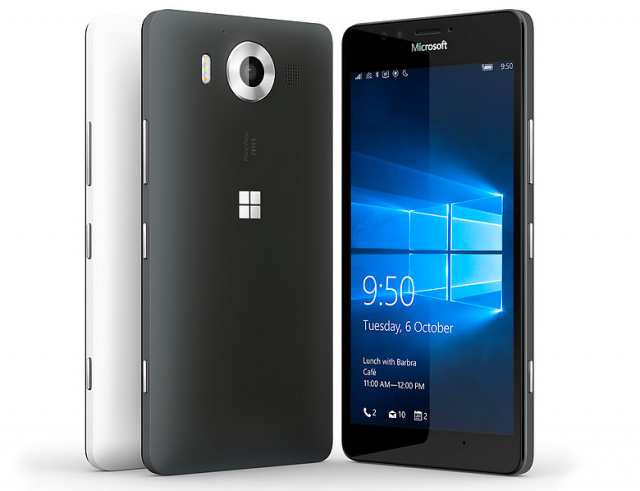
Microsoft kicks off 2016 with a problematic Windows 10 Mobile build 10586.63 launch
Microsoft has promised that Windows Insiders get Windows 10 builds faster in 2016, and it's Windows 10 Mobile users who get the first release of the new year. It's a few weeks since the release of build 10586.36 and now build 10586.63 is available for those on the Fast Ring.
You might expect from the relatively small jump in version numbers that this is something of a minor update -- and you'd be right. But despite the somewhat trifling nature of the changes, this release is noteworthy for a fluffed launch.
Microsoft Intune update will improve Windows 10 support
Microsoft will release a service update to its Intune management software within the next week, introducing a number of new features and enhancements.
A large part of the update will be dedicated to Windows 10 support, ensuring that Intune is optimized for a number of features native to Microsoft’s new operating system.
Microsoft will sell mobile data plans to Windows 10 users
Windows 10 users will soon be able to purchase mobile data plans directly from Microsoft. The software giant says that this option will be introduced to make it easy for its customers to have Internet access in areas without Wi-Fi coverage.
The mobile data plans will be offered via the Cellular Data app that Microsoft has published in Windows Store. To take advantage of this offer, Windows 10 users will need to get a Microsoft SIM card first.
If you're fine with Microsoft's approach to privacy in Windows 10, you're out of touch
Yeah, I'm going to bang that drum again. We've talked endlessly about privacy and telemetry in Windows 10. Endlessly. It's brought up some interesting issues for debates, led to comparisons between Microsoft and Google, and lots and lots of lots of bile. A case in point is an article from dear, dear Mr Ed Bott over on ZDNet. Mr Bott refers, subtweet style, to my recent article about Microsoft recording how long people are using Windows 10.
He refers -- albeit indirectly -- to me (and writers like me who question Microsoft) as a "dedicated Microsoft hater" and a "clueless writer" peddling in clickbait. He suggests I'm not interested in facts; this despite the fact I have gone out of my way to garner such delights from Microsoft. Bott completely -- COMPLETELY -- misses the point. I can only hope he does so on purpose because otherwise he just sounds disingenuous and a bit stupid. The problem here is not that Microsoft is gathering data (as it is perfectly entitled to do so), but the lack of transparency surrounding it. Microsoft does nothing to help itself.
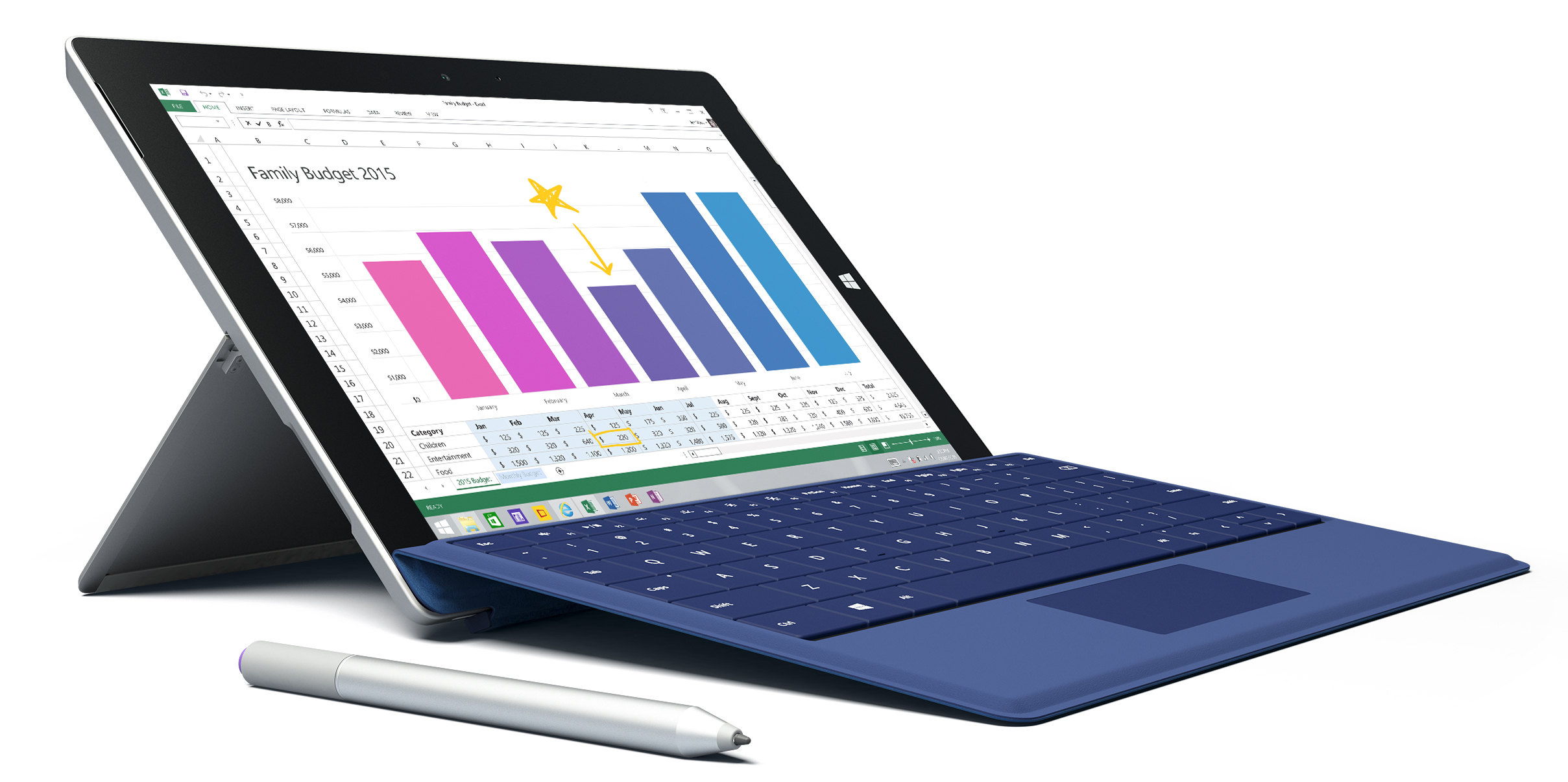
Australian university to hand out Surface 3 to students
Microsoft is doing its best to push its line of Surface products out there to businesses and students, even getting prominent placement in NFL games (though announcers still sometimes refer to them as iPads). The Surface Pro is on its 4th generation, but for those who don't need quite as much power, there's the Surface 3 which has a smaller screen and isn't as capable, but which costs a fraction of the price of its bigger siblings and still runs Windows 10.
It's perfect for education uses, which is why Western Sydney University in Australia is handing out 5,000 Surface 3 slates to its students.
Insiders should see new Windows 10 builds next week and faster releases through 2016
The first week of the New Year is out of the way and Windows Insiders are eagerly awaiting the first Windows 10 build of 2016. The waiting may be over soon, as Microsoft says that it should be just "a few more days" before testers' patience is rewarded.
It's only a few weeks since the Redstone branch of Windows 10 became public, and Microsoft's Gabe Aul suggests that a new build could be on the way next week. The Windows 10 team just needs time to recover from Christmas and the New Year, and then we should also start to see more frequent build releases.

Facebook, Google, Microsoft, Twitter and Yahoo balk at UK's Investigatory Powers Bill
The Investigatory Powers Bill may only be in draft form at the moment, but the UK government has already come in for criticism for its plans. Today, scores of pieces of written evidence, both for and against the proposals, have been published, including input from the Reform Government Surveillance (RGS) coalition.
Five key members of the coalition are Facebook, Google, Microsoft, Twitter and Yahoo. In their written evidence, the quintet of tech companies express their concerns about the draft bill, seek clarification from the UK government, and issue warnings about the implications of such a bill.
Predictions #2 (and 3?): Microsoft and Apple hit walls
It isn’t easy being huge as both Apple and Microsoft are starting to realize. Both companies are incredibly successful and I’m not here to say either is in real danger, but both are suffering major structural challenges that will hurt them in 2016. What’s key for these predictions is how they respond.
I’ll deal with Microsoft first because there the challenges and solutions are both clearer than they are with Apple. I’ve been very impressed with Microsoft CEO Satya Nadella who I think hasn’t saved the company, because it didn’t need saving, but he’s a real improvement over Steve Ballmer. Nadella has done the best he can to get Microsoft in order and reinvigorated, not an easy job. His major remaining challenges involve Windows Phone and Windows 10.
Microsoft explains how it uses Windows 10 Insider feedback with 'Made by you' articles
The Windows Insider program was designed to help anyone test driving preview builds of Windows 10 to provide feedback and help shape the future direction of the operating system. But what happens with all of the feedback that's submitted?
Microsoft is starting to publish a new series of articles to the Insider Hub that seek to assure people that their feedback is not just disappearing into a black hole. The 'Made by you' sees Microsoft providing feedback on feedback, and helps to give Insiders some reassurance that their input is valued. The first article is about how Windows 10 handles display scaling.
How to fix error 0xc0000017 when installing Windows 10
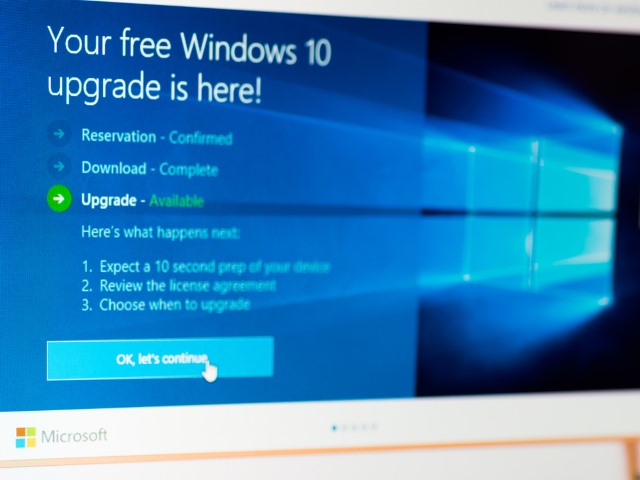
While I've been running Windows 10 for what seems like forever now, a desktop computer sitting in my office running Windows 8.1 has been crying out for an upgrade for some time. Having had a problem-free upgrade on three other machines, I expected nothing out of the ordinary with this computer. I was wrong.
Initially I left Windows Update to do its thing, but this failed on countless occasions. The error message suggested that a problem with my internet connection had interrupted the download, but this seemed unlikely. After numerous attempts, I decided to opt for a USB-driven installation. This also failed, this time with error 0xc0000017: "There isn't enough memory available to create a ramdisk device". Thankfully, the problem can be fixed -- here's what you need to do.
How to stop Microsoft nagging you to switch to Internet Explorer 11 or Microsoft Edge
All good things must come to an end. But the same can be said about bad things, and many people will be pleased to hear the death knell sound for Internet Explorer 8, 9, and 10. While Microsoft may be keen for people to use Edge or -- if they must -- Internet Explorer 11, not everyone feels the same.
With the likes of Firefox, Opera, and Chrome available, it might seem like madness that anyone would like to stick with an ancient version of Internet Explorer instead, but choice is everything. A patch that is due to be delivered to Internet Explorer 8, Internet Explorer 9, and Internet Explorer 10 in the coming day will introduce a nag screen that will pester users into upgrading. If you're happy with your decision to stick with an older version of IE, here's a hack to banish the pestering.

Microsoft poised to deliver a fatal blow to Internet Explorer 8, 9 and 10
In less than a week, Microsoft will only offer support for Internet Explorer 11 and Microsoft Edge. As of Tuesday 12 January, Internet Explorer 8, 9 and 10 will die. The aging browsers will receive one more update, and then will be consigned to the trash.
Tuesday is the day that older versions of IE reach the end of their support cycles, and Microsoft is keen for everyone to move to either Microsoft Edge or -- for the diehards -- Internet Explorer 11. If you have not already made the switch (or jumped to Chrome or Firefox), one more patch, KB3123303, will pester you into upgrading.
Samsung takes aim at Surface and iPad Pro with Windows 10-powered Galaxy TabPro S
Many people decry Samsung's design choices for copying Apple. As much as I love Samsung products -- the company makes great phones, washing machines, televisions and more -- I cannot defend against those claims. With that said, if you are going to borrow design philosophies from any company, Apple is a good choice.
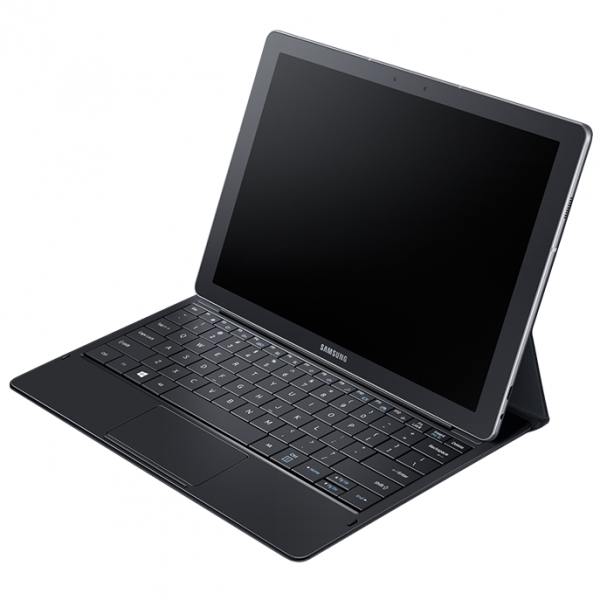
Today, Samsung announces the Galaxy TabPro S -- a large tablet that is reminiscent of both Apple's iPad Pro and Microsoft's Surface line. The company had previously released the Galaxy Tab Pro, but that large tablet ran Android and was a dud with consumers. This time, the "S" variant runs full Windows 10, like the Surface, but with no kickstand and a keyboard a bit more like the iPad Pro in its connectivity. Obviously, the trackpad and key-type is more Microsoft than Apple. Regardless of design inspiration, it looks like a winner.