Oops! Microsoft confirms Windows 11 media creation tool is broken for Windows 10 users
Tomorrow, October 14, is the day on which Microsoft ends mainstream support for Windows 10. As such, there is a lot of interest – perhaps not quite as much as Microsoft might like – in switching to Windows 11 and potentially using the Windows 11 media creation tool.
So, the news from the company that the “Windows 11 media creation tool might not work as expected on Windows 10” could not really have come at a worse time. Microsoft has some advice and help for anyone affected by the malfunction, however.

Oreon 10 gets a timely update as Windows 10 reaches its end of life -- download the alternative operating system now!
Windows 10 reaches its end of life in a couple of days, on October 14, 2025. Users who haven’t yet upgraded to Windows 11, perhaps due to compatibility issues with older hardware or a general dislike of Microsoft’s new OS, now face a choice between running an unsupported system without ongoing security updates or moving to a new operating system.
Alternatives include Linux distributions like the recently updated Ubuntu and Linux Mint, both of which are popular choices and for good reason. We’re big fans of Oreon 10, a Linux distribution designed for Windows users, and it has just rolled out a new feature update, Build 2510, in time for Windows 10’s end of life.
Windows 10's end of life is only days away -- WhyNotWin11 explains why your PC may not qualify for Windows 11
It’s been a long time coming, but Windows 10 is now only days away from reaching the end of its lifecycle, marking the end of updates and security support for one of Microsoft’s most widely used operating systems.
For millions of users still running the OS, this change raises an important question: what’s next? While upgrading to Windows 11 seems like the natural path forward, not every PC meets Microsoft’s stringent system requirements.

Windows 11 installation no longer lets you skip creating a Microsoft Account
With just a week to go until Windows 10 reaches the end of mainstream support, attention is increasingly turning to Windows 11. And with the release of the latest Dev build of the operating system, Microsoft is making changes to the OOBE.
The Out Of Box Experience is what Microsoft calls what most people refer to as the installation and setup process. With the latest changes, Microsoft is closing loopholes used to create local accounts, thereby forcing the use of a Microsoft Account.
Microsoft makes Windows 10 ESU completely free... for a year... for some
With just a month to go until the official end of support for Windows 10, Microsoft has been forced to cede ground. The company will now offer a year of ESU (Extended Support Updates) available completely free of charge, no strings attached, for people living in the European Economic Area (EEA).
While free access to the ESU program is available in other parts of the world, it is only available with conditions. In Europe, these conditions no longer apply.

With Windows 10 support ending soon, Zorin OS 18 Beta arrives as the ultimate alternative to Windows 11
Want to know a secret? If you don’t like Windows 11, you don’t actually have to use it! I know, shocker right? With Windows 10 support ending on 14 October 2025, millions of PCs will soon be left behind. For users who want to keep their existing desktop or laptop, Linux offers another way forward, and Zorin OS is one of the best Windows alternatives around.
Zorin OS 18 has now entered beta, giving Windows 10 users a chance to try a modern desktop that feels familiar without demanding new hardware or chucking you in at the deep end.
Microsoft starts the 30-day death clock for Windows 10
This will all be over soon, we promise you. But for a little while longer you are going to continue hearing about Windows 10. It is something that has been talked about for so long that it would be easy to start to feel numb to any more mentions of the operating system, but the end of support for Windows 10 has reached an important milestone.
Over the weekend, we hit the point of there being only 30 days left. Never one to miss an opportunity to remind users of Windows 10 about the end of support – or, indeed, to suggest upgrading to Windows 11 – Microsoft issued a reminder about the upcoming end of servicing.

Forget Tiny11, Nano11 takes Windows 11 debloating to the next level
Fans of debloating Windows now have another tool to experiment with. NTDEV, the developer behind the well known Tiny11 project, has created Nano11 Builder, a PowerShell script that hacks Microsoft’s operating system down even further.
While Tiny11 already produced a lighter and more flexible alternative to the full-fat Windows 11 install, Nano11 takes things to the extreme by automating the creation of an installer image that is a fraction of the original size.
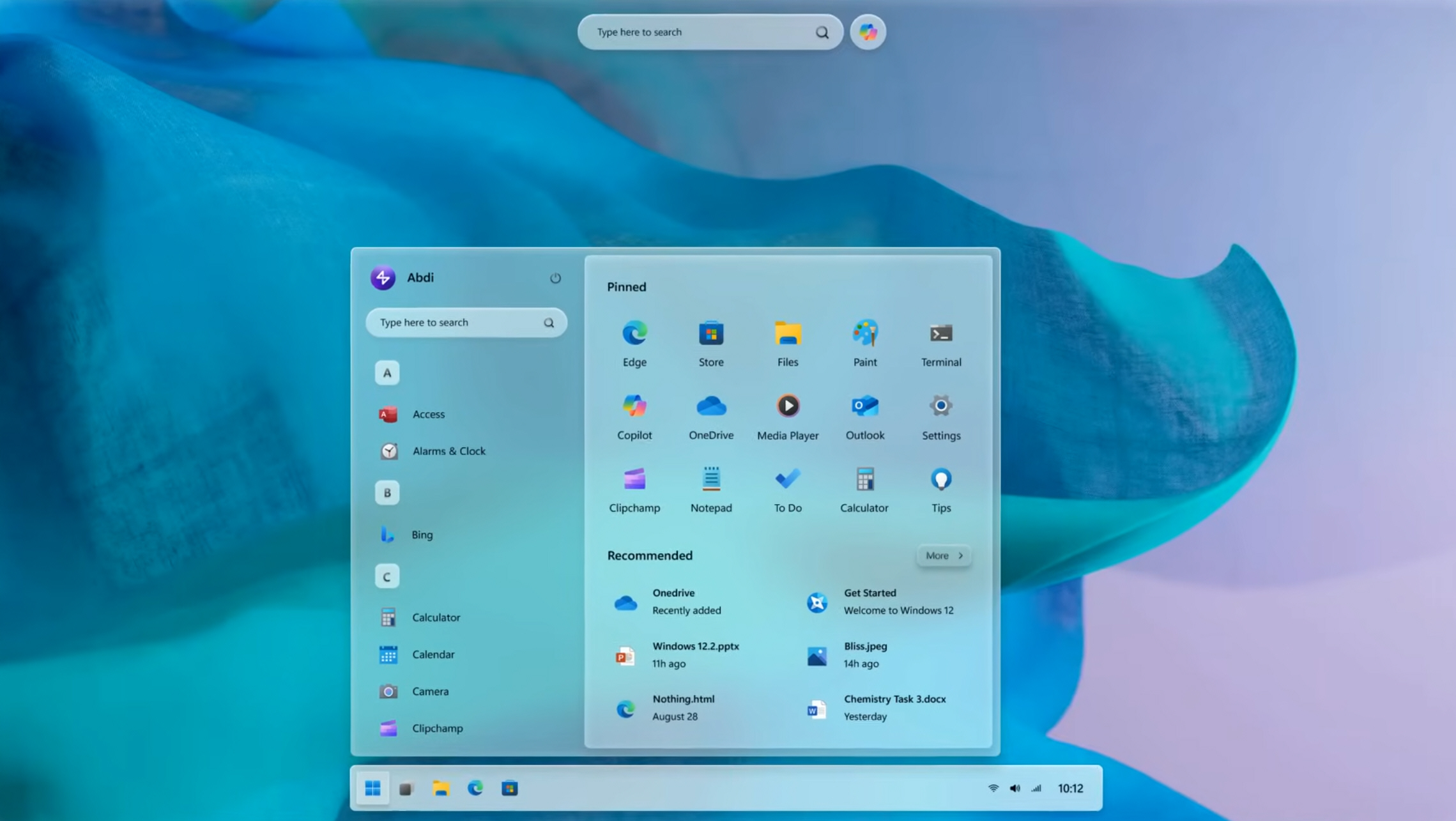
The brilliant Windows 12 is everything Windows 11 isn't -- and the Microsoft OS we deserve
Windows 10 is nearly at its end of life, and while Microsoft would love users to switch over to Windows 11, the truth is a lot of people aren’t keen. That's especially true for those with older hardware who are worried their systems either won’t run the latest OS at all or will struggle with reduced performance and compatibility issues.
It’s perhaps no surprise that the latest figures show Windows 11 actually losing market share.
As Windows 10 reaches end of life, Windows 11 is LOSING market share
Next month sees Windows 10 finally reaching the end of (mainstream) support. Microsoft has been pushing people towards Windows 11 for what feels like forever, and it worked – for a while.
The latest market figures show that this is changing. The statistics for August 2025 from statcounter Global Stats show a marked drop in Windows 11’s share of the desktop market.
Windows 10 support costs could top $7 billion
With support for Windows 10 due to end on October 14th, it’s estimated that there will still be over 120 million PCs running the OS still in use by the deadline.
New analysis from Nexthink warns that with the first year of extended support costing $61 per device, organizations could collectively be facing a multi-billion dollar bill.
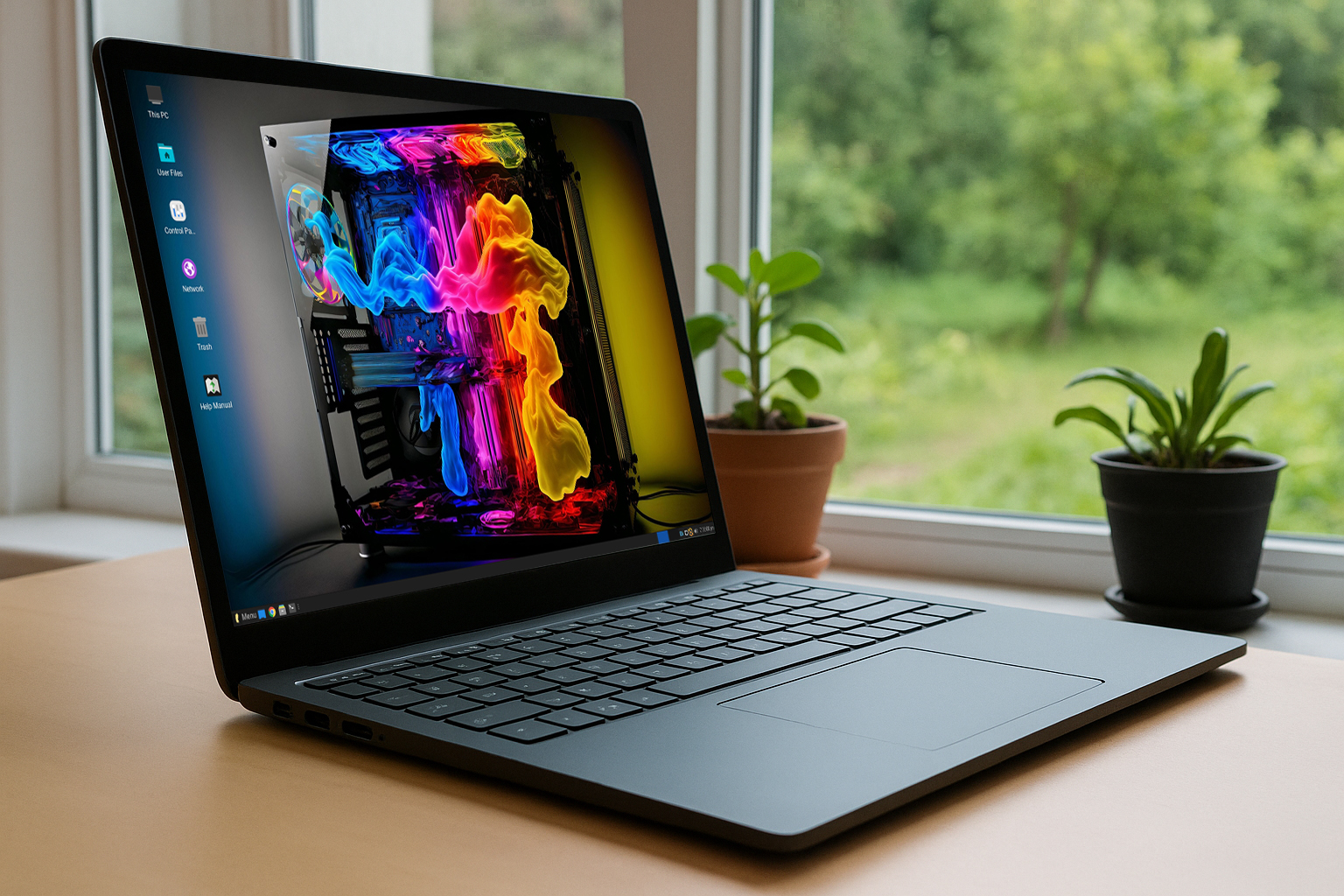
Linux Lite 7.6 is the perfect Windows 11 alternative for older PCs
Linux Lite has released version 7.6, an update to the superb Ubuntu-based distribution aimed at Windows users seeking a simple Linux alternative. If you’re using aging hardware or just fed up with Windows 11, this might be the lightweight Linux distro you’ve been waiting for.
Arriving as Microsoft moves toward ending Windows 10 support, the release introduces a new community-driven Wiki for documentation alongside updates to default applications and desktop tools.

This updated Windows 11 clone is Linux underneath and makes your old PC run faster -- get it now
Windows 10 is edging ever nearer towards the end of its support period, which means no more security patches or updates for millions of PCs. Users will either need to run their systems without protection or upgrade to Windows 11, which has more demanding hardware requirements.
For many older laptops and desktops, Windows 11 is not an option, and this is where Linuxfx comes in. Just updated to version 11.25.09 “NOBLE”, the latest version of the Windows-style Linux distribution offers a familiar environment that runs faster on aging machines.
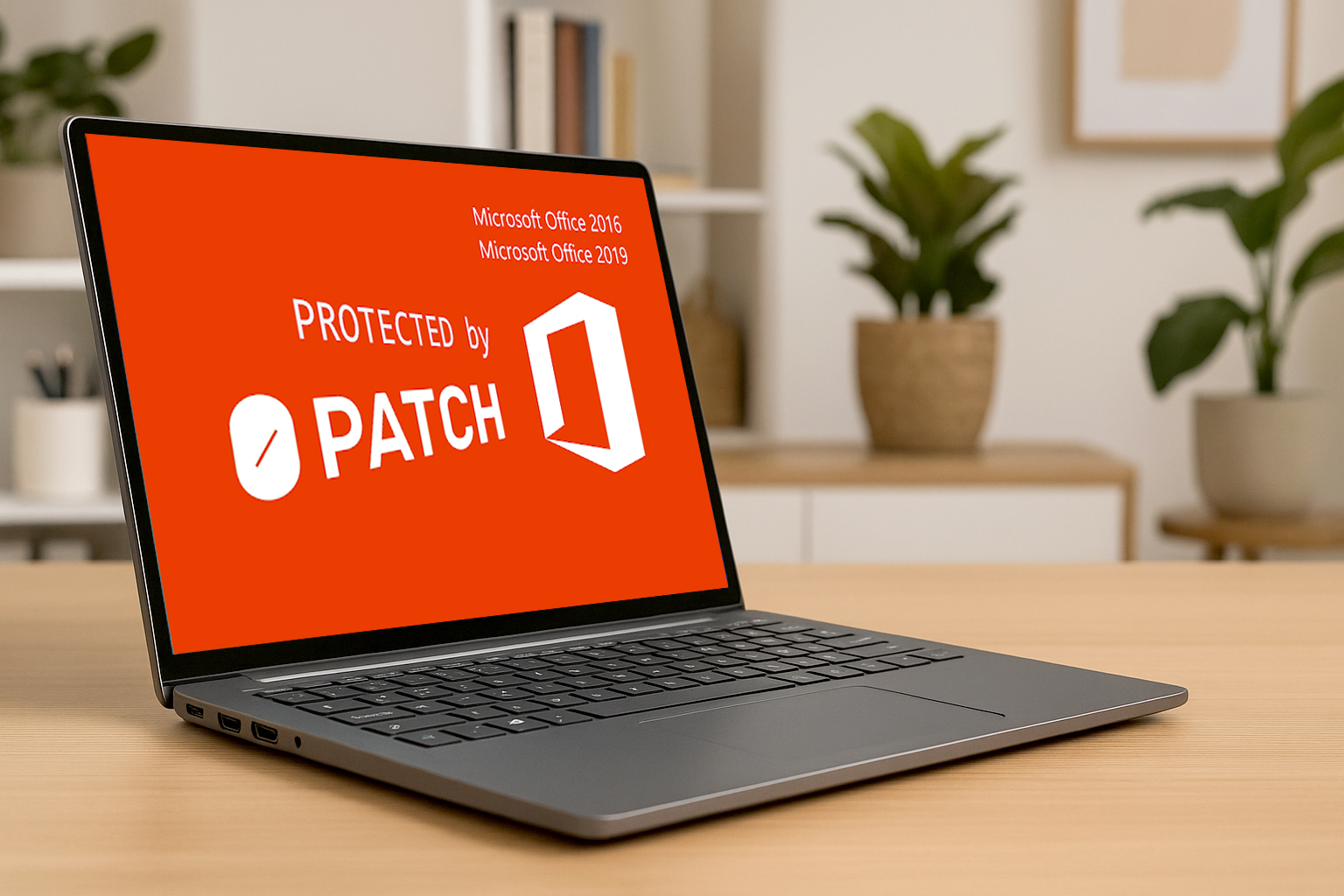
0patch will keep Office 2016 and Office 2019 secure for years after Microsoft abandons them in October
Most people know by now that October will mark the end of free security updates for Windows 10, but that’s not the only Microsoft product that will stop receiving support. In the same month, the software giant will also pull the plug on Microsoft Office 2016 and Office 2019.
Millions of users still rely on these versions at home and in workplaces, but once support stops, they are left with the choice of upgrading or running software that will become increasingly unsafe. To address this, security firm 0patch has announced that it will provide ongoing security fixes for both abandoned Office versions.
Microsoft slowly rolls out a button allowing Windows 10 users to refuse Windows 11
It is a drum that has almost been beaten to death, but the impending end of support for Windows 10 is not a story that is going to go away any time soon. Even when mid-October rolls around – the cut-off date – this is far from going to be the end of news, reminders, and more.
For now, however, there is some form of respite for Windows 10 users. Microsoft is rolling out a way to halt the constant pestering to upgrade to Windows 11. There is, of course, a catch.