
SteamOS brings Linux to your television
Last year, Gabe Newell of Valve infamously called Windows 8 "a catastrophe for everyone in the PC space". However, this was not just lip service -- the company put its money where its mouth is and released its game-distribution service, Steam, for Linux. Today, Valve takes this a step further and announces a new Linux-distribution called SteamOS.
"As we've been working on bringing Steam to the living room, we've come to the conclusion that the environment best suited to delivering value to customers is an operating system built around Steam itself. SteamOS combines the rock-solid architecture of Linux with a gaming experience built for the big screen. It will be available soon as a free stand-alone operating system for living room machines", says the company.

Blackberry may have found a buyer -- but is there any value left?
Technology moves at a feverish pace. It feels like only yesterday that the iconic Blackberry was the market leader for smartphones. However, fast-forward to 2013 and we see a struggling company laying off 4,500 employees and losing close to a billion dollars in one quarter alone. On August 13, Blackberry (formerly known as RIM) announced the possibility of selling itself, hinting at strategic alternatives.
Today, Blackberry announces that "it has signed a letter of intent agreement under which a consortium to be led by Fairfax Financial Holdings Limited has offered to acquire the company subject to due diligence". In other words, it is exploring being bought by Fairfax.
Microsoft Surface event liveblog
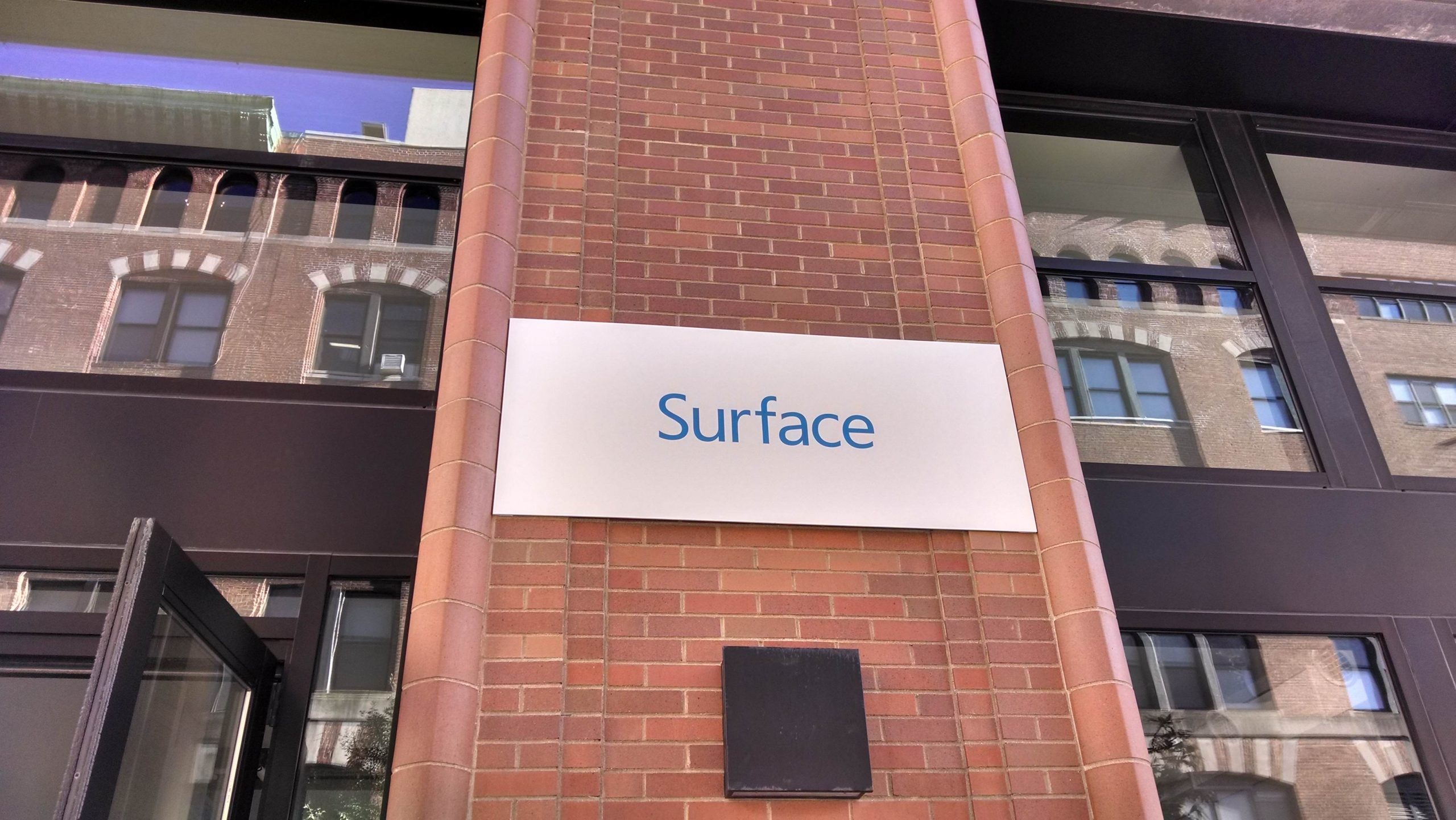
On an unassuming street, next to a strip-club, a small line forms in front of a building. It is comprised of tech-writers carrying backpacks. The smell of bleach is in the air as a maintenance worker frantically scrubs the sidewalk to clean what appears to be vomit. Yes, this is New York City and I am attending the Surface event.
Today, Microsoft is expected to announce updates to its Surface line of tablets (two models -- RT and Pro -- are likely to be unveiled). If Steve Ballmer is here, it may be his final product event before he heads off into the sunset (the man will retire within a year).

Microsoft kills Skype (and consumer trust) for Windows Phone 7
When a consumer decides to buy into a platform or operating system, they expect commitment from the developer. For instance, Apple released iOS 7 on Wednesday and included support for the iPhone 4 which was released in 2010. An iPhone buyer can reasonably expect a healthy dose of updates for years. As a result, Apple users trust and buy into iOS.
Conversely, Microsoft announces that it is ending Skype development and support for Windows Phone 7. Yes, Microsoft will continue to support the smartphone operating system until September 9, 2014. However, ending support for one of its own apps is a slap in the face to the loyal users who chose to buy into the platform.
Google releases a refreshed Quickoffice for Android and iOS -- for free
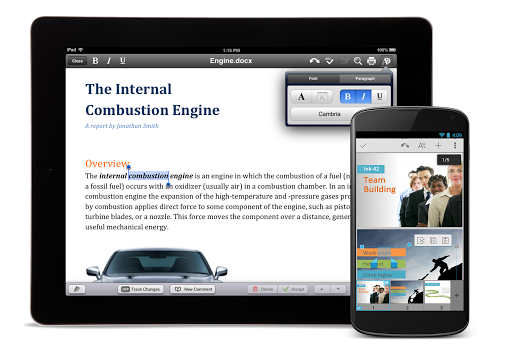
When I bought the first-generation iPad in 2010, I intended to use it for taking notes in college classes. Unfortunately, the iPad didn't come with an office suite and Microsoft's was not available. And so, I was forced to try a bunch of alternatives. Ultimately, I found one that stood out among the rest -- Quickoffice. I found it to be complete and a pleasure to use.
While my iPad is long gone, Quickoffice has followed me to Android with great results. However, Google bought my beloved Quickoffice in June 2012 and I became very nervous. My concern was that the software development would cease under Google's leadership. I am happy to say that my concerns were for naught -- Google announces today that QuickOffice has been updated and is now free.
CyanogenMod forms company -- smart or foolish?
When it comes to Android, many users like to tinker and root their devices. Many of these users also flash custom-roms; a modified version of the Android operating system. This is typically done to add features, remove carrier-installed apps and heck -- even just for fun. For years, CyanogenMod was viewed as the "holy grail" of custom-roms.
However, as time has marched on, Android has matured and custom-roms such as CyanogenMod have become less necessary. Also, it has far more competition from arguably superior alternatives such as ParanoidAndroid. Today, the CyanogenMod team shocks the Android community and announces that it has formed a company.
NVIDIA announces the Tegra Note -- Nexus 7 killer?
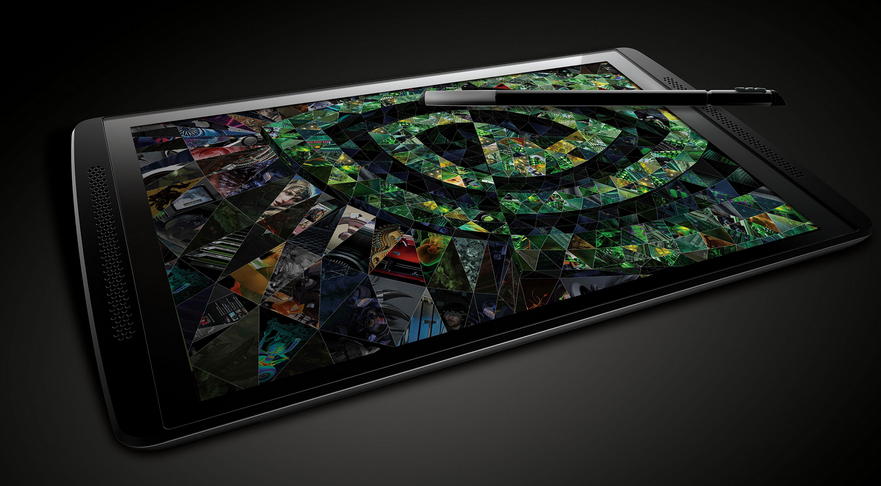
When the original Nexus 7 was released, the Android community was abuzz with excitement. You see, not only was the tablet inexpensive, but it packed NVIDIA graphics for games. The graphics company name is synonymous with gaming, and made the tablet an intriguing option. However, Google snubbed the company to instead go with Qualcomm's Snapdragon for its second-generation Nexus 7. Rather than give up, NVIDIA has chosen to go head-to-head with Google's Nexus 7 with the all-new Tegra Note platform.
"It embodies the NVIDIA brand -- from our hardware and software (right down to OTA updates), to our industrial design, accessories and network of partners in game development. It elevates the abilities of our partners, so they can provide tablets packed with innovation and features at prices they may not have been able to deliver on their own. In turn, NVIDIA gains access to their deep sales and distribution expertise in regions worldwide", the company states.

Hewlett Packard brings Ubuntu to China
China has been in the spotlight lately. Most recently, the country was rumored to be the major catalyst for the "low cost" iPhone 5c. However, this has largely been discredited since the phone was revealed to not be "low cost", but instead a relatively expensive, premium device. However, China is still a major player in the computer market and manufacturers are chomping at the bit to take advantage of it. Today, Canonical announces that Hewlett Packard is focused on the nation and will be selling Ubuntu-based laptops in its 1,500 retail stores.
Canonical says, "Ubuntu’s retail presence has grown again as HP brings a range of laptops pre-installed with a Chinese-centric version of Ubuntu 12.04 LTS to over 1,500 of its stores across all major cities in China. Consumers in China will now be able to purchase HP laptops running Ubuntu directly from stores, where they will also find information packs and marketing materials to help with their purchase".

Beware! Women are more dangerous than men (in search results)
The Internet can be a dangerous place if you aren't careful. There are viruses, malware and Trojans just waiting to ruin your day. Unwary computer users can significantly increase their chances of infection by searching for questionable things, and even seemingly innocuous search terms can be unsafe.
As proof, today McAfee announces that searching for actress Lily Collins will result in a "nearly one-in-seven chance of landing on a malicious site" -- yikes!

Both basement nerds and major corporations contribute to the Linux kernel
When it comes to Linux, people tend to picture pale nerds in a basement coding away; which is only partly true. You see, in addition to those independent basement nerds, major companies such as Google and Samsung are also involved. The Linux foundation periodically publishes a report on who contributes to the Linux kernel. Today, the foundation releases the newest report titled "Linux Kernel Development: How Fast It is Going, Who is Doing It, What They Are Doing and Who is Sponsoring It."
According to the report, "The Linux kernel is one of the largest and most successful open source projects that has ever come about. The huge rate of change and number of individual contributors show that it has a vibrant and active community, constantly causing the evolution of the kernel in response to number of different environments it is used in. This rate of change continues to increase, as does the number of developers and companies involved in the process; thus far, the development process has proved that it is able to scale up to higher speeds without trouble".
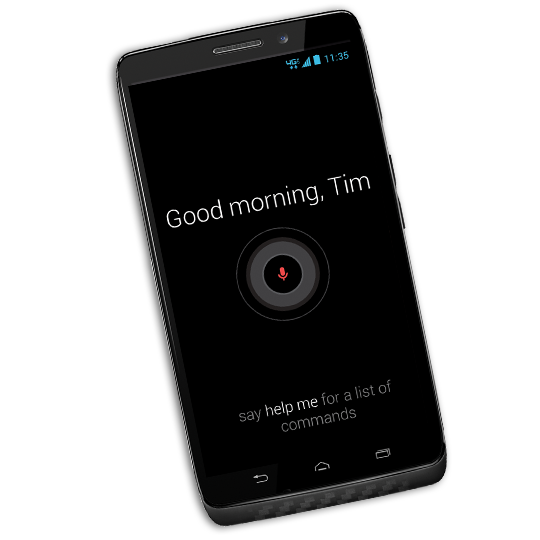
Droid Maxx -- Moto X's big brother [Review]
When it comes to Android, bigger is usually better. Bigger screens, improved specs, more features -- experience is often an afterthought. The wonderful Moto X was the first Android device in recent memory that had the user focused on the experience rather than the specs. However, some users will still want the biggest and baddest device and that is where the Droid Maxx comes in. You can't review the Maxx without comparing it to the X, so the question becomes, which is better?
By the end of this review, I hope to have an answer for you. After all, on paper, the Maxx has a bigger screen, bigger battery, and wireless charging while retaining the voice interaction of the Moto X. Surely the Maxx is better right? Read on...

Twitter files for IPO -- Will the stock fly like a bird or fail like a whale?
Following in the footsteps of Facebook, fellow social-media site Twitter has filed for an IPO. In other words, the company wants to sell stock in itself by going public. However, Twitter probably hopes not to follow Facebook's initial performance which was utterly abysmal and caused investors to lose money.
Predictably, the company made the announcement with a tweet, "we’ve confidentially submitted an S-1 to the SEC for a planned IPO. This Tweet does not constitute an offer of any securities for sale."

AVG CrowdControl aims to protect your Facebook privacy
I use Facebook daily to stay in touch with friends, family and colleagues. However, despite my heavy usage, I am concerned about my privacy. Facebook is notorious for changing its policies and settings and it can be difficult to stay on top of it. Today, popular security and anti-virus company AVG announces a solution called AVG CrowdControl, which the company calls "its first privacy app built on the Facebook API".
"CrowdControl is designed to make Facebook experiences safer by customizing who can view a status, videos and photos posted on a personal timeline. AVG’s goal is that this will make privacy and online security, a more front-of-mind issue for users", says the company.
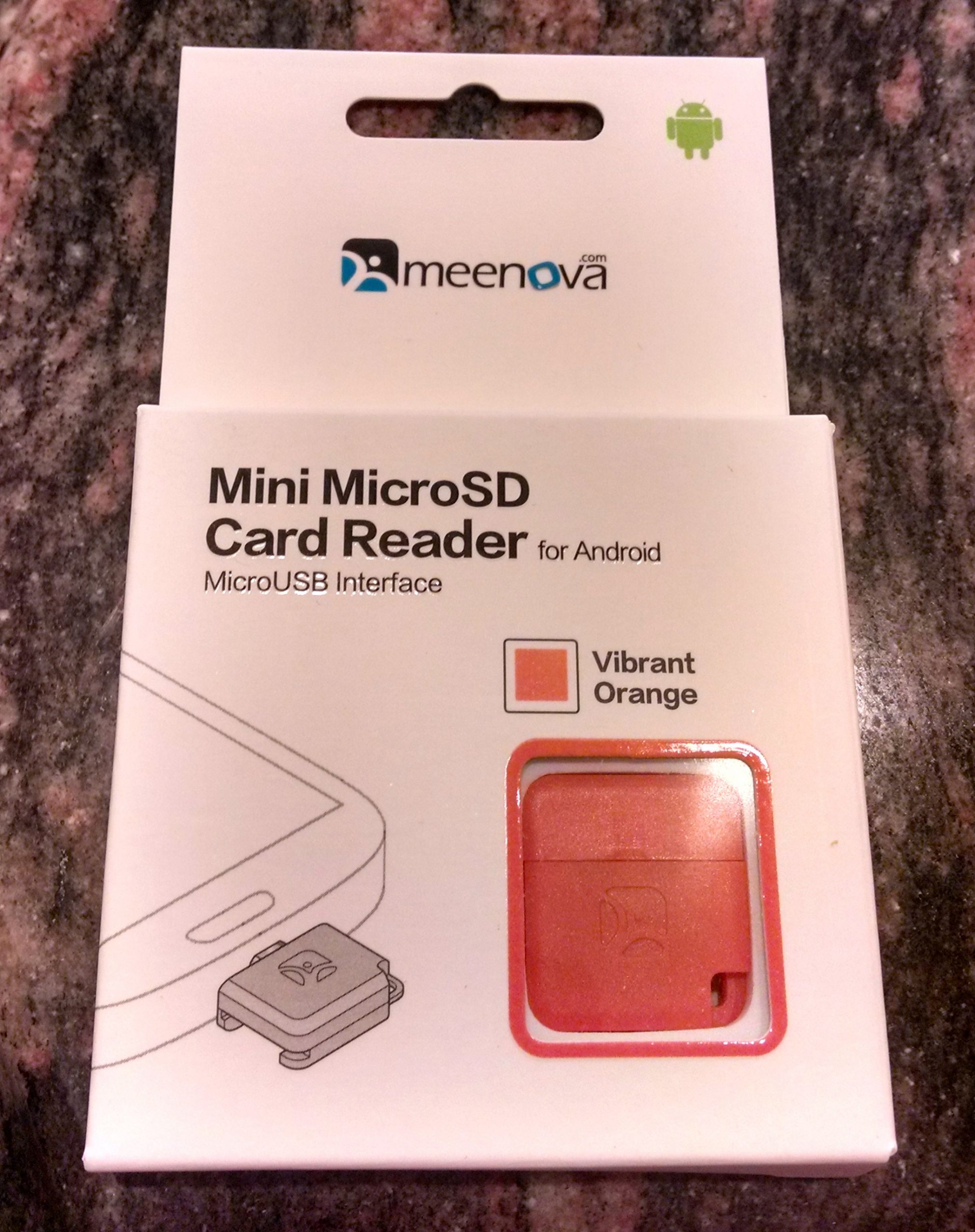
Meenova Mini MicroSD Card Reader [Review]
Crowdfunding is all the rage nowadays. It feels like not a day goes by without some new venture begging users for money. While many of the products are less than desirable, every once in a while, a gem shines through. Case in point, the Meenova Mini MicroSD Card Reader for Android.
According to the company, "it is just like a SD card reader that you use on your computer, except it is for Android tablets and smartphones that have MicroUSB port. You can use it to read/write MicroSD cards, copy files between your phone/tablet and a MicroSD card".
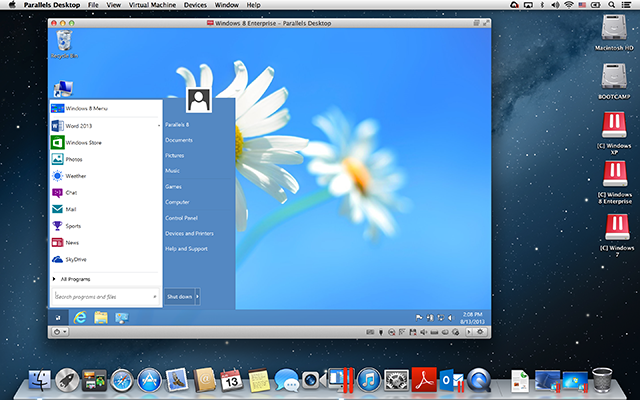
Parallels 9 for Mac -- great for Windows 8, Linux not so much [Review]
When I first switched to OS X, by way of Hackintosh, I was in pure ecstasy. I loved the interface and the beauty of the programs. For instance, iPhoto is the most intuitive and beautiful photo management program that I've ever used. However, while Apple's operating system met most of my needs, I would still find a need for a Windows program on occasion; mostly for business.
I decided to make my desktop a tri-boot machine. In other words, I decided to have it run three operating systems: Windows 8, Fedora 19 and OS X 10.8.4. Rather than play around with partitioning, I plugged three SSDs into my computer, installed the respective operating systems and used the BIOS as the boot manager.