
Microsoft releases Skype for Desktop 8 Preview
We still use Skype. It’s still a decent tool to be able to converse with a wide range of colleagues spread across the world and, frankly, most people we need to communicate with are on Skype (or have access to a Skype account, at least).
Recent changes to the mobile version caused more than a few eyebrows to be raised. Luckily we don’t use the mobile edition, so when Microsoft announced changes to the desktop edition, this had us worried. Windows 10 users will receive the update automatically, as it’s built into your operating system, but Windows 8/7 and Mac OS X users can download a v8 preview right now.
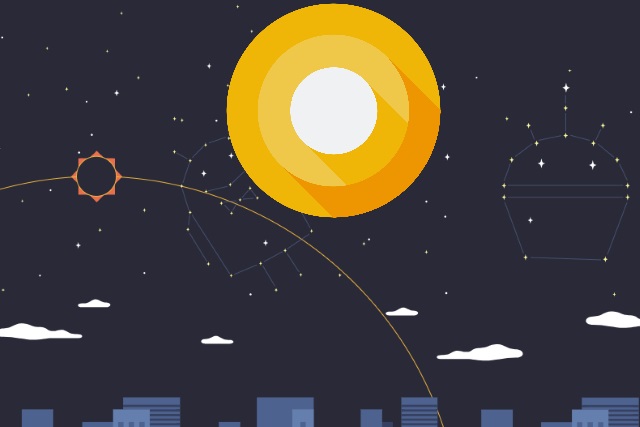
Google unveils total solar eclipse site to count down to Android O launch
On Monday August 21, there are two big events to look forward to: the total solar eclipse, and the launch of Android O. Google is tying the two together with the launch of a new site counting down to the two events.
With the launch of the eagerly anticipated Android O (will the name be Oreo, Oatmeal cookie... or something else?), another waiting game starts. Mobile owners around the world will be playing the "will my handset get the update this time around or not?" game. In the meantime, check out the site for eclipse and Android O live streams.

IT professionals need more security training for DevOps
New research has revealed that software developers are not receiving the training necessary to be successful at DevOps in their current positions.
According to the 2017 DevSecOps Global Skills Survey sponsored by Veracode and DevOps.com, 65 percent of DevOps professionals believe that knowledge of DevOps is essential when starting a career in IT. However, 70 percent believe that they did not receive the necessary training through formal education to be successful in today's DevSecOps world, which integrates security into the development and testing of software.
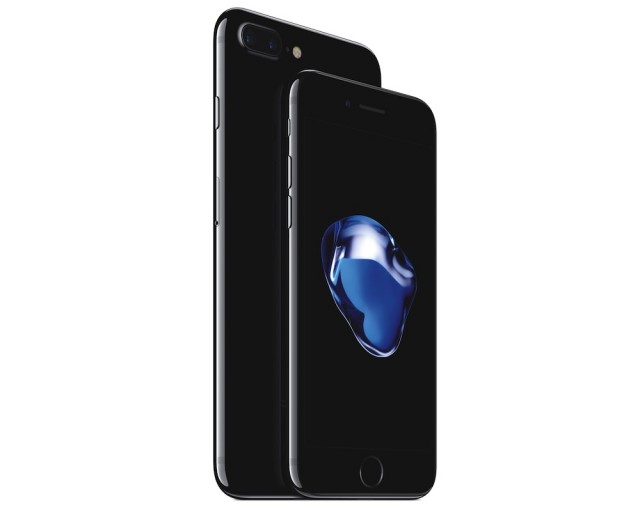
The iPhone is still the smartphone to beat
If you look at the iPhone 7 and the Galaxy S8 and compare them to their predecessors, there is no denying that Samsung's flagship has made a bigger leap forward. It is arguably the more interesting smartphone of the two as a result. But, as always, that does not automatically translate into better sales.
The iPhone, for all the minor upgrades it has received over the years, has rarely been dethroned by its rivals, and that was again the case in the second quarter of 2017, when it basically wiped the floor with the Galaxy S8 in terms of sales.

Customer service is key to a good app experience
A new survey reveals that 89 percent of Americans will recommend an app based soley on a customer service experience, but 47 percent will simply delete apps that are frustrating and don’t provide any customer support.
The research from customer support company Helpshift surveyed over 2,000 18+ adults in the US and finds that 81 percent use mobile apps.
Microsoft reveals Azure Event Grid
Microsoft has revealed a new Azure feature aimed at helping developers that build event-based applications. Azure Event Grid is built to help devs that create event-based and serverless applications with a higher level of abstraction.
That way, worrying about infrastructure, provisioning or scaling, becomes a thing of the past, according to Microsoft.
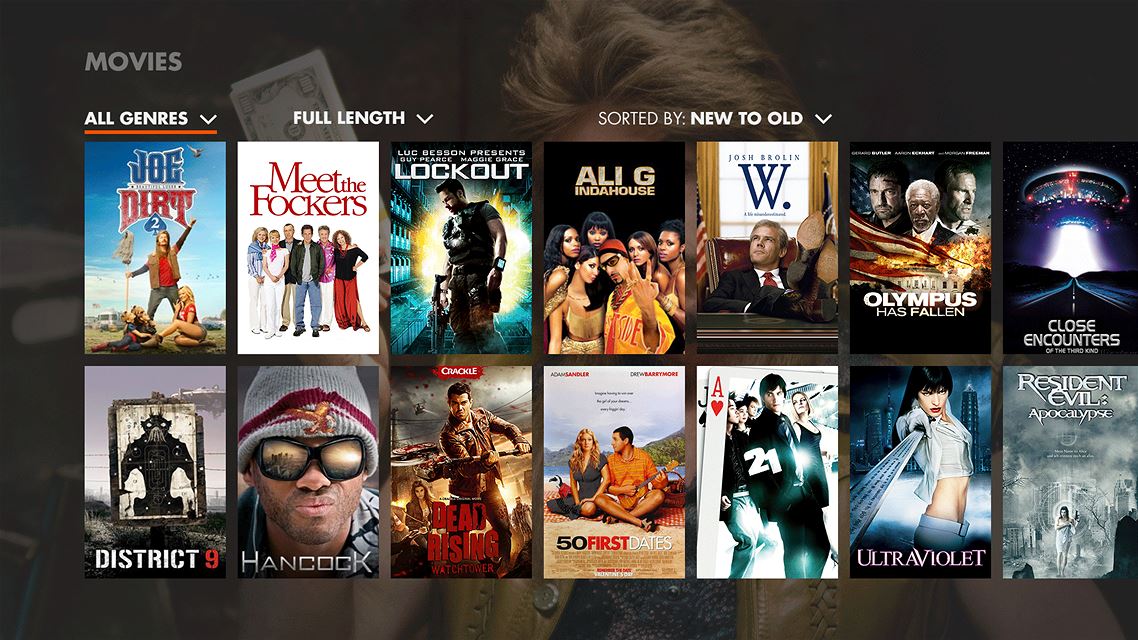
Best Windows 10 apps this week
Two-hundred-and-forty-four in a series. Welcome to this week's overview of the best apps, games and extensions released for Windows 10 on the Windows Store in the past seven days.
Microsoft announced a new high-end edition of Windows 10 last week. Windows 10 Pro for Workstations expands hardware support among a handful of other changes.
Kaspersky Secure Connection VPN service is free, but Android users aren't happy with the permissions it requires
In a time when people are more concerned about privacy than ever, security tools such as VPNs are proving increasingly popular. Kaspersky Lab recently released a VPN tool for Android, and reviewers are voicing concerns about the permissions required by the app.
Kaspersky Secure Connection: VPN service has a reasonable overall review score at time of writing, but the lower scores are highly critical of what are seen as privacy-invading permission requirements.
Facebook takes steps to stamp out clickbait videos
As any Facebook user will know, clickbait is rife on the social network. A very common technique used to drive traffic to ad-laden websites is to embed fake play buttons in images, or post videos that are actually static images.
Facebook is clamping down on these practices in a bid to tidy up users' newsfeeds and avoid people being transported to "low quality websites" set up by spammers.

Watch the solar eclipse live on Twitter thanks to the Weather Channel
On Monday August 21, people across the US will have the chance to witness a total solar eclipse. While there is a great deal of excitement about the phenomenon, viewers need to be careful to use special eclipse glasses (not just sunglasses) or some form of projection technique to avoid serious eye damage.
But perhaps the safest option is to watch the eclipse on your computer screen or mobile. Twitter has teamed up with the Weather Channel to provide a live stream, so even if you're not in the path of totality, there's no need to miss out.

Electronic Frontier Foundation speaks out in favor of free speech after neo-Nazi websites are blocked
Following the violence that took place in Charlottesville last weekend, technology companies have done everything they can to distance themselves from neo-Nazis, white supremacists and other right-wing groups. It led to numerous companies dropping right-wing sites such as The Daily Stormer, which was ultimately pushed to the dark web.
Digital rights group the Electronic Freedom Foundation (EFF) -- well-known for speaking out about privacy and legal issues -- has criticized the ban on neo-Nazi sites and groups saying it poses a threat to free expression online. Google, GoDaddy, Cloudflare, Reddit and Facebook are just a handful of technology companies to have banned The Daily Stormer, but EFF says that "no one -- not the government and not private commercial enterprises -- should decide who gets to speak and who doesn't."

What you need to know about digital twinning
Formula 1 driving can be dangerous, as weather or malfunctions can cause fatal accidents. Teams are solving this problem by getting drivers to test racetracks in a virtual car. As automation is integrated into more factories, manufacturing has evolved to mix physical and virtual objects, just like racing. Here is how the latest industrial trend, digital twinning, is shaping the future of manufacturing.
It may seem odd for drivers to test racetracks online rather than in person. However, sensors can collect analytics data about the conditions of any racetrack across the world and create those conditions on one computer. Drivers can interact with any weather condition and monitor their cars before entering the race to reduce accidents. But, where does the technology originate from?
Microsoft buys Cycle Computing to strengthen cloud business
Microsoft has announced its plans to buy HPC company Cycle Computing in order to allow its customers to do more in the public cloud.
According to the company, the deal will enable its users to use high-performance computing as well as other "Big Computing" capabilities that will improve how they run their workloads in the cloud.
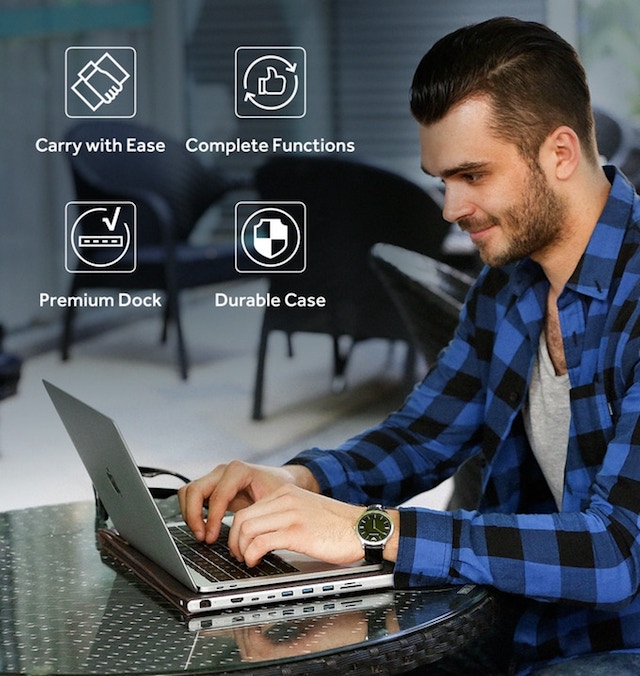
DockCase is a MacBook Pro protective leather sleeve with integrated USB-C dock
The MacBook Pro is a wonderful laptop. It offers excellent performance, a sleek design, and one of the best keyboards on the market. There really isn't much to complain about, other than a lack of ports. You see, Apple went all-in with USB-C/Thunderbolt 3 ports on its new laptop, meaning some users would need to rely on dongles for connecting legacy devices.
There are countless dongles, adapters, and docking stations on the market nowadays, all looking to provide a fix for this port pain-point. Today, a new such product from a company named "Seesaw" becomes available for pre-order on Kickstarter. The "DockCase," as it is called, intrigued me because of its unique design. You see, it is a protective leather sleeve for the MacBook Pro with a USB-C docking station built in. It sounds weird, I know, but it actually makes a lot of sense.

Push authentication can replace the password
For a vestige of the past, the password has managed to hold on and remain alive -- even though some of the top people in computing said that it had already died over a decade ago. In one of his more famous predictions, Microsoft founder Bill Gates said that passwords were on the way out already in 2004. Problem is that Gates, for all his wisdom, didn’t tell us what to use to replace passwords.
"There is no doubt that over time, people are going to rely less and less on passwords," Gates said at the RSA conference in 2004. "People use the same password on different systems, they write them down and they just don't meet the challenge for anything you really want to secure." How prescient he was, it turns out. There were hackers back in 2004, but hacking was nothing like the major international industry it is today -- responsible for tens of billions in losses every year, and endangering businesses large and small.