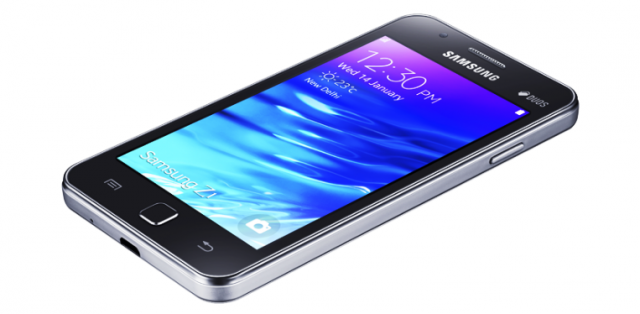
Samsung introduces first Tizen smartphone, more devices will follow
Introducing a new platform comes with great challenges. It cannot successfully compete right away with established players, and it will take years to catch up. Gaining any real traction requires having lots of money to burn through, before turning a profit, let alone breaking even. The vast majority of consumers will be looking to buy the best products around, and emerging platforms do not often make the cut -- even longstanding players can struggle here.
So, it's a tough road ahead for Samsung as it tries to bring Tizen into mainstream. It is already used in some types of products -- like cameras and wearables -- but the real challenges come from popular categories, like smartphones. So far, Samsung only announced a Tizen-powered smartphone, but it didn't hit the market. Today, Samsung is at its second attempt, as it announces what is the first Tizen smartphone to actually hit store shelves. It's called Z1.

Facebook should be applauded for not blocking violent videos
There's a lot of crazy content out there. Social networks fill up with funny footage, music videos, informative clips, and the downright stupid. As with movies, there's also a good deal of graphic content out there too, and some of it finds its way onto Facebook.
In fact, this is one of the complaints that Facebook constantly has to deal with. When people aren’t taking issue with the social network's privacy policy (and trying to make their own amendments to it) there are frequent objections to violent, gory or otherwise offensive videos. Rather than issuing an outright ban and censoring such content, Facebook has adopted a far more sensible, measured approach.
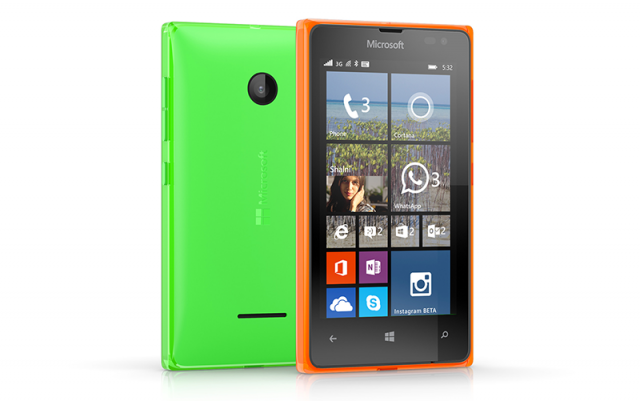
Microsoft announces Lumia 532, 435 -- its most-affordable Windows Phones yet
Windows Phone is most-preferred by low-end smartphone buyers. In fact, Nokia Lumia 520 alone accounts for more than 25 percent of Windows Phones currently in use. However, for consumers in developing and emerging markets even a smartphone as affordable as Lumia 520 may be priced out of their budget.
Less-expensive options are needed for the platform to increase its user base, so, today, Microsoft announces its most-affordable Windows Phones yet -- Lumia 532 and Lumia 435. The two devices are designed to offer basically the same Windows Phone experience as their more expensive siblings, but at prices starting at as low as €69, before any local taxes and subsidies are factored in.
SHAREit promises easy Wi-Fi file sharing for PCs, iOS, Android
If you’d like to share files between devices then you could connect them to the same network, but this can be tricky to set up, especially with devices of different types.
Lenovo’s SHAREit is a simpler solution which enables PCs, iOS, Android and Windows Phone users to share files locally over Wi-Fi, no network hassles involved at all.

Here's how to smuggle 94 iPhones into China (not)
A man has been arrested for attempting to smuggle 94 iPhones into China by strapping all of them to his body.
Custom officers at Futian Port on the Chinese border were alerted to some suspicious activity when they noticed that the individual had a "weird walking posture, joint stiffness and muscle tension".
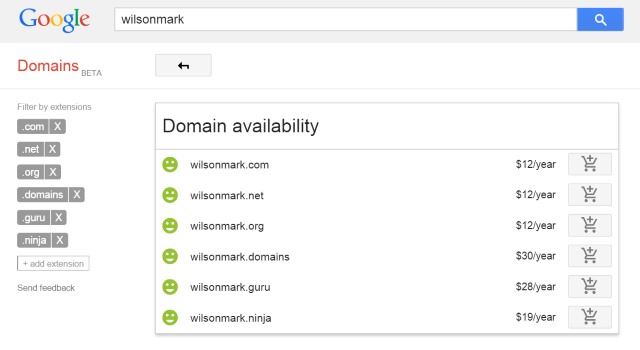
Google Domains launches as beta service in US
Looking to get involved in yet another area of your online existence, Google today launched a beta version of Google Domains in the US. As the name suggests, this is a domain registration service that Google hopes will be used to manage websites, including Blogger blogs, within the familiar, comfortable arms of Google.
Google Domains has been up and running as a private beta for a little while, but now it has been opened up to the wider public. Although it is available for anyone in the US to sign up for, there's no clue about when the beta tag will be dropped.
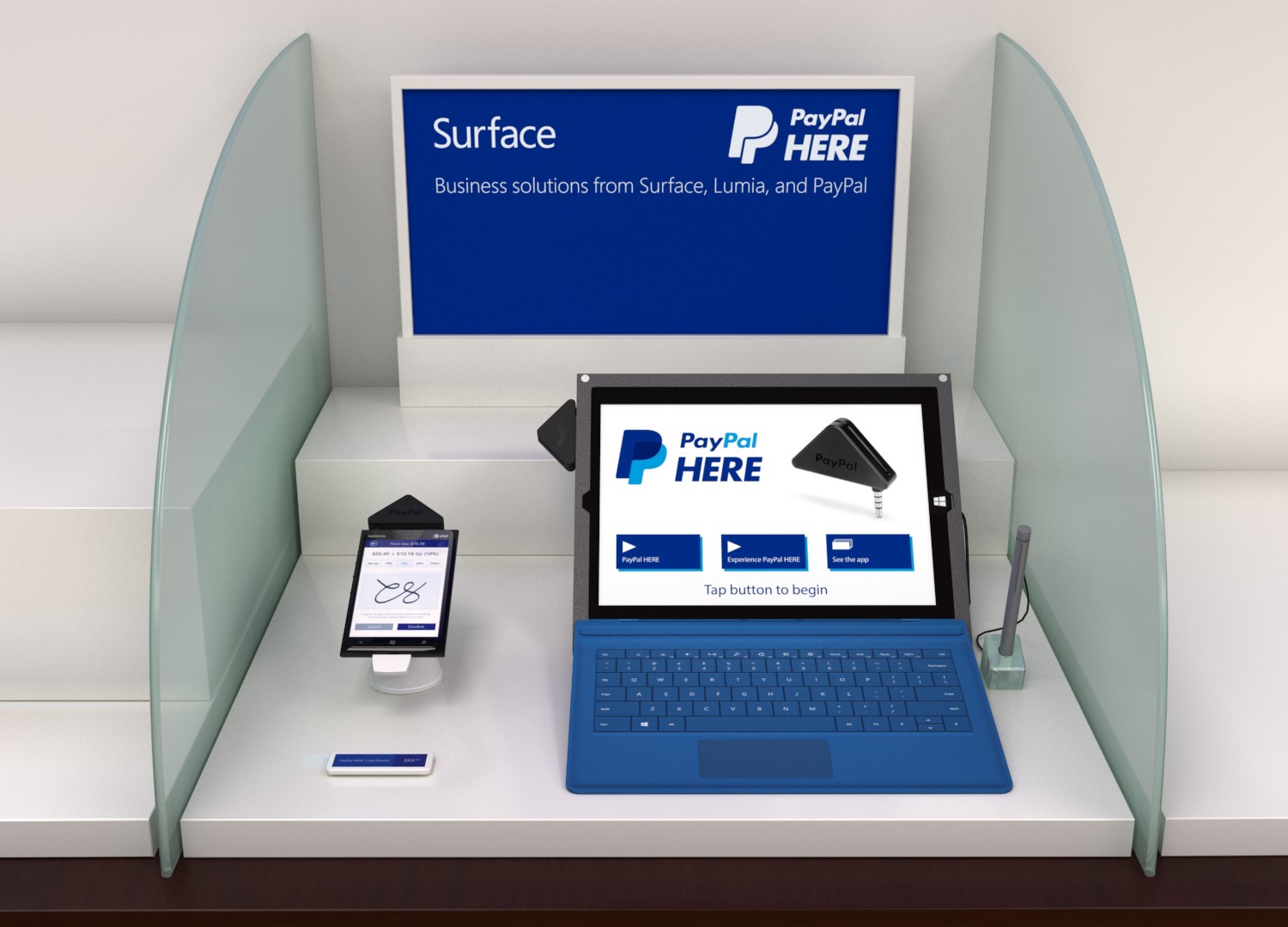
Microsoft and PayPal transform Surface and Lumia into point-of-sale terminals
Last year, I was visiting Jacksonville, FL -- an up-and-coming city -- and needed lunch. Rather than being littered with fast food restaurants, food trucks were all the rage there. Now, these are not "roach coaches", as we call them in New York, but high-end gourmet offerings that just happen to be served from a truck. When it came time to pay, I panicked; I did not have cash! Luckily, the owner told me they take credit cards. I swiped my card on an iPad, signed on-screen with my finger, and had the receipt sent to me by SMS text message. Very cool.
While an iPad may meet the needs of a food truck, many businesses will have greater needs. You see, a computer like the Surface Pro 3 has a true desktop operating system -- the venerable Windows -- and can run the best-in-class full version of Microsoft Office. A business-owner would be smart to trust their company to a Windows machine. Well today, Microsoft and PayPal announce a partnership to bring PayPal Here to both the Surface and Lumia devices using software and a credit card reader. Yes, even Microsoft's laptop/tablet hybrid, the Surface Pro 3, will be a super-cool point-of-sale terminal!

Scroogled is officially dead as domain gets rerouted by Microsoft
We knew the Scroogled campaign was no more -- it was a miserable failure and the object of ridicule that somehow still got architect Mark Penn promoted within the company. While some folks found it amusing, most laughed it off, as the misinformation conveyed was a joke. Now it seems the fate of this advertising endeavor is completely sealed.
Microsoft has rerouted traffic from the Scroogled website in an effort to forget this embarrassing moment in history. If you visit the site now, you'll be sent to WhyMicrosoft -- a site that shows off the good things the company has to offer, as opposed to a mudslinging campaign against a rival.
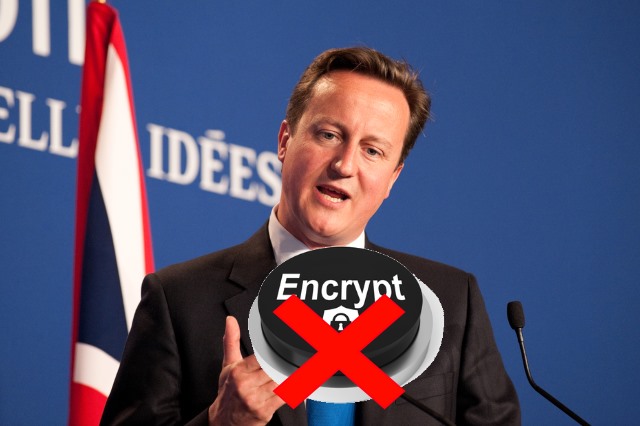
Ban encrypted messaging apps? You'd have to be an idiot to think it workable
Wherever you are in the world, it's quite likely that your government wants to monitor your communication, be it online or via phone. Following the tragic events in France, politicians have voiced a desire for greater snooping powers. UK Prime Minister David Cameron has suggested that he would ban encrypted messaging tools if he wins the next election.
He has said that he would move to block the use of methods of communication that could not be intercepted and read by security services. With tools such as iMessage, WhatsApp and Snap Chat providing encrypted messaging options, could their days be numbered? Or is this an idiotic and unworkable way of looking at things?
Silk Road Reloaded ditches Tor for I2P
The notorious online black market Silk Road Reloaded has left the Tor web browser to join a more anonymous network known as I2P.
Following the decision, Silk Road Reloaded has also made a number of policy changes, including ending its exclusivity with bitcoin. The site now allows transactions to take place with other cryptocurrencies such as dogecoin and anoncoin.
I take back my praise for Amazon Echo
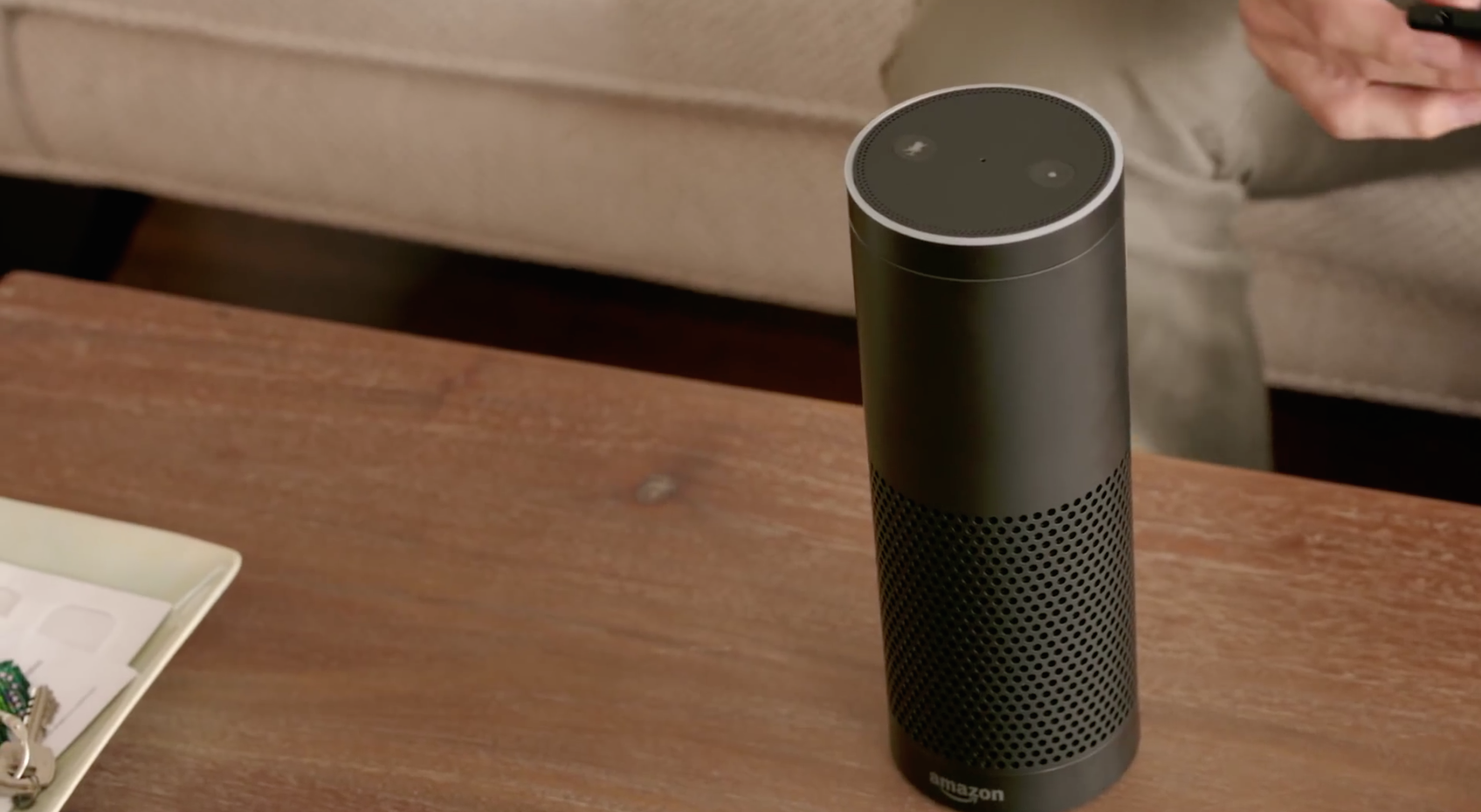
You just gotta love Amazon. This morning, at long last, I received my invitation for Echo, the sizzlingly voice-controled streaming speaker that I raved about just two months ago. As a Prime member, I pay half-price, just $99. What a deal! Since then, I jealously waited while reading what others blogged about how much they enjoyed their Echoes. The device fits squarely where I contend is the next iteration in user interfaces: voice. Touch is just so passé.
In retail, customer impressions are everything. My first reaction was excitement, but the second turned it to dust. This thing won't ship until sometime between May and July? Seriously? It's like a bad Consumer Electronics Show joke, where the hottest tech device in this solar system debuts in January, but sales don't start until November. Don't sell me something I can't get for at least five fraking months!

Enterprise 2.0: why it should never take three weeks to make a change to your web application
"Would you like to slow down the pace of development of your products?"
This was the question Adrian Cockcroft from Battery Ventures asked at the Nginx conference in October. The answer of course is "No". This is 2014, we see companies like Netflix can roll out changes daily and in some cases, hourly. Yet for many enterprises, it can still take weeks to add a new site or even a small new feature for the line of business. Even NASA can fly to the moon and back in less time!

What will happen to legacy applications when we move to the cloud? (hint: it’s not what you think)
Legacy systems and the cloud. The two do sound incongruous. When we think of legacy systems, we often recall those old cartoons where a computer took up the better part of a wall and was attended by harried-looking attendants in white lab coats. Of course, it has been a while since legacy systems have been quite so physically massive. They’re often still massive enough, though, to consume a lot of hardware. Maybe that’s why it’s still hard to imagine legacy systems taking up residence in the cloud, though that’s more and more frequently exactly what they’re doing.
And they’re often doing quite well in their cloud abodes, which sometimes represent a significant savings on their old legacy hardware. In fact, moving these old applications can drastically cut the data center budget.
More elders embrace Facebook, adult usage remains consistent
The latest research indicates that Facebook is maintaining strong membership figures despite the rise of rival social networks such as Twitter and LinkedIn.
A study of 1,597 adult Internet users by the Pew Research Centre found that 71 percent were using Facebook, the same amount as in 2013.

Optimove offers real-time customer marketing tools
Turning customer data into sales is something of a holy grail for businesses and there are an increasing number of software solutions aimed at helping find it.
One player in this field, customer retention platform Optimove, is using the National Retail Federation's Annual Convention and Expo to launch a version of its platform with real-time capabilities.