Best Windows 8 apps this week
Second in a series. Welcome to this week's installment of the new "best Windows 8 apps" series here on BetaNews. The first post went live on Sunday but we decided to move the series to Friday instead, which means that there are only five days between posts this time. All posts of this series will be posted on Friday from now on.
The links point to Microsoft's Windows Store, which offers detailed information about each app. To get an application, open the Windows Store on your computer and type the name as listed on the store front to find the program and install it on the system.

uTorrent 3.2.2 supports Windows 8
File-sharing pioneer BitTorrent Inc has just released uTorrent 3.2.2, the latest build of its free, lightweight Windows-only BitTorrent client. Version 3.2.2’s most notable change is the addition of Windows 8 compatibility.
The latest build also introduces a new built-in advertising platform, Facebook and Twitter icons, tweaked Add Torrent dialog and a number of major and minor bug fixes.

Claim your @icloud.com address
Tonight, my wife received a routine email from Apple. Hey, I didn't get one. But since I declared independence from Apple in July, I really don't care. But you might.
Apple is in process of migrating existing email addresses from @mac.com and @me.com, all of which reflect different iterations of cloud services. I've had mac.com since 2000, or thereabouts. Then four years ago, Apple moved everyone to MobileMe, adding a second domain. Now there's a third supporting iCloud, which debuted about a year ago. This means some Apple users will soon have three different email addresses -- and all of them functional. Confused yet?

Here's what I wrote about Android on its big day four years ago
Searching through my old Microsoft Watch posts for one thing, I found another -- my Sept. 23, 2008 news analysis "How Android hurts Microsoft". I wanted to find some of my past posts about contextual computing, and you can read more about that soon. For today, this story uses the lens of the past to look at the present.
I take lots of flake from commenters, whether directly on posts or blogged by others elsewhere, about my stories. Many accuse me of idiot perspective and being clueless. But often my seemingly brash analyses at the time, peering into future implications, are generally right. If you look at the totality of my writing, there is consistency of thinking that rightly anticipates trends. Abrasive writing style, provocative headlines and forceful argument puts off some people, especially those who don't like change or embracing new ideas. Occasionally I write seemingly contradictory perspectives, trying to look a things dimensionally rather than flatly. The Microsoft Watch post is one example of many that demonstrates what I mean.

Razer Synapse 2.0 is a good idea gone wrong
Some computer games require you to be connected to the Internet at all times to play them. While that sounds reasonable for online multiplayer games such as World of Warcraft or Team Fortress 2, it doesn't make sense for single-player games that you play on your own. Always-On DRM limits access to the purchased game due to that requirement.
Not only is it necessary to have an Internet connection to play the game, which means no playing in situations where you do not or where unreliable, it also means that you rely on the game company server to be online as well.

Play live music with friends online in Chrome
The only thing that ever stood in the way of my becoming a major international singer/songwriter was my inability to sing. Or write songs. I took guitar and piano lessons as a kid, and am pretty handy at Rock Band, but I’m not a great musician, so I never really get invited to jam with more musically-minded friends.
However, that might change, if I can persuade some of them to give Google’s latest interactive Chrome experiment a try.
TweetDeck 2.1 brings new features to Windows and Chrome, Mac has to wait
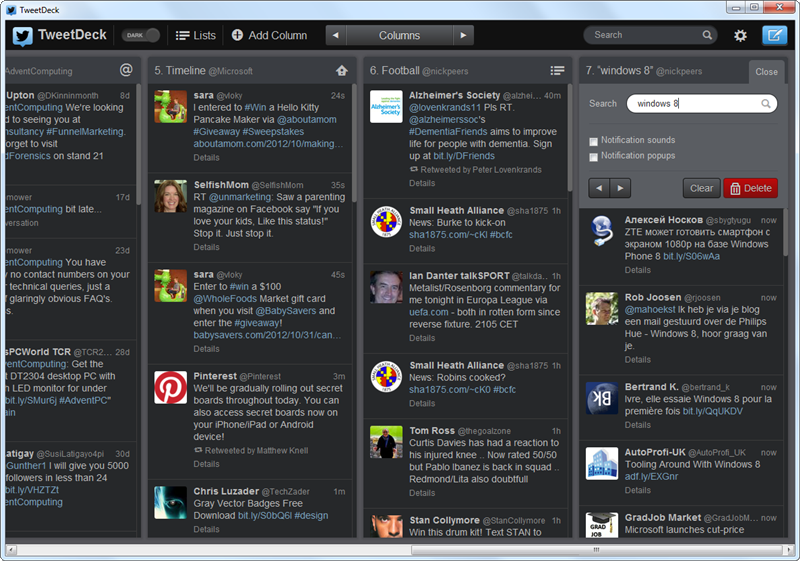
Twitter has updated its desktop and web app, TweetDeck 2.1.0. The multi-columned Twitter client gains four notable improvements with this new release, including search, lists, expanded Tweets and keyboard shortcuts.
At the present time, the updates apply only to the Windows version of the desktop client -- the Mac build remains at version 2.0.3. However, these changes have also been implemented in its Google Chrome web app as well as the Tweetdeck.com website itself.

Tumblr goes native iOS
Going native on iOS has its perks as Facebook recently demonstrated with a faster app for iOS devices. Popular social networking and blogging platform Tumblr released an updated app today for iPhone and iPad that sports native code.
Available for iOS 5 and above, Tumblr 3.2 touts major improvements under the hood that are attributed to going "completely native." The latest version delivers an overhauled Dashboard that now comes with a more responsive interface, bigger photos and speed improvements when loading posts. There are also new notification previews that sport a different look and allow users to see liked, reblogged and replied posts. The revised blog screens deliver descriptions and blog portraits, and the app now makes better use of gestures.

Skype Me! Microsoft retires Messenger
Microsoft CEO Steve Ballmer rarely writes a check this big: $8.5 billion -- that's what he paid for Skype in May 2011. So surely, he will get some value for his money. The communications client is this year's rock star, popping up in more new Microsoft products than American-made cars in Big B's garage. One more triumph remains. Months after removing "Windows Live" from Messenger's name, Microsoft will kill the product, replacing it with Skype. Please, let's pause for a silent moment of respect. Yes, you can shed a tear. I've got a hanky if you need one.
"We will retire Messenger in all countries worldwide in the first quarter of 2013 -- with the exception of mainland China where Messenger will continue to be available", Tony Bates, head of Microsoft's Skype division, says. Cue the violins. Surely Skype for Windows 8, but no Messenger in sight, foreshadowed something. The timing makes sense, following Windows 8's launch and coming around when Microsoft makes Office 2013 available to everyone. The messaging software is essential to both, as well as Windows Phone 8.
Enterprise social network Unison is going mobile to compete with Yammer, Chatter, Podio
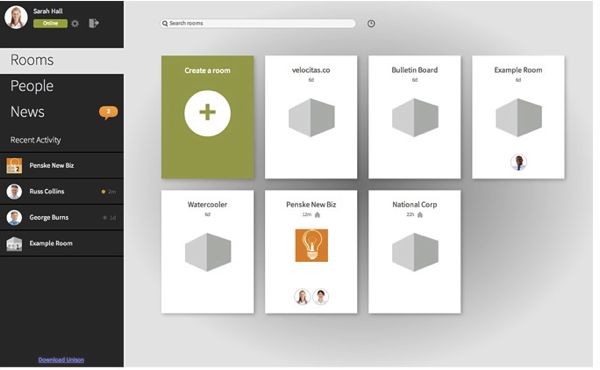
Next week, private social networking startup Unison is launching on both the iOS and Android platforms, so enterprise users can have mobile access to all the features of the browser-based version of Unison, plus persistent presence and voice note chatting from your mobile device.
The overall impact of social media on the enterprise sector is difficult to measure. It has changed interpersonal communications, it has changed the information cycle, and it has changed the way companies observe and interact with their customers. Though the impact is still difficult to measure, it's relatively easy to create a picture of the overall enterprise social media landscape with qualitative assessments.
Add Internet Explorer 10 Flash support for any domain on Windows 8
Windows 8 ships with two versions of Internet Explorer 10. First, the regular version that runs on the desktop and packs all the features one would expect from a browser, and then the Start screen version of IE10, which is a plug-in free version that is limited in what you can do with it on the Internet and locally.
Microsoft has integrated Adobe's Flash Player natively into Internet Explorer 10, but there are again differences in the implementation between the desktop and start screen version of the browser.

Instagrammers, you can now also use the browser
Instagram is known as a smartphone and tablet-only affair, but not anymore. The Facebook-owned company announced that it will roll out Instagram profiles on the web. Soon all users will have the chance to stare at filtered pictures on a larger screen.
Instagram follows the new parent company's design philosophy with web profiles. There is an uncanny resemblance to Facebook Profiles, though it is made to sport a similar look to the mobile apps that Instagram users are accustomed to. Since photo-sharing is the trademark signature, web profiles as you might expect show bio and a selection of pictures, neatly sorted based on month. Users can also follow other Instagrammers, comment and like photos, and obviously make changes to their profile straight from the browser.

HP buys "Platinum" status in the Linux Foundation
HP has made numerous outreach attempts to the open source community, even going so far as to donate webOS not long after they purchased Palm for $3.3 billion. Now, the company has donated a whopping $500,000 USD to the Linux Foundation in order to become a Platinum member, joining several other large corporations like Samsung, NEC, Oracle and Intel. The Foundation is a nonprofit organization that dedicates itself to spreading the Linux family.
While Linux never quite became the popular desktop alternative that many hoped it would, it does power the vast majority of the servers that run the Internet. Even desktop operating systems like Ubuntu have become much more user friendly, and many flavors of the OS are capable of running on less powerful machines than those needed to run Windows and OSX. Hewlett Packard has long built servers for Linux-based systems, and even their printers, which can be found in many homes and businesses, run on the platform. The company has been a lesser-tier member of the Foundation for some time.
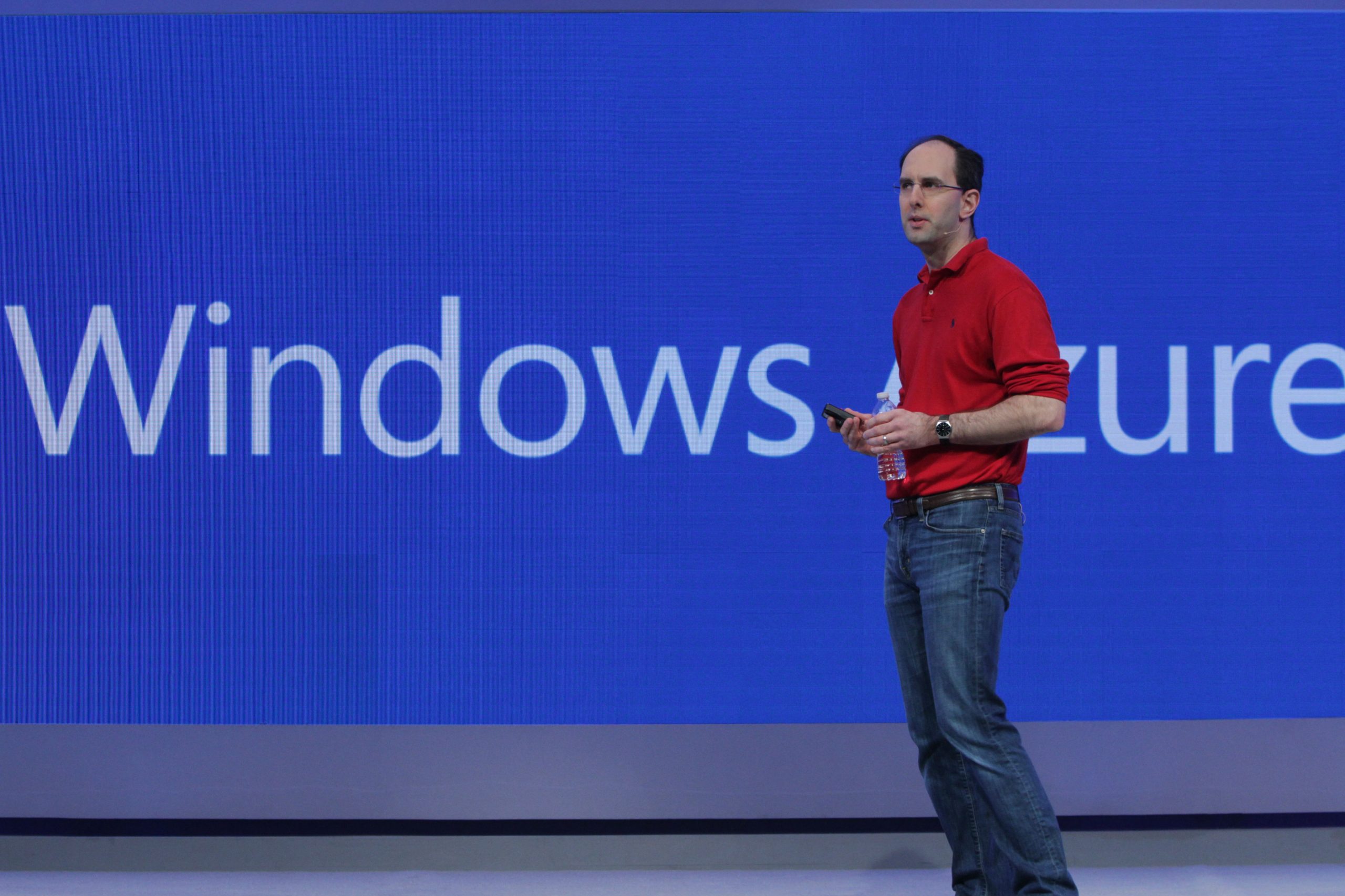
3 great things we saw at BUILD 2012
Microsoft's BUILD 2012 conference began October 30th and ran through yesterday, November 2nd. While the event is mainly for developers and IT professionals, there is always some exciting news trickling out that matters to the end-user. This year we saw a lot of news surrounding the company's Azure cloud platform, as well as Windows 8 and Windows Phone 8. Microsoft even held a "Hackathon" with prizes for developers present at the show.
In all, this was one of the more exciting and busier developer conferences that Microsoft has held in years. Perhaps that was due to the newly designed operating system that breaks the mold set way back with Windows 95 and the new ethos that everything should be capable of moving to the cloud. So, what did we learn?

Hurricane Sandy is a a data disaster
Earlier this week, as Hurricane Sandy beat the crap out of the Eastern seaboard, I received an email message from lower Manhattan. You may have received this message, too, or one just like it. It felt to me like getting a radiogram from the sinking Titanic. An Internet company was running out of diesel fuel for its generator and would shortly drop off the net. The identity of the company doesn’t matter. What matters is what we can learn from the experience.
The company had weathered power outages before and had four days of diesel fuel stored onsite. Managers felt ready for Sandy. But most of their fuel wasn’t at the generator, it was stored in tanks in the building basement -- a basement that was soon flooded, the transfer pumps destroyed by incoming seawater. It was like a miniature Fukushima Daiichi, not far from Wall Street.