
Google kills Chrome app launcher for Microsoft Windows, Apple OS X, and Linux
During the Windows 8 era, I was very worried about that operating system -- the UI and design choices were troubling. Luckily, as a longtime Linux user, I was not tied to any Microsoft OS. Unfortunately for some consumers, Linux-based operating systems can be difficult to install and use, while Mac computers are very expensive. Chrome OS and the inexpensive Chromebooks swooped in to save the day.
For those that stuck it out with Windows, or used other desktop operating systems, Google introduced a Chrome OS-like launcher -- the unimaginatively named Chrome app launcher. It allows Windows, Mac, and Linux users to launch Chrome apps from within their OS' native UI -- it sort of felt like Chrome OS running inside of them. Today, Google kills this project.
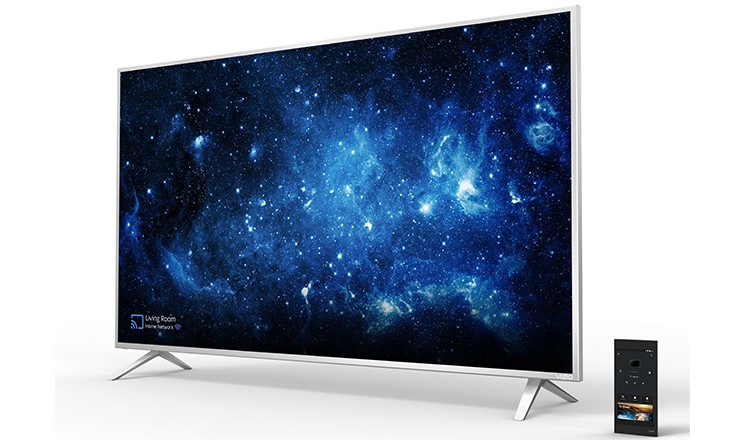
VIZIO P-series 4K TV displays have integrated 'Google Cast' technology
While smart televisions and displays are becoming more commonplace, it is becoming increasingly clear that they are not created equal. In other words, there are varying degrees of "smart", meaning some TVs have features that others don't.
I recently purchased a curved Samsung 4K display for my living room, and while it is amazing, it doesn't have a feature that I would really appreciate -- the ability to use Google Cast. Sure, I can connect a Chromecast dongle, but that is not elegant. Today, VIZIO announces its new P-series 4K displays, which have Google's technology built in. In addition, the company is integrating this casting feature into some of its speakers and soundbars.

Clinton's email continues to make news, this time with Google
It's hard to turn on the news these days without seeing something about Syria and its leader Bashar Assad. The nation has been in disarray for sometime now as rebels try to overthrow the dictator, while ISIS controls some of the country.
While Russia has tried to fight back the rebels with air strikes in an effort to prop up Assad, the US has been more interested in striking Islamic Nation targets, and the one thing seemingly forgotten are the citizens of this war torn nation, who are attempting to flee in boatloads -- literally, making a treacherous journey across the sea to Turkey and Greece.
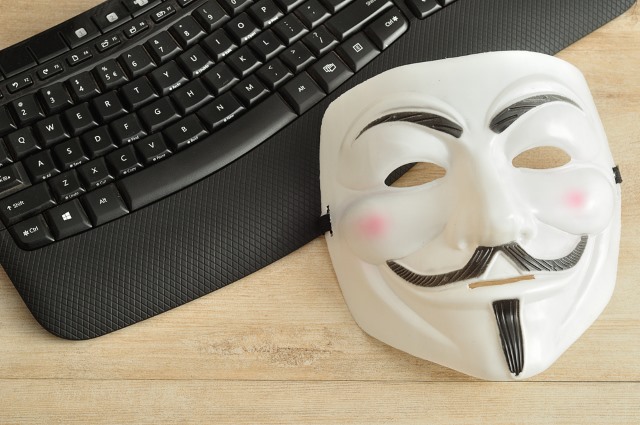
Just Google it: Anyone could have 'hacked' and doxxed Trump like Anonymous
Shortly after hacking into Donald Trump's voicemails and leaking messages, Anonymous declared all-out war on the presidential candidate. Earlier this week, the hacktivist group launched #OpWhiteRose and doxxed the republican candidate.
Personal information about Trump -- his cell phone number, social security number and other details -- were released last week, with the group saying they were provided on the understanding that "you alone are responsible for your actions, as always". But rather than being the fruit of an elaborate hacking operation, anyone with the nous to use Google and Wikipedia could have gathered exactly the same information for themselves.
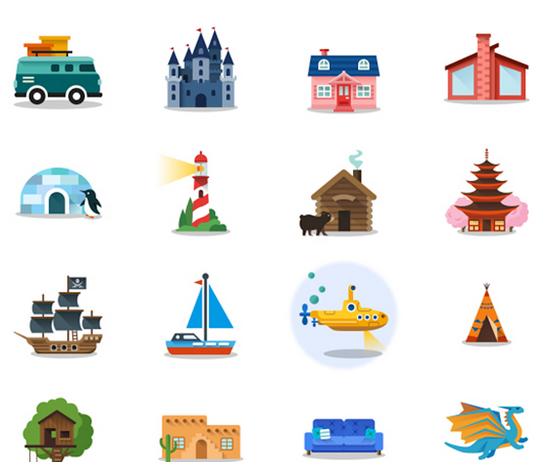
Google Maps for Android gets pretty stickers
When I was in elementary school, and even early into high school, I would decorate my notebooks and binders with stickers. In the 80s, it was Garbage Pail Kids, and as I got older, rock bands and such. Yeah, I was totally cool.
In the tech world, customization is always popular, including stickers. Think about it -- some people decorate their laptops with stickers, while other folks put case badges on their gaming PCs. Today, Google is bringing virtual stickers to Google Maps on Android.

Android Marshmallow's Factory Reset Protection may be useless on your smartphone
Last year, Google introduced a kill switch in Android to prevent lost or stolen handsets from being reused. Formally known as Factory Reset Protection, this security feature has been designed to, among other things, only allow the intended owner to use the device after a factory reset has been performed. In theory, it is a great idea, so much so that some markets have actually made a kill switch mandatory, in an attempt to deter smartphone theft.
In practice, however, Factory Reset Protection is not as effective as you might expect -- it can be bypassed on the latest version of Android, 6.0.1 Marshmallow, and in the latest Android N preview.
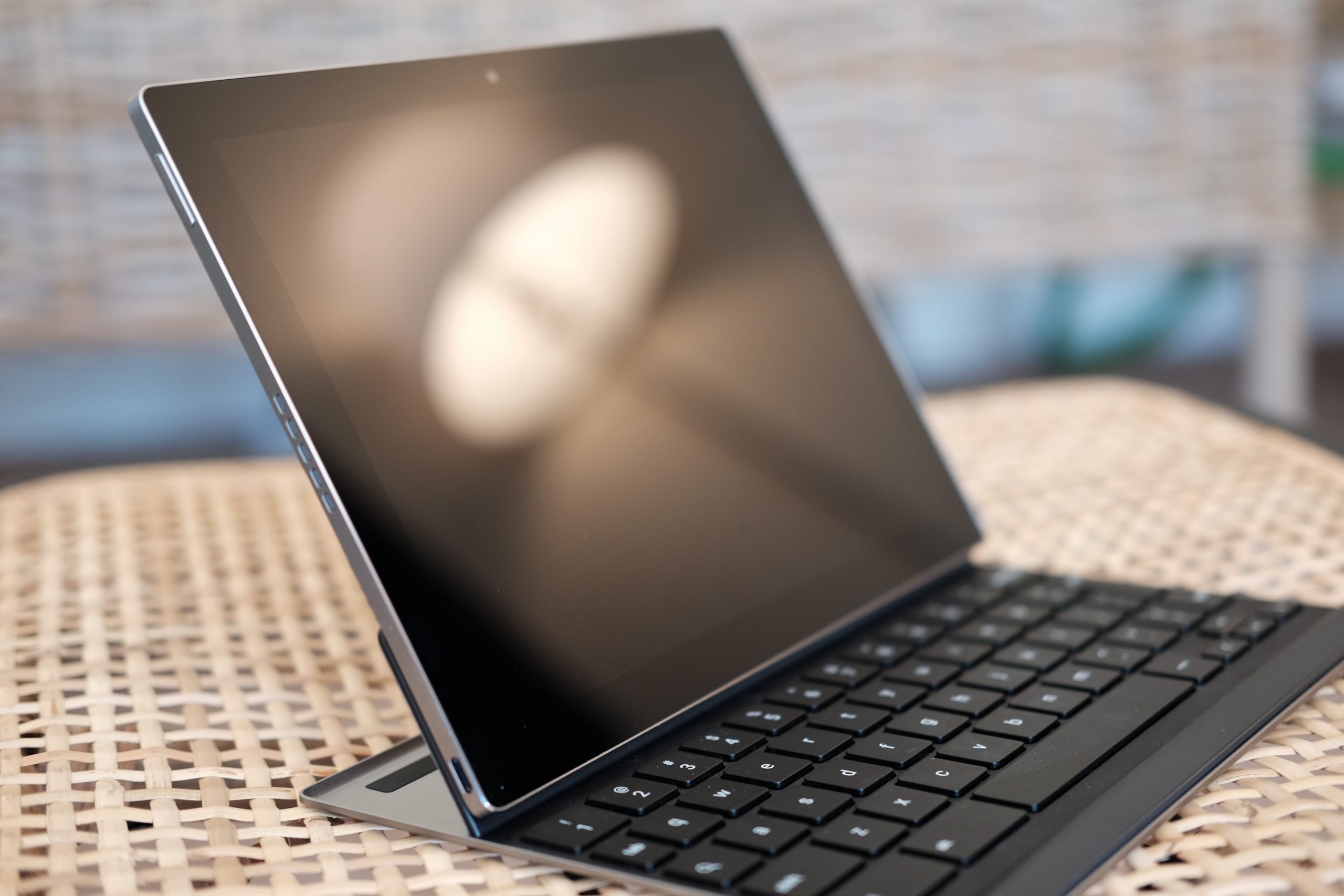
Sizing Up Google Pixel C [Review]
If you're thinking about buying Pixel C, Google gives two good reasons to do so now: Android N beta program and developer discount on the hardware. The tablet normally sells for $499 (32GB) or $599 (64GB) but you could instead pay $375 or $449, respectively. Keyboard is another $149. The discount and beta OS are meant for developers, but anyone can get them.
Pixel C is the best Android tablet I have ever tested, but that's acknowledging prejudice against Samsung tabs, which are worthy contenders, but I dislike TouchWiz UI. Sammy's hardware hums, particularly the stunning screens. But only Google serves up a Marshmallow feast in Android 6.0, and the hardware design and construction are preemo to the max. For less than $400, Pixel C might as well be free, there is so much value here.
Google's Single Sign On adds support for Microsoft Office 365, Facebook at Work, Slack and more
Besides being the super poplar search engine, email provider, work and collaboration services provider, Google is also used, by a number of different services, as an identity provider.
It allows people to register and log into different online services using their Google account. Now, the company announced it’s expanding the feature to add a number of new services, some of which are direct competitors.
Fossil unveils luxurious Q Marshal and Q Wander Android Wear smartwatches
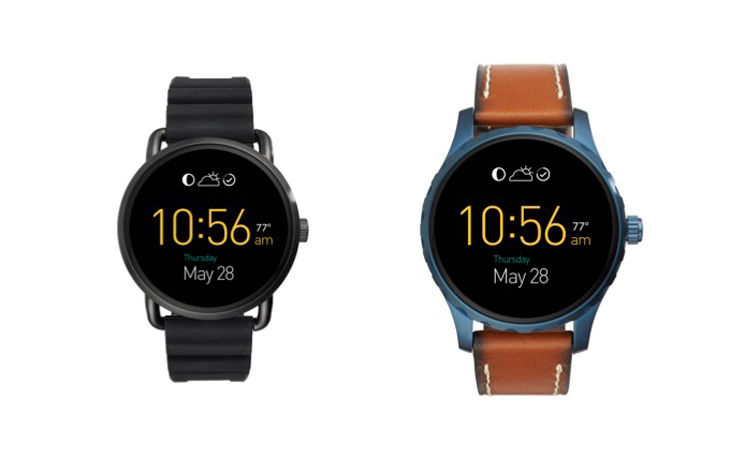
When the Apple Watch was announced, I was a bit dubious. While I was sold on the smartwatch concept, and liked the devices that beat Apple to market, I wasn't sure that consumers would want luxury -- and premium prices -- mixed with their tech. The first Android Wear watches were not stylish, but as time marched on, manufacturers started to follow Apple's wise luxury-focused lead. Watches based on Google's platform can look nice!
Today, Fossil announces two new Android Wear smartwatches -- the Q Marshal and Q Wander -- and they are both luxurious and attractive. Should Apple watch out? Pun intended.
Google now accepting applications for open source Summer of Code 2016
If you are a college student, you probably look forward to the summer as a relaxing time away from learning. Yeah, I get it -- school can be very stressful, but sleeping late and vegetating won't result in meaningful growth.
Instead of wasting your summer, why not learn about open source? If that sounds boring, then maybe it isn't for you. However, if you are excited by the possibility of working on an open source project like Fedora, KDE, LibreOffice or VLC, then you should sign up for Google's Summer of Code 2016.

Google doubles top Chrome Reward Program payout to $100,000
Many people look at hackers as bad guys, and yeah, some are. However, some of these people are actually good -- their work is beneficial for security. When they discover exploits, and report them, it can result in more secure software -- if companies listen, that is.
Google is a huge proponent of for-good hacking, and it even has its own Chrome Reward Program aimed at motivating these people. Basically, Google will pay hackers to find and report security issues in its Chrome software. Today, the company is upping the ante by increasing how much it will pay out.

Encrypt all the things! Facebook, Google and WhatsApp to increase privacy and encryption
Privacy and security has always been a hot topic, but never more so than in recent months. The Apple/FBI case has really brought things to a head, enlivening the debate between privacy and security advocates, and those who side with the government. As Apple fights to prevent the FBI from accessing the San Bernardino shooter's iPhone, Facebook, Google and others are looking to increase encryption and lockdown user data even further.
The Guardian has learned that a number of Silicon Valley companies are working on ultra-secure encrypted messaging systems. With President Obama having made a sideways reference to supporting the inclusion of backdoors for government, Facebook is planning to not only bring encryption to Whatsapp's voice messages, but also to bolster the security of Facebook Messenger.
Google releases Android N Developer Preview and how-to install guide
As the battle between iOS and Android rages on, it can be said that both operating systems are wonderful. True, Apple's offering allows more timely updates, but Google's mobile OS is available to many manufacturers for various device types. It is clear why Android is the most-used mobile operating system in the world -- it allows affordable devices, while Apple simply doesn't.
Today, Google shocks the tech world by releasing the first official Developer Preview of Android N -- the successor to the wonderful Marshmallow. It is available for many Nexus devices, and you can install it now. Google even shares a handy how-to guide below.

Android Lollipop now reigns supreme, surpasses KitKat
The adoption of new Android distributions rises at a glacial pace so you should not expect the latest -- and, arguably, the greatest -- of the bunch to gain traction quickly. In fact, up until this month, the landscape was dominated by KitKat, which is now two and a half years old, and not Marshmallow, which Google introduced last October.
However, going into March, things have changed. KitKat no longer reigns supreme, as Google reveals that Lollipop is now finally running on more devices than its older brother. The usage share difference is relatively small, however, suggesting that it may take a while before KitKat will be as irrelevant as, say, Ice Cream Sandwich.

Plan your next vacation with 'Destinations on Google'
One of my favorite things to do each year is go on a cruise. Since I am not wealthy, it is a great way to take a vacation without breaking the bank. While the trip itself is great, knowing that a holiday is on the horizon keeps me happy and motivated to work hard during the rest of the year -- a light at the end of a tunnel, if you will.
Planning a cruise can be simple, but more in-depth vacations can be much more difficult. Deciding on travel, hotels, rental cars, food, and more can be dizzying. Luckily, the always-helpful Google wants to make your vacation-planning easier. If you want to make your plans using a mobile device, the all-new 'Destinations on Google' should make you very happy.