
Mysterious Windows driver causing problems for users
If you’ve been experiencing weird problems with Windows over the past couple of days, the problem could be down to a mysterious driver that Microsoft has pushed out for Windows 7, Windows 8.1, and Windows 10.
The driver, called "Microsoft -- WPD -- 2/22/2016 12:00:00 AM -- 5.2.5326.4762" is causing a couple of problems for users, including failed installations, and Windows Phones and Android devices failing to connect to the target PC.
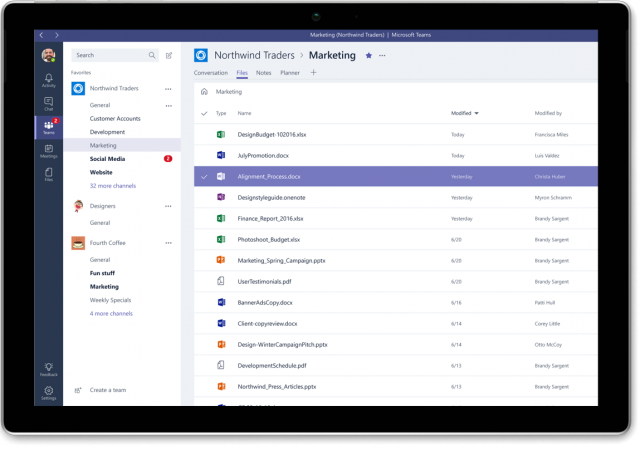
Microsoft Teams will be generally available on March 14
Microsoft is preparing to officially launch its competitor to Slack, Teams, which it announced last November.
Microsoft will begin the rollout of its new product by first making it available to Office 365 customers. The launch event and the global rollout will take place on March 14.
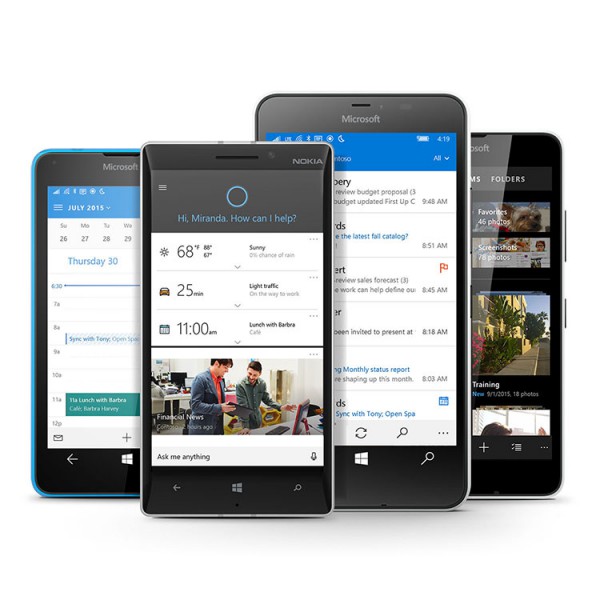
Windows 10 Creators Update Preview Build 15051 for Mobile arrives on the Fast ring
With the Windows 10 Creators Update edging ever nearer to being ready for release, Microsoft is working hard to fix bugs and tidy things up.
Today sees a new build for Mobile (a new build for PC is expected in a day or so). Build 15051 offers a lot of changes, improvements and fixes including:

Microsoft reissues its infamous snooping patches for Windows 7 and 8.1
It’s good to keep Windows up to date, as it ensures you’re safe from the latest security threats, and you might benefit from other improvements. However, you shouldn’t always blindly install every patch that comes along.
Case in point are the infamous snooping patches KB2952664 (for Windows 7) and KB2976978 (for Windows 8.1), which today get yet another outing.

Microsoft shuts down So.cl social network
The So.cl experiment will soon be over, as Microsoft's Fuse Labs just announced that it will shut down the social network this month. Launched nearly five years ago, So.cl was meant to appeal to users wanting to share search queries and results.
So.cl seemed to be eyeing a very limited audience from the start, a belief confirmed over the years by the lack of any official figures from Microsoft about its userbase. Alexa puts So.cl's global ranking at just over 466,000 -- to put things into perspective, MySpace is currently in the 3,075th place.
How to disable ads in File Explorer in Windows 10
Microsoft has used Windows 10 as a vehicle for advertising in a variety of ways over the months since its launch. We've seen ads in the Start menu, via taskbar popups and on the Lock screen; now you can find them in File Explorer.
Users have reported the appearance of advertisements for Microsoft's own OneDrive service as they browse the contents of their hard drive(s). You may well think that this is unacceptable, so we'll show you how to disable ads in File Explorer. Even if they haven’t shown up for you yet, there's no harm in taking preventative measures.

Microsoft and Samsung react to Vault 7 CIA leaks -- Google, Linux Foundation and others remain silent
The Vault 7 document and code cache released yesterday by WikiLeaks revealed that many big software companies were being actively exploited by the CIA. Apple, Microsoft, Google, Samsung, and even Linux were all named as having vulnerabilities that could be used for surveillance.
Apple was one of the first of the companies mentioned in the documents to speak out and address concerns and security. But while the iPhone manufacturer has quickly indicated that it has fixed "many" of the vulnerabilities, Microsoft and Samsung have merely said they are looking into the issues raised. Other companies and groups mentioned have made no comment at all.
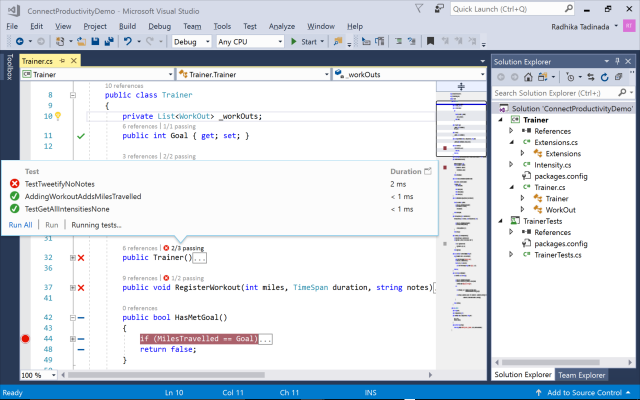
Microsoft releases Visual Studio 2017, Visual Studio for Mac Preview 4
Microsoft today releases Visual Studio 2017 and the fourth preview of Visual Studio for Mac. The latest official version of its longstanding IDE for Windows adds improvements related to productivity, performance, mobile apps, cloud development, DevOps and the ecosystem surrounding Visual Studio.
Visual Studio 2017, according to Microsoft's blog post announcing the release, features an improved startup and project load times, better navigation, the ability to edit files without having to open a project or solution, CMake support and Linux support for C++, Xamarin Forms Previewer, a new Connected Services experience, the ability to build .NET Core 1.0 and .NET Core 1.1 apps, support for Azure App Service and more.

Microsoft and Google increase bug bounty payouts
Keen as ever to squash any security issues and bugs that might arise in their software, both Microsoft and Google have announced increases in their bug bounty program payouts. Microsoft has doubled some awards, while Google has used others to make knowing jokes.
Two increased rewards from Google include "leet" references. Find a Remote Code Execution bug and you could bag yourself $31,337 (up from $20,000); execute "Unrestricted file system or database access" and you could earn $13,337 (up from $10,000). While Google's increases are permanent, however, Microsoft's are just temporary.
Here are all the features Microsoft removed or deprecated in Windows 10 Creators Update
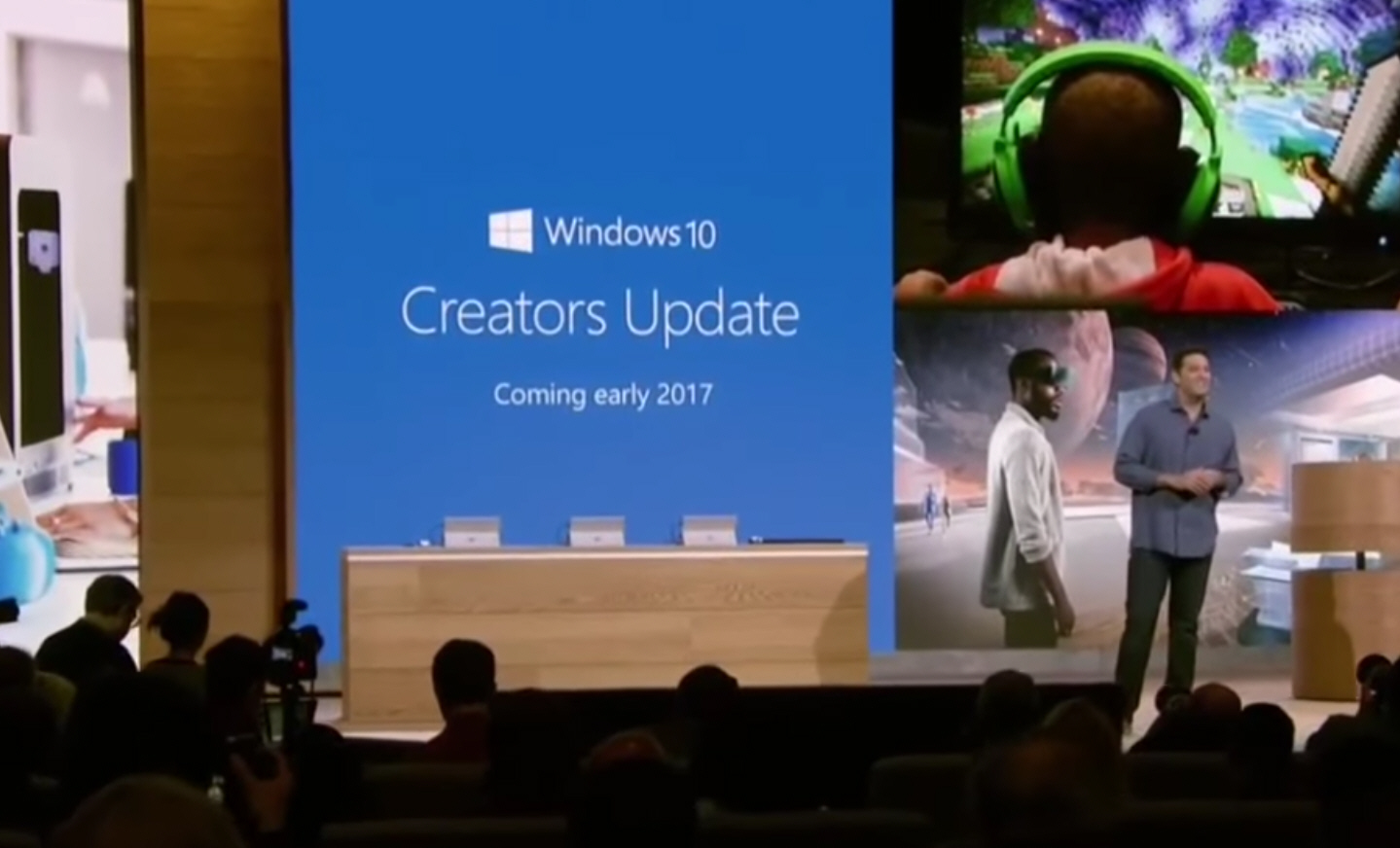
Windows 10 Creators Update is scheduled to arrive in April, and Microsoft is putting the finishing touches to things now, with not one, but two new builds arriving last week. The desktop watermark found on previous Windows Insider builds has been removed now, indicating just how close we’re getting to release.
While the Creators Update introduces a lot of new features, including 3D content, Game Mode, Game Broadcasting, Edge improvements, more Cortana functionality, and improved control over privacy and updates, Microsoft has also removed or deprecated some features from the OS. Here’s what’s missing.
Windows Mixed Reality arrives in Windows 10 build 15048 with a demo you can try!
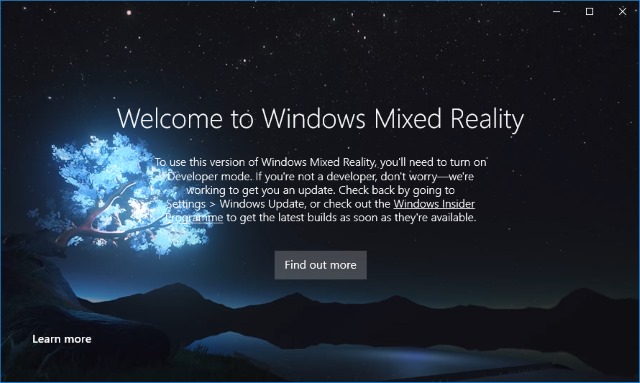
From the look of the changelog for Windows 10 build 15048 that was released a few days ago to Insiders, it looked to be little more than a bug fixing release. But in fact Microsoft has already started to include references to -- and even a portal for -- Windows Mixed Reality.
We have seen reference to Windows Holographic in Windows 10 before, but this is the first time there has been anything to play with. It coincides nicely with Microsoft revealing that Windows Mixed Reality is the new name for Windows Holographic, and it gives Insiders the chance to not only see if their computer meets the recommended specs, but also to try out a Windows Mixed reality simulation.

Surprise! Windows 10 Creators Update Build 15048 for PC and Build 15047 for Mobile arrive on the Fast ring
Windows 10 Insider Preview builds have been coming thick and fast as Microsoft gears up to release the Creators Update next month.
Three days ago, Microsoft rolled out Build 15046 for PC, and today -- in time for the weekend -- the software giant releases Build 15048 for PC and Build 15047 for Mobile.

0patch creates a 0-day patch for Windows gdi32.dll vulnerability before Microsoft
Following the revelation of vulnerabilities in Windows, Internet Explorer and Edge by Google, and the delaying of the traditional Patch Tuesday, Microsoft security update practices have been in the spotlight. Google's Project Zero has exposed security issues that Microsoft is yet to fix, so a third party has decided to step in to help out.
A new project going by the name of 0patch has created a "0patch" for a zero-day, addressing the Windows gdi32.dll memory disclosure (CVE-2017-0038) yet to be fixed by Microsoft. As the issue is unlikely to receive an official patch until at least the middle of March, this third-party option is all that's available for now.

How does Game Mode speed up games in Windows 10 Creators Update?
Microsoft has promised that the arrival of Game Mode in Windows 10 Creators Update will improve the performance of games. This sounds great in principle, but how does it work?
Microsoft has already said a little about what's going on, but really it has not gone far beyond saying that more processor and GPU cycles will be dedicated to compatible games. But speaking at the Game Developers Conference this week, Xbox Advanced Technology Group's Eric Walston went into a little more detail.
Microsoft's Unified Update Platform means smaller Windows 10 build downloads after Creators Update
Back in November, Microsoft started to talk about its Unified Update Platform (UUP), with the promise that differential packages would lead to a reduction in the size of updates for Windows. Now the company has announced that the same technology means new builds of Windows rolling out to Insiders will also be smaller, and it's something everyone will enjoy from later in the year.
It's an idea that's not entirely removed from the differential sync technique that's due to arrive in OneDrive -- another change that sees Microsoft reducing bandwidth usage. Smaller Windows Update downloads and smaller sizes for major updates to Windows itself will hit the retail version of the operating system from Windows 10 Creators Update onwards.