
Hide your folders with these 3 free tools
Your PC has some files you'd like to keep private. Encryption is the best way to protect them from snoopers, but if that's too much hassle you could simply hide their folders, so that they’re no longer visible from Explorer.
This isn't enterprise-grade security, of course -- your files may be hidden, but they’re still on the drive, in their original form, and a determined attacker could retrieve them. But if you just want to keep something out of sight of friends or family, and they've no reason to suspect you’re hiding anything in the first place, the technology could work very well.

What do you like about Windows 10?
Wow. What a wicked week it is for Microsoft platforms. As May closed, Insider Preview Build 10130 dropped, followed by a preorder page for OEM versions. Then came the big reveal just five days ago: Windows 10 will be available on July 29th. System requirements are out now, though. On June 3rd, the company showed off devices designed for the operating system. A day later, Office 2016 Preview updated with new features, many tapping cloud services. Yesterday, Build 10135 release notes leaked.
Fitting with the "beta" in BetaNews, it's time to pose the big question for those of you daring enough to grab Windows 10 now ahead of next's month's big release. Most of the BN writing team runs the operating system. I'm late to the upgrade party but will join the gang later today or tomorrow. Meanwhile, I ask: What do you like about Windows 10? If you must: What don't you like -- and, related, what do you still want?
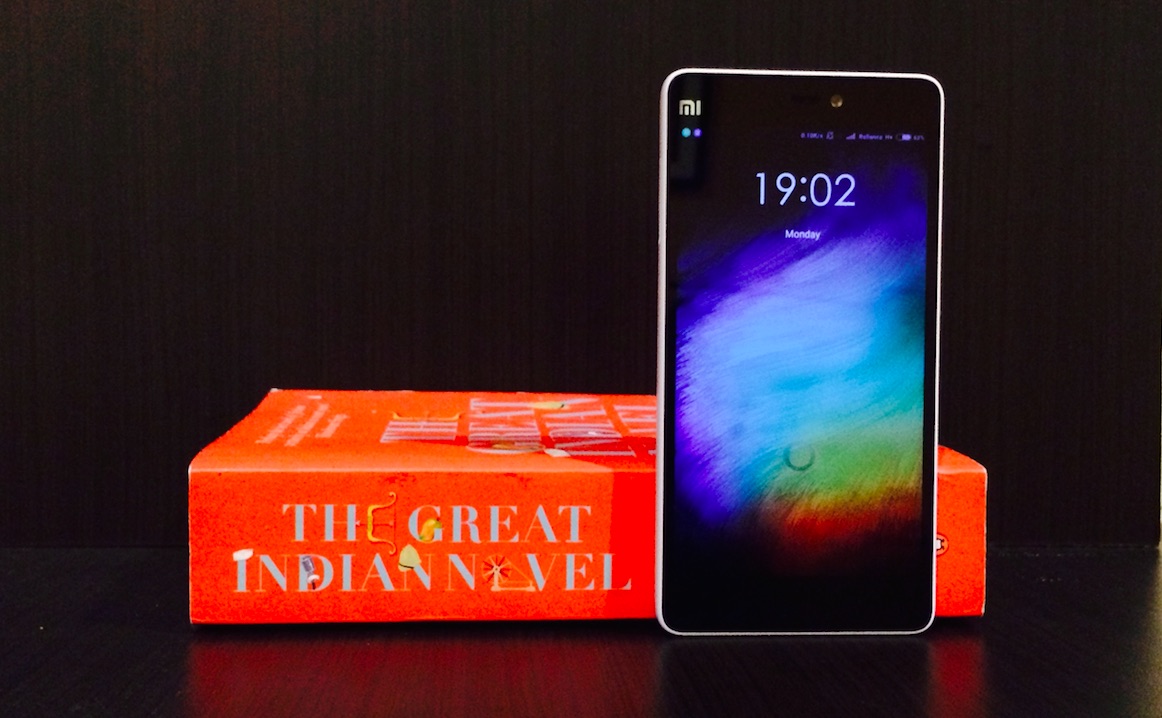
I bought a $200 Android 'flagship' smartphone and it changed everything
A few weeks ago my one-and-a-half-year-old Nexus 5 started to misbehave. Its power button wasn't holding up well, forcing the phone to switch off a dozen times, while also making it a chore to turn the phone back on again. I realized the phone was on its last leg. I also have an iPhone 5s, but I mostly use it to listen to podcasts, take phone calls, and take photos. Suffice to say I'm an Android guy. With OnePlus announcing its plan to release the successor of its One flagship in Q3 later this year, and LG reportedly working on the successor to Nexus 5, I decided to purchase a cheap phone running Google’s software to keep my boat floating until these much-anticipated smartphones begin to trickle up on the market. This led me to purchase the recently launched $200 Mi 4i smartphone from Chinese conglomerate Xiaomi. After using it for a couple of weeks, I don't think I want to upgrade to a new phone this year.
The smartphone market has seen many new forces arrive in the last couple of years. These new players have changed the landscape entirely, pushing new phones with top-notch capabilities at an increasingly competitive price point. We now have plenty of options in both the low and mid-tier categories. The dirt-cheap $100 Moto E is a decent entry-level smartphone, and the $180 Moto G entices users looking for a more efficient phone. The Lenovo A7000 offers 4G LTE capability for less than $150, and $100 Android One smartphones from Micromax, Karbonn Mobiles, and Lava offer the up-to-date software and reasonably good specs. But I wanted a phone that offers a high-end processor and top-of-the-line hardware modules; Xiaomi was offering me just that.
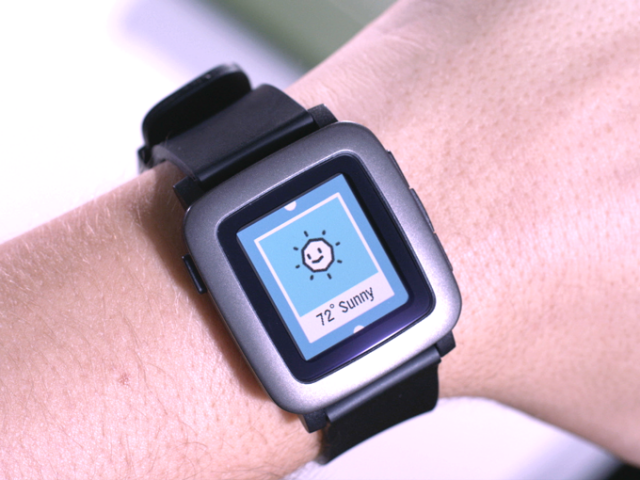
Pebble Time app now reaches iPhone users
Pebble Time, the latest watch from the manufacturer, is beginning to slowly roll out, rewarding Kickstarter backers first. For those already sporting the wristwear, and who happen to be iPhone customers, Pebble has now released the official app to the iTunes store.
This will allow customers to begin setting up rewards, grabbing new watchfaces and getting apps for their new watch. Users can even manage software updates for the watch, contact support and drag to reorder the apps, a process that will sync to the watch.

UK government switches to Google rather than Microsoft for cloud storage
The UK's HMRC -- the government department responsible for tax -- is switching allegiances in its choice of cloud storage providers. Her Majesty's Revenue and Customs is switching to Google Apps as more and more departments move away from Microsoft services.
Earlier in the year, the Cabinet Office and Department for Culture, Media and Sport ruled out using Office 365, but found Google offered more suitable collaboration options. As reported by The Register, the move illustrates the government's increased trust in Google's ability to securely store sensitive data offshore.
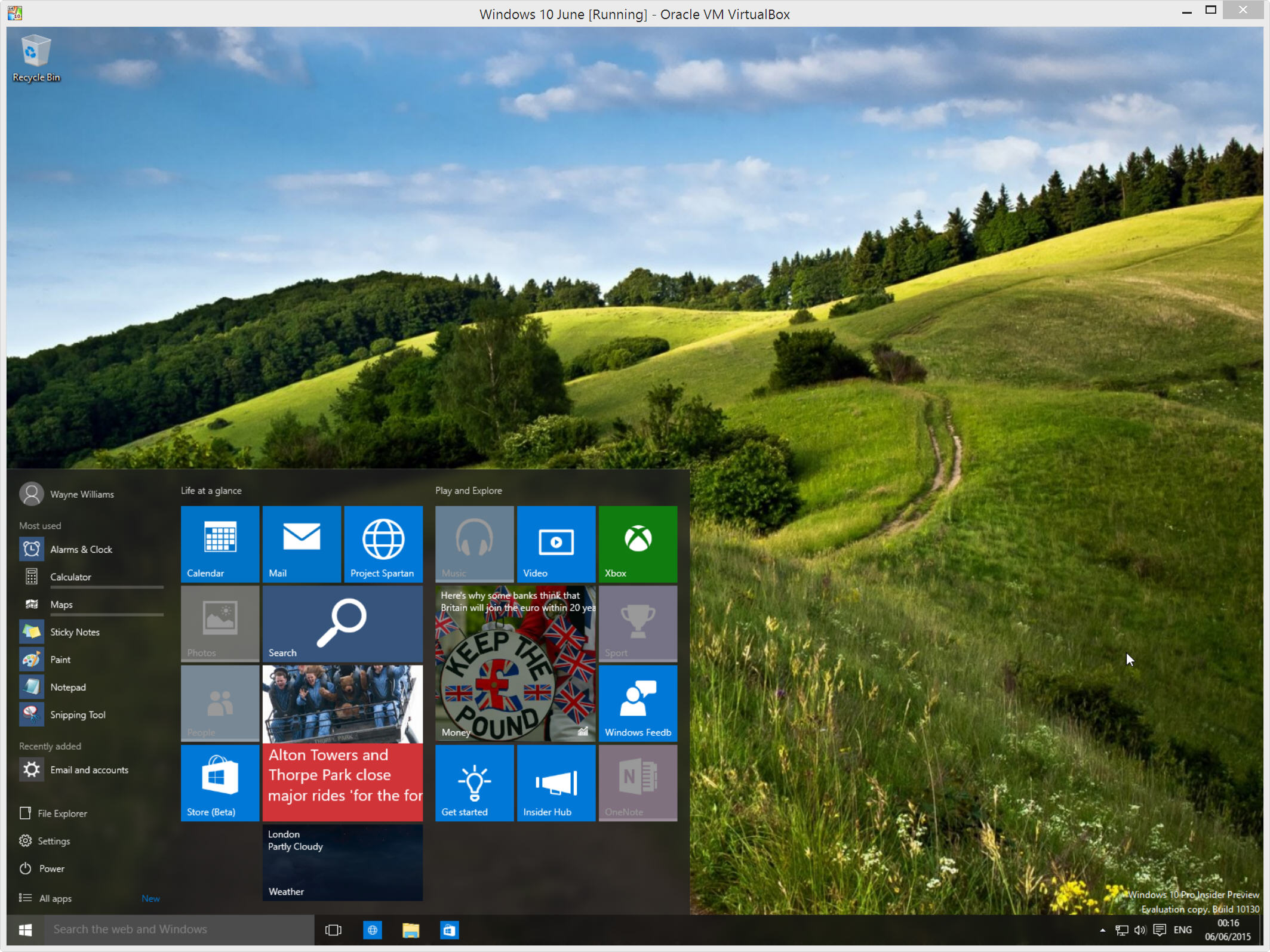
How to install Windows 10 Insider Preview on Oracle VirtualBox [Updated]
Microsoft has just released ISO files for Windows 10 Insider Preview Build 10130. This build is currently only available to Insiders on the Fast ring due to the presence of a couple of major bugs that Microsoft is looking to squash before making the release available to testers on the Slow ring. The ISOs have been released to allow people who are having problems upgrading through the usual Windows Update route to install the build.
As with the previous releases, Build 10130 is still an early version of the OS, so you wouldn’t be advised to run it as your main operating system, especially with those unresolved bugs, and while you could set it to dual boot, running it in a virtualized environment is a much more sensible idea.

PayPal angers consumers with telemarketing agreement
Anyone who’s ever received an automated PPI spam phone call will know that receiving pre-recorded messages, often which have no relevance to you whatsoever, can be very annoying. In fact, unwanted telemarketing of any kind can be a real turn-off for consumers, which is why many people are disappointed by recent changes to PayPal’s terms of service.
The company website lists the new agreement clearly and suggests that customers could soon be receiving a lot more unsolicited calls and texts from not only PayPal, but its affiliated businesses too.

Microsoft releases Windows 10 Insider Preview Build 10130 ISOs -- too buggy for Slow Ring
As we move closer and closer to July 29, Windows 10 is shaping up to be a very solid operating system. Unfortunately, it is not yet perfect. I have been testing Build 10130 and while it is markedly improved over past releases, it still has bugs. The most frustrating of which is the occasional non-functioning Start Menu. For whatever reason, it stops working sometimes, requiring me to reboot to resolve.
Because of bugs, Microsoft has decided to hold this Build back from Slow Ring users -- for now, at least. In a strange move, however, the company releases the ISO images anyway.
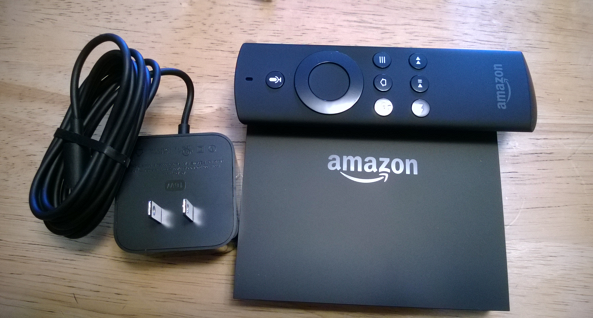
Amazon Fire TV rises to the top of US set-top box market
Last year Amazon rolled out its competitor in the set-top box market, the Fire TV. The box seemed to be a hit, and the price point was right to compete, at $99. That places it squarely in the crosshairs of Roku and Apple. But how is it fairing in this tight market?
According to a recent report the answer is "quite well". According to Strategy Analytics, the retail giant is pulling in a whopping 30 percent of the current streaming media device market. In fact, the top four makers account for 90 percent of the total market.

Selectively block web scripts, styles, frames and more with Policeman
Scripts, applets, analytics and ads: the web has a wide range of content which might compromize your privacy. And normally there’s not a great deal you can do about it.
Policeman is a Firefox add-on which helps you fight back, by giving complete control over which content you’d like to access, and which should be blocked.

Forget cables, the Internet of Things could be powered by Wi-Fi
There is currently a battle underway over the Internet of Things. Samsung has its ARTIK platform while Huawei is pinning its hopes on its tiny LiteOS -- and Microsoft has Windows 10's AllJoyn feature which could prove pivotal in the widespread uptake of the IoT.
There is still plenty of scope for innovation, and it seems that the next great leap forward for connected devices could be the delivery of power over Wi-Fi. A team of US researchers have developed a technique that can be used to power small devices without the need for wires or battery changes.

Linux-powered Steam Machines now available for order -- Gamers, grab your credit cards
PC gaming has historically been a Windows-affair. For the most part, this works rather well. After all, Microsoft's operating system is easy to use and has incredible hardware compatibility. With that said, Windows does have a fair bit of overhead both from a performance and price perspective.
For many people, a Linux-based operating system makes more sense as it is free in cost while being lightweight from a performance perspective. In other words, the modular nature makes Linux ideal for focusing on gaming. Valve's long-promised Steam Machine concept was designed with this in mind, and after a long wait, you can finally order one.
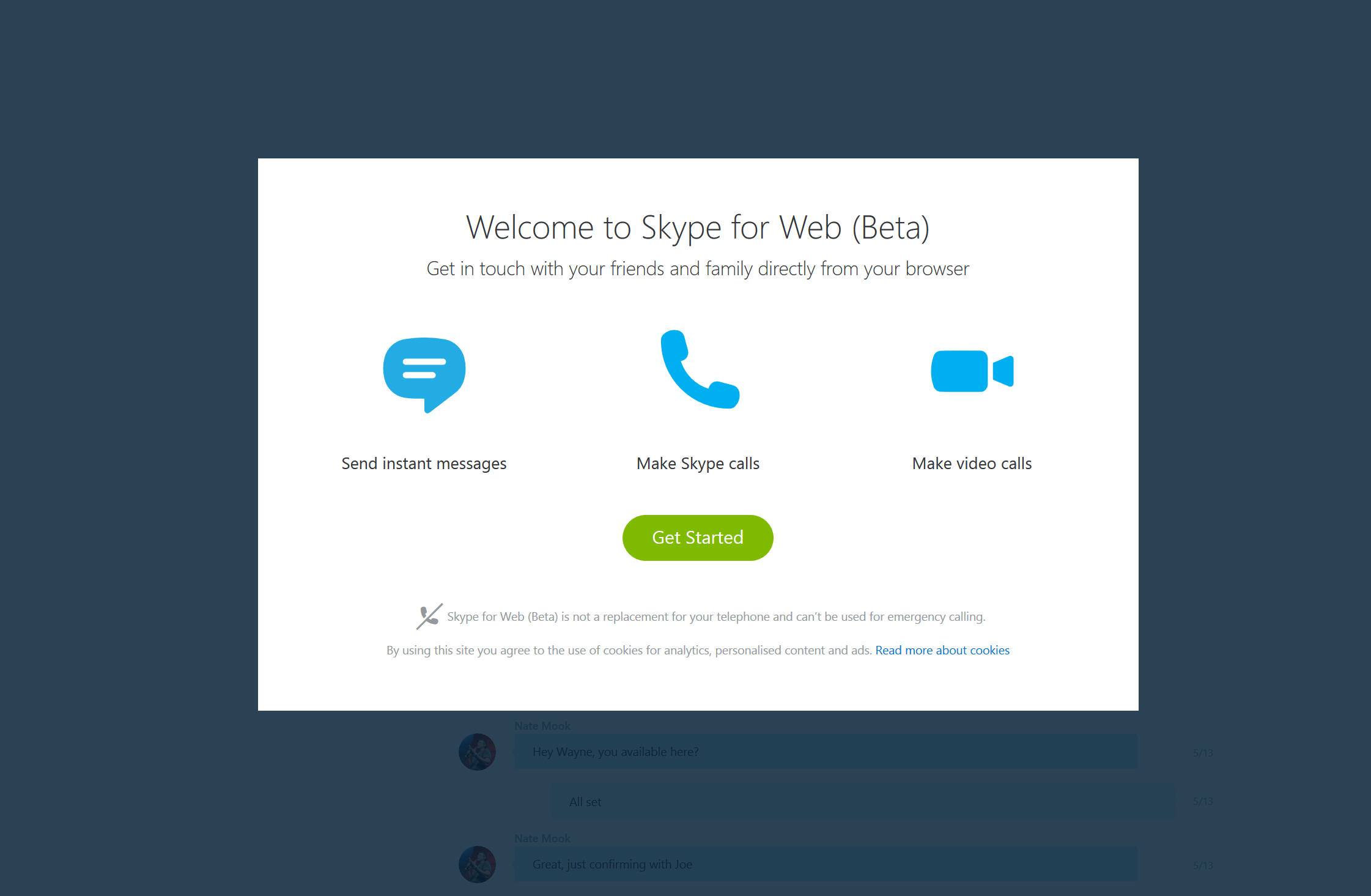
Skype for Web (Beta) now available to all US and UK users
The web-based version of Skype first debuted last year, but as an invite-only service. Today however, Skype is opening it up to new and existing users in the US and UK.
To use the service just go to web.skype.com and sign in (or sign up) and you can send instant messages, and make Skype or video calls directly in your browser.

Uber's adding 'hundreds of thousands' of new drivers monthly
Uber made some impressive announcements at its San Francisco headquarters for the fifth anniversary of the mobile taxi service. Chief executive Travis Kalanick revealed one million drivers have worked on Uber and it is adding "hundreds of thousands" of new drivers every month.
The ramp on Uber’s growth is massive, steadily moving upward from 2010 to 2013 and escalating in 2013 and 2014 to massive heights. It has 26,000 active drivers in New York, more than the entire Medallion workforce and its San Francisco drivers make more revenue than the entire taxi industry in the city.

20,000 London police officers will wear body cameras
Police in London are about to be equipped with 20,000 cameras on their bodies, together with tablet computers, improved computer systems and 999 text messages.
No, of course a single police officer won’t be wearing all 20,000 of them.