Nymi NFC bracelet brings 3-factor authentication to your devices -- for a price
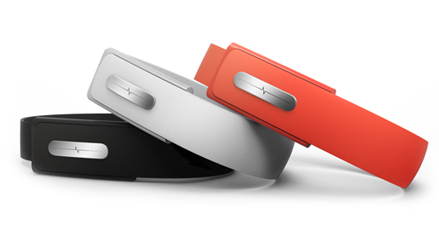
We've already seen an NFC (Near Field Communication) ring and it looks like a full complement of body adornments may soon be available. The latest addition to the jewelry box is an NFC bracelet from Nymi which will, when it sees the light of day, give owners the ability to unlock their smartphone with their heartbeat.
This might sound a little wacky but, just like your fingerprint, your heartbeat has a unique pattern to it meaning it can be used to uniquely identify you. Being a bracelet, the Nymi is worn around the wrist and when you need to authenticate to unlock your phone, a simple press of the sensor on top is all it takes. Of course, you need not limit yourself to unlocking your phone. The bracelet could also be used to replace car keys, make payments in stores and to open hotel doors.
Kickoff time -- Microsoft details NFL partnership
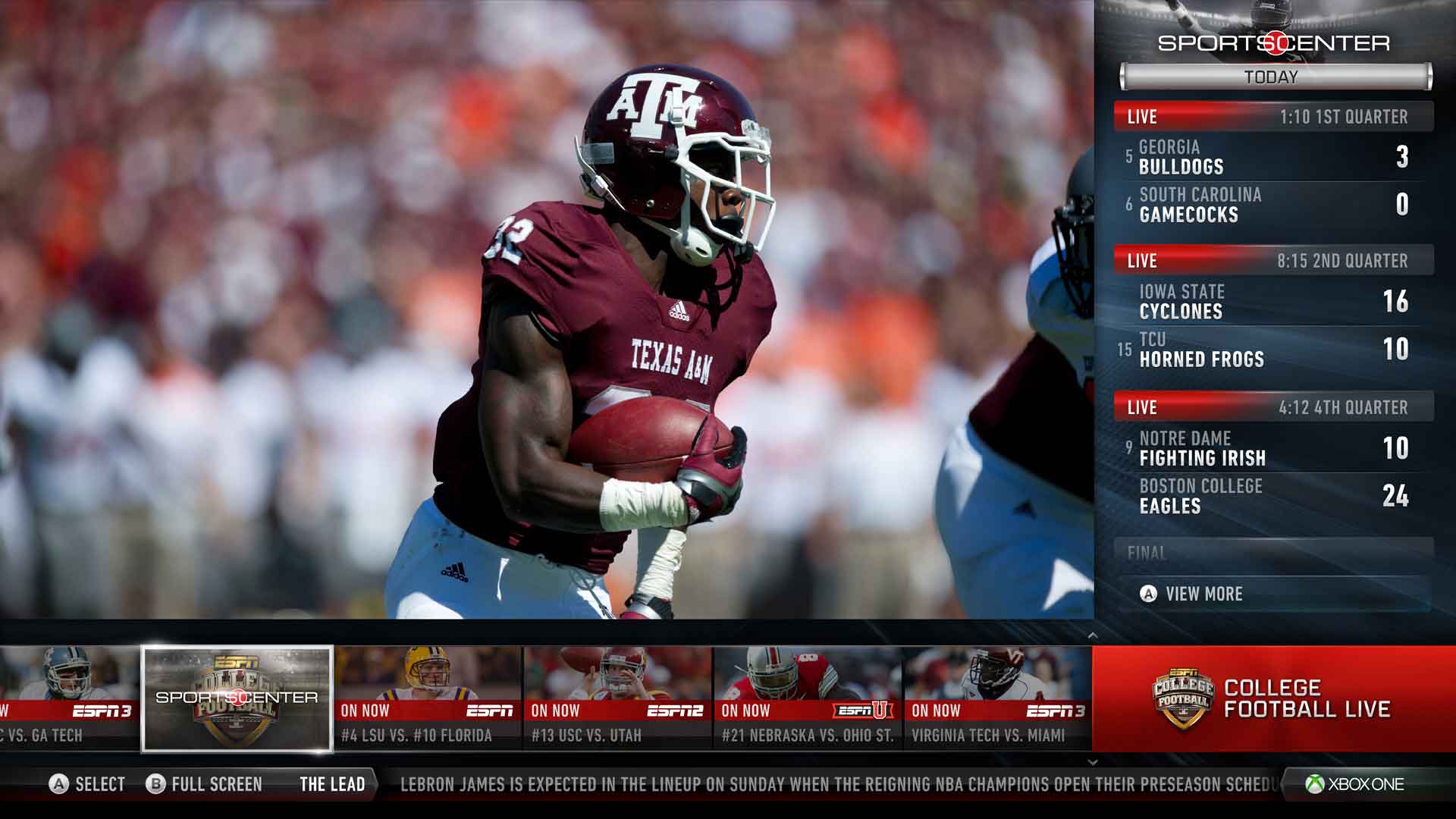
The long Labor Day weekend is now behind us and though it is sad to see summer go, every cloud has a silver lining, and for many of us that lining glows on Sunday afternoon from September to February. In May of this year Microsoft partnered up with the National Football League and today the company details a bit more of what has come from this marriage of technology and gridiron.
"Surface is landing on the NFL sidelines with select club personnel to support teams with player health initiatives. Surface will help keep important player medical information at the fingertips of team trainers and medical staff in the locker room and on the field. This includes the X2 concussion assessment app to quickly diagnose potential player concussions after a hard play. Surface tablets and the X2 app will be an additional tool to help medical staff and trainers to determine whether a player should return to the game", said Surface director James Bernstrom.
Sweet! Google unwraps the next version of Android: KitKat
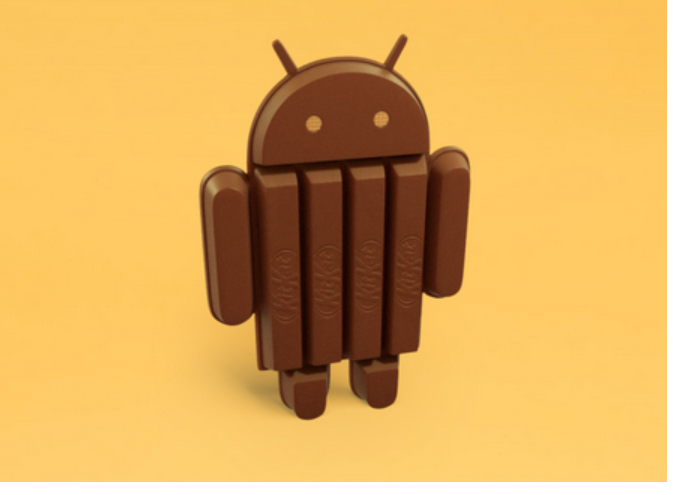
In something of a surprise move, Google announces that the successor to Jelly Bean will not be Key Lime Pie as everyone was expecting but… KitKat. There are no details of just what Android 4.4 will have to offer, or when we can expect to see it, but the new KitKat website promises to "make an amazing Android experience available for everybody".
The name might seem like something you would expect to hear announced on April 1, but this is no joke. The Nestlé website confirms that the next version of Google's operating system will be named after the "popular chocolate and wafer confectionery".
Lenovo finally evolves to Haswell -- new Business ThinkPads and ThinkVision display
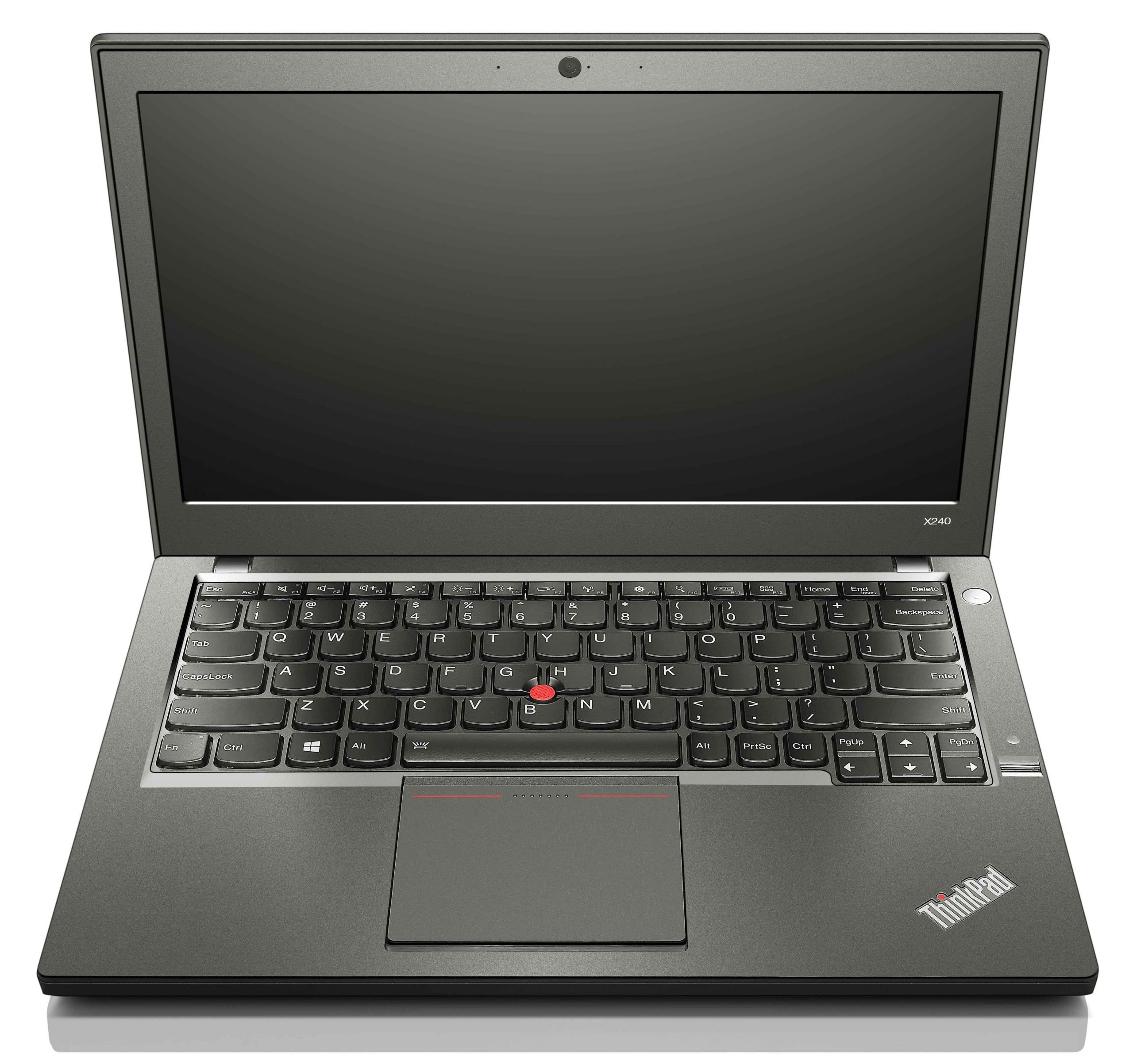
When it comes to quality, the name Lenovo is one that comes to mind. Following in the tradition of IBM before it, Lenovo has maintained the tank-like construction and elegance for which the ThinkPad brand is known. Unfortunately, many of their recent products, while wonderful, are powered by Intel's Ivy Bridge and not the current-generation Haswell. Today, that changes as the company announces an evolution in the product line -- Haswell is here.
"The ThinkPad T440s, T440 and X240 Ultrabook laptops demonstrate a deliberate and purposeful look and feel. The new modern design of the ThinkPad laptops delivers the performance users expect in business while eliciting the excitement and appeal of a consumer designed laptop. This includes 20 percent thinner form factors, a variety of panel options and up to 45 percent larger trackpads with improved click functionality supporting Windows 8 gestures", says Lenovo.
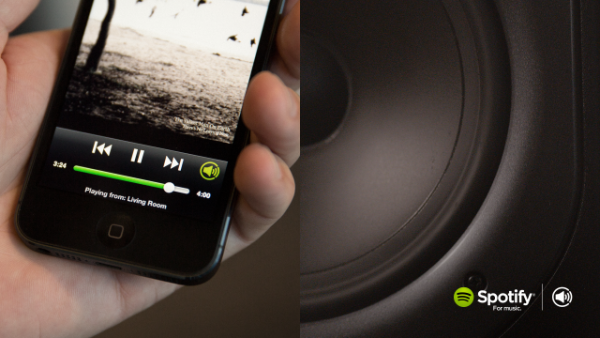
Spotify Connect is like Google Chromecast for your music
Spotify users with both an iOS device and a premium subscription -- oh, and at least one set of compatible speakers -- will soon be able to take advantage of a new Chromecast-like feature. Spotify Connect allows for a seamless music experience, transferring music playback between devices and sound systems. Everything can be controlled using an iOS app, turn your iPhone into the ultimate music remote.
The new service is showcased in a YouTube video that demonstrates the ease with which music can be transferred from one set of speakers to another. Walk home from work listening to your favorite album on your iPhone earphones, and as soon as you step through the front door you can push the music to your home stereo.

DisplayFusion 5.1 lets users split monitors into multiple virtual displays
Binary Fortress Software has released DisplayFusion 5.1, a major update of its multi-monitor management tool for Windows. Available in both free and Pro versions, the latest version adds a number of notable new features, plus improves compatibility with the forthcoming Windows 8.1 release and promises better quality generated wallpaper images.
The headline new feature is support for monitor splitting, which allows folks to set up multiple "virtual" monitors. Binary Fortress claims this feature will particularly suit high-end users with AMD Eyefinity or Nvidia Surround setups.
Vodafone sells its share of Verizon Wireless for $130 billion
Vodafone, the UK-based communications company, has sold its 45 percent share of Verizon Wireless to US telecoms group Verizon Communications in one of the biggest deals in corporate history.
The $130 billion deal was announced yesterday after the close of the London stock market but Vodafone's shares had risen 3.4 percent during the day on the back of rumours that it was going to take place. Around 70 percent of the proceeds will be returned to shareholders in a special bonus payout during the first quarter of 2014. Investors will have a choice of receiving this in cash or Verizon shares. Vodafone chief executive Vittorio Colao describes the payout as being a reward, "for the long term support of our strategy since our initial investment".
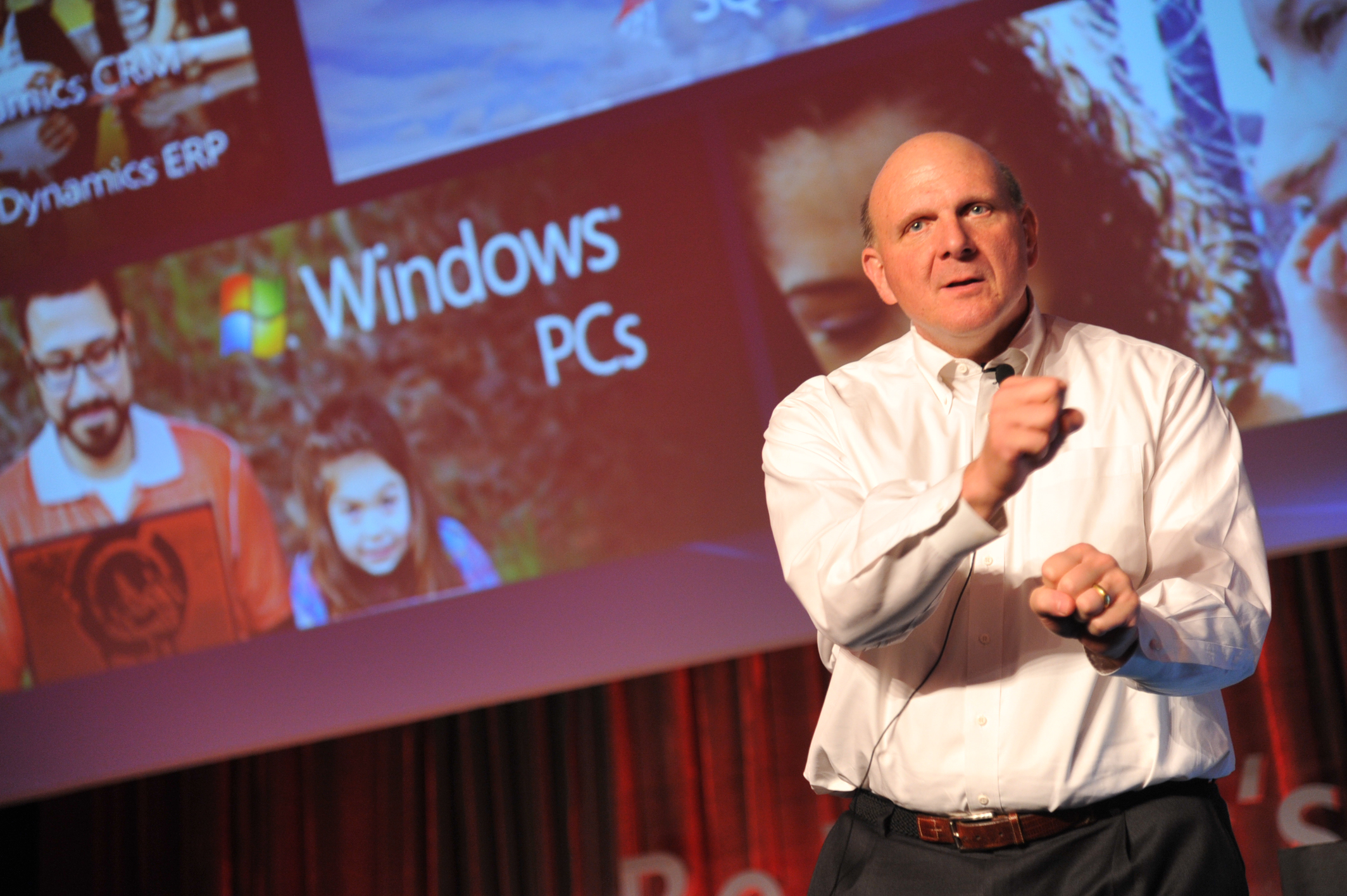
Steve Ballmer addresses Microsoft employees, following acquisition of Nokia's Devices & Services
Earlier today, Microsoft announced that it is buying Nokia's Devices & Services business and licensing the rights to use the Finnish company's patents, in a deal which will cost the software giant a mere €5.44 billion in cash. Microsoft will pay €3.79 billion for the phone-making arm and another €1.65 billion to take advantage of the patents. Also included in the terms of the arrangement is a separate HERE license, which will give Microsoft the right to use Nokia's mapping services in its products.
Following the announcement, Microsoft CEO Steve Ballmer sent out an email to the software giant's employees, explaining what the purchase of Nokia's phone-making business entails for Microsoft's corporate structure as well as its future strategy. Ballmer previously revealed that he will retire within a year. Coupled with the latest news, this will undoubtedly further fuel the already heated debate, surrounding his successor.

Cloud computing helps SMEs compete
Adopting cloud computing can help smaller businesses compete with larger organizations according to communications and data center specialist Node4. However, many have yet to embrace the full potential of the cloud despite the fact that it can give them a competitive edge.
Node4 says that making the switch from using a capital expenditure model to a pay-as-you-go operational expenditure plan opens up opportunities to use enterprise grade IT without the hassle of maintenance.
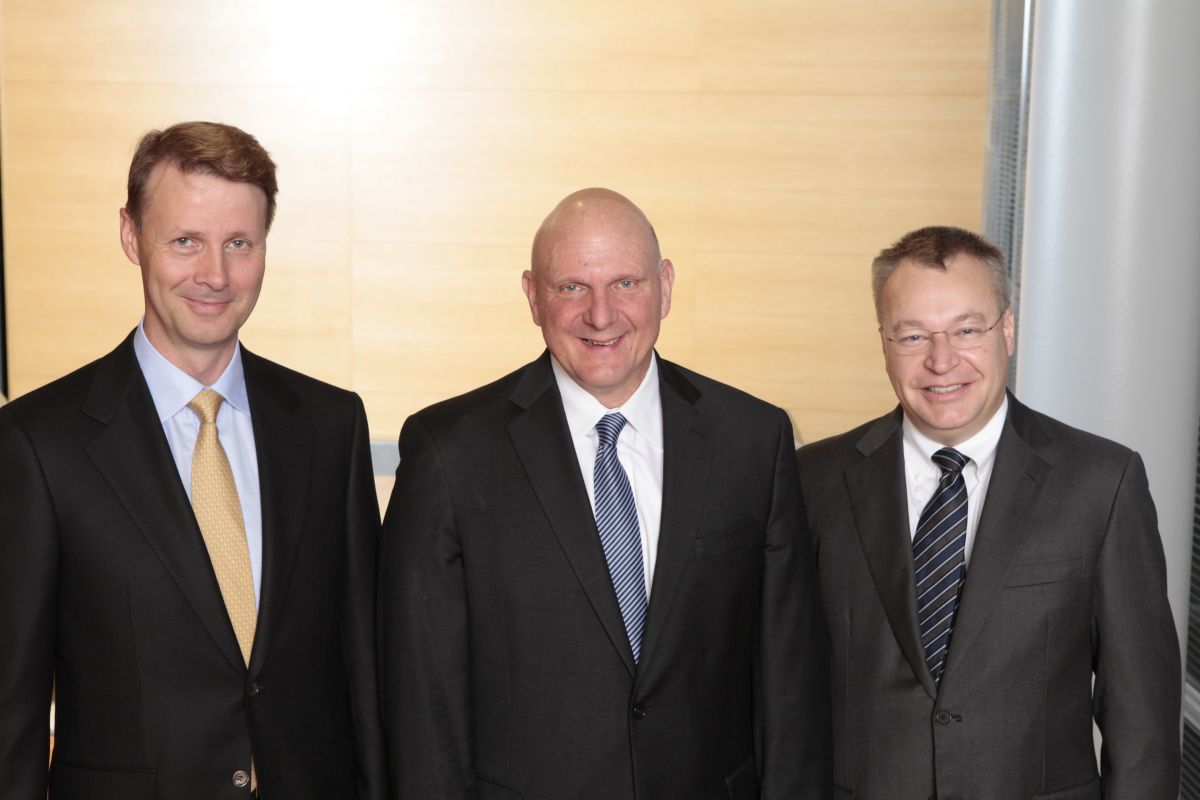
Microsoft to buy Nokia's phone business for just €3.79B
That's not a bad deal -- far from it, in fact. Nokia is leading the pack on Windows Phone sales, has a broad patent portfolio and a former Microsoft executive -- Stephen Elop -- as CEO. The software giant is buying the Finnish company's Devices & Services business -- its phone arm -- and the right to use its patents for just €5.44 billion. Yes, that's right -- just €5.44 billion.
That is considerably less than what Microsoft paid for Skype -- $8.5 billion -- in 2010. Both deals involve trading cash, but whereas the latter has yet to bear fruit across all of Microsoft's services, the former is actually at the forefront of turning Windows Phone -- the software giant's smartphone operating system -- into a solid mobile proposition and competitor to Android and iOS. Not a bad deal.
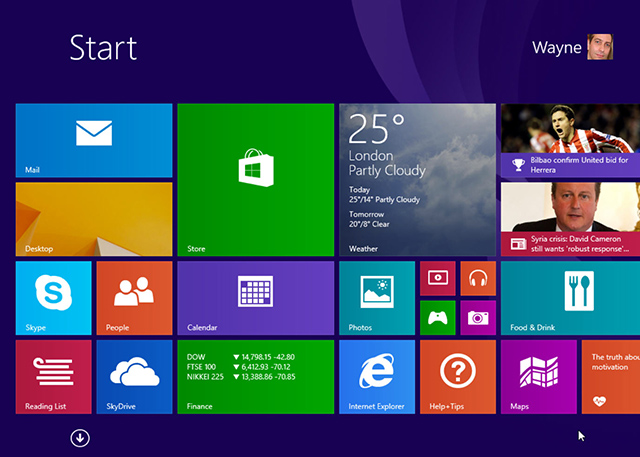
Why I love Windows 8.1
Eighth in a series. It feels weird admitting this. Akin to declaring a fondness for Piers Morgan, or dancing in public to One Direction, almost. But I like Windows 8.1. A lot.
I was never a fan of Windows 8. In fact I'd go so far as to say I detested the Modern UI which on my uber-fast desktop system simply got in the way when I was trying to work and slowed me down or tripped me up. Every time I wanted to do something simple like launch a program it insisted on throwing me out of the desktop and into a weird tiled nightmare I couldn't wait to wake up from.
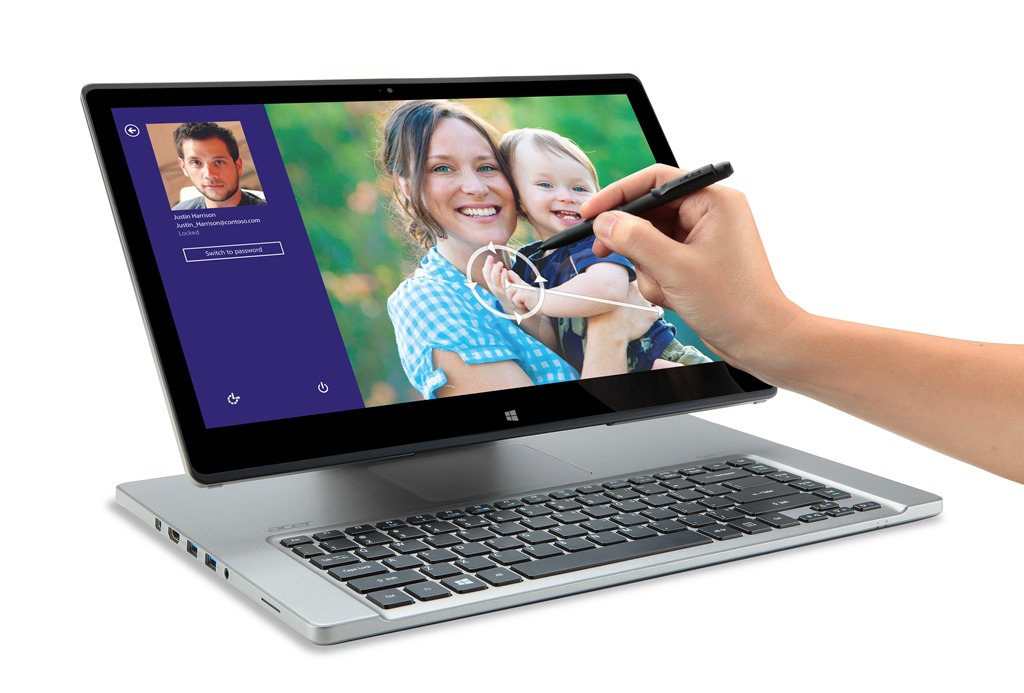
Acer unveils R7 with 'Ezel hinge'
New design concepts are certainly not in short supply these days, with manufacturers throwing just about everything against the wall in hopes that a product sticks. This has resulted in some rather weird concepts seen at the annual Consumer Electronics Show in Las Vegas every January. A number of those products never see the light of market and, honestly some really shouldn't.
Now Acer unveils a new model of an idea that apparently worked -- the Aspire R7, shown off today at IFA, a trade show held in Germany -- is an update to a model already on the market. The notebook comes with a rather unique hinge that allows for a range of different positions. The notebook is clearly intended for more of an art design crowd thanks to the screen movements and the included pen for the touchscreen.

PeaZip 5.1 simplifies scheduled archiving, improves bookmarks
Cross-platform open-source archiving tool PeaZip 5.1 is here. Also available as a standalone 64-bit build and in portable format for Windows users, the latest version adds a new Schedule tab in machines running Windows Vista or later.
The new tab, which is fully integrated with the Windows Task Scheduler, makes it easier to create scheduled archiving and extracting tasks, such as backing up or restoring data from an archive at set intervals.

Windows Phone is a 'real adversary' to Android and iOS
Or is it? It's not often that I see Windows Phone linked to being a "key player" on the smartphone market (quite the contrary, if some pundits are to be believed). But, according to a new report from Kantar Worldpanel Comtech, it appears that Microsoft's operating system has established itself as a "real adversary" to Android and iOS. That appears to be no small feat.
Between May and July 2013, Windows Phones accounted for 8.2 percent of all smartphone sales in five major European markets -- France, Germany, Italy, Spain and UK. Compared to the same time-frame from last year (when it had 4.9 percent market share), the OS grew by 3.3 percentage points, or 67.34 percent. That is a sizeable increase, however one that did not lead to Windows Phone's market share hitting double digits in a larger region (which, in my opinion, is a noteworthy steppingstone for any podium contender).

Yahoo shuts up shop in China
Yahoo China is no more. It has ceased to be. It has expired and gone to meet its maker. It is bereft of life. It rests in peace. The website now displays a goodbye message before redirecting to the news site Toaboa. As the message explains the closure comes as a result of a deal between Yahoo and the Chinese Alibaba Group.
The relationship between the two companies dates back to 2005 when Yahoo bought a 40 percent share of Alibaba. An agreement in 2012 paved the way for the closure of Yahoo China, and this had already been preceded by the closure of Yahoo Mail in the country a couple of weeks ago -- again, customers were redirected to using an Alibaba service, Alimail.