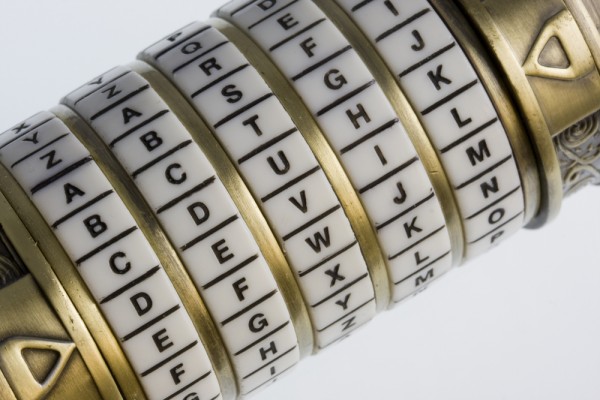
Keep your passwords safe from prying eyes with KeePass 2.21
Open-source password management tool KeePass 2.21 has been released. Version 2.21, also available as a standalone portable build, adds a number of new features, including a hex viewer mode, support for a user-defined group separator in the Generic CSV Importer and various tweaks, improvements and bug fixes.
KeePass is designed to act a single, central repository for a user’s sensitive data, from logons to credit card details. This information is encrypted with a single, master password, allowing the user to securely lock away their personal details when not required.

Attribute Changer lets you tweak file attributes, date stamps, metadata and more
When Windows Explorer doesn’t immediately provide all the information you need on a file or folder, a quick right-click > Properties will give you easy access to assorted other low-level details: attributes, date stamps, metadata and so on. But the standard Properties dialog has several limitations. It doesn’t show all the file attributes, for instance (Hidden and System are missing, others are a little hidden), while details such as file stamps are displayed, but can’t be edited.
If you’d like to take better control of your file and folder properties, then, you’ll need to get a little help from a third-party tool. And Attribute Changer‘s lengthy feature list suggests it could be a great place to start.

Microsoft Research's Blink adds burst-shot mode to Windows Phone 8
In the camera department, Windows Phone 8 is an interesting piece of kit -- users have access to a high number of customizable options and there is even support for add-ons, or lenses, as Microsoft likes to call them. But one major feature is still missing to nail that perfect picture, namely burst-shot mode.
The software giant's research arm, Microsoft Research, has introduced a new app for Windows Phone 8 devices, dubbed Blink, that fills the gap in the otherwise competent camera bag. Blink works both as an individual app as well as a lens, and allows users to snap a significant number of shots, all in one go, and save the best one afterwards.
'Infinite' cloud storage service Bitcasa set to leave beta
There are no shortage of services that can backup your data to the cloud, but now the likes of Carbonite and Crashplan have a bit more competition in the market.
Over the weekend, Bitcasa, which has generated a lot of buzz recently, sent out an email to its early testers to alert them that the service would be leaving beta on Tuesday February 5th.

British Telecom cuts its broadband prices and announces BT Cloud, a new online storage service
BT has said it will end traffic throttling, remove usage caps on all but its entry level broadband packages, and slash the price too.
Its new Totally Unlimited Broadband offering will be priced from £16 a month for 16Mbps copper broadband, £23 for 38Mbps Infinity, and £26 for 76Mbps Infinity. New customers will also get the first six months free.
Lock down almost any PC with Deskman
If there’s an aspect of your PC which you don’t like then it can normally be changed very quickly: a right-click option here, maybe launch a Control Panel applet there, install a new program perhaps, and the system should soon be more suited to your needs.
But while this configurability is great on your own computer, it’s a real problem when you want a PC to be much more restrictive: a system which you’ll install in a school, say, or a business. What you’ll probably want to do then is set up some basic configuration, and make sure your users can’t do anything to change it -- and that’s where Deskman comes in.
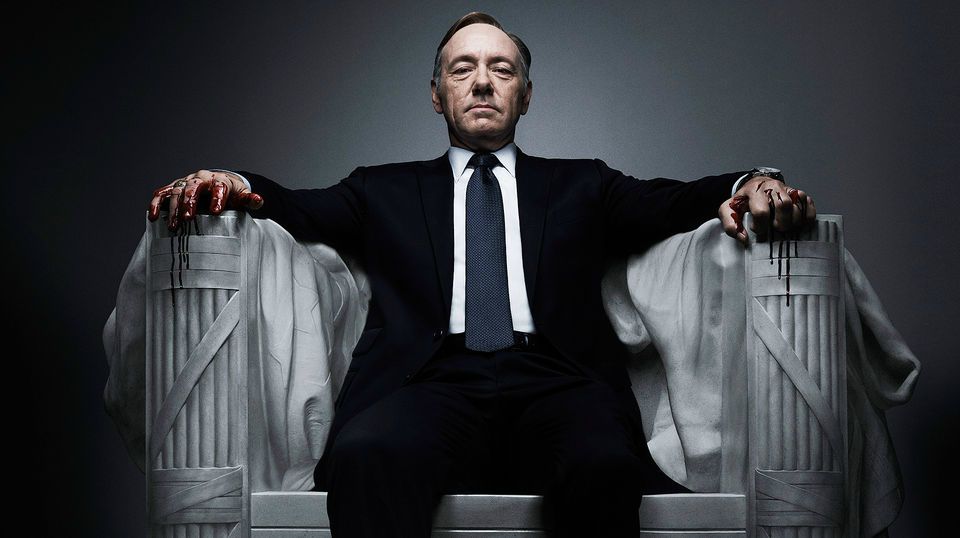
'House of Cards' is just that for big media companies
The new made-for-Netflix drama "House of Cards" is aptly named for what it represents -- a fundamental shift in entertainment creation, distribution and consumption. The political thriller is by no means the first made-for-web TV show. But the production values, storytelling and intrigue meet, and in some ways surpass, those found from cable network productions. Yes, even Showtime's popular "Homeland".
I predict that Netflix has here what HBO did with "The Sopranos" in 1999, an industry-changing series. The D.C. drama, starring Kevin Spacey and Robin Wright, shows how the entertainment industry is a house of cards new media distribution can topple. Good content can go to the web first, or only there.

avast! 8 beta is available -- get it NOW!
AVAST Software has released the first public beta of avast! 8 (or the first official one, anyway). Downloads are available for avast! Free Antivirus, avast! Pro Antivirus, avast! Premier Antivirus andavast! Internet Security.
The immediately obvious change is avast’s clean new GUI. The home page presents a simple front end to each product, dividing its functionality up into six tiles, but clicking one of the tabs at the top of the screen allows you to quickly drill down into the detail.

Twitter hacked -- approximately 250,000 accounts affected
If you've just received an email from Twitter warning that as a precautionary security measure the micro-blogging site has reset your Twitter account password, and inviting you to create a new one, you should take it seriously. Very seriously.
According to Twitter the service recently "detected an attack on our systems in which the attackers may have had access to limited user information -- specifically, your username, email address and an encrypted/salted version of your password (not the actual letters and numbers in your password)".
Android is winning the mobile platform wars
Some days the sorry state of news reporting really baffles me. Today I read numerous headlines claiming that Android tablet share surged past 50 percent in Q4, usurping iPad -- all using numbers I wrote about a day earlier. The one on CNN -- "IDC says Android is the new king of tablet market share" -- got to me. Immediate reaction: "What did I miss?" But in looking over the numbers, nothing really jumped out that IDC said any such thing. Sure iPad shipment share fell to 43.6 percent from 51.7 percent annually and from 46.4 percent sequentially. I chose to ask the analysts rather than follow the feeding frenzy.
"Android actually passed the 50 percent mark in 3Q 12", Tom Mainelli, IDC research director for tablets, says. Whoa, there's no new king at all. Android took the crown last summer. Still, that's a phenomenal achievement, setting me to write a story I couldn't imagine a year ago.
Best Windows 8 apps this week
Fourteenth in a series. Microsoft continues to publish updates for the apps that ship with Windows 8 natively. Both the finance and weather application have been updated this week. However, it is not clear what changed as Microsoft did not update the release notes yet.
As far as total numbers of applications go: the Windows Store in the US lists 21,208 free apps and 6,074 paid apps as of this morning for a total of 27,282 apps. That's an increase of 970 apps this week, which falls in line with past performances. While we have seen slower weeks, app numbers consistently grow by about a 1,000 each week.
You can steal -- ah, still get -- Windows 8 Pro cheap
I owe a commenter an apology. Let me explain. Two months ago I wrote about a Microsoft error that allowed anyone the Windows 8 Pro upgrade for $14.99, which is supposed to only be available to those who have purchased a Windows 7 PC after June 2, 2012. I took a lot of heat from our kind readers for pointing out the flaw. Microsoft also contacted me and assured me that the loophole would be fixed.
It is an easy fix, honestly. Require the user to enter a Windows 7 key and then check against the database to ensure that it was activated after the required date. It is really that simple. But, Microsoft didn't close the loophole.
iPhone wins the U.S. (kind of), but Android rules the world
Americans love their iPhones, finally enough to topple Samsung's long-time leadership. During fourth quarter, Apple nudged ahead of the South Korean electronics giant, with 34 percent share, based on shipments, according to Strategy Analytics. To be clear, the numbers are for all mobiles, not just smartphones. The distinction is important for several reasons. The American company only ships smartphones, for which demand rages. Related: Overall phone shipments fell for the year.
"Apple has become the number one mobile phone vendor by volume in the United States for the first time ever", Neil Mawston, Strategy Analytics research director, says. "Samsung had been the number one mobile phone vendor in the U.S. since 2008, and it will surely be keen to recapture that title in 2013 by launching improved new models such as the rumored Galaxy S4".
What have investors got against BlackBerry?
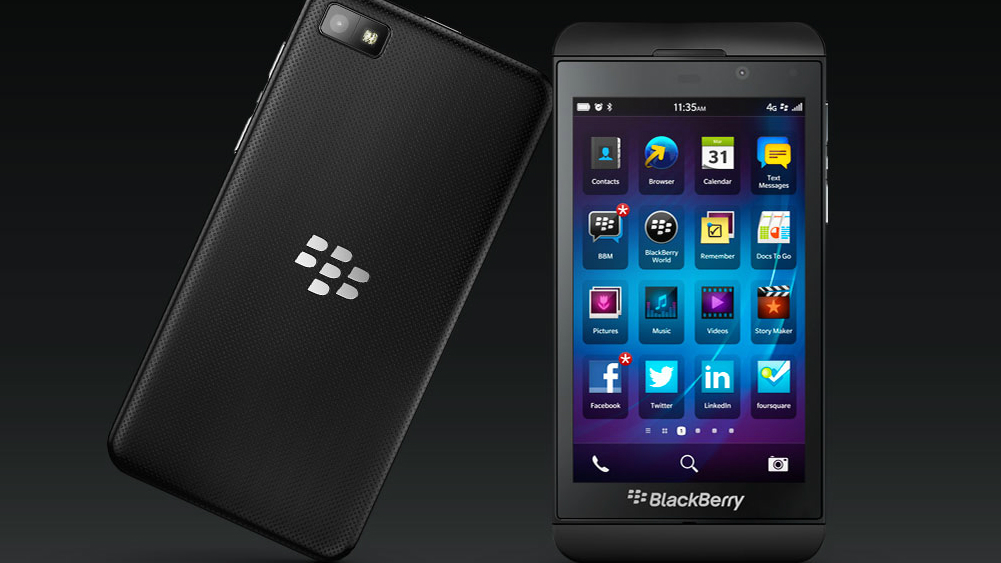
I would think that the long-anticipated BB10 platform would excite the stock market. Rather, shares of the company formerly known as Research in Motion and still listed as RIMM are down more than 26 percent from Monday's open. BlackBerry (new company name) is up about 1 percent in late-mornong trading today, but it's tiny respite from a beating that started before Wednesday's big new product reveal.
I haven't seen BlackBerry 10 up close, or the new Q10 and Z10 smartphones, but "impressed" is apt description, nevertheless. Would I switch, though, from Nexus 4 and Android? Probably not, and that is RIMM's problem -- too many people like me -- and perhaps what has legitimate investors (not pesky shortsellers) antsy. BlackBerry market share has fallen too far against Android and iOS, which, according to IDC, had 92.1 percent combined market share in fourth quarter. Once a leader, BlackBerry fights to be the far-behind third smartphone platform.
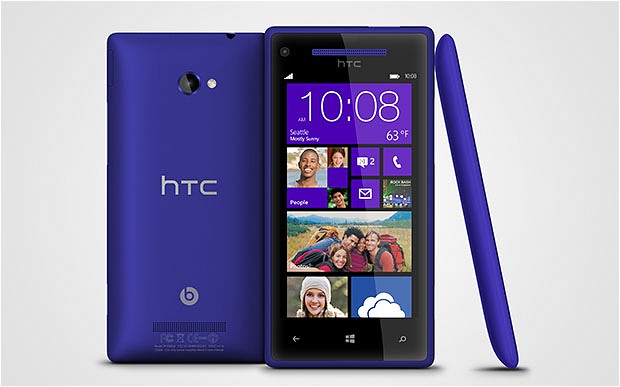
HTC Windows Phone 8X -- Purple madness [Review]
The HTC Windows Phone 8X is a smartphone that you will either love or not want to touch even with a 10 foot pole. Part of the arguments for and against it stem from the operating system of choice, Microsoft's latest (and greatest) Windows Phone iteration. Sure, the device has good build quality and the software is fluid and responsive, but the app selection is currently lacking compared to rivals like Android and iOS. So where does one draw the line between success and failure?
I've been using the Windows Phone 8X for almost two weeks and the early impressions are still on the positive side. In my initial review I touched on a number of points that I found revealing for my brief time with it, but the real test is how the Windows Phone 8X fares over a longer period of time. My main and initial gripes concern the limited app selection and general usability issues of Windows Phone 8 when coming from the stock flavor of Android 4.2 Jelly Bean. The real question is this: Is it good enough?