
Get a life! Microsoft isn't trying to be Apple
Yesterday's Steve Ballmer "devices and services company" letter unleashes a torrent of idiot punditry. I can only laugh at the sheer stupidity of writers infatuated with the idea Microsoft wants to be Apple, or putting forth such lunacy to sack pageviews.
Read Ballmer's 1,300-word missive again. Microsoft's focus on devices and services has little to nothing to do with Apple. The cloud-connected device era is here and Microsoft embraces it to maintain computing relevance. The company has been on this course for years. Research and development takes time, and the good ship Microsoft is too large to change course in a few months -- or even a few years. The sheer number of carefully coordinated new (and largely changed) products shipping simultaneously (or soon after) clearly indicates a massive undertaking long planned.

Microsoft wants to become Apple, but can't
Microsoft has a long history of copying Apple. Back in the early 90s, Bill Gates' company introduced features found in the Macintosh GUI into Windows 2.0, sparking a copyright infringement lawsuit (Apple's taste for litigation is nothing new). Microsoft arguably has pilfered ideas from its rival's OS ever since -- Windows’ taskbar and Aero Peek certainly share clear similarities with OS X's Dock and Exposé. When the iPod became a massive hit, Microsoft introduced the Zune. Apple stores are hugely popular, which is why we’re now seeing Microsoft Stores popping up everywhere. Surface, in a way, copies the iPad, although of course Microsoft has tried (and failed) to popularize tablets since 2002.
And yes, before I go too far into this article, I’m aware the above paragraph could be seen as troll bait, so I’ll point out that Microsoft copies from other companies too -- Google being a major example -- and Apple, in turn, has lifted ideas from Microsoft, particularly from its operating system. Big companies copy from one another, it’s a fact of life. My point, however, is when Apple does something exceptionally well, Microsoft is keen to try and follow suit.
Android 4.1.2 Jelly Bean comes early for CyanogenMod 10 nightly users, also brings a hidden feature
As a CyanogenMod 10 user I religiously check for nightly builds, and today I received a bonus. Yesterday my colleague Joe Wilcox wrote "Google updates Nexus 7 to Android 4.1.2" and, while it will take some time for the update to push throughout the Nexus lineup, Android 4.1.2 is already incorporated into the latest CyanogenMod 10 nightly.
CyanogenMod 10 nightly, October 10 build, is based on Android 4.1.2 Jelly Bean and sports the JZO54K build number, from the previous nightly that used Android 4.1.1 build number JRO03R. Upon a bit of research, for my Samsung Galaxy Nexus the popular Android distribution has undergone massive changes to include the "jb-mr0-release", similar to other devices such as the popular Samsung Galaxy S III, HTC One X or Google Nexus 7. Upon a bit further research it seems that apart from allowing launcher rotation, the build also includes a significant number of improvements from the previous build.
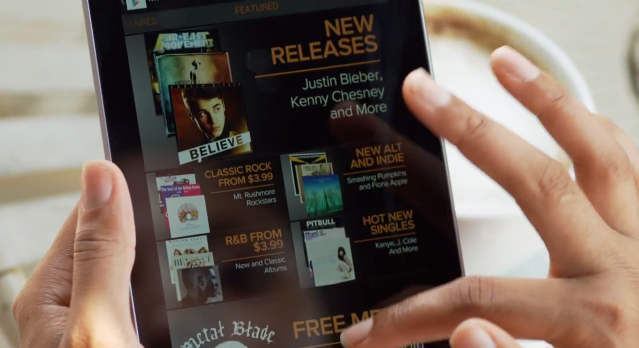
Google's new Tablet App Quality Checklist should be mandatory
My only real complaint with the Nexus 7 is the way apps are displayed. Many times developers have not compensated for a screen larger than 4 inches, and the resulting app looks terrible. Nexus 7 does a decent job of covering this up in some places due to the size of the screen, but when you come across an app that has clearly been designed for many screen sizes, you notice the difference.
Google encourages developers to design their apps to suit the operating system instead of the screen size through a variety of mechanisms, the most recent being a checklist to ensure higher quality design practices are being used when developing apps. In my opinion, this checklist should be much more than a friendly suggestion.
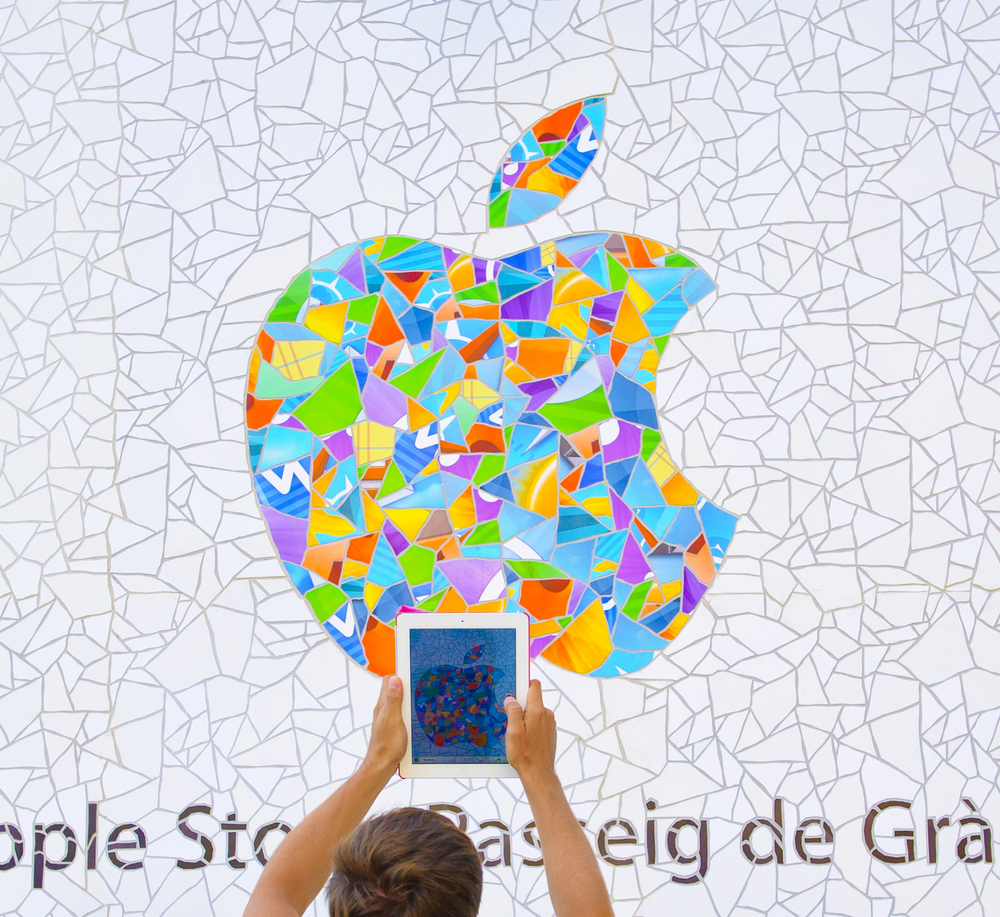
You can forget iPad mini
I did something quite shocking yesterday -- talk to my boss on the phone. Yes, we both occasionally get sentimental about such old-fashion communications. Among the topics: iPad mini, which is perennial rumor topic recently. Neither of us could quite fathom why or for what price a smaller Apple tablet makes sense. A new survey makes iPad mini all the more perplexing, and all the less a good idea.
According to an August TechBargains.com survey of 1,332 shoppers, 50 percent wouldn't buy iPad mini, while 45 percent would purchase iPhone 5. Meaningful context: The shopping comparison site conducted the survey before either product was announced, equally gauging sentiment based on rumors. Only 18 percent of respondents would buy the tablet. But that low number only hints at the deep level of disinterest.
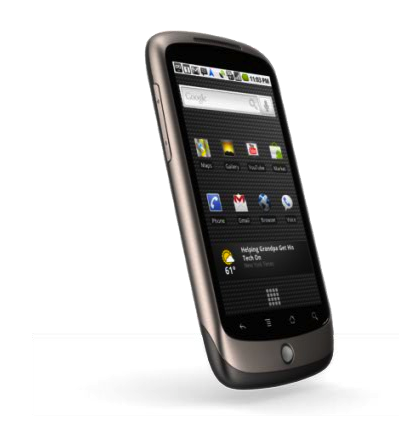
NASA sends HTC/Google Nexus One...into space
Launched with Android 2.1 Eclair in January 2010 the HTC-built Google Nexus One is more than two years old, but that is not stopping NASA from re-launching the smartphone... into space this time around.
Part of the PhoneSat program designed to create "small, low-cost, and easy-to-buid nano-satellites", in 2013 the National Aeronautics and Space Administration will launch Google's former Android flagship smartphone into space. According to HTC, NASA will not unbox the Google Nexus One and strap it on a rocket, as it was already put through thorough testing. The smartphone's first contact with space was in 2010, when it was attached to a rocket and launched to the edge of space, while also recording every step of the trip.

ExamDiff makes comparing text files easier
If you need to figure out the differences between two files on a PC then you’ve always been able to use the COMP command. And we do mean always: it’s been around for 30 years, since the days of DOS 1.0. COMP isn’t exactly the most intuitive of tools, though, so if you just want to compare a couple of HTML files, say, then we’d recommend something a little more up-to-date, in the shape of the free ExamDiff.
Launch the program and you must first point it at the files you’d like to compare. Only text files are supported (the commercial Pro versions can compare binary files, directories and add many other features: see the author’s website for details). Click OK, and both documents are displayed, side-by-side, with added, deleted or changed files highlighted.
Turn your tablet or phone into a second monitor
If you use, or have ever used, a multi-monitor computer, you’ll know just how useful a setup it can be. Have the extra space afforded you by double the usual number of monitor enables you to see more at once, work more quickly and be more productive -- but it can also be expensive and requires you to have a desk large enough to hold two monitors comfortably. If you have a mobile device, however, you can use iDisplay to gain an extra monitor from your existing hardware.
The name of the software might imply that this is something that will only be of interest to Apple hardware owners, but in fact it can be used in conjunction with an iOS or Android phone or tablet. Your mobile device does no need to be physically connected to your computer -- the desktop version of the client software is available for both Mac and PC -- which opens up new opportunities.
Lenovo's new Windows RT/8-based convertibles stand out from the crowd
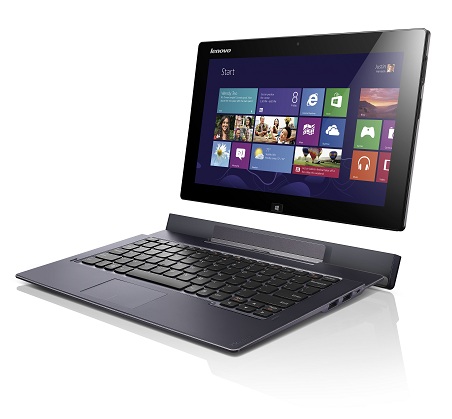
One thing is certain -- it's raining Windows 8-based devices ahead of the October 26 launch of Microsoft's latest consumer operating system. After a number of manufacturers, like Acer, ASUS and Samsung announced Windows 8-based devices, Chinese PC maker Lenovo introduced four convertibles sporting Windows RT/8 aimed at consumers and business users.
For consumers, Lenovo announced the IdeaPad Yoga 13 Windows 8-based "multi-mode" ultrabook, its smaller Windows RT-powered brother IdeaPad Yoga 11, touted as the "world's slimmest multi-mode PC," and the IdeaTab Lynx that will be launched with the recently announced Intel Atom Z2760 "Clover Trail" processor. Lenovo has not forgotten business users and added the ThinkPad Twist to the Windows 8 lineup, sporting fully-fledged 3rd generation Intel Core processors up to Core i7, and up to Windows 8 Pro operating system. Let's take them one by one and see what's what...
Microsoft releases cumulative update for Windows 8
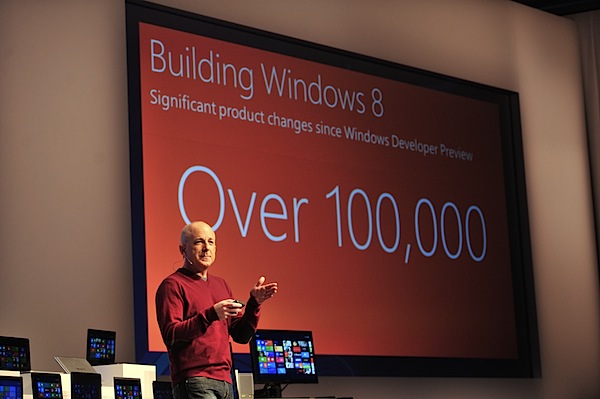
With the newest incarnation of Windows fast approaching, Microsoft has released a 102MB cumulative update for the "gold", or final, versions of Windows 8 and Windows Server 2012, designed to make the new operating system ready for general availability. According to Steven Sinofsky’s Building Windows 8 blog post, the update improves the OS’s "performance, power management and battery efficiency, media playback, and compatibility."
You can install the 'Update for Windows 8' through the control panel and see exactly what’s been addressed in the accompanying Knowledge Base article.
Nitro Reader 3 improves compression, adds auto-recovery
Australian software developer Nitro PDF Pty Ltd has released Nitro Reader 3.0, the latest version of its free PDF viewer and creator that also includes tools for filling forms and annotating PDF documents.
Version 3.0 -- also available in 64-bit form includes three major improvements first seen in Nitro Pro 8, the company’s commercial tool for creating, editing and converting PDF files, namely auto-save and recovery, smart alignment for improved static form filling and smaller PDF files sizes.
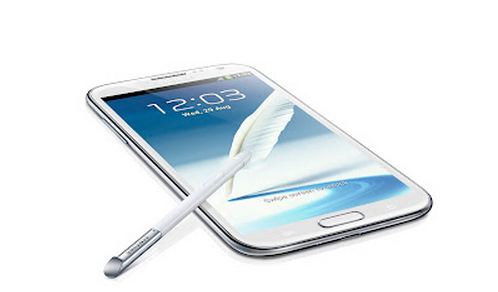
Samsung Galaxy Note II coming soon to T-Mobile
U.S. wireless carrier T-Mobile on Wednesday announced that it will bring the Samsung Galaxy Note II to its product lineup, but unlike the previous model this one does not have to make due with underpowered hardware compared to its international sibling.
Just like the international model, the T-Mobile variant of the Samsung Galaxy Note II comes with a 5.5-inch HD Super AMOLED display sporting a 1280 by 720 resolution, and is powered by the same 1.6GHz quad-core Exynos processor and 3100mAh battery with a quoted talk time of up to 15 hours. It will run Android 4.1 Jelly Bean with TouchWiz, and it will be available in two color options, Titanium Gray and Marble White.
Need to find files or folders nearly instantly? Try UltraSearch 1.7
AM Software has released UltraSearch 1.7, a major update of its super-speedy MFT search tool.
As with many similar tools, the program doesn’t waste resources maintaining an index on your hard drive. Instead it accesses the NTFS Master File Table directly, which allows UltraSearch to retrieve its results at very high speed, typically just a second or two.
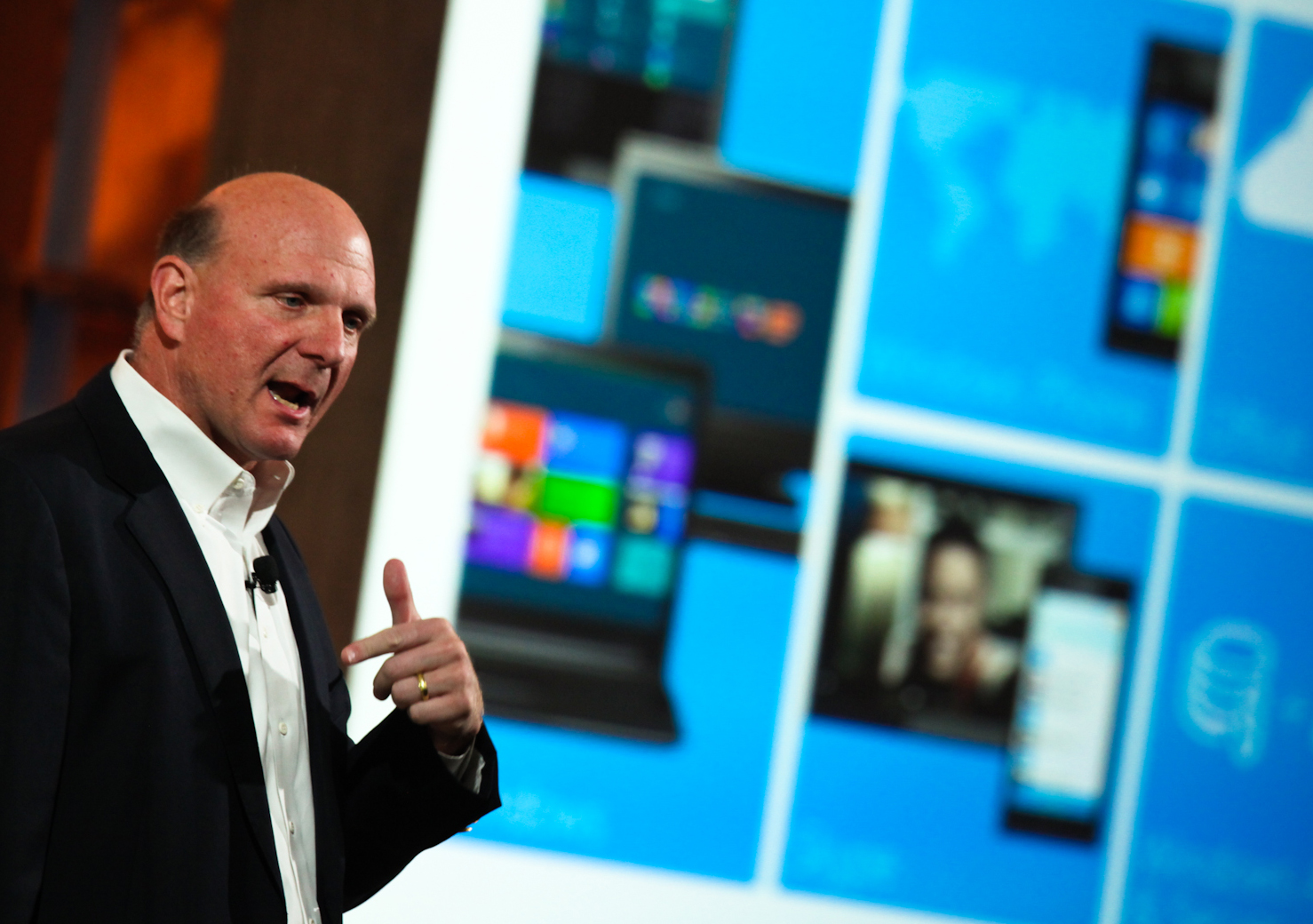
Steve Ballmer asks customers, partners and shareholders to believe in Microsoft
Today, Microsoft's CEO released his annual shareholder letter, which also is meant for customers, employees and partners. Steve Ballmer's looking back-peering ahead missive comes as the company stands on a precipice between the PC and cloud-connected device eras and seeks reinvention through an unusually strong late-year release cycle that includes Surface tablets, Windows 8, Windows RT and Windows Server 2012.
Under Bill Gates, Microsoft sought to put a PC on every desktop, with software innovation driving that effort. Ballmer describes post-PC Microsoft as a "devices and services company", which aptly describes the fundamental shift in progress. Services focus reminds of IBM, which dominated the mainframe era the PC displaced. This devices and services ambition "impacts how we run the company, how we develop new experiences, and how we take products to market for both consumers and businesses".

'Google in a box' version 7 improves enterprise search
Today, Google updated its enterprise search product, upping the number of supported languages to 60, better improving Big Data capabilities, increasing scalability and providing document previews with search results.
"Administrators can easily add content sources from secure storage, cloud services or the public web and social networking sites", Matthew Eichner, general manager of Google enterprise search, says. "GSA 7.0 also provides Google-quality search for SharePoint 2010, making for a more simple and intuitive, all-in-one search experience".