
Spotify breaks out of Apple’s payment system stranglehold following court ruling
Moving incredibly quickly after a court ruled that Apple was in “willful violation” of an injunction that ordered it to allow out-of-app purchases, Spotify has updated its app with new payment options. Developers have long been frustrated by Apple’s requirement for purchases and subscriptions to be paid for via the App Store, and Spotify is the first to take advantage of the latest ruling.
The music streaming service submitted an app update to Apple which allows users to start a Spotify subscription or change plans within the app, change plans easily, and avoid Apple’s payment system. Apple has accepted the update, so users in the US now have more flexibility.
Apple faces a £1.5bn anti-competition class action lawsuit in the UK
Apple finds itself starting a new legal battle today, this time in the UK. A class action lawsuit alleges that the iPhone maker has abused its position to overcharge App Store customers.
A second prong of the lawsuit alleges that the 30 percent commission fee Apple charges app developers runs counter to both UK and European competition laws. The UK’s Competition Appeal Tribunal will be looking into the claims and passing judgement.
Microsoft faces massive class action payouts in cloud computing pricing case
Microsoft could be hit with over £1 billion ($1.27 billion) in charges if a huge class action case brought against the firm by UK businesses succeeds.
The case centers around Windows Server, with Microsoft being accused of overcharging customers for the software. The licensing terms of the associated Azure, the lawsuit says, mean that users are channelled towards using Microsoft’s cloud offering because it pushes up the prices of services from rivals like Google and Amazon.
Google reacts to DOJ’s ‘extreme proposal’ that it should sell Chrome
The US Department of Justice has put forward proposals designed to break Google’s monopoly over online searches. Included in the DOJ’s proposals is the recommendation that Google sell off its Chrome web browser.
Other proposals include putting blocks in place that would stop the tech giant from entering into contracts with companies that result in Google being the default search engine on various platforms. Google has lashed out at the proposals saying that they go too far and would cause harm to customers and innovation.
European Commission says Apple breaks competition rules and charges too much
Apple's practices with its App Store and the policies relating to it means that the company is in breach of European Union laws. The European Commission says that Apple fails to comply with the Digital Markets Act (DMA).
The iPhone-maker has been criticized following an investigation by the Commission, and the findings say that App Store rules "prevent app developers from freely steering consumers to alternatives channels for offers and content".
Microsoft is still facing EU antitrust charges despite unbundling Teams from Office
It seems that Microsoft’s attempts to sidestep anticompetition legal action over its Teams software has failed. Although Teams has been -- begrudgingly -- unbundled from Office, the European Commission is believed to be forging ahead with antitrust charges.
Many rivals to Teams, including the likes of Slack, have expressed concern about what they believe to be anticompetitive behavior by Microsoft. Despite Microsoft decoupling Teams from Office and other software, EU officials are of the opinion that the company has not gone far enough to level the playing field.
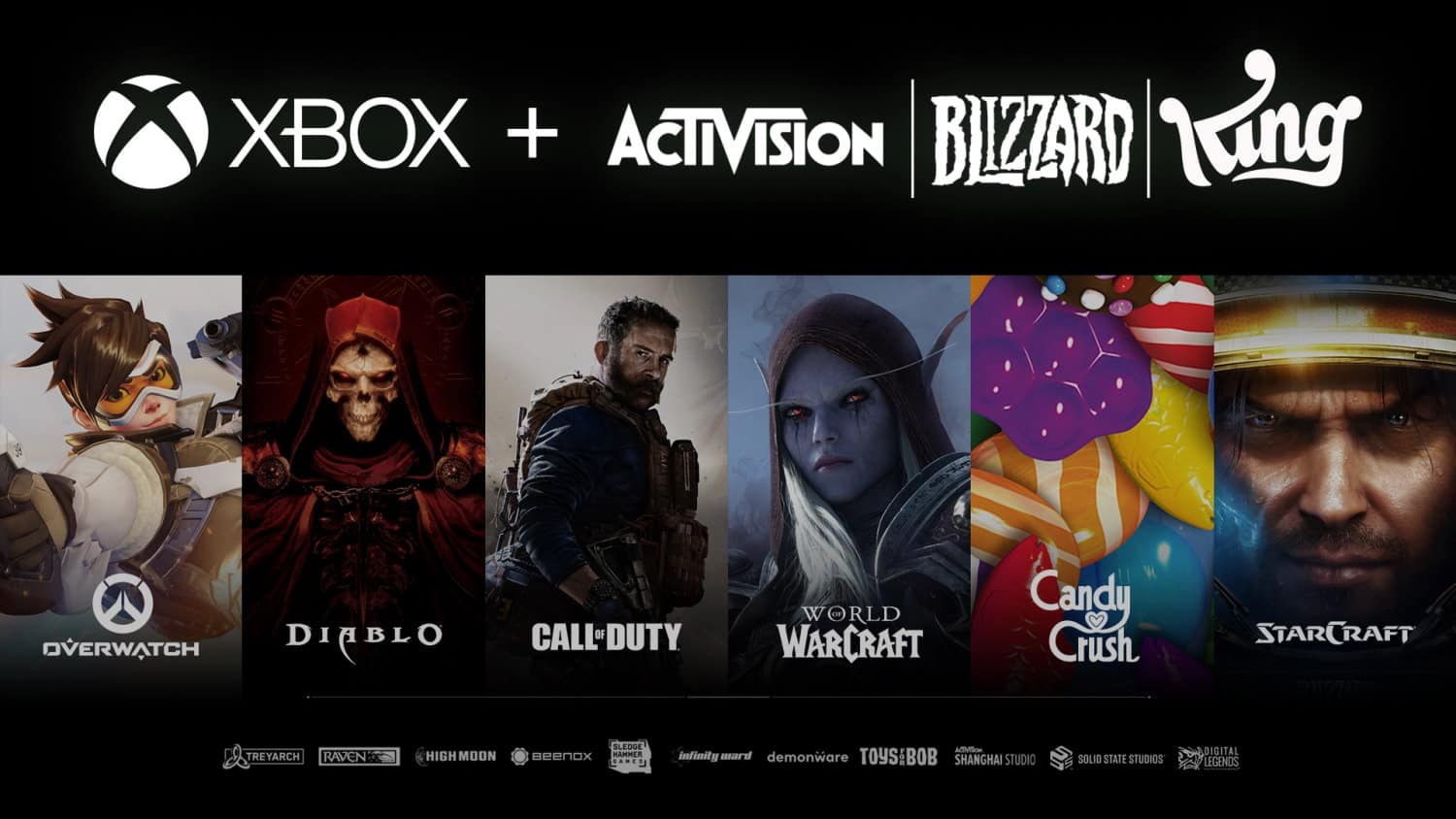
Microsoft leaps to its own defense as anti-competition concerns mount about Activision Blizzard takeover
The Competition and Markets Authority (CMA) -- the competition regulator in the UK -- has voiced concern about Microsoft's proposed takeover of game publisher Activision Blizzard.
The CMA is worried that the merger of two such huge companies in a $68.7 billion deal "could substantially lessen competition in gaming consoles, multi-game subscription services, and cloud gaming services". Windows 11 maker Microsoft, it almost goes without saying, entirely disagrees, and Phil Spencer, CEO of gaming at the company, has penned a blog post explaining just why this it.



