
Need a flashlight in Android Lollipop? Just yell at your phone
Who hasn't used their cell phone as a flashlight? Drop your key as you get out of the car at night and it makes sense to reach into your pocket, pull out your handset and search using the light from your screen. If you're really organized you'll have a flashlight app installed, but when you need a source of light quickly, fiddling with the menu can be a little too... er... fiddly.
Well fiddle no more. If your phone is kitted out with Android 5 Lollipop there's no need to navigate menus, or even have a dedicated flashlight app installed. Google has helpfully integrated a flashlight feature into the latest version of its mobile OS which can be activated with your voice.

Google complies with Italian privacy audits
Few weeks go by without Google coming under fire for some privacy-related misdemeanor or other. In Italy, however, the search giant has just agreed to comply with measures put in place by the Data Protection Authority. Moreover, the company will be subjected to regular audits to make sure that everything is in order.
Google is required to make improvements not only to privacy notices for its various services, but also obtain consent from users to use their data in research and profiling. The right-to-be forgotten also rears its head again as the authority requires Google to investigate individuals' requests for search listing removals.

Google to launch YouTube Kids for Android
Google is launching a kid-friendly version of YouTube. It's a project we first heard about a few months ago, and now YouTube Kids is about to become reality. But rather than launching as a child-friendly version of the website we've come to know and love, YouTube Kids will start its life as an Android app.
Parents will be pleased at Google's plans, where it will be possible to find carefully selected content that is suitable for a younger audience. Google will be curating videos, but there will be one question that enters the minds of mums and dads around the world: "what if my kid uses 'sex' as a search term".
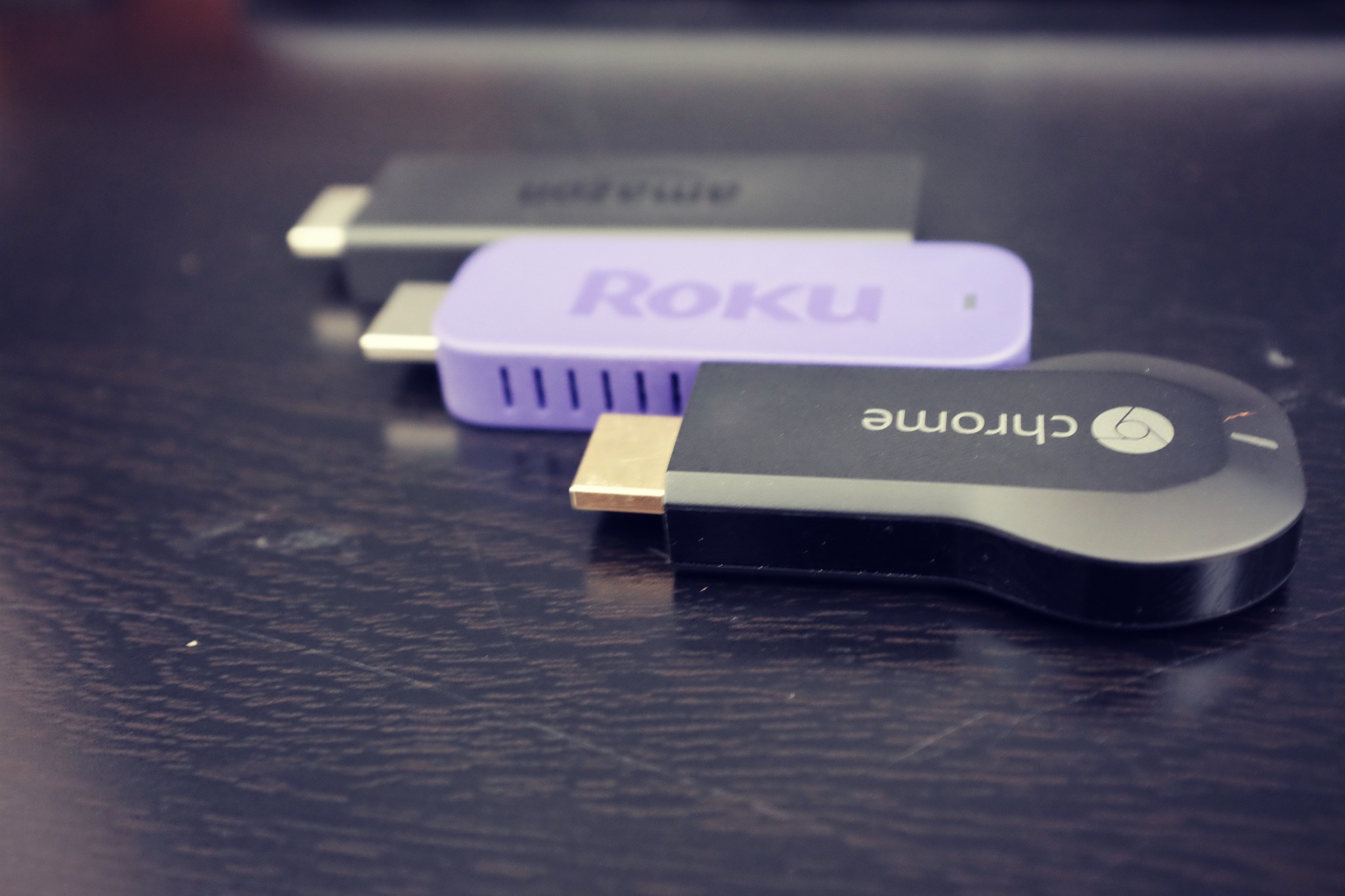
Choosing a streaming stick -- Chromecast, Roku, or Fire TV? [Review]
My household cut the cord in July 2014; the cable box is gone. In the process, I have been testing various streaming set-tops and sticks, and the latter is today's topic. Google opened up the category with $35 Chromecast in July 2013, and the device gets better with age. Roku Streaming Stick, at $49.99, is priciest choice, while Amazon Fire TV Stick is the $39 in-betweener.
Briefly, before deep diving, Chromecast is easiest to use and offers more commercial programming support. Roku delivers broadest streaming channel selection. Fire TV fits tightly into the broader Amazon Prime ecosystem, while offering satisfying, but incomplete, content options compared to either of the other devices.

Dear Apple, I will switch from Android to iPhone if you meet my demands
Believe it or not, even as a big tech and gadget nerd, I have never owned an iPhone. My smartphone life went from Palm, to BlackBerry and ultimately Android. I didn't purposely boycott the iPhone or anything, it just never happened.
As an iPad owner, however, I have come to love iOS for its ease of use and collection of amazing apps. For whatever reason, I usually prefer the iOS version of apps over the Android equivalent; they seem more snappy and fluid. So, why haven't I switched to the iPhone? There are still some major issues with Apple's phone and mobile operating system that prevent the jump. The ball is in Apple's court, however, and if the company meets my demands, I will switch.
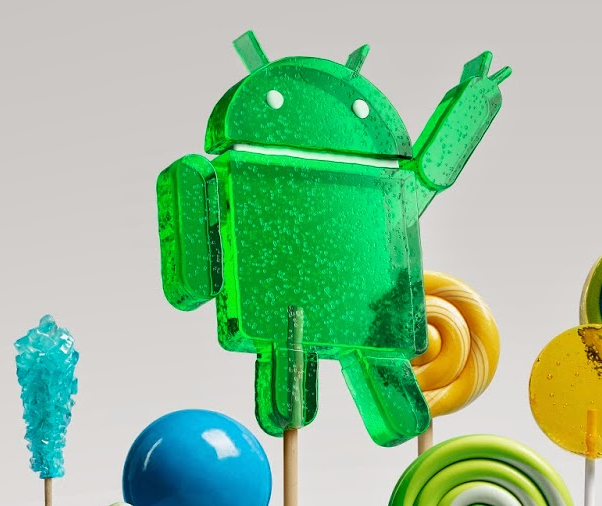
Android 5.1 Lollipop could be widely available in March
Google had become rather predictable at introducing new major Android releases, announcing two a year, when we most expected them -- around late-June and October. But this changed in 2014. Lollipop stood alone. What's more, the first major update that followed -- version 5.1, which came earlier this year -- arrived completely unannounced. There wasn't even a blog post about it, as we confirmed its existence based on reports from folks who discovered it on their Android One smartphones, and a mention in passing on the Android One site.
Weeks after Android 5.1 was revealed to exist we are still waiting for Google to tell us more -- well, something -- about it, including when we should expect to see it available in the Android Open Source Project. Luckily, we may now know this important detail thanks to an HTC VP.
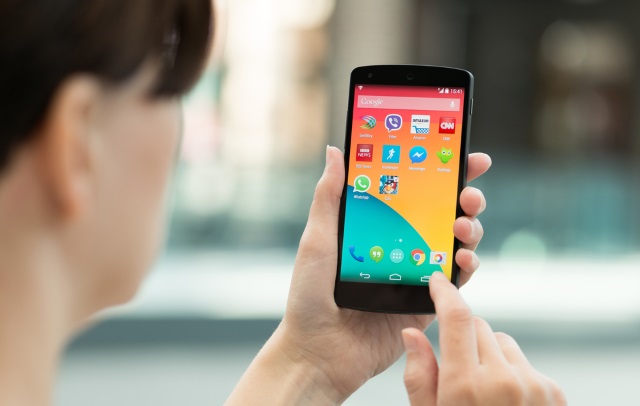
Google faces anti-trust probe in Russia over Android
Google has a new battle on its hands, this time in the form of a potential anti-trust probe in Russia. Yandex, the internet company behind the eponymous Russian search engine, has filed a complaint to the Federal Antimonopoly Service (FAS). Yandex claims that the US search giant is abusing its position by bundling Google services with Android.
It claims that users are forced into using the Google ecosystem including Google Search, and that it is difficult to install competing services on smartphones and tablets. There are distinct echoes of the antitrust lawsuits Microsoft has faced for its bundling of Internet Explorer with Windows.

HTTP/2 has been approved, bringing the promise of a more efficient web
The web could be in line for a speed boost as the HTTP/2 standard edges closer to being finalized. The updated standard will be the first major alteration to the protocol since the late 1990s, and it includes a number of important updates that should help to make life online faster and more enjoyable.
Although HTTP/2 is yet to be published as a completed standard, it is already supported by some web browsers including Chrome and Firefox. However, it won't be until the standard is far more widely adopted that the real benefits will be felt.
Google pushes Inbox by pulling Sparrow email client from the App Store
It's not all that long since Google launched Inbox. The 'smart' alternative to Gmail appeared a few months ago and Google tried to get the hype machine going by launching it as an invite-only service, gradually trickling out invites here and there.
Now the search giant is trying a new tactic to encourage people into using the service, specifically Apple users. Google has pulled the iOS and Mac version of the Sparrow email app from the App store; the hope is clearly that Sparrow users will migrate to Inbox.

New vulnerabilities kick off 2015
There's always that tiny glimmer of hope that in some way a new year is going to be somehow different from and better than the one that went before.
Usually it's extinguished quite quickly and it seems that, in software terms at least, 2015 is no exception according to the latest vulnerability report from Secunia released today.
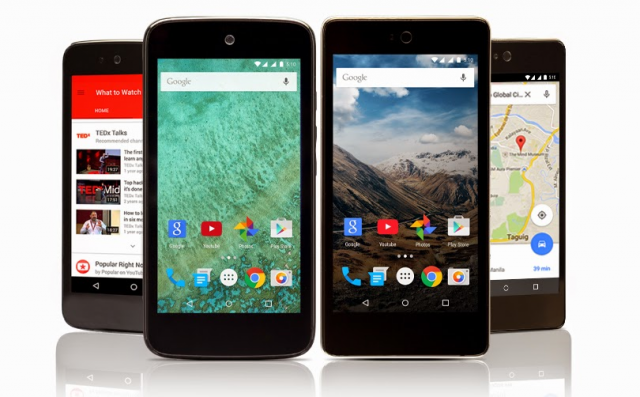
Google brings Android One to the Philippines, two smartphones coming soon
Google today announces the arrival of Android One in the Philippines, bringing the number of countries where the program is offered to six. The first Android One smartphones to launch in the Philippines are called Cherry One and MyPhone Uno, and they'll both come with Android 5.1 Lollipop out-of-the-box.
Google says that both smartphones will be available to local consumers in the coming weeks, featuring hardware specifications that are on par with those of other Android One devices. Let's take a look at what One and Uno have to offer.

Google relaxes Project Zero bug disclosure policy after Microsoft complaints
Google managed to ruffle a few feathers recently by disclosing bugs and security problems in widely used software. Project Zero is used to encourage companies to fix issues that have been detected by imposing a 90-day deadline before details of the vulnerabilities are made public.
Microsoft was angered a month ago when Google published details of a security issue in Windows 8.1 just a few days before a patch was due to be released. A few days later, two more bugs were revealed leading to complaints not just from Microsoft but from software users. Now Google has backed down and announced a slight relaxing of its previously strict 90-day disclosure policy.

Are we really in danger of losing our history to the cloud?
If Google's vice president is to be believed, we are in danger of losing an entire generation of information to the digital realm. Look to the history books, and you do just that -- look in a real, physical book. Pictorial histories can be found in photo albums. The works of Oscar Wilde, Samuel Pepys, and Charles Dickens are stored in real, tangible formats.
But now just about everything is stored digitally. Photos are rarely, if ever printed; millions of words are published online each day on blogs, online newspapers, and message boards. These are all important social, political, literary, and historical records. There's no guarantee that the sites, apps and technology needed to access all of these records will still be available in 50 years or more. Could our history be lost to the cloud?

How Google and Facebook are breaking net neutrality to game their way into emerging markets
After proving their dominance in developed nations, technology giants are now eyeing emerging markets -- regions where a vast majority of people are yet to access the internet. Earlier this week, Facebook partnered with RCom to launch Internet.org in India to bring free internet access to millions of people who weren’t previously connected to the internet, and now we’re learning of a similar plan by Google. As The Information reports, the Mountain View-based company is working with carriers and developers to lower or eliminate the data usage and data charges in emerging markets like India.
Known in the industry as zero-rating, Google is essentially trying to act as a middleman between carriers and app developers to reduce the data charges as well as other expenses sought by app developers to ensure that the price of using these services by users is minimal. The company would be closely monitoring data usage when a person uses any of the app partner’s app and would pay the carrier the fee.

Google Helpouts to be consigned to history
Google is shutting the door on its Helpouts service. Just two and a half years after launching the help and support extension to Hangouts, it has been decided that there just is not enough interest to warrant keeping it running.
Designed as a platform for experts to offer their paid service to people, Helpouts failed to gain the traction needed to make it viable. The shutdown will not take immediate effect, but there's quite a short deadline for users to seek out an alternative.