

FalseGuide malware infects millions of Android users via Google Play
Malware is something of a recurring problem for Android users, and it seems as though Google is fighting a never-ending battle to keep the blight out of the Play Store. The latest large-scale batch to be discovered takes the form of adware known as FalseGuide.
As you may have guessed from the name -- and your own experience of Google Play -- this malware spreads by fooling people into installing apps purporting to be guides to popular games. The apps themselves are fairly innocuous -- and often are guides as they claim to be -- but they then download additional modules which can be used to bombard users with ads.
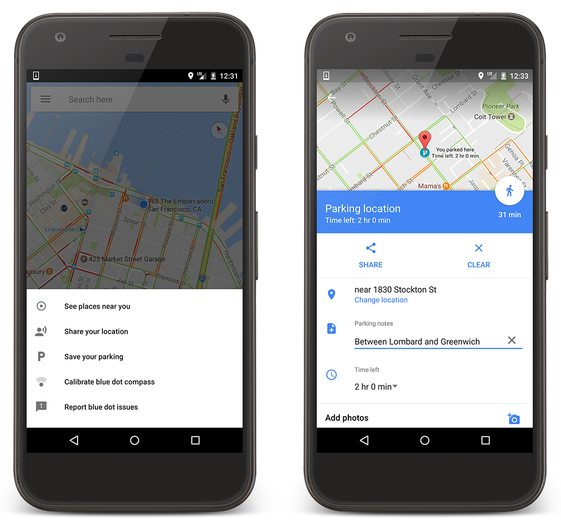
Dude, where's my car? Oh, there it is -- thanks, Google Maps!
Forgetting where you parked your vehicle can happen to anybody at any age. It happens to me quite often, as I am known to be daydreaming as I walk from my car to a store, such as the mall. On more than one occasion, I've walked around a parking lot, hitting the "panic" button on my keys so that I can hear the horn honk. Heck, there is an entire episode of Seinfeld that deals with the topic.
Thankfully, Google is giving us some relief. The search giant's Maps app has a new feature that will record where you parked your vehicle. It is not an Android-only affair either, as it also works on iOS.
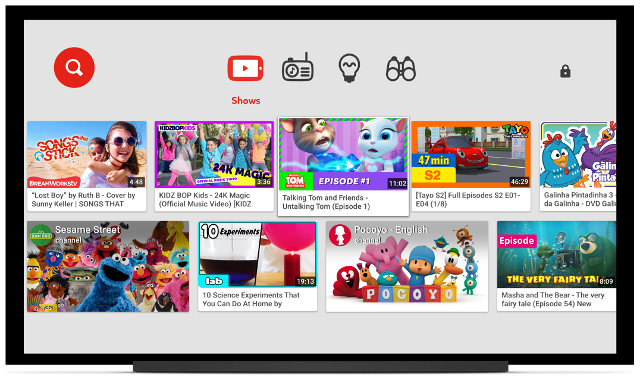
Google brings YouTube Kids app to LG, Samsung, and Sony smart TVs
While YouTube can be a great platform for viewing quality family-friendly content, there are a lot of offensive videos on there too. No, I am not just talking about PewDiePie, although some of his content is arguably questionable. Actually, I am talking about videos from other creators that show blatant racism, sexism, and actual pornography -- it is shocking to see some of the content that gets through.
Luckily, Google developed the YouTube Kids app for mobile devices, which tries to block offensive content. This app helps parents to be more confident that their children will only see family-friendly videos. Today, the search giant brings the app to LG, Samsung, and Sony smart TVs.
Google tweaks search algorithms to fight fake news and 'offensive' content
The fight against fake news continues, with Google announcing not only changes to search algorithms to help prevent false information from rising to the surface, but also new tools to allow users to report "unexpected, inaccurate or offensive" results.
While the algorithm tweaks should impact on general search results, the reporting tools have been designed for Google's Autocomplete predictions and Featured Snippets which have been problematic in recent months. Updated algorithms should help to ensure more authoritative pages receive greater prominence, while low-quality content is demoted.

Google will automatically translate local reviews into your language
Thanks to the internet, consumers are less likely to visit a gross restaurant or other bad location. You see, by reading online reviews, they can avoid these negative experiences. This is particularly helpful when travelling to a new city, as you may be unfamiliar with the area.
Unfortunately, when visiting somewhere that speaks a language that you do not understand, these reviews are useless on their own. To read them, you have to copy and paste them into a translation service, which can be an inconvenient chore. Thankfully, Google has come up with a solution for this dilemma. Starting today, the search giant will automatically translate local reviews into your language when you use its Maps or Search services. How cool is that?
Google fixes YouTube's LGBTQ+ filtering problem
Around this time last month, Google was facing criticism for appearing to censor LGBTQ+ videos with the Restricted Mode feature. Now the company says that it has addressed the problem and will no longer be "incorrectly filtering videos."
Google says that this means hundreds of thousands of videos with LGBTQ+ content have been unlocked, and more than 12 million videos in total have been affected. The company has already issued an apology for the filtering, but now it is keen to be seen making amends.
Leaked specs: Windows 10 Cloud is ready to take on Chromebook
Microsoft is due to hold an event in NYC on May 2, and it's widely expected that the company will unveil Windows 10 Cloud -- although it may not be until Build slightly later in the month. On paper, Windows 10 Cloud sounds very much like Microsoft's answer to Google's Chromebook, and leaks suggest this is precisely the market that Microsoft is targeting.
As the May event has an education focus, it's apparent that any low-cost Chromebook-like Windows devices will be aimed at the education sector -- but that's not to say that there won’t be interest from other people looking for cheap hardware. And thanks to the latest leak, we know the recommended minimum hardware spec to run Windows 10 Cloud.
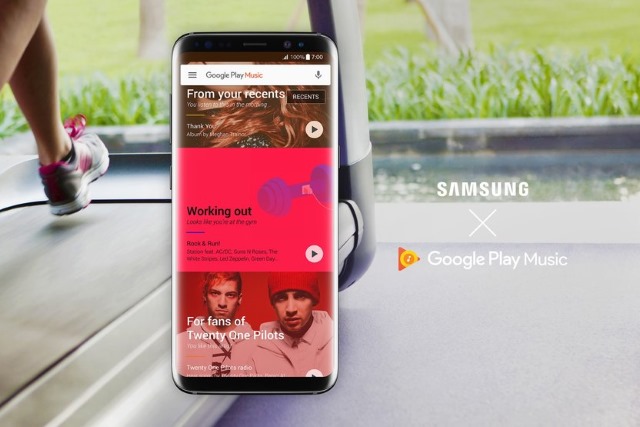
Google Play Music becomes the default player on Samsung phones and tablets, plus doubles free storage
To coincide with the launch of the Galaxy S8 and S8+, Google has announced a new partnership with Samsung. The deal means that Google Play Music will be the default music player and music service on all phones and tablets from the Korean manufacturer around the world.
But the partnership has a few bonuses for Samsung users that go beyond just a change in music player. Kicking things off is a boost in free Google Play Music storage: Samsung users will be able to take advantage of double the usual quota.

Google wants to teach teenagers how to use the internet with special workshops
Google is launching a series of Internet Citizens workshops as part of its YouTube Creators for Change program. Aimed at 13- to 18-year-olds, the workshops have been designed to teach teenagers how to spot fake news, how to stay safe online, and how to "make negativity bounce."
Taking in topics such as comment moderation, dealing with online abuse, and how to respond to offensive content and echo chambers, the workshops launch today in the UK, starting in Liverpool, and will spread around the country over the coming weeks. But is the program just stoking the idea of generation snowflake?
Google Chrome could soon include an ad blocker
It's news that -- on the face of it -- makes very little sense; the Wall Street Journal reports that Google is going to include an ad-blocking feature in its Chrome web browser. For a company that makes so much money from advertising this seems like something of a strange move, but in the light of recent ad controversy, it could be sensible business.
Just last month a large number of big companies started to pull advertising from Google and YouTube after finding that their ads were appearing on sites hosting extremist material. This, coupled with the fact that there is a general backlash against advertising from consumers (hence Adblock Plus pushing its Acceptable Ads program), could explain why Google is keen to be seen to be doing something that will give uses a better ad experience with greater control.
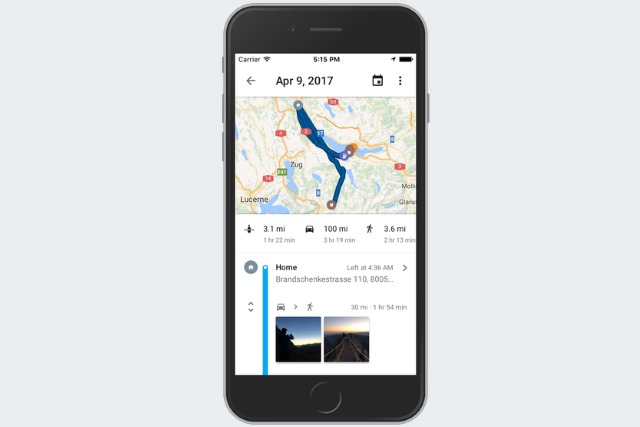
Privacy: How to stop Google Maps' Your Timeline tracking where you go
We live in a dichotomous age in which we are more concerned about privacy than ever, while simultaneously handing over more and more personal information to the likes of Facebook and Google. With its Your Timeline feature, Google Maps provides us with a great way to keep track of the places we've visited, but it also means sharing a lot of very revealing data with Google.
You may well like the idea of being able to check to see which coffee shop you visited a year ago, or check how far you walked last Wednesday, but you may also like the idea of maintaining some grasp of your privacy. Here's how to disable Your Timeline in Google Maps and how to delete any records that have been saved already.
Mobile YouTube live streaming now available to channels with 1,000 subscribers
Back in February, Google opened up YouTube live streaming to channels with 10,000 or more subscribers. Just two months later, the company has slashed this requirement to just 1,000 subscribers.
But while the bar may have been lowered in terms of subscriber numbers, there are still a few hoops that would-be live streamers have to jump through. It does mean, however, that many more YouTubers will be able to stream their content live, so there will be a greater selection of content to consume.
Google Maps for iOS gains Your Timeline feature so you can check your travel history
It's something that Android users have been able to do for a little while now -- using the Timeline function of Google Maps to check back over their travel history. Now the feature is coming to iOS, meaning iPhone users can now look back over their day and where it has taken them.
Google suggests that it's a great way to rediscover places you have visited in the past, but it also provides a means of tracking how far you have traveled over the course of the day. Users are given a good level of control over what's included in their timeline, allowing for complete personalization.
Android Pay and PayPal join forces to provide new payment options
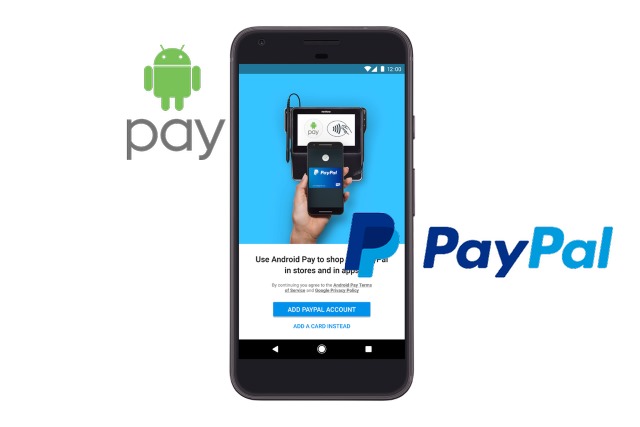
Two of the biggest electronic payment systems currently available to consumers are teaming up. Android Pay and PayPal have extended their strategic partnership making it possible to use PayPal as a payment method in Android Pay.
This means that anyone whose bank is not supported by Android Pay now has a new option available to them, bringing additional users to Google's payment system.
How to enable Dark Mode on YouTube
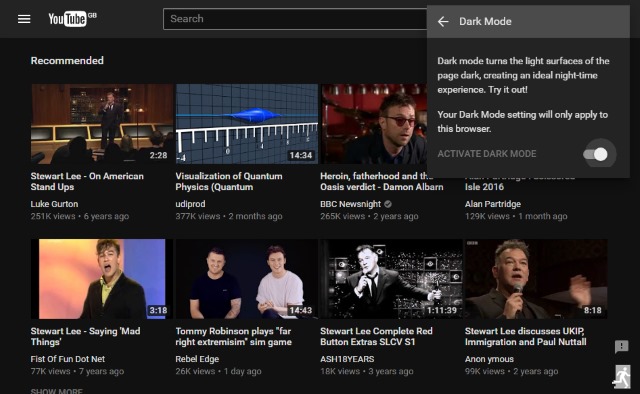
If you're someone who enjoys watching YouTube at night -- perhaps on your phone in bed -- you'll be all too aware that the site's light color palette can be rather harsh on the eyes. With a little tinkering, you can unlock a hidden Dark Mode which will save your delicate peepers and make nocturnal viewing all the more enjoyable.
At the moment the hack only works in Chrome, but it's likely that Google will bring it to everyone when word spreads. Here's what you need to do.



