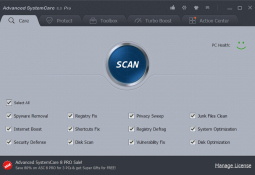
Advanced SystemCare 8 Pro [Review]
Advanced SystemCare 8 Pro is a comprehensive suite of tools which aims to clean, optimize and generally speed up your PC.
There's plenty of competition around, but SystemCare impresses immediately with its lengthy feature list. It doesn't just empty your temporary folders and display Windows startup programs: the package also removes malware, cleans and defragments the Registry, updates software and drivers, manages browser plugins, undeletes files, optimises internet settings, fixes common Windows problems, finds duplicate files, and a whole lot more.

Google goes to Australia, lets you tour the parks with Street View
There is, perhaps, no place the Google Street View team will not go, including national parks around the US. The crew has traveled around the world, and even beneath the oceans. Now the team is honoring the IUCN World Parks Congress, which is taking place in Sydney, Australia this time around. The meeting happens only once per decade, so it's a big deal.
In celebration, Google has trekked 21 parks and 27 underwater spots in an effort to bring them to your desktop. There was some help, and this came about through a partnership with New South Wales National Parks and Catlin Seaview Survey.

WhatsApp and Facebook lead the way with global app engagement
Facebook’s stable of apps lead the way in Western Europe and around the world when it comes to user engagement on social media and messaging apps.
Mobidia’s new "Social Media & Messaging Engagement: Chat, Social, Videoconferencing, Rich Media and VoIP Apps" white paper found that social and chat apps dominate the top end of the mobile app usage scale and Facebook is a huge part of why.
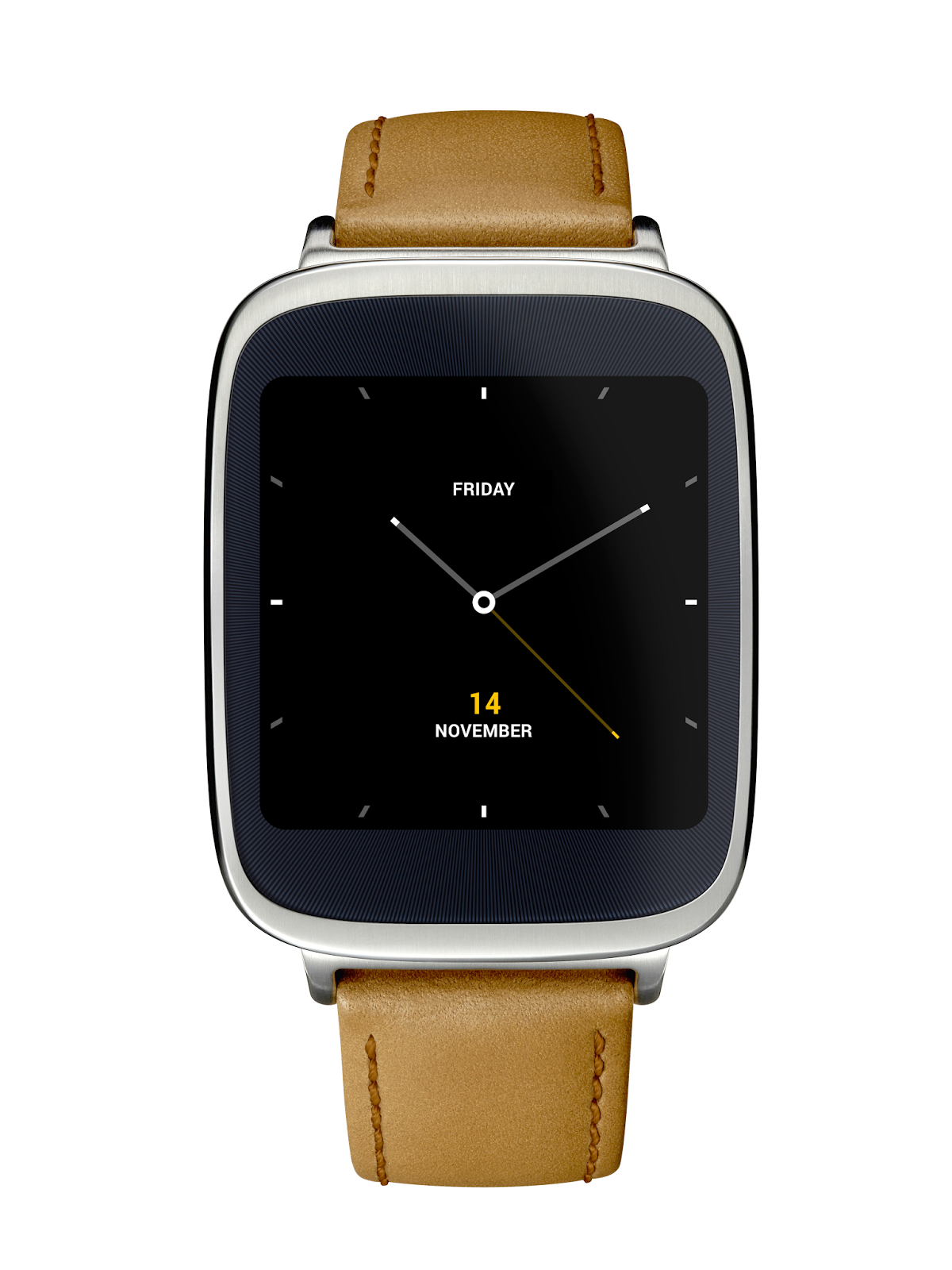
Wearable technology market grows -- Asus releases ZenWatch
Wearable technology is here, though not everyone seems to be on board with the 'trend'. Still, the market is growing and existing products are evolving to do more. Pebble has just released a new batch of updates featuring the ability to order Domino's pizza, new watchfaces and several other apps available to its customers.
Now Asus, known for its computers and tablets, is releasing its entry into the market, announcing the ZenWatch. The new model is utilizing AndroidWear and features a classy look, with a nice face and stitched leather band.

Enterprises view cloud computing as the 'new normal'
Cloud computing is growing at such a pace that it is becoming the "new normal" with businesses and enterprises turning to it without giving a second thought to on-premise offerings.
Amazon Web Services [AWS], one of the world’s largest cloud providers, used its re:invent conference in Las Vegas to push the cloud’s popularity that has meant upwards of a million customers are using its cloud services -- a number that continues to increase by the day.
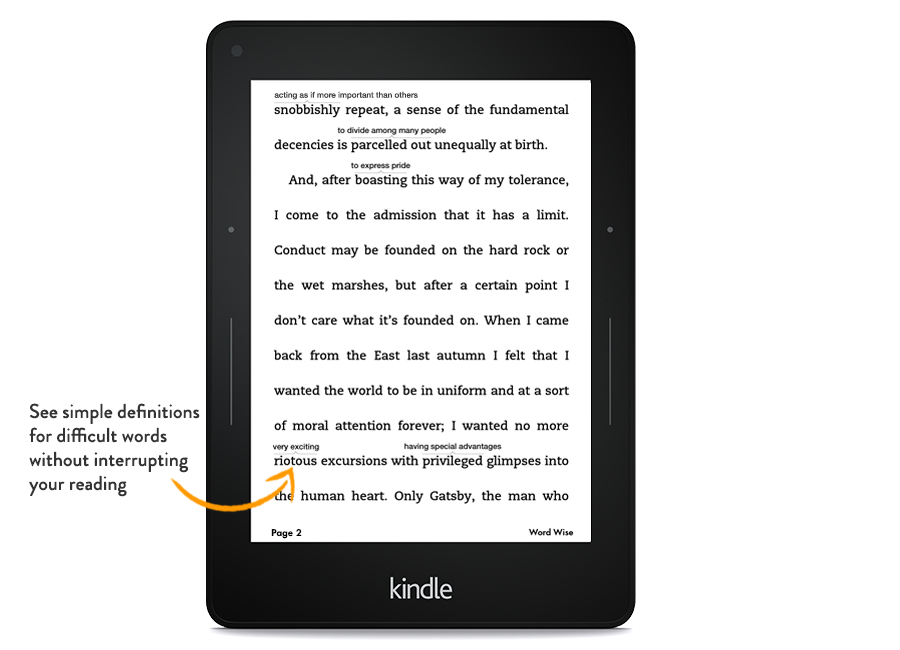
Amazon's Kindle e-readers learn some new tricks -- download the update now!
I get it -- you own a tablet and don't think you need a dedicated e-ink based e-reader. While I respect your opinion, I must tell you that it is wrong. Sure, reading a book on a back-lit LCD display is passable, but hardly a good experience. Not only can this be fatiguing to your eyes, but most tablets are unusable as a reader in direct sunlight. If you read a lot, you want to go e-ink.
So yes, there are benefits in owning an e-ink based e-reader, and quite frankly, it is affordable. Amazon's entry-level reader is a paltry $79 -- a great value. Today, the value of the retailer's newest readers increase, as an update introduces many cool new features.
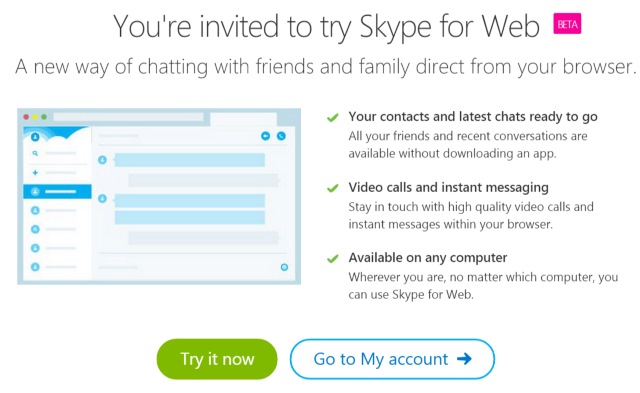
Skype for Web beta brings voice and video chats to your browser without plugins
Installed apps are becoming a thing of the past. Microsoft is just one of a raft of technology companies gradually moving to the cloud and the latest display of this is a new beta version of Skype for Web. The messaging tool has been designed to be used in a web browser without the need for plugins, extensions or other software. At least that is the aim. During the beta stages you'll still have to install a small plugin.
Work being carried out by the Internet Explorer developers should bring plugin-free Real-Time Communications (RTC) to browsers in the near future, and Skype for Web will be able to take advantage of this. The beta is not being made available to everyone straight away, so you'll need to check your account to see if you can try it out.
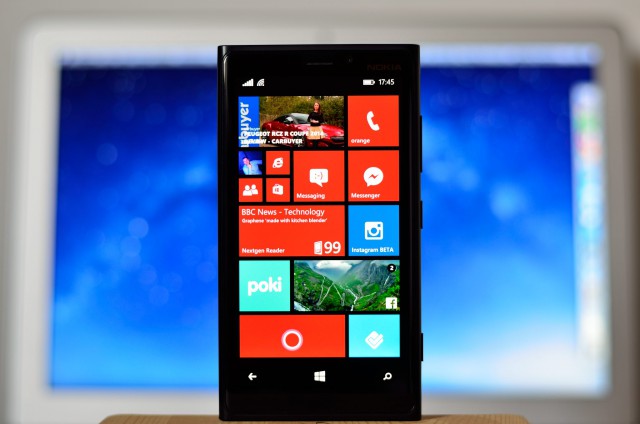
New Windows Phone 8.1 Update 1 preview build adds extra features
Microsoft has released a couple of Windows Phone 8.1 Update 1 builds for devices enrolled in the Preview for Developers Program. Virtually all changes have been made under-the-hood, as Microsoft has seemingly focused on refining the user experience and enabling, rather than introducing new features.
Now though, we have a new Preview for Developers build -- still Windows Phone 8.1 Update 1, version 14203.306 -- which adds a number of very useful user-facing features, some of which you might want to take advantage of right away.

Best Windows 8 apps this week
One-hundred and seven in a series. Welcome to this week's overview of the best apps and games released for Windows 8 in the last seven days.
Microsoft released a new Windows 10 preview build this week. With it comes an option to remove the Task View and Search buttons from the taskbar, new gestures, native MKV support and more. Check out Wayne's post on what is new and changed here. App of the week is Halo Channel, a new information app for all things Halo. It features video clips, movies, live streams, and lots of information about the Halo universe.
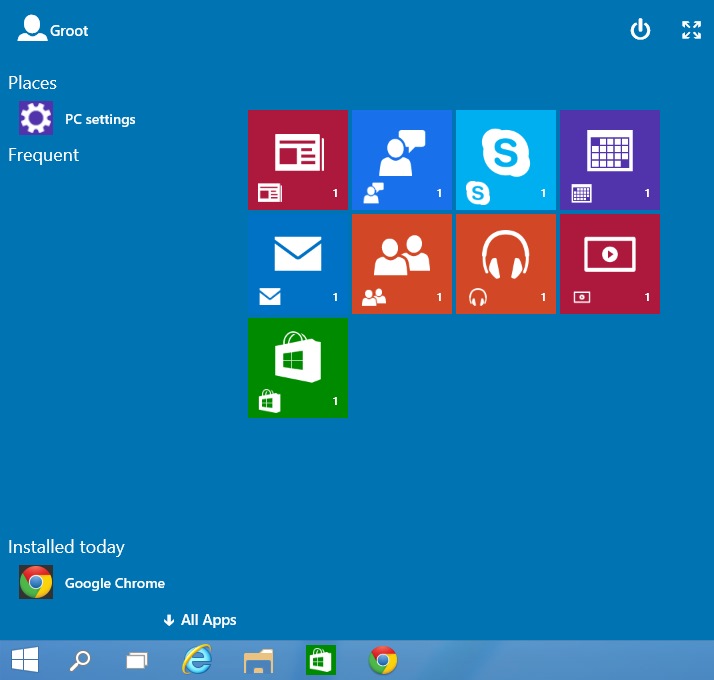
How to enable Continuum in Windows 10 Technical Preview build 9879
We're now on the third public build of Windows 10 Technical Preview. Build 9879 addresses some of the concerns people had with build 9860 -- including the ability to kill the infuriating Search and Task View buttons without the need for hackery. One of the biggest changes (or at least the most obvious) in Windows 10 is the reappearance of the Start menu, although the Start Screen is still there as an option.
In presentations, Microsoft has made reference to Continuum (a new version of the Start menu), but we're yet to get hands on with it. This changes in Windows 10 Technical Preview build 9879 as it is possible to enable an embryonic (no, rudimentary -- I referred to Windows 10 itself as being embryonic) version of Continuum. Want to take a look at a new Start screen? Here’s what you need to do.

WatchDox finds and protects sensitive documents anywhere
With more and more data stored in the cloud or accessed from corporate systems on mobile devices, security and regulation becomes a major concern.
Enterprise file sharing specialist WatchDox has announced a new solution to both detect and protect sensitive files everywhere, on every device.
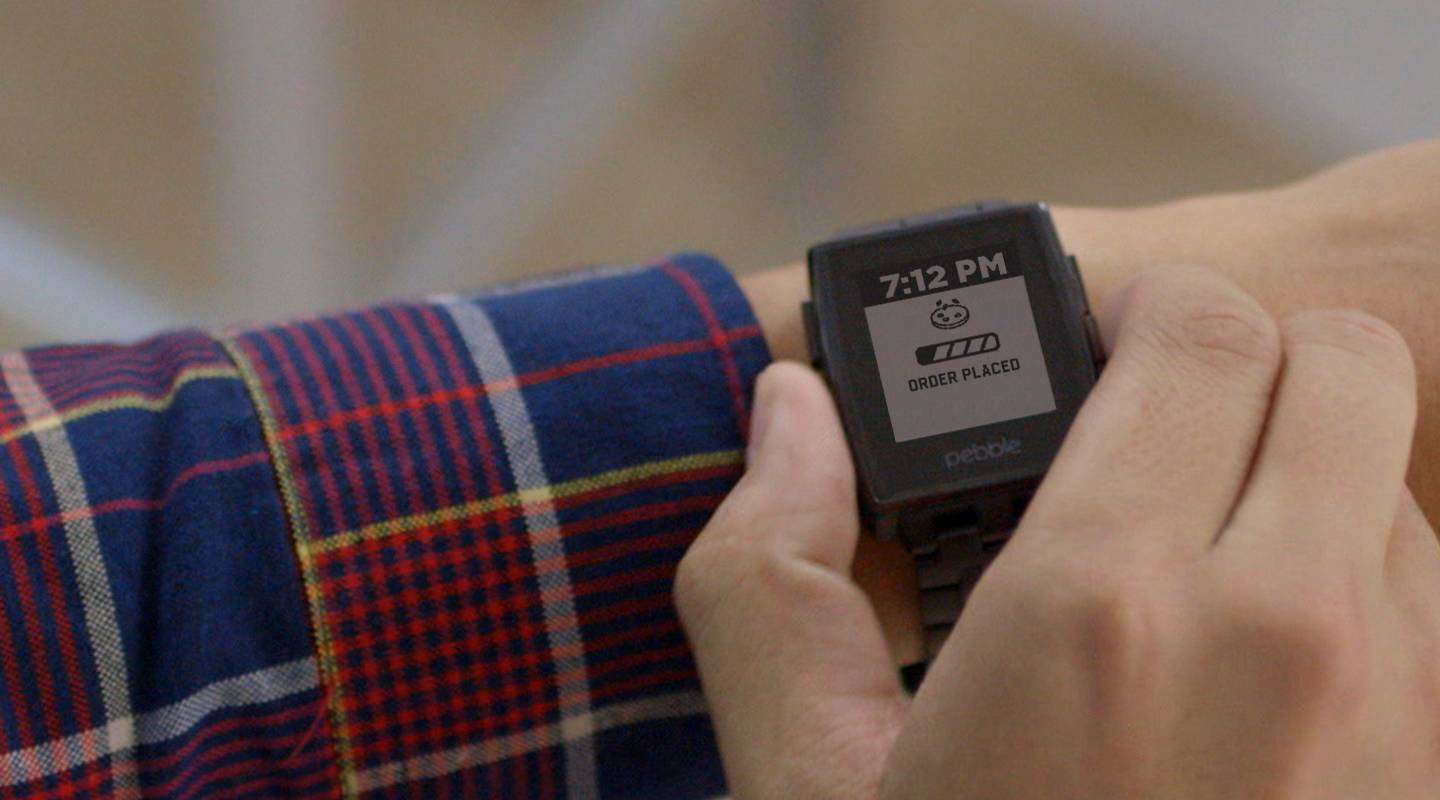
Order Domino's pizza from your watch? Pebble now does that
Pebble was not the first smartwatch, but it could be argued that it popularized the platform and led to others creating similar devices. The company isn't resting on its laurels either, as it continues to make improvements and get apps in its store. The latest new addition is geared towards the hungry.
Pebble is announcing that pizza giant Domino's has arrived on your wrist. Yes, you can now order your pie right from the watch -- toppings are up to you.
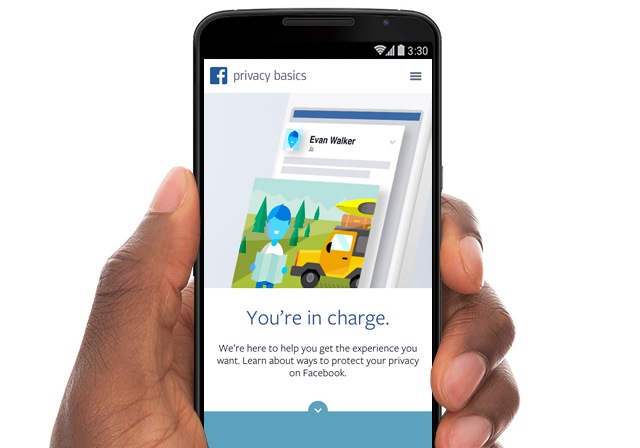
Facebook proposes privacy policy changes in simplified, prettified paperwork
Facebook gets something of a bad rap when it comes to its privacy policy. Delve into the social network's terms and you're almost certain to find something you disagree with. This is the same with many companies, particularly those with an online presence, but users seem to be continually surprised to discover how their data and activities are being used and tracked. Part of the problem is that -- just like with software EULAs -- very few users bother to read through policies in full.
Mark Zuckerberg's social network is looking to change that. Facebook is introducing Privacy Basics which provides easy-to-follow guides to controlling how your online content is shared with others. But there are also a number of changes proposed to its privacy policy. Facebook is looking for feedback, and assures users that "you’re in charge." But you'll need to be quick -- there's only a week to give your opinion.

Beware the rise of the digital doppleganger
Data breaches in large organizations have made the headlines in recent years and that’s led to a huge increase in the amount of personally identifiable information being traded online.
According to UK credit report company CreditExpert there's been a 300 percent jump in the amount of personal information being traded online since 2012.

It's your data: how to protect it now
It seems as if every week there’s another breaking story about an exploited network vulnerability that resulted in a security breach. The penetrations vary: Some are wide-scale orchestrated attacks, a la the Home Depot hack. Some hack events are less sensational, accompanied merely by the announcement that vast amounts of personal information were exposed -- or compromised -- because trusted technology providers offered lax security measures.
In some cases, we learn that passwords to accounts (that often hold vital personal information) have been leaking for some time before the security flaw was discovered and patched.