
Apple steals Mobile World Congress' thunder
Early today I asked colleague Tim Conneally in group chat: "What happened to Mobile World Congress? One day of announcements and nothing else?" Because Day 2 is unusually light on product news. Perhaps that's good thing for participating vendors, because late this morning Apple stole the show.
The Cupertino, Calif.-based company dispatched email invites for a March 7 event, presumably announcing iPad 3. The message teases: "We have something you really have to see. And touch". Well, Apple did Microsoft a favor by not sending invites tomorrow, when Windows 8 Consumer Preview debuts at Mobile World Congress. Or perhaps someone at Apple wisely considered that Microsoft's announcement is simply too big to thump -- or that getting in ahead steals thunder enough.
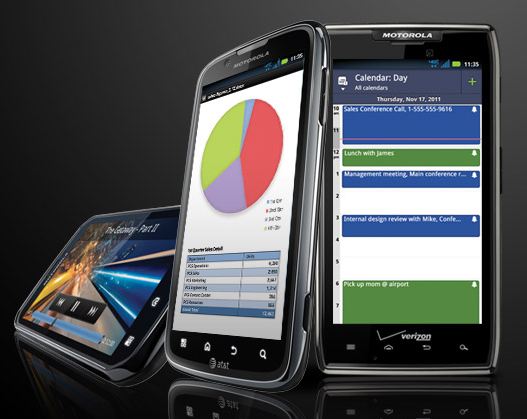
Can Droid be the new BlackBerry?
Motorola Mobility on Tuesday announced new initiatives for Android in the enterprise space, asking users to "make the switch."
This initiative focuses on the Motorola Business Ready smartphone line which consists most of Motorola's devices with the "Droid" label, and others including the Atrix and Photon 4G models.
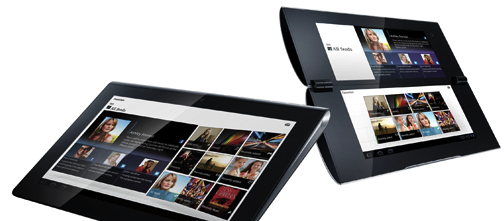
Sony's dual-screen Tablet P finally coming to U.S. via AT&T next week
Sony's foldable, dual-screen Android tablet, known simply as Sony Tablet P will finally be available in the United States beginning on March 4, for $399 with a two-year contract with AT&T or $549 off contract.
Sony first revealed the uniquely designed clamshell tablet almost one year ago along with the wedge-shaped Tablet S, which has been available in the U.S. since last August.
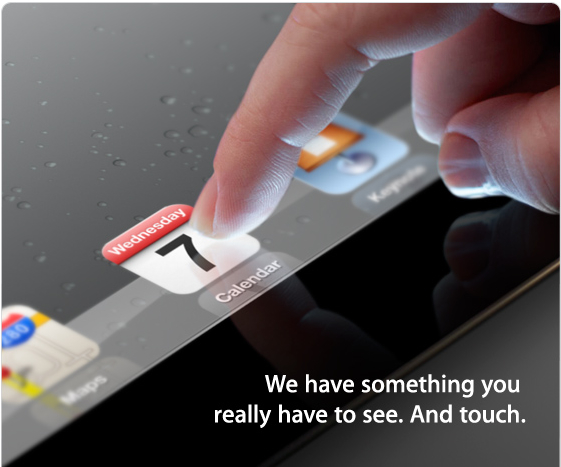
Apple preps next iPad for March 7 event
Apple sent out event invites to selected members of the press Tuesday for a March 7 event to be held at Yerba ay Buena Center for the Arts in San Francisco, Calif. at 10 am PT, reportedly to launch the iPad 3. The location is significant because it is where Apple has unveiled the last two iPad models.
The invitation reads "We have something you really have to see. And touch". The reference could indicate that the Retina Display that has long been rumored to be part of the iPad 3 is coming. The resolution is thought to come in at 2,048 by 1,536 pixels, twice the 1,024 by 768 screen found on the iPad 2.
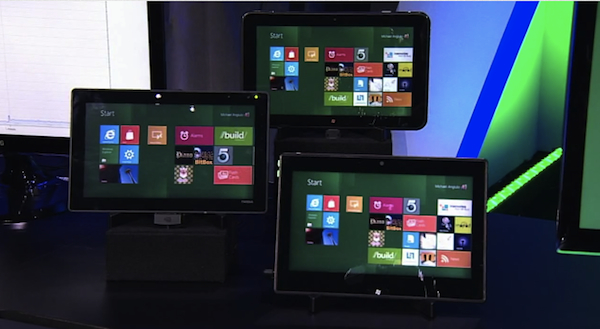
Will you try Windows 8 Consumer Preview?
The so-called consumerization of IT starts now. Sure people haul Androids, iPads, iPhones and other gadgets to work -- and mix together personal and professional data, and behavior. But workers the world over will soon have something else to haul into the office, and, whoa, may March roar in for many network managers.
Tomorrow, during Mobile World Congress, Microsoft plans to debut Windows 8 Consumer Preview. It's not an IT preview, but, c`mon, you know where the software is going. Many of you will slap this puppy on to every PC you can, including that employer-issued clunker. Talk about March Madness, as Windows 8 storms the enterprise by every backdoor possible.
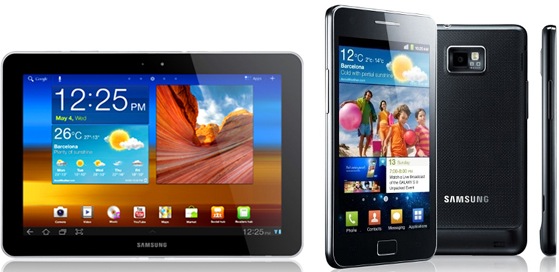
SAP deploys Samsung Android smartphones, tablets
What's all this dirty talk about enterprises going gaga for iPads? During Mobile World Congress, Samsung announced that SAP will deploy Galaxy S II smartphones and Galaxy Tab 10.1 tablets internally. Oh my, perhaps there is a place for Android in the enterprise. But how much room alongside iPad?
SAP CIO Oliver Bussmann says the Android devices will be available to the company's "global workforce as part of our internal device-agnostic strategy. SAP software running on Samsung's Android devices will allow our workforce to do business in the moment". From an enterprise management perspective, he expressed confidence that SAP "can secure our business data on these devices using an extensive range of IT policies".

Want hands-free software updates? Try Secunia PSI 3 beta
Security vendor Secunia has released the first public beta of its Personal Software Inspector (PSI) 3, an excellent tool that now makes it easier than ever to keep your installed applications up-to-date.
The key change this time comes in what the company calls the program’s “dramatically simplified user interface”.

System Explorer 3.8 supports 64-bit Windows
System Explorer has for some time been a real contender to Process Explorer when it comes to PC monitoring. The program’s security scan, its ability to permanently set process priority and affinity, its VirusTotal and VirusScan.Jotti.Org integration, easy links to online libraries for quick process information, and a handy History tab logging exactly what’s been happening on your system are all good reasons to give the tool a try.
And the latest release provides yet another, with the introduction of full 64-bit Windows support.
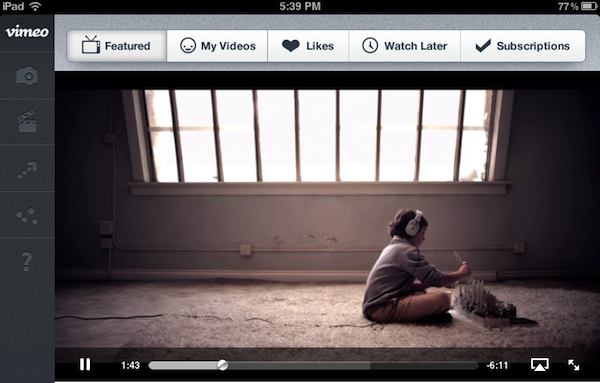
'Discovery' and 'social' define Vimeo for iPad
That was unexpected. This evening I tried out Vimeo for iOS 2.0 and much prefer the Android version released last month during Consumer Electronics Show. Conceptually, Vimeo for iOS offers more, so I expected to appreciate it more. Instead, I find the Android app to be cleaner and more intuitive on a tablet. Then, again, I'm not the target audience.
The new Vimeo app's big stand-out benefit is native, iPad support. The other explains why I'm perhaps tripping over perceived complexity: The app's approach and capabilities are more like Vimeo's website, where I have spent scant too little time over the last 12 months or so. If you frequent Vimeo on the web and often use features there, you might just love the app on iPad. You're the audience the video-sharing site wants to reach.
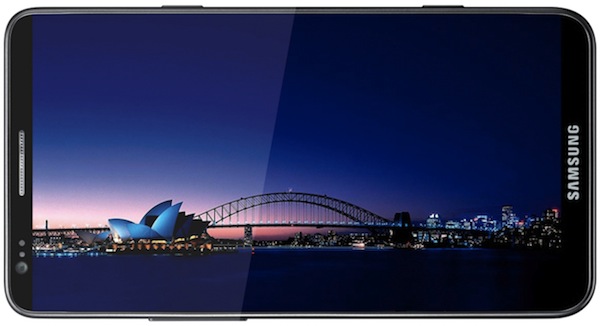
The best smartphone isn't at Mobile World Congress
Now why is that? I want to know. Don't you?
For weeks, persistent leaks and rumors teased about Samsung Galaxy S III and how the phone wouldn't debut at Mobile World Congress. Boy Genius Report has deets that are to die for: 4.8-inch 1080p display, 1.5GHz quad-core Samsung Exynos processor, 8-megapixel rear and 2MP front-facing cameras, ceramic case, 4G LTE and Ice Cream Sandwich.
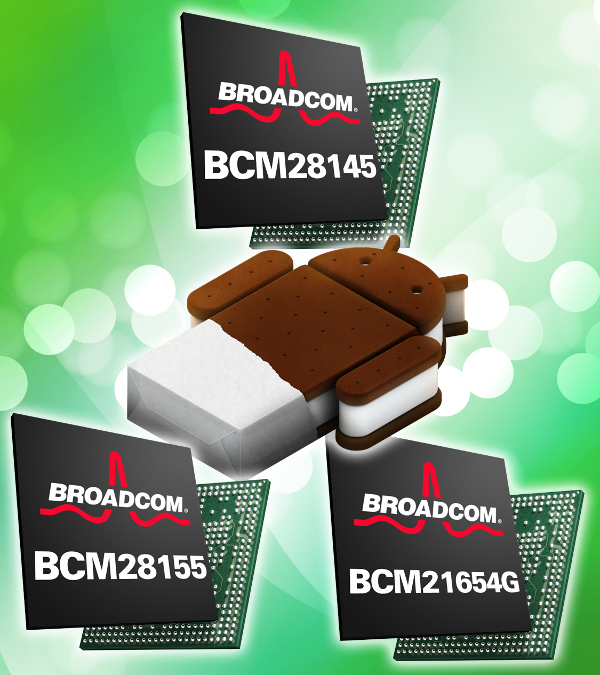
Broadcom addresses the 90% that nobody's talking about
Some companies are capable of delivering big, splashy announcements at trade shows by shattering whatever industry performance standard they can, like Nokia did early this morning with its 808 PureView smartphone with an astonishing 41 megapixel image sensor.
Other companies "go big" but don't go splashy. Marvell, for example, is targeting the biggest single mobile market on the planet with its new modems, and Microsoft is targeting the big mainstream consumer market with a low-power optimized version of Windows Phone.
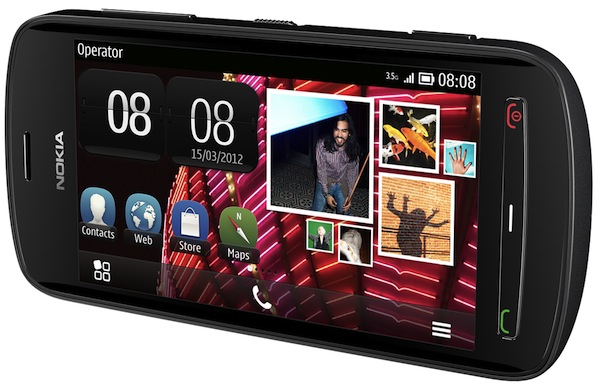
Windows Phone isn't good enough for 41MP Nokia 808 PureView
Wow, Windows Phone is so bleeding-edge that Nokia's hot new 41-megapixel camera phone runs Symbian. You know, that "burning platform" CEO Stephen Elop dumped for Microsoft's mobile OS. Perhaps that burning should have had different context, as hot for high-brow hardware. Because a 41MP camera always with you is smokin'. I'm on fire. Aren't you?
The Finnish-phone maker announced the Nokia 808 PureView during Mobile World Congress today in Barcelona, Spain. The 41-megapixel camera phone might just be the showstopper -- that despite Microsoft's Wednesday event launching Windows 8 Consumer Preview. There's some real software and hardware innovation here that shows Nokia isn't dead yet and shouldn't have turned over so much research and development to Microsoft. The lost R&D is Elop's doing, and again supports my contention he's killing Nokia.

Mozilla is about to shake up the smartphone industry
While smartphones are commonplace in the developed world, market penetration in developing countries remains poor. Mozilla aims to change that, and is leaning on two international wireless carriers to make that happen. Both Telefonica and Deutsche Telekom are pledging varying degrees of support for its Boot-to-Gecko (B2G) initiative.
Boot-to-Gecko is Mozilla's browser-based mobile operating system. It uses Web standards like HTML5 at its core peppered with borrowed code from the Android operating system. The end result is an open platform that requires little in the way of raw power to provide users with a full smartphone experience -- perfect for producing phones cheaply.
Use CCleaner? CCEnhancer 3.0 makes it better
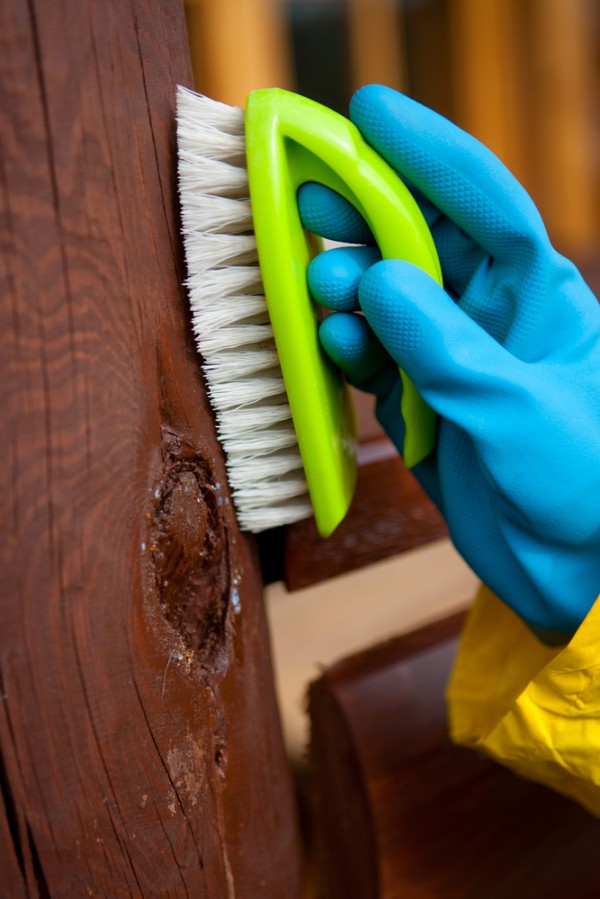
Just as with your home, it is a good idea to have a spring clean of your computer from time to time. By sifting through the buildup of files that accumulates on your hard drives, you can easily free up significant amounts of disk space and help to boost not only performance but also privacy and security.
Anyone looking to automate the process of clearing up the crud that accumulates over can turn to CCleaner to delete file usage histories, remove superfluous registry entries and more. CCEnhancer 3.0 is a free third-party extension to the program that provides support for even more applications.
New Windows Phones from ZTE, Nokia strive for low cost, high value
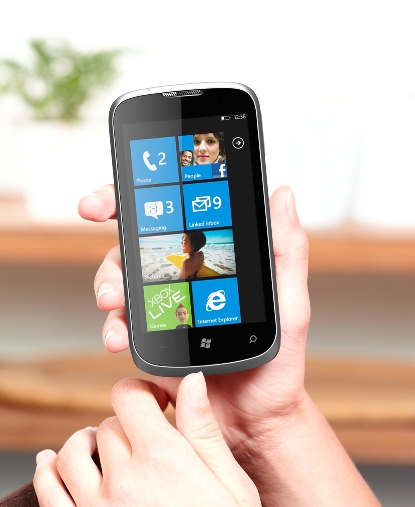
ZTE, the world's number four smartphone maker, announced another new mid-range Windows Phone at Mobile World Congress on Monday called the ZTE Orbit.
Looking almost exactly like the ZTE Tania which was launched in select global markets in January, the ZTE Orbit has a 4-inch (800 x 480) screen, a single-core 1GHz Qualcomm processor, 512 MB of RAM and 4GB of onboard storage, and a 5 megapixel camera. The ZTE Orbit will be available in the second quarter of this year, and will likely carry the mass market price that ZTE devices have grown to be associated with.