
Opera browser takes a radical left turn with Opera Next 15
Opera Software has unveiled Opera Next 15, the first look at a major new direction for its cross-platform web browser. Opera Next 15 -- which installs alongside the existing stable version, Opera 12.15 -- sees the browser jump not one, but three version numbers, such is the radical nature of the new release.
The major news surrounding Opera Next 15 is the switch from its own Presto proprietary web rendering engine to Google’s open-source Chromium engine. But other changes include a revamped user interface, overhauled Speed Dial page, new Discover and Stash features, plus the dropping of all integrated email features, which will be available as a separate product, Opera Mail, also available in pre-release form.

Mozilla Archive Format offers a better way to save web pages
When you’re busy with some online research then you’ll often want to save interesting web pages for easy reference later. So it’s a pity that while every browser has some kind of “Save As” function, the end results are usually unimpressive, awkward to share with others, and may not even bear much resemblance to the original page.
This is such a fundamental requirement that you might have thought the big-name browsers would have come up with a solution already, but while we wait you can always try Mozilla Archive Format, a Firefox add-on which extends the usual "Save Page As" function in several very useful ways.
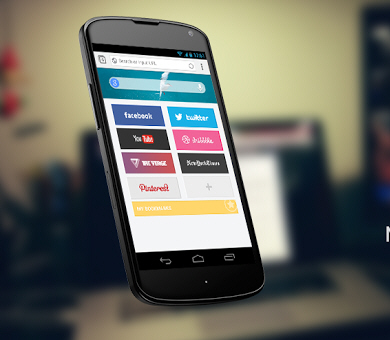
On your marks, get set... GO Launch Dev Team releases Android Next browser
The Android web browser market is a packed one, and users are almost spoiled for choice. If you're a fan of Firefox, Chrome or Opera on your main computer, there's an accompanying mobile version for you to work with, and there are plenty of others as well.
The GO Launcher Dev Team is best known -- it should go without saying -- for the Android launcher GO Launcher EX, but it has now branched out and is bringing its stylish looks to a web browser -- Next Browser.

Internet Explorer Q&A: The 'browser you loved to hate' is making a comeback
Internet Explorer’s tight integration into Windows 8, coupled with the fact that IE10 is actually pretty good, means the veteran browser is enjoying something of a resurgence these days. Humorous advertising poking fun at the browser’s past (while distancing itself from it) has also encouraged many ex-users to take a fresh look.
I chatted with Internet Explorer’s Marketing Manager Rebecca Wolff about the "Browser you loved to hate" campaign, asked her what major changes we can expect to see in IE11, and found out why embracing web standards is now a major priority for Microsoft.
Chrome for Android 27 introduces fullscreen on phones, tab history on tablets
Google has released Chrome for Android 27, a major update to its open-source browser for Android smartphones and tablets. Version 27 boasts several key new features, including full-screen support on smartphones and the ability to access a history of previously opened tabs on tablet machines.
A key improvement on all platforms is the simplified searching tool. When using the omnibox to search the net, it will remain visible when displaying search results, making it easier to both view and edit searches.

Chrome 27 released, now 5 percent faster
Google has released Chrome 27 for Windows, Mac and Linux. And while the previous build was less than exciting, this one delivers multiple improvements which see the browser’s page display time improve by 5 percent.
Much of this acceleration is down to smarter scheduling, with Chrome 27 making more intelligent decisions about what it loads, and when. Previously, for instance, the browser might tie up bandwidth downloading a vast number of images in parallel. Now it focuses on visible images, and limits parallel downloads to a maximum of 10, so the details you need should be displayed noticeably faster.

Opera for Android exits beta -- new Webkit engine, new features
On Tuesday, two and a half months after the first beta was released, Opera announced that its new WebKit-based browser for Android is now available as a "final version". This is just one step towards a Presto-free Opera as, in mid-February, the Norwegian company revealed that it will slowly adopt the WebKit rendering engine across all of its browsers.
Opera for Android, among other new features, emphasizes content discovery by allowing its users to find (and read) various articles straight from the browser's homescreen. Folks simply have to select their areas of interest, such as arts or technology, and Opera displays a number of stories from "relevant global and regional sources". This is similar to what Flipboard and other apps deliver.

Firefox 22 Beta improves display scaling in Windows, strengthens privacy
Hot on the heels of the release of Firefox 21 FINAL, Mozilla has released Firefox 22.0 Beta 1, giving adventurous users a glimpse into possible new features and improvements that may land in the next stable release just six weeks from now. Version 21 includes a number of minor new features and improvements, including better protection against unauthorized third-party cookies.
There are also platform-specific improvements for both Windows and Mac builds, plus the usual round of tweaks and performance enhancements to round off the update.
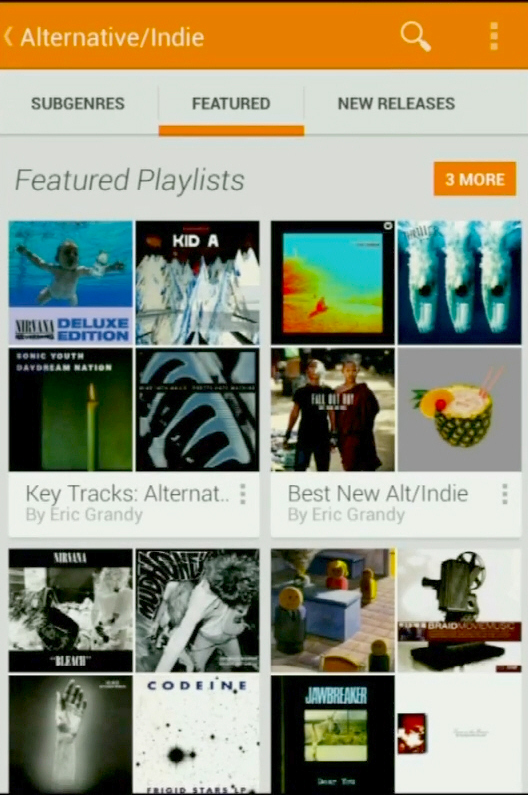
Google launches Google Play Music All Access
Google has just announced a new on-demand subscription music service called Google Play Music All Access. The service, which is available on Android and the web, gives users access to a massive library of millions of tracks. Google’s Chris Yerga calls it "radio without rules".
It allows you to explore songs from all of the major record labels, listen to it like a radio station, provides Google-powered recommendations, charts and playlists, and blends your personal library with Google's. Everything from your Google Music locker is pulled into the new service.

Which browser is safest? The answer may surprise you
Web browsers are one of the main ways that malware finds its way onto your machine. Tests carried out by NSS Labs looked at the five major players, Chrome, Firefox, Safari, Opera and Internet Explorer to see which offers the best protection against more than 700 examples of real-world malware.
And the safest is... (Drum roll and a long, reality TV-style pause...) Internet Explorer 10, blocking 99.96 percent of known malicious downloads. Chrome comes second on 83.16 percent with the other three trailing a long way behind at around 10 percent each. This might come as a surprise to all those people who have long shunned Microsoft’s browser in favor of third-party alternatives on the grounds that they were safer.
Firefox 21 improves performance and privacy
Mozilla has released Firefox 21.0 FINAL, a major new version of its cross-platform, open-source web browser for Windows, Mac and Linux. Version 21 gives users more control over their tracking cookie preferences, extends the social API to support four new providers and implements support for tools to help with troubleshooting and performance issues.
Although Firefox 21 doesn’t have quite the impact version 20 did with its new panel-based downloader, per-window private browsing and ability to close hanging plugins without crashing the entire browser, it still throws in some useful features, all of which have smoothly migrated from the Beta version.

Get 'Easy Access' to local apps from Firefox
From docks to desktop gadgets, the Start menu to the Start screen, there are many ways to launch applications on your PC. But most of these are quite bulky, giving you a new interface to explore, and perhaps tying up valuable screen real estate.
If you’re looking for something simpler, then, more lightweight, then you might be interested in a new Firefox add-on called Easy Access.

Microsoft kinda fixes IE 8 security hole
Last week, Microsoft's Internet Explorer made news, but not in the way the company should like. The "browser you loved to hate" becomes the target of a zero-day security flaw, which already is being actively exploited. Version 8 of the browser, which runs on all iterations of Windows going back to XP, is the target. Windows 8 customers are safe, as the latest operating system ships with IE 10.
The flaw allows an unauthenticated remote attacker to exploit this vulnerability and execute arbitrary code on a targeted system with the privileges of a targeted user. If the user holds elevated privileges, the attacker could completely compromise the computer targeted.
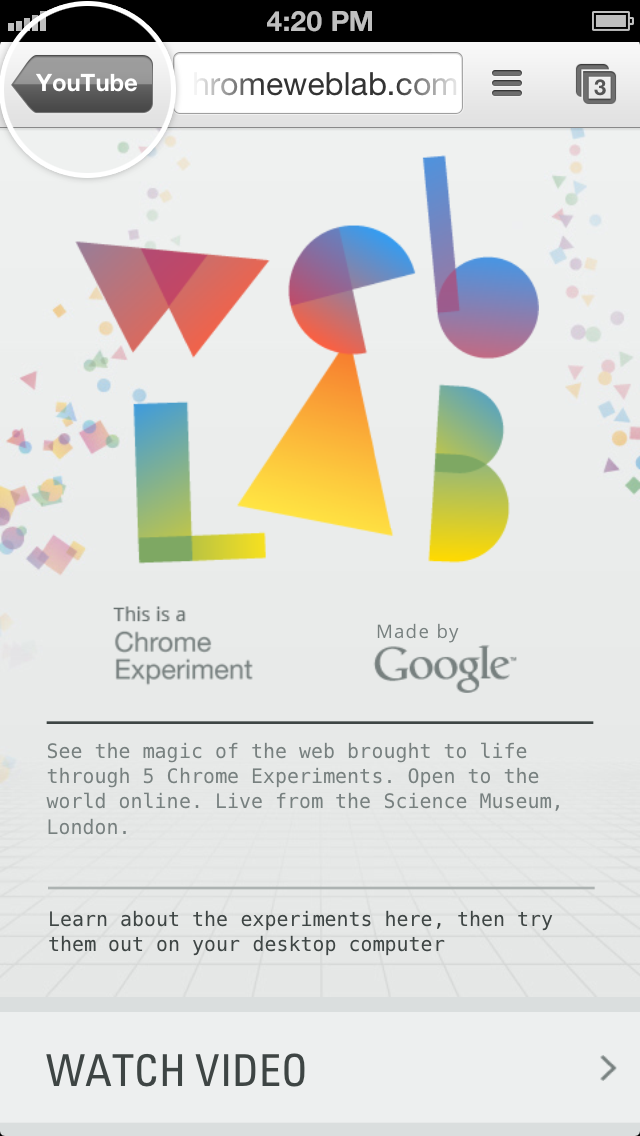
Google gives iOS developers a choice, and it ain't mobile Safari
Just yesterday, I suggested that Gmail for iOS, which new version links to Google apps rather than Safari, might be a bigger deal. Sure enough, is it ever. The search and information giant is hellbent on co-opting Apple's mobile platform by offering superior apps tightly tied to web services. But the strategy depends on Chrome.
Contrary to popular tech convention, Android isn't the future of Google platforms, neither is Chrome OS, nor is an amalgamation of the two. The browser is the go-forward platform of choice. Android and Chrome stand apart, competing with operating systems like iOS and Windows. Chrome can co-opt them and others. The browser is more natural fit for Google services and anchors them anywhere. This is the lesson from March's corporate shake-up that put Android under Sundar Pichai, who leads Chrome and Apps.
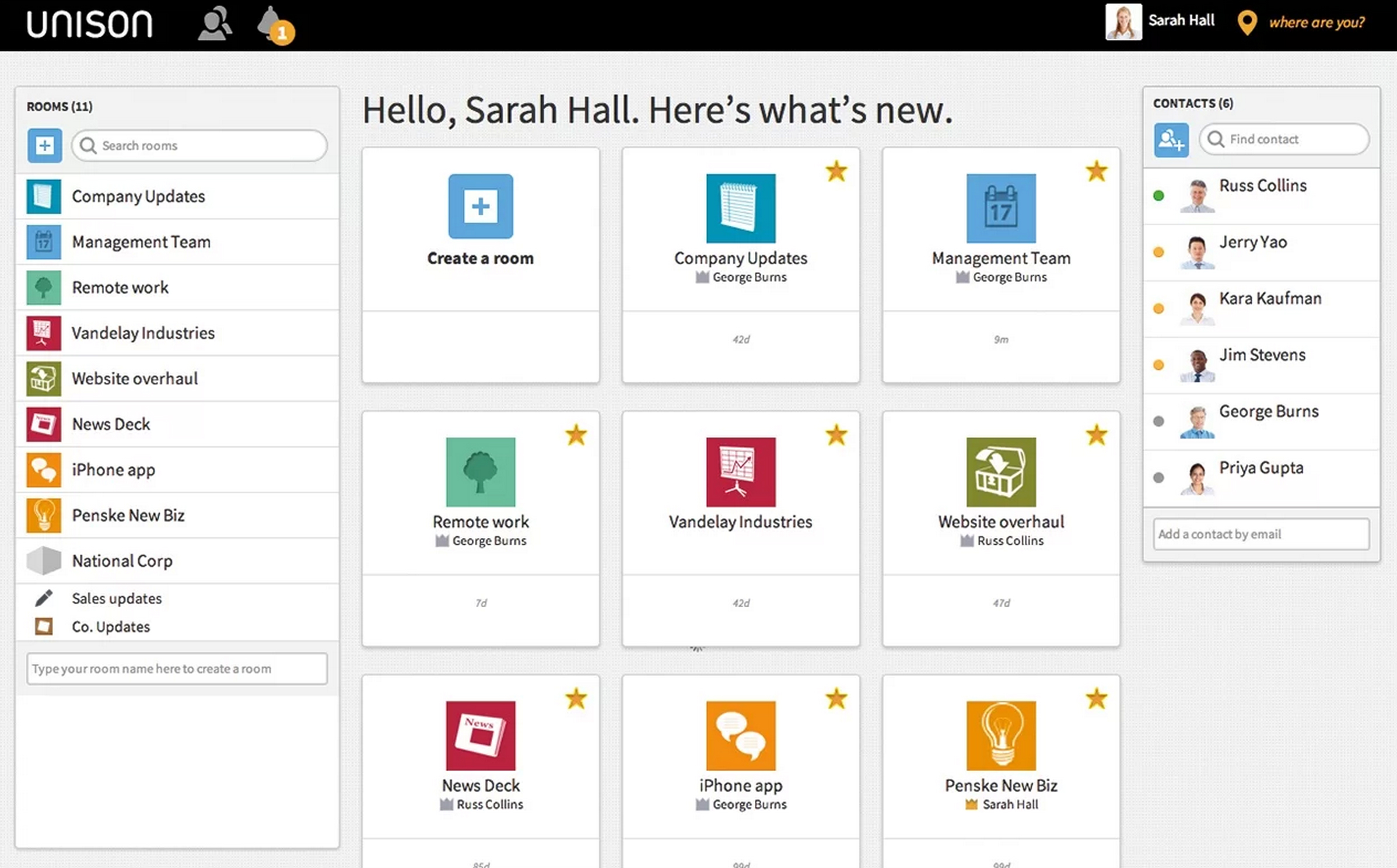
Enterprise social network Unison targets large teams with 250-user voice chat
After introducing Android and iOS apps, enterprise social network Unison has shifted its focus from mobile handsets to large team collaboration, introducing the ability to voice chat with up to 250 users straight from the browser. The feature is currently available only through the official Chrome app.
Compared to the traditional way of doing things on Unison -- text chatting -- the latest feature allows users and members of large teams to interact in a more personal way. Voice is also more immediate than writing and can trigger a faster response, something which can be helpful when dealing with fast-approaching deadlines or other critical scenarios. In some cases, businesses can also replace the traditional phone conference and, therefore, rely less on other services for basic but essential tasks.