



My New Year’s tech resolutions
Some years I make resolutions, others I don’t. The ones I make are usually the same -- lose weight and get fitter (something I finally achieved this year thanks to the Zombies, Run app), get that novel finished and land a book deal (another tick in the 2012 "done" box), and cut back on the amount of caffeine I consume (well, you can’t win them all).
For 2013 I thought I’d make a short list of tech-related resolutions, things I genuinely plan to do or achieve, and share them with you. So, in no particular order, here they are:
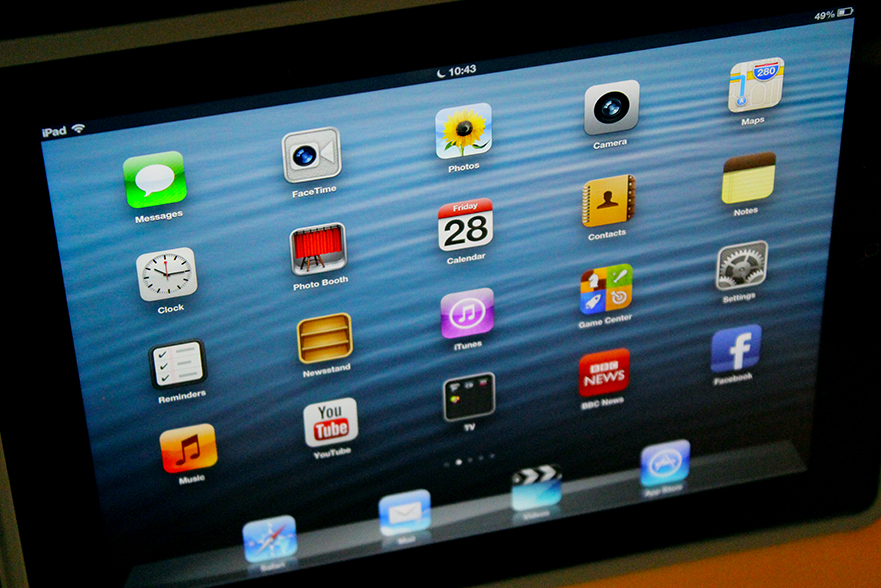
[Wayne] The tech I used most in 2012
To paraphrase Ferris Bueller, "Technology moves pretty fast. If you don't stop and look around once in a while, you could miss it". Smartphones and tablets are being updated, iterated and replaced so quickly these days. Take the iPad. Apple rolled out a new version in March, and then replaced it with a faster model in November. You’re never at the cutting edge for long, so you need to enjoy that moment while you can (not that it really matters if your tech devices are a generation or two behind, of course -- so long as they work and do what you need them to).
My colleague Alan Buckingham wrote the first of the BetaNews team’s personal tech retrospectives yesterday. Now it’s my turn.

10 must-have apps for your new iPad
If you received an iPad or an iPad mini for Christmas, the chances are you’ve already downloaded a fair few apps and are enjoying playing around with your new tablet. To help get you started, Apple’s created a "New to the App Store?" section which offers a curated selection of the best apps. There’s an "Essentials App Collections" area too, and you can also explore the "App Store Best of 2012".
Even with all this help from Apple you’ll still be faced with a somewhat bewildering array of choices, so to simplify things further, here’s a list of ten apps (paid and free) that I think are essential.
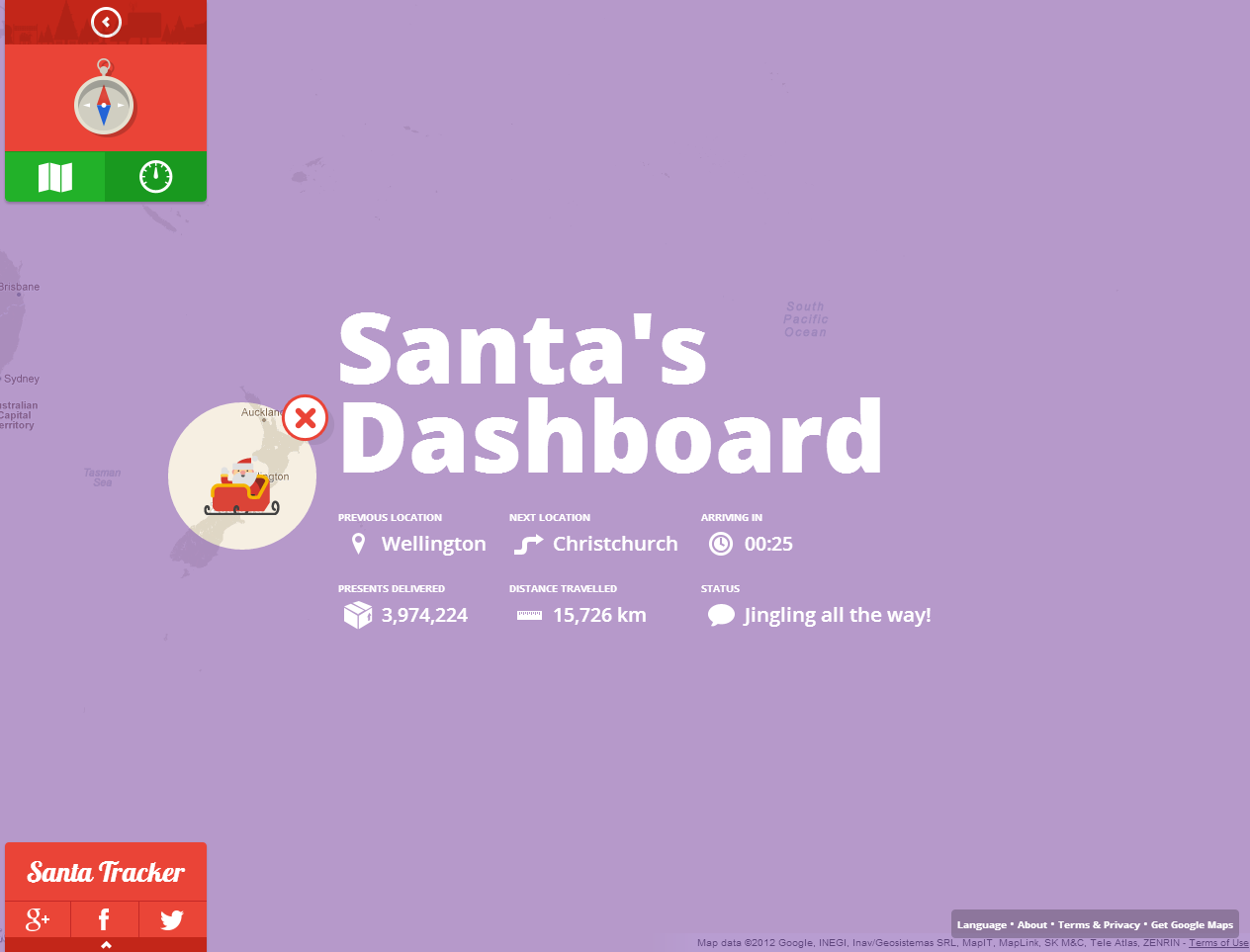
Google provides direct access to Santa's Dashboard
It’s a good thing Santa Claus doesn’t rely on Apple Maps to plan his route, or there would be a very unhappy bunch of children this Christmas. As it turns out, the bearded beneficent one uses Google Maps to make sure all of the presents he’s bringing to good little boys and girls get to the correct destination on time. He's not daft you know.
If you’re not already tracking the progress of the big fat man with the long white beard using the Google Santa Tracker for Android or NORAD’s website, mobile or Windows 8 apps, there’s a new Santa’s Dashboard site from Google which will provide up to the minute details of where he is at the moment. This shows Santa’s previous location, his next location, when he’s likely to arrive there, the number of presents delivered, the distance travelled, and his status. There’s also a compass, and a list of names of deserving children.
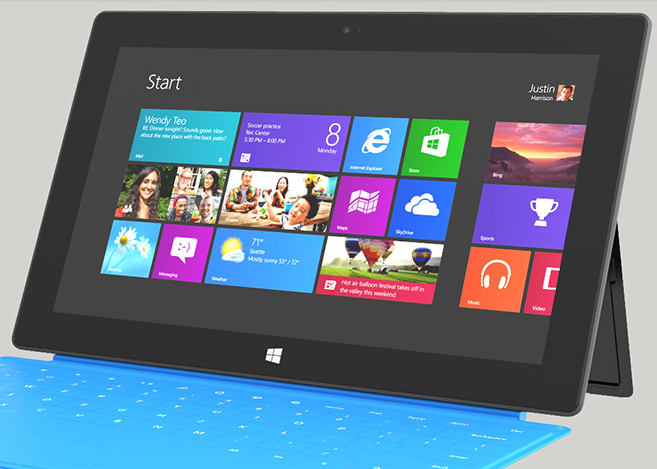
An iPad lover’s review of Microsoft Surface -- you know what’s coming, right?
Arriving far too late to influence any gift buying for Christmas, here’s my review of Surface with Windows RT. The tardiness of the review isn’t really my fault. Microsoft only put its device in proper shops in the UK last Friday, and I wanted to include the shopping experience as part of the article (even though I didn’t actually spend my own money -- a friend purchased the tablet I’m reviewing).
Before we get into the review, I need to preface it by saying the following: I love Apple’s iPad. I bought an iPad 2 as soon as it was released and replaced it with the new 4th gen model a month or so ago. And even though I use Windows 8 daily, I really don’t like the new OS all that much. So, inevitably, I’m going to hate Surface, right? Absolutely loath it. Well, that’s what I thought. But surprisingly I like it. I like it a lot.

IBM: Intranet 2.0 can streamline business processes and foster innovation [Q&A]
CMOs and CIOs frequently deal with outdated, legacy intranets that lack the interaction and functionality characteristic of Web 2.0 platforms. It’s no wonder that the intranet has frequently been pronounced dead by industry experts and reporters alike.
But according to IBM, the intranet isn’t dead, only evolving into what the firm calls Intranet 2.0, a new platform that combines social capabilities, data collection and a dynamic infrastructure to help business leaders create a smarter, more effective workforce. I discussed this transition with Larry Bowden, IBM’s Vice President of Portals and Web Experience.
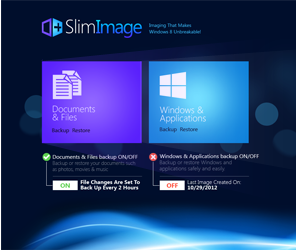
Be the first to try SlimImage, a new PC backup and versioning tool [BetaNews Exclusive]
SlimWare Utilities, makers of SlimCleaner, is hosting a special-access beta for its newest software product, SlimImage, and BetaNews readers are invited to be among the first to try it out.
SlimImage integrates directly with Windows 8 to preserve and safeguard a computer’s operating system, applications, files and documents independently. SlimImage is like a time machine for Windows 8 devices, incrementally backing up personal documents and files through versioning, while simultaneously, but separately, imaging the Windows 8 operating system and installed applications. In this way, SlimImage solves the problem of users losing data and personal documents when reinstalling their operating system in order to correct a system malfunction or crash.
CloudMagic wants to be the gateway for all your personal data [Q&A]
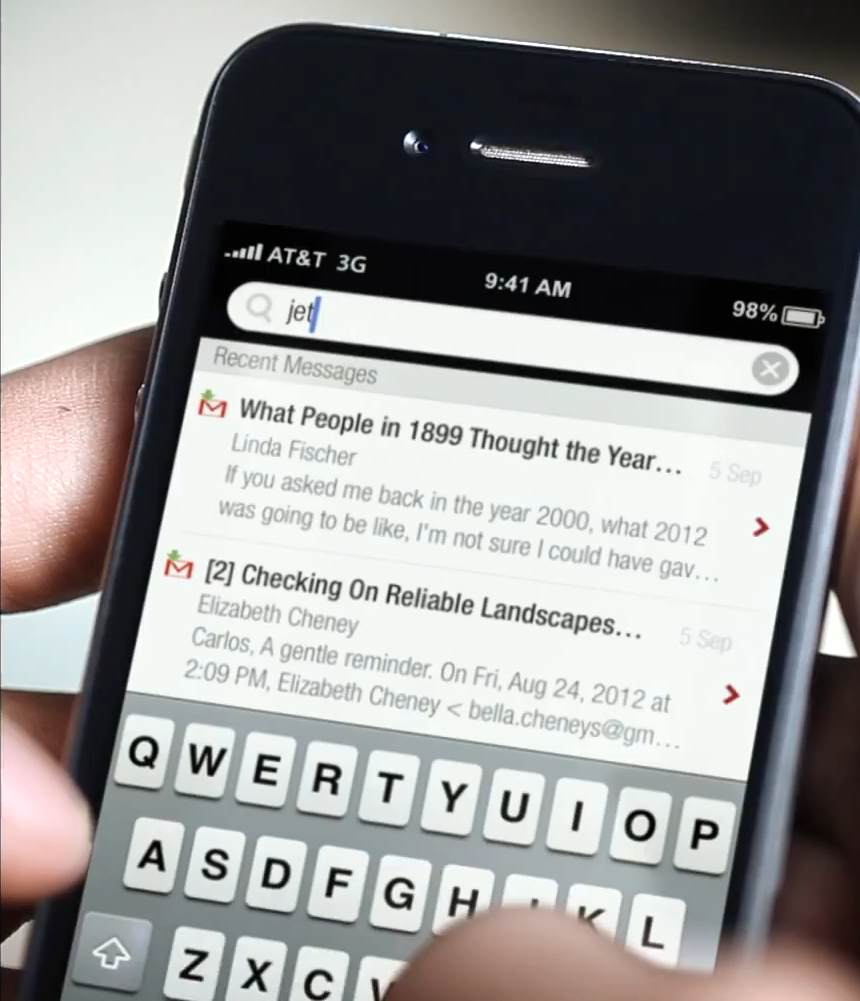
CloudMagic is a superb search tool that sadly doesn’t get the attention it fully deserves. If you’ve ever complained about how long it takes Google to find a certain message in Gmail, or have wasted far too much time trying to track down a particular tweet or Facebook status update, this is the solution you need (full disclosure: I’m a massive fan and couldn’t imagine life without it).
I spoke to co-founder Rohit Nadhani about his product, how it began, and the company’s plans for the future.
BN: For the benefit of readers who may not be familiar with CloudMagic, can you tell us a bit about it?

'Help! I’m trapped in a fire!' London Fire Brigade considering allowing people to tweet emergencies
I'll be honest, if I'm ever faced with an emergency such as my house catching alight, my first thought won't be to tweet about it. Neither will I be sending emails or texting anyone. I’ll be phoning the emergency services and speaking to someone. At least that way I’ll know the message has got through. But times change, and maybe using social media will soon become another accepted way to alert the authorities to non-life threatening situations.
The London Fire Brigade currently warns users not to rely on social media when reporting emergencies, as it doesn’t monitor its Twitter feed round the clock. However, that could soon change as the service is looking into new, smartphone-friendly ways for the public to communicate with it.

U.S. Judge rejects Apple’s plea to ban Samsung products
In a ruling that will surprise precisely no one -- not even anyone inside Apple’s camp -- U.S. District Judge Lucy Koh has denied Apple’s request for a permanent injunction against the Samsung products which were found to have infringed the Cupertino, Calif.-based corporation's patents, saying there was not enough evidence that the infringement had hurt Apple's North American sales.
In equally unsurprising news judge Koh also rejected Samsung’s request for retrial. The Korean firm had called into question the jury foreman’s impartiality after he failed to disclose he had been sued by his former employer Seagate Technology, a firm Samsung holds a stake in.

Google Maps on iOS hits 10 million downloads in less than 48 hours
Google’s new mapping app for iPhone was always going to be a hit. People trust Google to get them where they want to go and it’s a great product. The fact the app stormed to the top of the App Store charts less than a day after its release provided a pretty clear clue as to its popularity.
And now Google has revealed just how big a success Google Maps is on iOS, announcing via a Google+ post that the app was downloaded more than 10 million times in less than 48 hours. A staggering number. Google doesn’t usually reveal download figures for its apps, but clearly this is something of a special case. As good as that news is for Google, it’s another slice of bad news for Apple which was probably hoping people’s dislike of its mapping tool had been exaggerated by the media.
Raspberry Pi launches its own app store
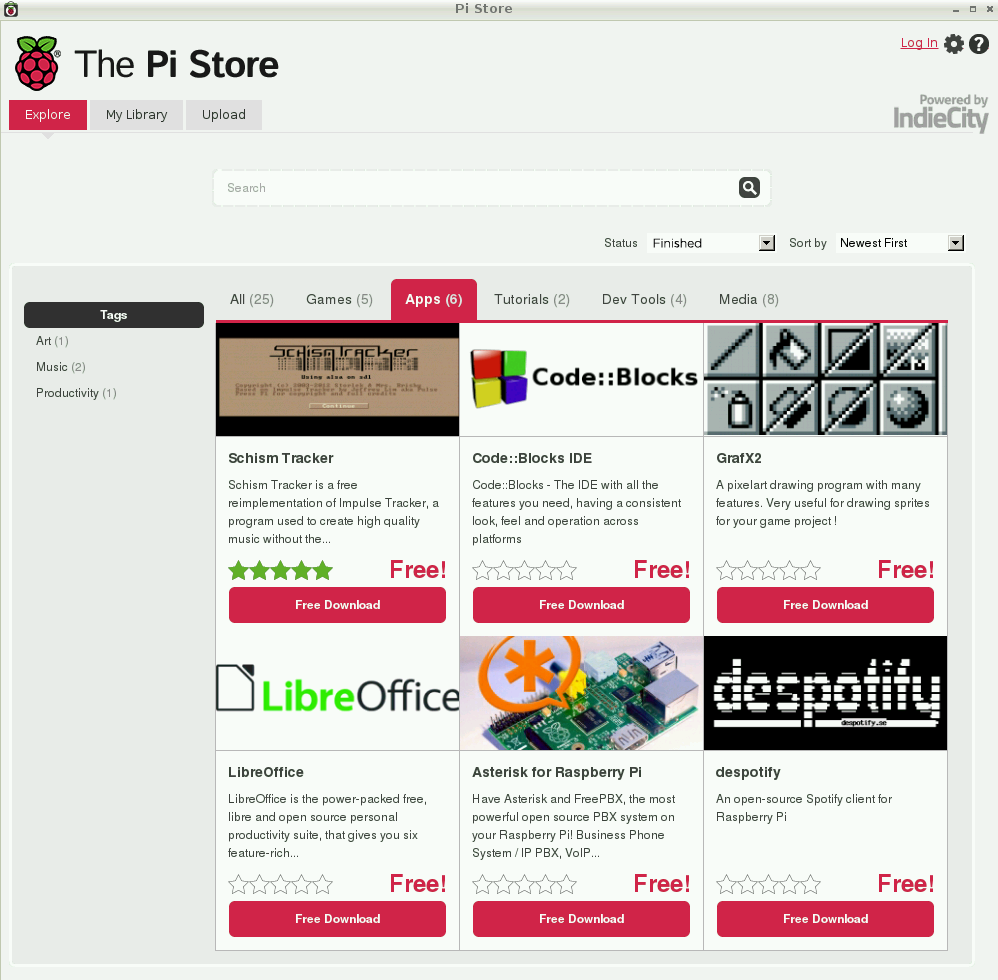
The maker of the popular credit card-sized ARM GNU/Linux computer has launched an online store to enable developers to share their games, applications, and tutorials with other Raspberry Pi users. The device was originally conceived as a way of encouraging youngsters to get into programming, and the store will provide a place for them, and older developers, to share their creations and maybe make a little money at the same time.
At launch the store has 23 free titles, and a paid game (Storm in a Teacup which is priced at £1.99/$3.22). The free content includes utilities such as LibreOffice and Despotify (an open source Spotify client) and classic games including Freeciv and OpenTTD. There’s also an exclusive 3D multiplayer space combat game called Iridium Rising. Winners of the Raspberry Pi Summer Programming Contest are being encouraged to upload their entries to the store, too.
Did I REALLY say that? Twitter will soon let you download every embarrassing tweet you ever sent
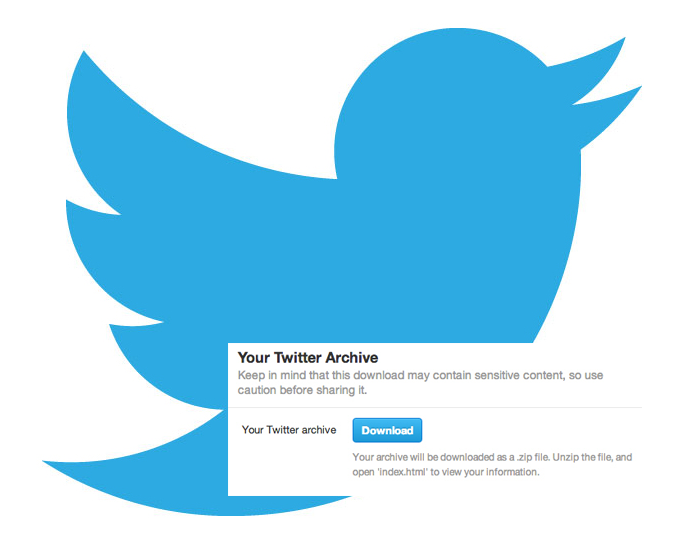
The micro-blogging site appears to be making good on its promise to allow users to download all of their tweets -- from day one -- in a single archive. Although there’s been no official announcement yet, there have been numerous sightings of the feature which is reportedly being rolled out to a very small percentage of users.
To check if you have the option, go to Settings and look for a ‘Your Twitter archive’ section at the bottom of the page. If it’s there, clicking the ‘Request your archive’ button will set the wheels in motion, and you’ll be emailed a link when your zip is ready to download. Extract the HTML file to view your tweets in calendar format, with the years on the right and the tweets on the left.

Google Maps for iPhone -- now that’s how you do it, Apple [review]
Soon after Apple replaced Google’s aging but accurate mapping solution with its own brand new, but woefully inaccurate alternative, I -- like many disgruntled iOS 6 upgraders -- switched to using the web-version of Google Maps (I briefly toyed with Nokia Here, but it’s not yet as good). The workaround was fine, but I only ever viewed it as a temporary stopgap while awaiting the triumphant return of Google Maps to the App Store, something that finally happened a couple of days ago.
Google Maps shot to the top of the free charts with indecent haste, further embarrassing Apple in the process, as users scrambled to install it. I installed it too, naturally, but held off on reviewing it immediately, as I wanted to make sure my happiness at its arrival wasn’t going to cloud my judgment. And the good news is, having now had plenty of time to play around with it, it’s great. Not perfect, but pretty damn close.

Total Defense takes the fight against malware to the cloud
According to Total Defense, a provider of internet security services and a former division of CA Technologies, the web is the primary vector for malware, with 85 percent of all threats originating there. More than 6,000 websites are infected every day, the company says, and the statistics don’t end there. It’s said that at least 75 percent of the world’s email is spam, and Total Defense estimates over 50 percent of malicious messages take the form of blended attacks designed to lure recipients into visiting infected web pages.
To prevent firms falling foul of these kind of threats the company has announced what it’s calling the "industry’s first true cloud security platform", offering enterprises and small-to-medium businesses multi-layered cloud-based protection.



