Microsoft releases KB4568831 update to fix printing issues, connectivity problems and more in Windows 10
Microsoft is continuing its ongoing game of cat and mouse with itself, releasing updates to fix problems introduced by previous updates. The latest to be released is KB4568831 and it addresses a range of issues.
Among the fixes this particular update brings are issues with LTE connectivity in Windows 10 version 2004, problems with Bluetooth headsets, and issues with printing.
Microsoft releases PowerToys v0.20.0 with new Color Picker utility and more
As recently promised, Microsoft has released PowerToys v0.20.0. This release sees the arrival of a new utility in the form of Color Picker for grabbing hex and RGB color values from anywhere on screen. There are other changes and fixes too.
There are now eight utilities available in PowerToys, and with this release Microsoft has made numerous improvements to those that were already in the collection. This includes adding SVG icon rendering to File Explorer, as well as improvements to Keyboard Manager.
Ancestry.com claims no harm from security vulnerability in Family Tree Maker
If you’re at all familiar with genealogy then you'll likely know both Ancestry and Family Tree Maker -- they an integral part of the pastime. Unfortunately, independent review site WizCase recently discovered an open and unencrypted ElasticSearch server that belonged to Software MacKiev, the owners of Family Tree Maker.
The leak exposed thousands of records including email addresses, user locations, and other sensitive personal information. FTM was owned by Ancestry.com until 2016 when Software MacKiev took it over, and the software is still used to upload databases to the Ancestry online trees.
Philo gets Google Chromecast support
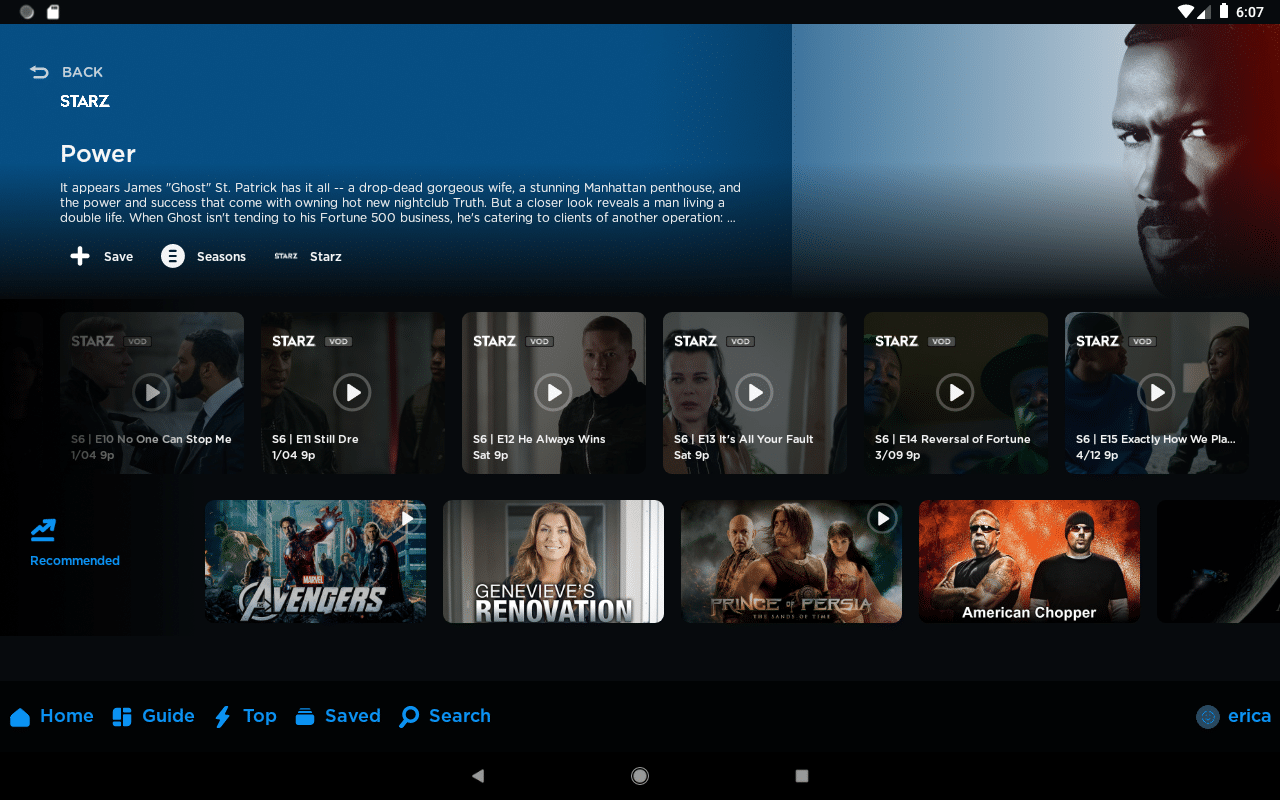
Around the world, many consumers are cutting cable, opting instead for online TV streaming services such as YouTube TV, Sling TV, and Hulu+Live TV to name a few. Another streaming TV service, Philo, isn't the most comprehensive option, but it is one of the cheapest at just $20 monthly for more than 50 channels.
Today, Philo gets a new feature that subscribers should absolutely love -- Chromecast support. Called "Philo Connect," subscribers can now choose to "cast" what they are watching on an Android device to their TV via a Chromecast dongle (or television with integrated Chromecast).
Microsoft fixes issue with Edge crashing when you type in the address bar
If you're using Microsoft Edge, you may have noticed that the browser crashes when you type in the address bar. You are not alone -- many people are experiencing this exact problem.
Microsoft has spent some time looking into the cause of the issue which seems to have been affecting people who were now only using Edge, but who have Google set as their default search engine.
Windows 10 May 2020 Update has an 11 percent market share despite its many problems
It is only two months since Microsoft released Windows 10 May 2020 Update, and it has already earned itself an 11 percent share of the market, according to figures released by AdDuplex.
The uptake of Windows 10 version 2004 is by no means the fastest of any edition of Windows 10, but considering the number of problems that have emerged in this particular update, it's pretty good going.

Let's hear it for sys admins -- IT satisfaction soars during remote working
Everybody and everything seems to have its own day in the modern age, and today it's the turn of sys admins to enjoy their moment in the spotlight as it's System Administrator Appreciation Day. Let's hear it for sys admins!
Okay, now we've got that out of the way, remote monitoring software specialist NinjaRMM has released the results of a survey which shows that admins have indeed earned some extra kudos during the current crisis (COVID-19 just in case you’re reading an archived version of this in 2030).
How cybercrime impacts the charity sector [Q&A]
Charities handle billions in funds every year and hold financial and personal information that cybercriminals increasingly see as a tempting target. Yet, according to the UK's Charity Commission only 58 percent of charities think they are at risk from cybercrime.
But for a sector, whose success is built on its reputation and the goodwill of its supporters, the loss of any sensitive information or fraud through phishing attempts can be devastating.

Apple iPhone 12 5G is NOT delayed
Because of the COVID-19 pandemic, many people were dubious that new Apple smartphones would hit stores this September like they often do. Then, more recently, there were several rumors that new iPhone 12 devices (which should have 5G compatibility) wouldn't hit stores until October.
Earlier today on a conference call, Apple CFO Luca Maestri confirmed these reports, saying "As you know, last year we started selling new iPhones in late September. This year, we project supply to be available a few weeks later." Many technology news websites were quick to say that Apple iPhone 12 was "delayed." Actually, that isn't true at all.
Star Wars sucks, but these Baby Yoda ears for Amazon Echo Dot look sort of cool
Star Wars sucks. There, I said it. Other than A New Hope and The Empire Strikes Back, the films are all horrible nonsense. Many current fans of the franchise are older men simply clinging to nostalgia. It's sad that Disney takes advantage of them, cranking out terrible new films and TV shows while selling them plastic tchotchkes. For the love of God, people, please stop buying figurines and make-believe laser swords.
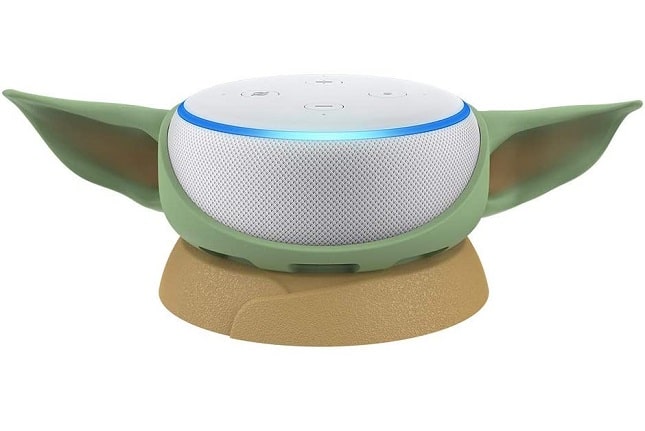
If for some reason you are still a fan of the Star Wars franchise, I have some good news. You know that TV show The Mandalorian on Disney+? Remember that Baby Yoda puppet thing that fanboys went gaga over? Well, you can soon have Baby Yoda ears for you 3rd gen Amazon Echo Dot. Yeah, it is an Echo Dot holder with friggin' Baby Yoda ears jutting out from the sides. It is just for decoration, and it adds no features to the device.

Google Chrome for Android gets credit card biometrics and new touch-to-fill
Biometrics have been a game-changer for consumer security. Not only can you unlock computers, tablets, and smartphones with facial recognition and fingerprints, but also, your finger can be used to decrypt encrypted storage devices. Are biometrics infallible? No. But still, the convenience makes consumers less likely to develop bad habits like having no password or pin at all on their devices! Never let perfect get in the way of better, folks.
Today, Google announces that it is integrating WebAuthn biometrics into its Chrome browser for Android. If you choose to store your credit and/or debit cards in the browser for easy checkout while shopping, you can now use your face or fingerprint rather than having to enter the CVC code from the card. In addition, Google is adding touch-to-fill, allowing you to easily fill in your information with one hand.

The NBA season kicks off, watch it online
Tonight the National Basketball Association season officially kicks off with the Pelicans at the Jazz and the Clippers at the Lakers. Hopefully this will go smoother than the start of Major League Baseball season did for the Marlins, who have had 17 positive tests for coronavirus already.
You can debate if the last season is starting late, or the upcoming season is starting early -- the NBA would prefer you to believe it’s the season that would have ended months ago, and that’s how they’re billing it.
COVID-19 apps: Social responsibility vs. privacy
The growth of coronavirus cases in a number of countries has led to talk about a second wave of the pandemic. According to WHO, disturbing news is coming from China, the US, Israel, South Korea, Iran and other countries. At the same time, privacy problems are arising with new force in COVID mobile apps.
It is a common opinion that Android app users don’t know how exactly their personal data and the information transmitted by the apps are actually used. Alarm signals of privacy breaking are coming from different places around the world. If you add to that the shortcomings and even errors on the part of developers -- the threat of unauthorized access to personal information increases even more.
Huge BootHole flaw in GRUB2 bootloader leaves millions of Windows and Linux systems at risk from hackers
A serious vulnerability dubbed BootHole has been discovered in the GRUB2 bootloader. Millions of systems run the risk of being exposed to hackers -- primarily those running Linux, but Windows is also affected. Discovered by security researchers at Eclypsium, the BootHole vulnerability has been assigned CVE-2020-10713 ("GRUB2: crafted grub.cfg file can lead to arbitrary code execution during boot process") and a CVSS rating of 8.2.
The flaw can be exploited to gain arbitrary code execution during the boot process, even when Secure Boot is enabled and virtually all Linux distributions are affected. But more than this, the vulnerability also leaves Windows systems that make use of Secure Boot with the standard Microsoft Third Party UEFI Certificate Authority open to attack.
New solution delivers faster detection of and response to threats
It's important for security teams to be able to respond quickly and effectively to threats and part of being able to do that is having good intelligence.
With this in mind, Netenrich is launching two new tools, Knowledge Now (KNOW), a free global threat intelligence tool, and Attack Surface Intelligence (ASI) combine to deliver rich, actionable context for faster, more proactive response to known and emerging cyber threats.