

Alfred turns unused smartphones into surveillance cams
Do you have an unused Android smartphone? It might be yesterday’s model, but Alfred can give it new life, turning the device into your very own home surveillance camera.
Setup starts by running Alfred on the phone you’ll be using as a monitor. Configure it as the camera, and log in with your Google account.
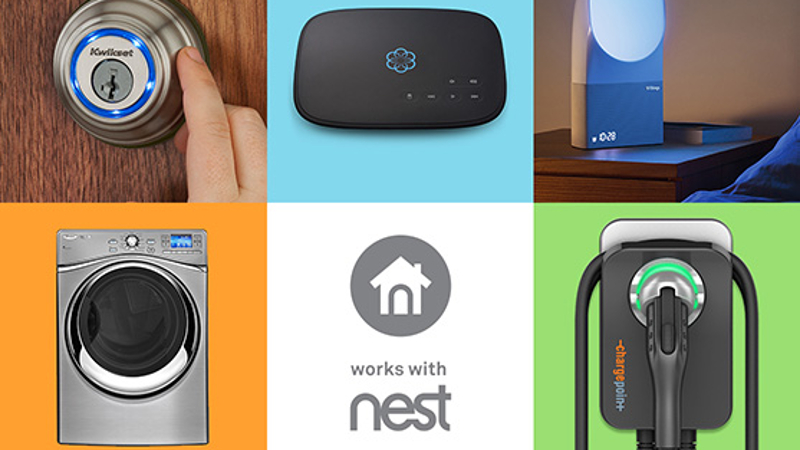
Nest looking to make a move into home audio
Nest, the home automation company that designs and manufactures sensor-driven, Wi-Fi-enabled, self-learning, programmable thermostats and smoke detectors, is making a move into home audio.
A recruitment add appeared on the Nest website, seeking a "highly technical Head of Audio to lead the development of Nest Audio across hardware and software, present and future".
No sex please, I'm checking my emails (and then updating Facebook)
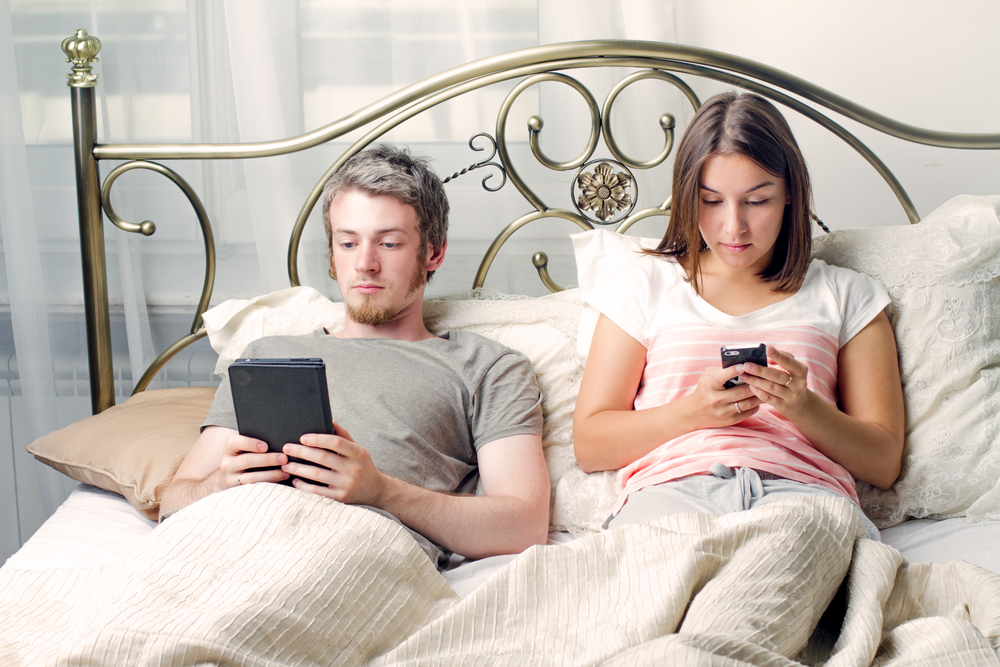
According to a new survey from Durex and Durham University’s Center for Sex, Gender and Sexualities, a large portion of us are more likely to be seduced by the lure of our smartphones than our partners.
40 percent of couples admitted to delaying sex because of smartphones or tablets, while others said they’d raced through the act in order to respond to messages. One third of respondents admitted to interrupting sex in order to answer the phone (because, you never know, it might be the spouse calling to find out where you are).

Cyber attacks rise as confidence in avoiding them falls
According to a new survey by the CyberEdge Group although IT security spending is increasing, confidence is falling, with the majority of respondents expecting to be breached in the next 12 months.
The survey of more than 800 security decision makers and practitioners finds that more than 70 percent of respondents' networks had been breached in 2014, which is a 62 percent increase from the previous year.

According to Nielsen SVOD is the choice of couch potatoes everywhere
Nielsen has been tracking the TV viewing habits of Americans practically since the invention of the tube. In recent years the polling company has had to adapt its operations to fit with newer technology that is increasingly being used by customers to satisfy their video needs.
That now seems to be leaning dramatically towards subscription-video-on-demand (SVOD). A new report states that this form of entertainment is winning across the board, and the numbers aren't even particularly close in this poll.
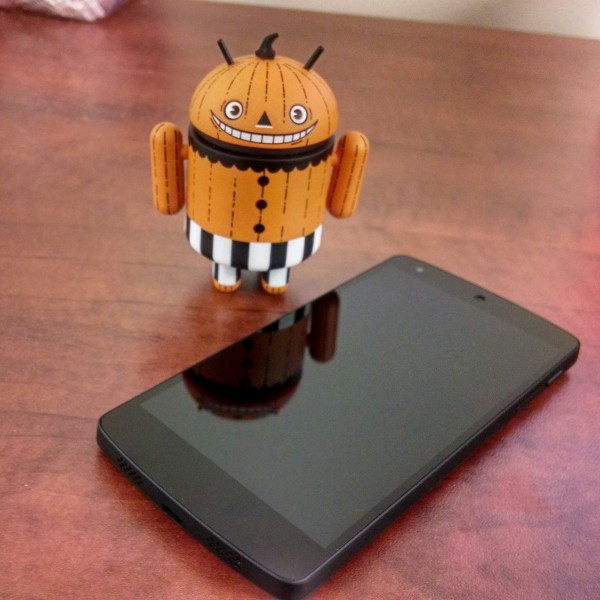
Bidding farewell to Google's Nexus 5
When looking for an affordable high-end smartphone the other day Google's Nexus 5 was an obvious option. Even one and a half years after its launch, its hardware is still more than capable of running all the latest apps and games, while the camera can still be considered a decent shooter. The downside of going with Nexus 5 -- as with previous Nexus smartphones -- is battery life, which falls short of the competition. So I ended up getting something else.
It turned out to be a smart move, as Google just pulled Nexus 5 from its online store, after five months of coexisting with its latest flagship smartphone, Nexus 6. If you still want to get one then you will have to look at retailers and some carriers, which are likely to carry Nexus 5 for at least a few more months (until LG stops production and/or existing stock is depleted.)
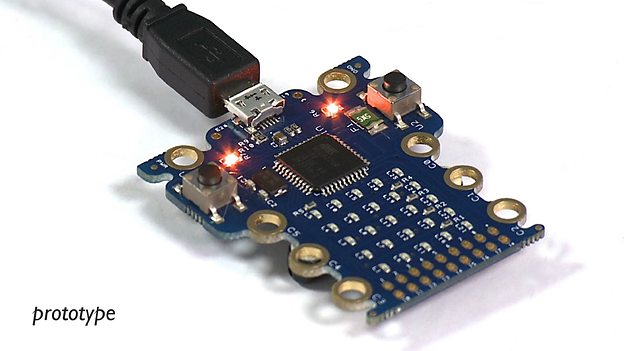
BBC Micro Bit is a free Raspberry Pi alternative for kids
It’s no secret that the Raspberry Pi has its roots in the microcomputers of the 1980s. And one device in particular inspired the creation of the massively popular barebones system -- the BBC Micro. Auntie Beeb’s computer was available in two models -- A, and B -- as is the Raspberry Pi.
Interestingly, while the BBC Micro inspired the Raspberry Pi, the Raspberry Pi has now inspired a new BBC Micro -- the Micro Bit.

BetterCloud provides added security for Google Apps
There's no doubt that cloud office platforms offer gains in productivity and easier collaboration, but they also present challenges for information security teams who need to limit content sharing.
For organizations that must comply with industry regulations like HIPAA this can lead to significant legal risk which, until now, was extremely difficult to mitigate.

Reporters Without Borders unblocks access to censored websites
Online censorship is rife. In many countries, notably China, citizens are prevented from accessing certain websites at the behest of their government. To help provide access to information and unbiased news, freedom of information organization Reporters Without Borders has set up mirrors to nine censored websites so they can be accessed from 11 countries that blocked them.
As part of Operation Collateral Freedom, Reporters Without Borders is mirroring the likes of The Tibet Post International which is blocked in China, and Gooya News which is blocked in Iran. Mirrored sites are hosted on Amazon, Microsoft and Google servers which are unlikely to be blocked by a censoring country.
New online tool simplifies project management for smaller enterprises
Project management can be daunting, especially for smaller organizations with limited resources or lack of expertise to use complex tools.
Dallas-based project and professional services automation specialist Vorex is launching an updated version of its cloud-based platform which offers new and enhanced features that aim to help SMBs better manage and grow their businesses, while increasing profitability.
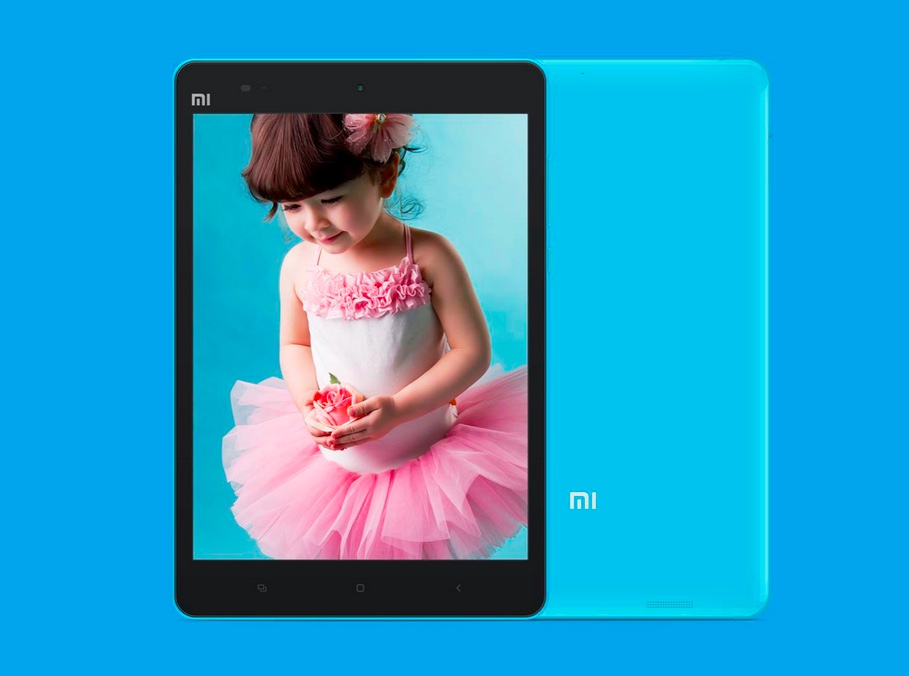
Xiaomi Mi Pad launches in India for Rs 12,999 ($200), offers better specs than iPad mini 3
In addition to the Redmi 2 smartphone, Chinese smartphone manufacturer Xiaomi also launched its Android tablet Mi Pad in India today. The highlight of the Mi Pad is its top-of-the-line specifications that includes an iPad mini Retina Display-alike screen, and Nvidia Tegra K1 processor (same as used in the Nexus 9) at the enticing Rs 12,999 ($200) price tag.
As for the specifications, the Mi Pad sports a 7.9-inch display with 2048×1536 screen resolution, flaunting 326PPI and Corning Gorilla Glass 3 protection over it. Inside the device sits a 2.2GHz Nvidia Tegra K1 processor and 192-core Kepler GPU paired with 2GB of RAM, and 16GB internal storage with support for microSD that can add up to 128 gigs storage to the device.

Read QR codes on the Windows desktop with BarCode Reader
The easiest way to scan the occasional QR code is on your phone. Install one of the many QR Reader apps, point your camera at it, and you’re done: it’ll detect the code, read the text and maybe act on it, for example opening your browser at a URL.
ByteScout BarCode Reader is a free tool which brings the same QR-reading abilities to the Windows desktop, and adds a lot of other functionality as well.
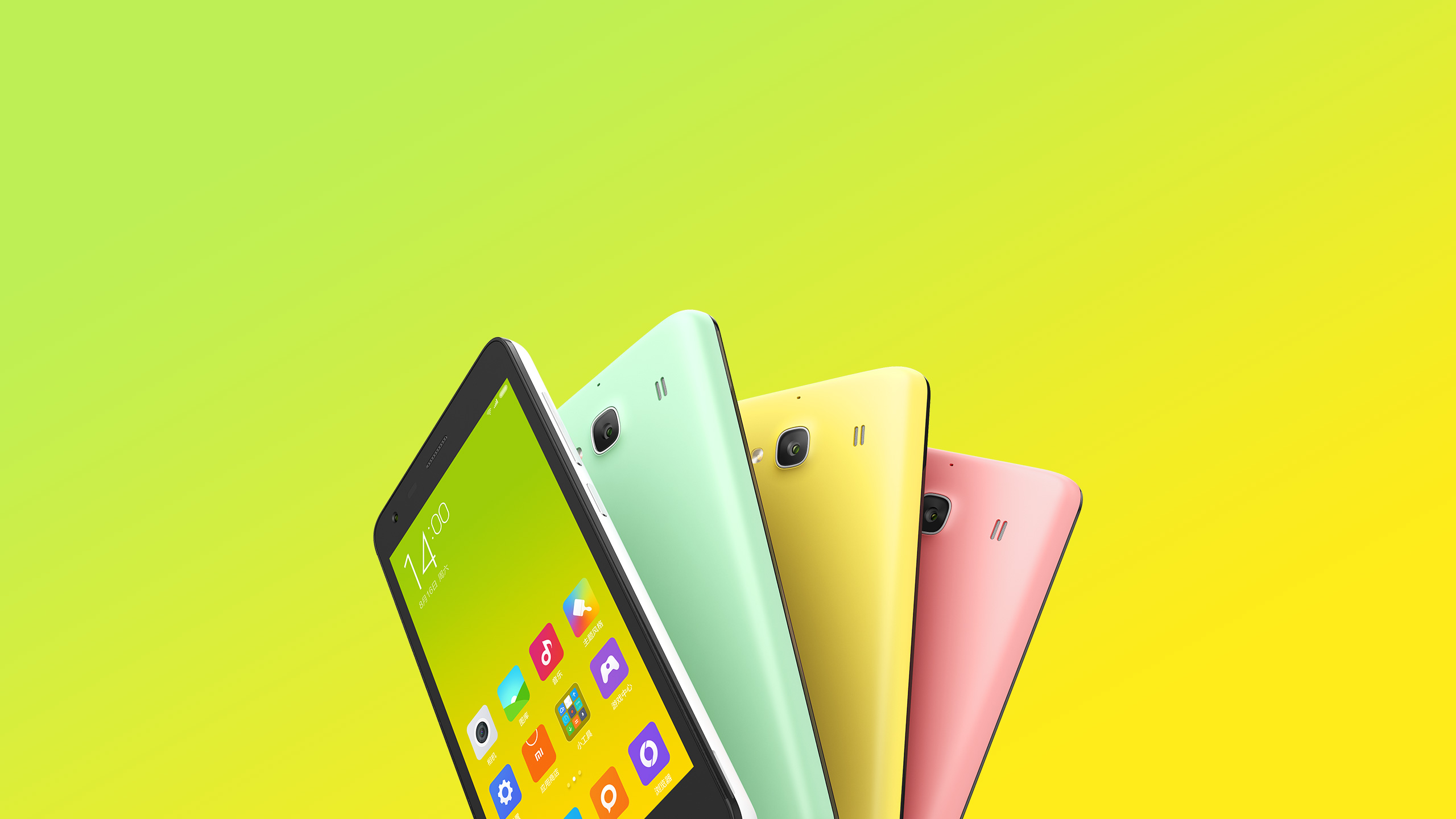
Xiaomi Redmi 2 with 4G LTE support launched in India for Rs 6,999 ($110)
Chinese smartphone manufacturer Xiaomi today launched the Redmi 2 -- the successor to its dirt cheap Redmi 1S -- at an event in New Delhi. The company has once again partnered with e-commerce portal Flipkart to give it the exclusive rights to sell the smartphone in the country. Priced at Rs 6,999 ($110), the handset will be available for purchase starting March 24 and will be sold via flash sales. The registration will start at 6PM IST on Flipkart today.
Unveiled in China this January, the Redmi 2 sports a 4.7-inch IPS HD display with 312PPI. It is powered by a 64-bit 1.2GHz Qualcomm Snapdragon 410 processor and Adreno 306 GPU paired with 1GB RAM. It comes with 8GB of inbuilt storage, which can be expanded up to 32GB via microSD card should you need more storage.

Panda Security identified itself as malware, quarantined its own files
Security software can be inherently dangerous. That appears to be a statement that doesn't seem to make sense, but it does none-the-less. We've seen it time and again, as well-meaning tools cause chaos with computers. The problems over the years have run the gamut from endless reboots to dead systems to files "accidentally" removed. The software has the best interest of the user in mind, but sometimes it goes too far, treading beyond the line of safety.
Such is the case in this latest incident which affected customers of the popular anti-virus program, Panda Security. It is not the first, nor likely the last, to cause these issues. By it's very nature, the programs search for files identified as malicious. The problem arises from the definitions it installs with each update. These are designed to search for malware, but can also appear as the culprit for which they are looking for.

Apple MacBook vs Google Chromebook Pixel
Two new laptops launched this week, both pioneering USB-C and packing 12-inch displays. The likenesses stop there, and the distinctions can't be overstated. One computer you can buy now, the other comes next month. Should you consider either? My primer will help you decide.
Apple unveiled the new MacBook, which measures 1.31 centimeters at its thickest and weighs less than a kilogram, two days ago. Sales start April 10. This morning, Google launched the second-generation Chromebook Pixel, which is immediately available for purchase. Both laptops adopt USB Type-C for power and, using adapters, hooking up to other devices. USB-C puts both computers at the bleeding edge for charging and connectivity, But their approach to ports couldn't be more different.