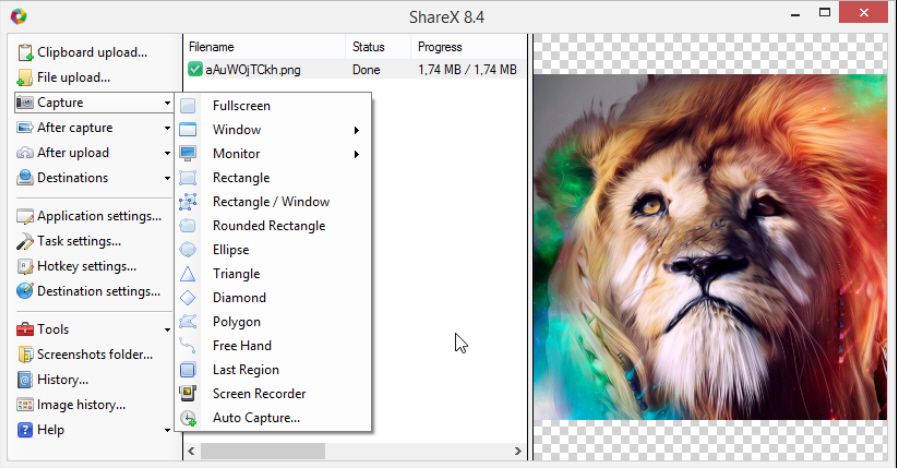
ShareX is an ultra-configurable screengrab tool
It’s easy to capture screens in Windows: just press PrtSc, Alt+PrtSc or Win+PrtSc (which saves a grab to disc in Windows 8). Unfortunately, the capture is just the beginning, and you’ll then have to spend quite some time editing, annotating, uploading, sharing and otherwise handling your image.
If you’re looking for an easier life, then, we would forget about the standard Windows tools, and install the open source ShareX, instead. Not only does it have many more features, but most of them can be entirely automated, so you can get your captures finished with no hassles at all.
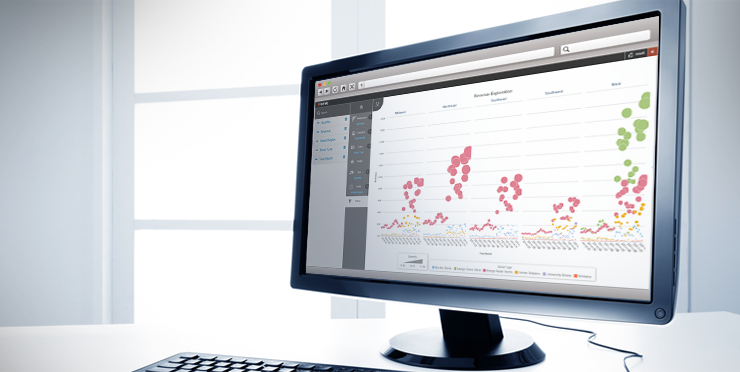
Birst brings a visual element to business intelligence
Business intelligence solutions, although they provide a wealth of information, traditionally rely on analytical techniques that take a good deal of time and effort to produce meaningful output. Birst has been a leader in cloud-based BI for a while and is now launching a visual discovery facility to streamline access.
Birst Visualizer sits on top of the existing Birst product's logical layer to provide accurate, business-aware enterprise data. It aims to combine a Google-like search with Amazon-style recommendations, allowing decision makers self-service access to data that might previously have needed specialist reporting skills.
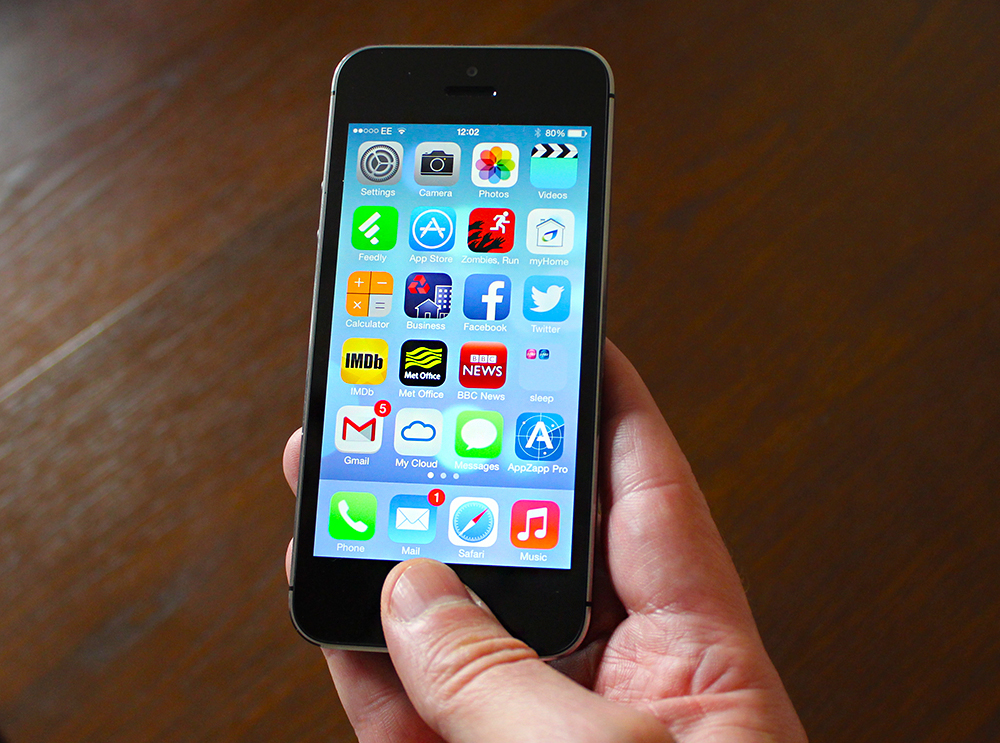
Sorry Samsung, I'm going back to the iPhone
I owned an iPhone 3GS for a couple of years, and loved it. But when the time came to replace it, instead of upgrading to an iPhone 4S, I decided to go for Samsung’s new Galaxy S II instead. The S II’s reviews were glowing -- many calling it an iPhone 5 killer (suggesting it was already way better than whatever Apple did next) -- and having played around with it in store, I was sold. Apple was the past, Samsung was the future, and this was the phone for me.
When the S III came out, I duly upgraded to that -- well, why wouldn’t? I’ll be honest, the beefed up size was a little off-putting at first, but the phone was great; a truly worthy successor. Recently though the device has started to misbehave, turning itself off without warning, and requiring constant charging, clear signs it was time to upgrade again. Going for the Galaxy S4 would have been the obvious choice, or maybe -- like many of my colleagues here at BetaNews -- I could have switched to a Windows Phone. The Lumia 925 is certainly appealing. The truth though is there was only one phone I really, really wanted and yesterday it arrived. A shiny new iPhone 5s in Space Gray.

Firefox 26 arrives, makes plugins more secure
Mozilla has begun the rollout of Firefox 26 FINAL, the latest stable build of its open-source, cross-platform web browser. There are no surprises with this final release, the raft of new and changed features mirroring that previewed when version 26 entered beta at the end of October.
The most visible change sees all browser plug-ins -- with the notable exception of recent Flash plug-ins -- being set to "click to play".
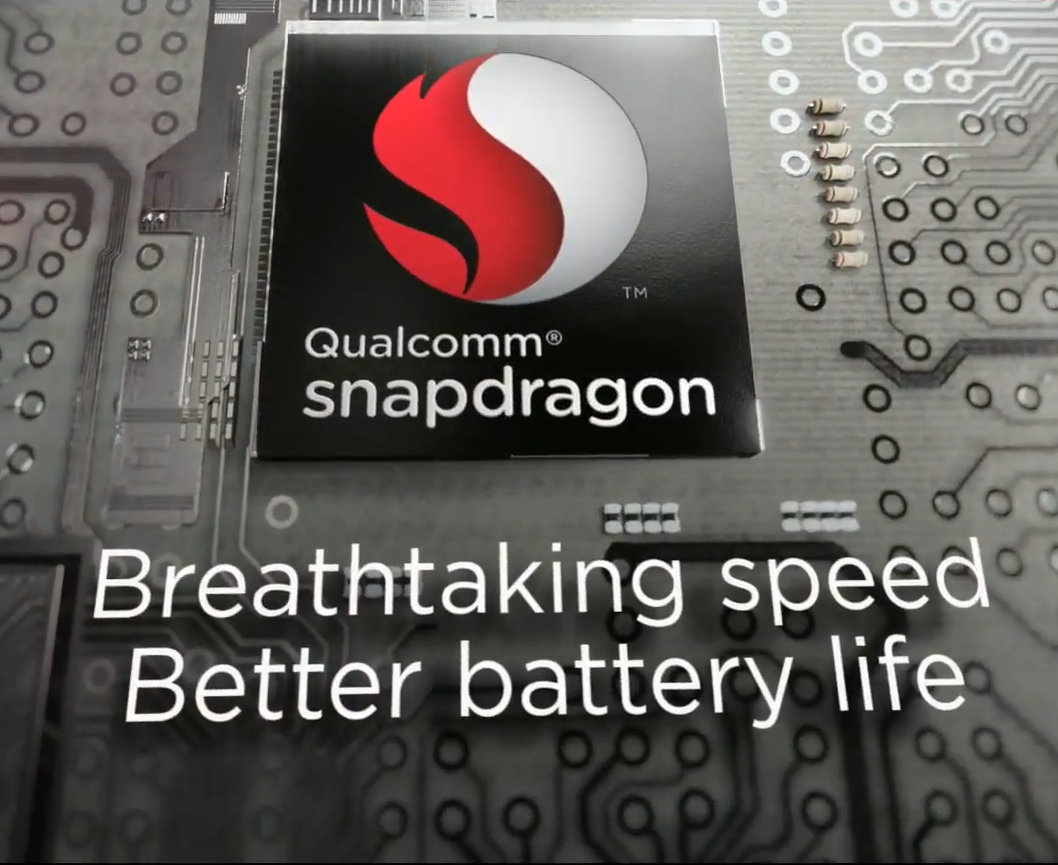
Qualcomm enters the 64-bit mobile processor arena with Snapdragon 410
The main reason why 64-bit processors are needed is to utilize hardware configurations with more than 4 GB of RAM. To make this possible, the operating system also has to support the architecture, and apps have to be properly designed as well. This is the case with PCs which top the mentioned memory capacity and have the right software for it, but when it comes to mobile devices the advantages are mostly limited to bragging rights at the moment, with a few exceptions (like Microsoft's Surface Pro 2 -- it runs the 64-bit Windows 8.1 Pro and can be had with 8 GB of RAM).
Apple's iPhone 5s is the best example of why having a 64-bit processor offers no real benefits (other than allowing developers to adjust to the change): iOS 7 and the apps may support the architecture, but the smartphone ships with just 1 GB of RAM. This means that at no point is 64-bit needed, because the memory capacity does not warrant it. Former Qualcomm chief marketing officer Anand Chandrasekher was among the first to point this out, but here we are today with the US company also revealing its own 64-bit processor, dubbed Snapdragon 410.
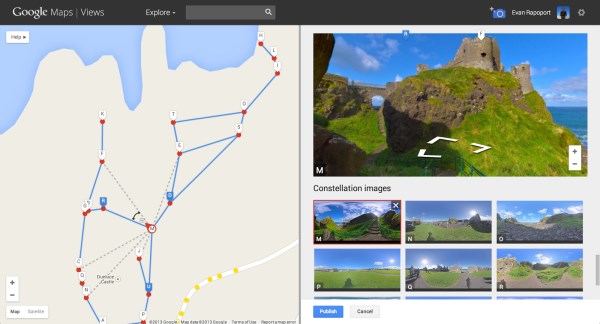
Google invites you to create your own Street View maps
Google Street View is a great way to explore the world around you without having to move from the comfort of your armchair. Not that we're lazy here at BetaNews, you understand! In fact, sometimes we like to get out and about. Like us, there are probably places you go to time and time again -- a favorite park, a trek up a hill, a stroll on the beach -- that are so breath-taking that you'd like everyone to experience them. Well, today Google makes that dream possible by letting anyone put together their very own Street Views.
In a post on the Google Maps blog, Product Manager for Google Maps and Photo Sphere, Evan Rapoport, explains that it is now possible to create a series of Photos Spheres, link them together and then share them on Google Maps. Unlike Google, there's no need to drive around in a special car kitted out with high tech camera equipment -- all you need is a DSLR or an Android phone.
Android 4.4.2 KitKat now available, here's how to install it
Mere days after Android 4.4.1 was released, Google is rolling out Android 4.4.2 for compatible Nexus devices. The latest version is more of a modest upgrade, compared to its predecessor which delivered noteworthy improvements to the Nexus 5 camera, as it mostly squashes a few bugs.
Android 4.4.2 fixes issues with clearing and delivery of the VM Indicator, according to US mobile operator Sprint, and other bits of the mobile operating system. There are also security enhancements introduced in the latest version of KitKat.

Happy Birthday! The mouse turns 45 today
The seemingly common peripheral that sits on our desks and gets taken for granted has not always been a part of computing. The lowly mouse has also changed more than you think over its lifespan, and its contribution to the technology world should be in little doubt. The tiny hand-held device has made major strides since its debut, 45 years ago today.
Yes, it was on December 9th, 1968, long before Windows was even a twinkle in Bill Gates' eye, that the little product made its first appearance. Years earlier, Douglas Engelbart filed a patent for a device he developed in 1963 at Stanford University. However, it took until 1966 for Patent number 3,541,541 to be granted -- fast by today's standards.

Microsoft accounts get stronger and smarter security
In the midst of the Snowden leaks, computer users are feeling very violated. After all, a personal computer is personal -- we want to feel that our data and privacy is secure. Microsoft says it best by saying "people won't use technology they don't trust".
While many may feel that the company is just supplying lip service, today the software giant announces that it is walking the walk too. Microsoft accounts are getting stronger and smarter security.

Streamnation lets you stream, download and securely share media with friends
In the past, sharing media with friends and family meant physically pulling out the photo albums or having to meet up in order to swap a DVD or video. Of course, these days you no longer have to tie yourself to the living room or study in order to access media either.
It’s perhaps surprising then that it’s only now that a cloud-based service has thought about providing a secure, simple way of storing, streaming and -- this is the biggie -- sharing media online. That service is Streamnation.com.

Tech giants' surveillance reform rally is disingenuous and self-serving
I'll be brief, because I'm seven days now with the flu and don't feel much like writing. But today's "open letter" for global government surveillance reform demands rebuke.
I'm all for curbing government snooping, but what about corporations collecting information? Tech Giant's -- AOL, Apple, Facebook, Google, LinkedIn, Microsoft, Twitter, and Yahoo -- reform rally is disingenuous and self-serving. These same companies collect mountains of personal information for profit. So, what? It's okay for them to snoop, but not governments?

Amazon improves Kindle FreeTime with new educational features -- children groan
While children may tout the educational features of tablets to fool adults into buying them, the truth is, no kid wants to use a tablet for education. It's simply a ploy to obtain a new toy on which to play video games and watch movies.
Sadly, some adults are actually responsible and enable these educational features on the device. To the dismay of children across the globe, Amazon announces new educational options for the FreeTime feature on the Kindle Fire line of tablets. In other words, learning is going to severely impact the playing time of Angry Birds.
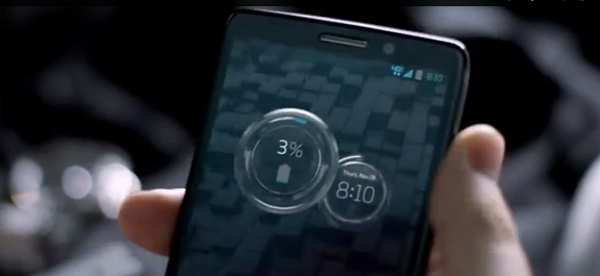
Verizon releases confusing Motorola Droid videos featuring Edward Norton
Strange and confusing ads are certainly not a new genre, in fact we see more than enough of them everytime we turn on the television. Verizon is taking this path now with a new series featuring Edward Norton -- it's no Fight Club, but it's almost as violent as that classic movie.
While the new campaign is certainly odd, it is also strangely compelling. The 30-second spot teases the real video without ever showing any sort of device to provide a hint of what this is all about. Instead it simply provides a hashtag and a "click here to see the full story" link -- #FortyEight, which seems to have a bit of traction on Twitter.

Amazon holding one-day Kindle sale
Amazon has been all over the news in recent weeks, and much of that has surrounded the Kindle line of E-readers and tablets -- we'll ignore those flying robots that have been on your mind. If you didn't get in on the big Cyber Monday sale, then you'll get a second crack at a deal today.
Amazon is holding a today-only Kindle-fest that features select members of the family at new, lower prices. The basic Kindle E-reader Wi-Fi is down from its regular $69 cost to $56. Other deals available include the 16 GB Kindle Fire HD at only $135, Fire HDX 7 16 GB model for $183 and the Fire HD 8.9 16 GB slashed from $269 down to $229. All of these deals are for the Wi-Fi only versions of the tablets.
Government surveillance needs to be reformed, say Google, Microsoft, Apple, and others
Headlines about government surveillance of web usage all over the world have been difficult to avoid this past year. Since Edward Snowden blew the whistle on activities by the NSA, both companies and web users have been asking for greater transparency in data collection and there have been endless calls for dragnet data collection to be stopped completely. It is often the case that when confronted with a common enemy, some unlikely alliances are forged. This is certainly true with the NSA, and now Apple, Google, Microsoft, Facebook, Yahoo, LinkedIn, Twitter and AOL are all coming together to present a united front and push for legal reform.
The collective has written an open letter to President Obama and congress, warning that "the balance in many countries has tipped too far in favor of the state and away from the rights of the individual". There has been quite a backlash against the number of requests for data that the US government has made of companies, and the letter makes it clear that the eight companies that have joined forces are not happy: