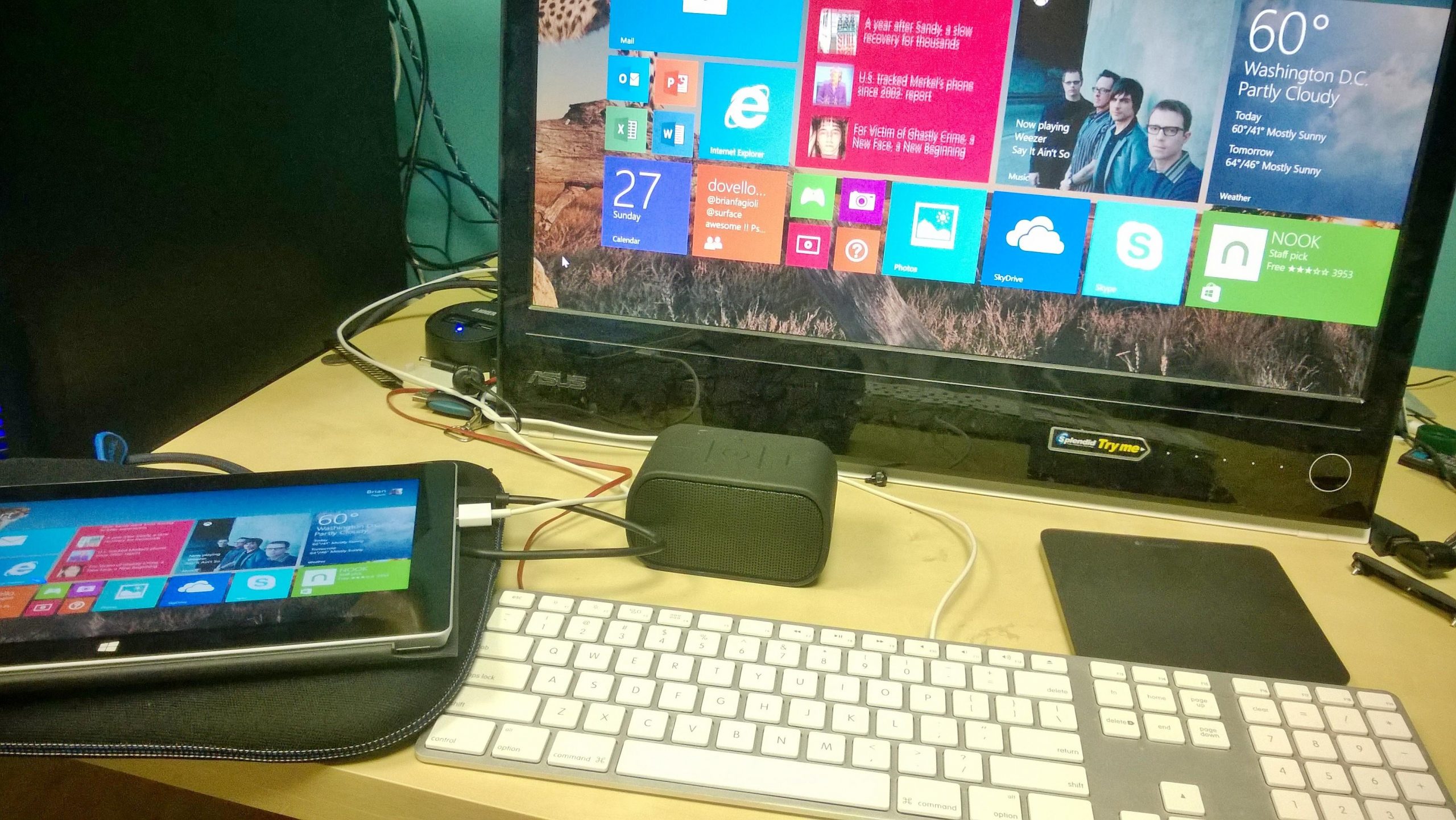
All-in with Microsoft, part 3 -- thoughts and conclusion
When I embarked on my Microsoft-only journey, I was scared. After all, my professional life and career depends on my use of technology. By limiting myself to only one company and its products, there could be room for more harm rather than good. However, I was also excited to try something new and share it with you.
In reality, people will not purposely restrict their choice in computing; they will choose the devices they want, regardless of brand. Quite frankly, many people mix and match brands and operating systems -- Windows laptop with an iPhone, iMac with an Android smartphone, etc. While I was using a Surface 2 with a Windows Phone in my experiment, that is not necessarily a common combination.
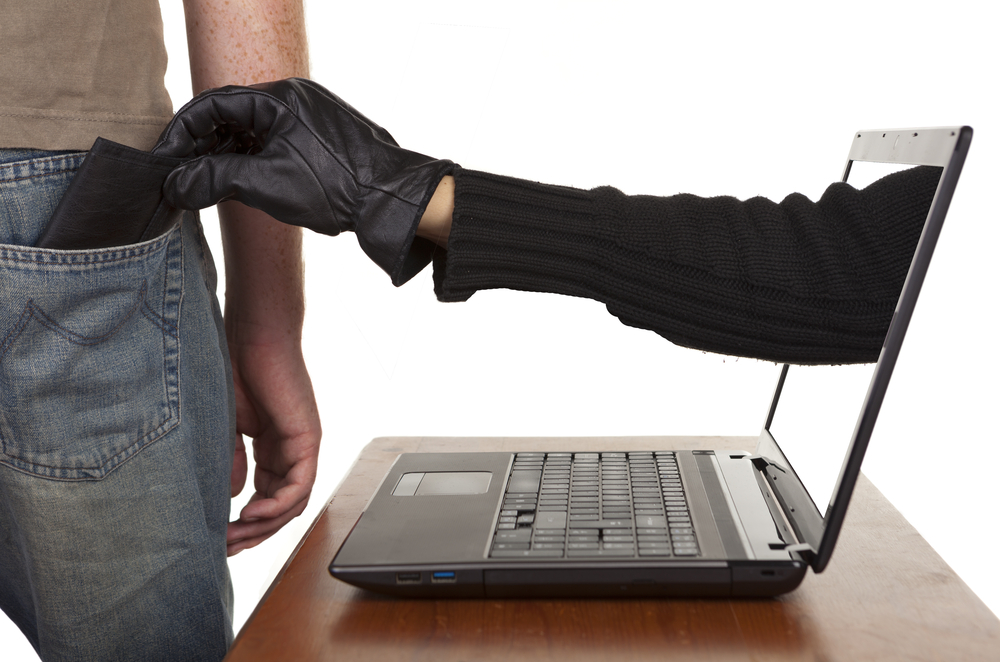
The numbers increase: 38 million user accounts affected by Adobe hack
Back at the start of the month, Adobe reported that the company’s network had suffered a breach and that as a result the accounts of 2.9 million customers had been compromised. Sounds bad? It's worse than first thought. And not just a bit worse; much, much worse. Upon further analysis of the figures Brian Krebs of KrebsOnSecurity puts the numbers at 38 million user accounts.
We reported the security breach at the time, and it is amazing to discover that the figure of 2.9 million affected users is in fact more than ten times as high. So how could the figures have been misread to such an extent? Apparently, many of the directories of data were password protected, making it difficult to give precise numbers at the time.

Pandora finds its way to Android tablets
Music choices continue to grow for the new mobile generation. While most services found on your phone are also an option for the tablet in your life, Pandora has been curiously absent from the larger screen. Not that it wouldn't work -- it has been at home on my Kindle Fire HD for sometime now -- but, it wasn't dedicated to the platform.
Today that changes. Mike Grishaver of Pandora proclaims "we’re excited to unveil our latest version of Pandora, designed specifically for Android tablets, and available for download starting today via Google Play".
Amazon Cloud Player comes to Mac platform, joins Windows, iOS and Android
Amazon has continued to roll out its Cloud Player application with the release of Amazon Cloud Player for Mac 2.0 (despite the version number, this is the first release on the Mac platform). The new player is practically identical to the Windows build, which debuted in May.
Amazon Cloud Player, also available for iOS and Android, allows Amazon users to access all music stored in its Cloud Player service.
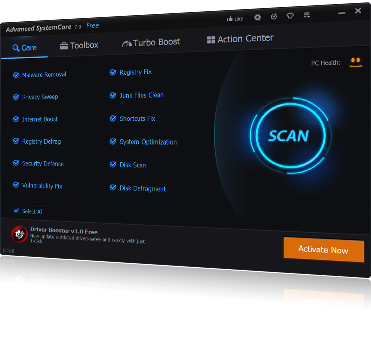
IObit Advanced SystemCare 7 now available
IObit has announced the release of Advanced SystemCare 7, its flagship PC maintenance suite. The package now integrates IObit’s Driver Booster, which locates and reports on missing driver updates.
The Program Deactivator aims to free up system resources by disabling startup entries and scheduled tasks for programs you’re not using, and a ManageMyMobile feature helps you "manage, clean, optimize and back up your Android device", or so IObit claims. In reality it just allows you to remotely install the company’s Advanced Mobile Care Android app, so doesn’t add much to the suite, although it may be helpful if you didn’t know the app existed.
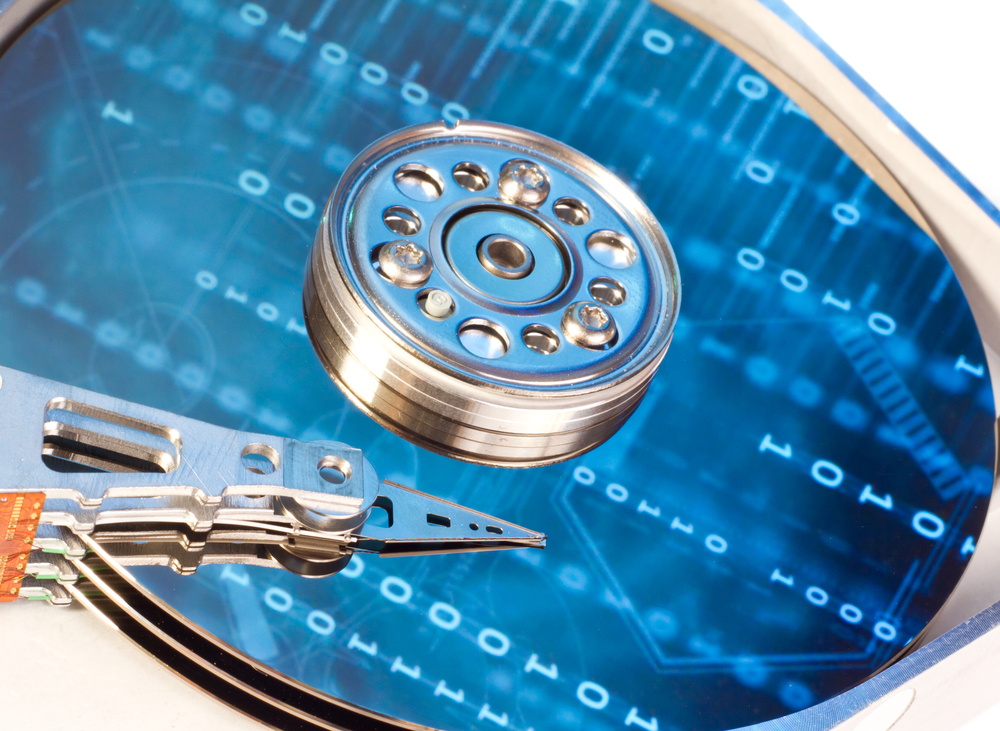
Enterprise storage gets serious with Ceph's scalable software solution
Unless you're heavily into the world of data storage you probably haven't heard of Ceph. It's an open-source distributed storage system for Linux platforms designed to deliver performance, reliability via a software defined system that's also very scalable. It's self-managing and self-healing and can be accessed via big data tools like Hadoop and Samba.
Now that you know what it is you'll be interested to learn that Inktank, the company behind Ceph, has launched Inktank Ceph Enterprise. This is a subscription product that builds on Ceph's open-source roots to provide the most stable version of the product with a new graphical management console and a suite of support services.
Google+ custom URLs rolling out to all users
In mid-August 2012 Google decided to give a select number of users custom URLs for their Google+ profiles. My colleague Joe Wilcox is one of the lucky few who received one. The change would make profiles easier to link to and share as the address is simpler to remember, read and write, with the Plusser's name replacing the string of numbers usually associated with it.
Late-yesterday, Google announced that all Google+ users will be able to take advantage of custom URLs for their profiles. The option is rolling out "throughout the week", to those who meet the search giant's permissive eligibility criteria.
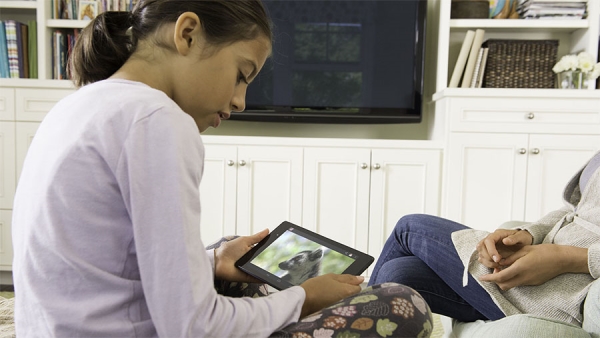
Google donates 17,000 Nexus 7s to Hurricane Sandy communities
It may be a year since Sandy struck, but the effects of the storms are still being felt. To mark the anniversary, Google is donating 17,000 Nexus 7 tablets to communities still feeling the impact of the hurricane. The devices, worth a total of $2.7 million, have been donated to community centers, libraries and other centers in the affected areas in New York.
The tablets were donated to the non-for-profit service the New York State Community Action Association who worked with the Port Authority of New York and New Jersey to store and distribute the devices. The Nexus 7s will be used in a number of ways including being loaned out as e-readers in areas where libraries are yet to re-open.
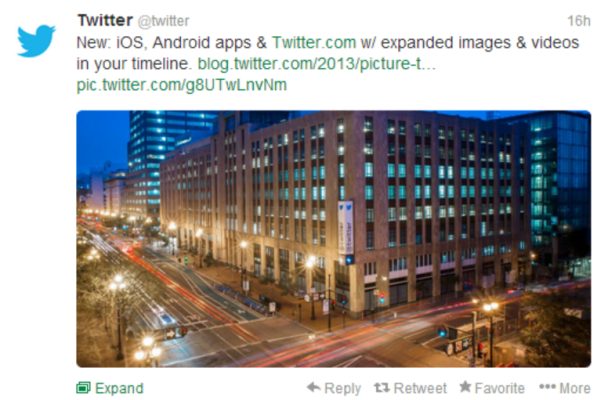
Twitter makes photos and videos more prominent -- ads to follow?
Very little fanfare is being made about it, but Twitter is changing the way photos and videos are displayed in timelines. When someone you follow tweets a picture or video, there's no longer any need to click a link to see what the tweet is referring to -- previews are displayed right there in the timeline. To see a larger version, you'll still need to click or tap through, but at least you'll be able to get an idea of whether it is worth doing so ahead of time.
In a blog post entitled "Picture this: More visual Tweets", the new feature is explained, and a Vine video shows it in action. The video also shows how mobile users benefit from the addition of easily accessible replay, favorite and retweet options.
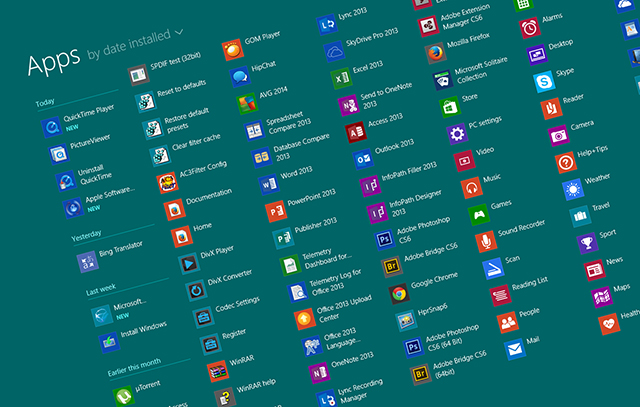
Tidy up the Windows 8.1 Apps screen by removing unwanted shortcuts
When you install an app or desktop program in Windows 8.1 it gets added to the Apps screen. From here you can add it to the Start screen by right-clicking to summon the Customize menu, and then selecting "Pin to Start". You can also "Pin to Taskbar" if you want regular quick access to it while working in the desktop.
The Apps screen, which you can set as your default view, can be ordered by Name, Date Installed, Most Used, or Category -- to make it easier to find the apps and desktop programs you want. You can also have desktop programs show up first when the Apps screen is sorted by Category. To do this, right-click the taskbar and select Properties. Click the Navigation tab and tick “List desktop apps first in the Apps view when it’s sorted by category”.
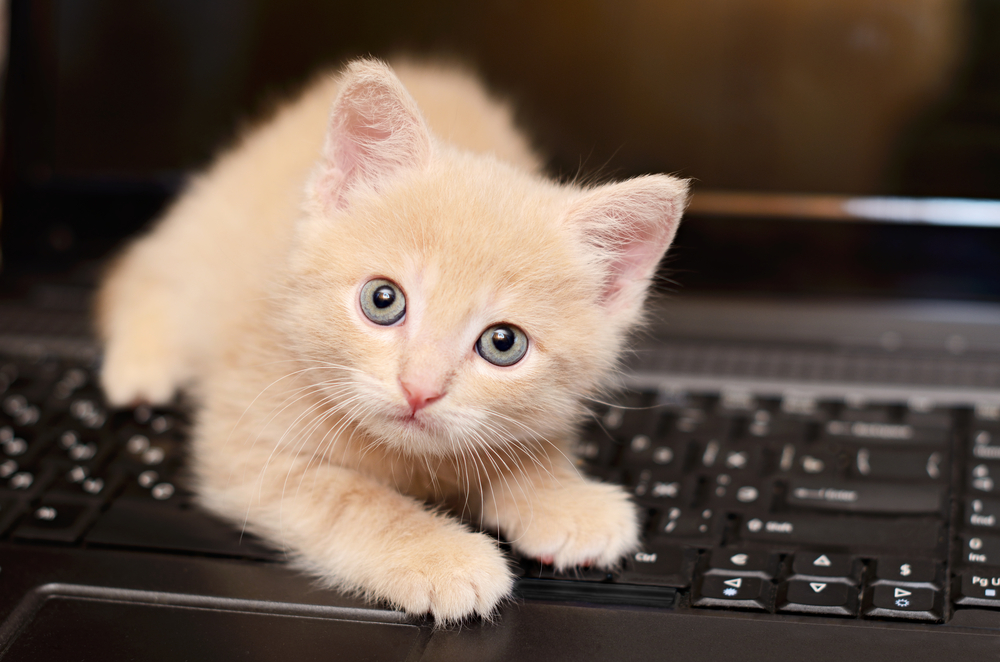
Dell Latitude 6430u owners complain the ultrabook smells like cat piss
In what could very well be the funniest and most bizarre news of the week, a large number of Latitude 6430u owners have complained on Dell's Community forums that their shiny new business-grade ultrabooks smell like cat piss. As far as I know, the US company has not announced a new, peculiar scent that would differentiate the ultrabook from its competitors.
The lengthy thread, that dates back to mid-June 2013, is filled with posts from Dell customers complaining about the unusual smell. As you can imagine, this has lead to some embarrassing moments. One of the users has taken it so far as to allegedly kill his cat, after assuming the animal was to blame for the problem. Others have been less extreme in their actions, with most owners focusing on highlighting the issue and asking for a solution.
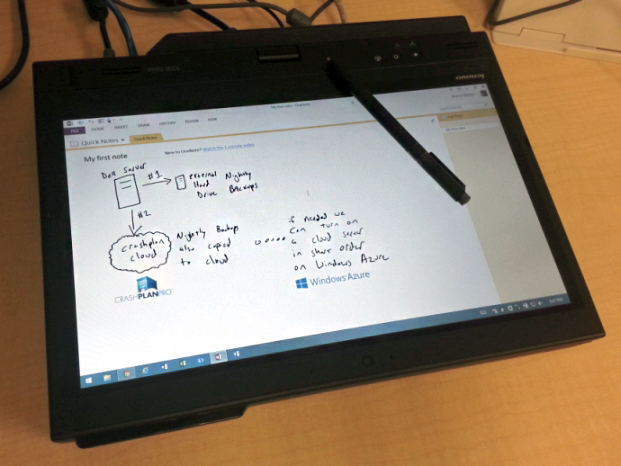
Windows 8.1 + OneNote: Why the digital notebook is finally a reality
In the mid-2000s, walking into a college classroom holding a laptop that came with a stylus for the purpose of note-taking was without a doubt out of place. The smartphone craze was still years away, and for all intents and purposes, touchscreens were relegated to two platforms: the Nintendo DS, and the last hurrah of Palm devices like the Treo. So when I sat in my undergrad classes taking notes in OneNote 2003 on my Thinkpad X41, people looked at me like I was an alien. Professors even asked from time to time whether I brought my paper notebook to class, so I wasn't playing with my "toy" the whole time.
Tablet PCs had a real personality dilemma way back then. Aside from OneNote, they were a sort of a pariah in the PC industry. Cool, sleek, powerful, and usually fairly light -- but they were held back in one major way: the operating system. I bless Microsoft for taking chances in areas where no one else dared, which undoubtedly led us to the current revolution being driven by Windows 8.1, but the first wave of Tablet PCs had real potential. The hardware was there, but the operating system was the large bottleneck by far.
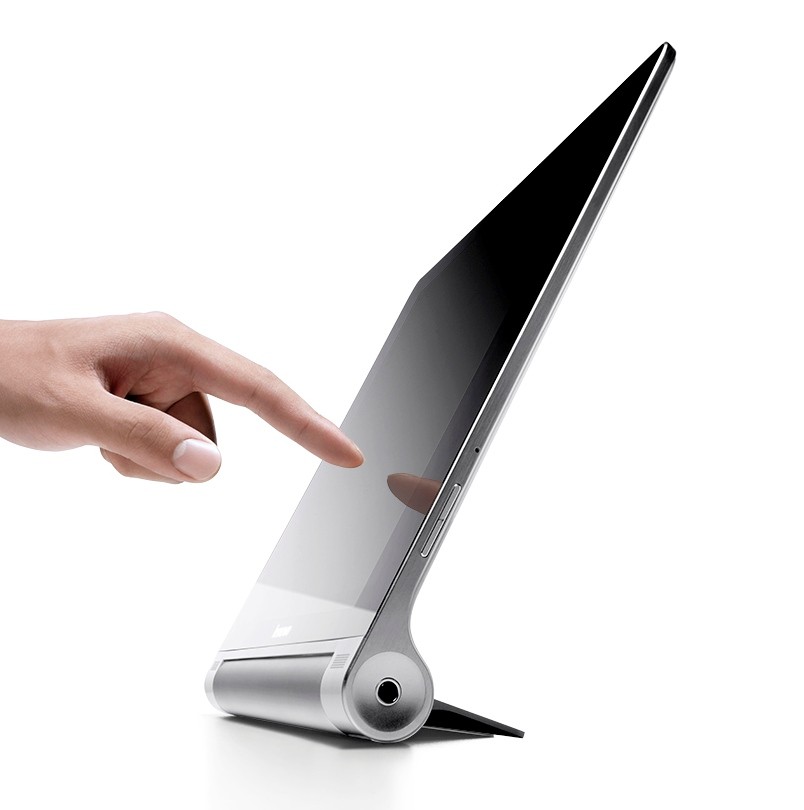
Lenovo Yoga Tablet -- a better way is here
When it comes to Android tablets, they are all rather ho-hum; big rectangular slabs. In an effort to use them comfortably as a display or for watching a movie, clunky cases and folios must be purchased in order to prop them up. Sure, you can lean it against something and hope it doesn't fall over, but that is risky business.
Lenovo feels the pain of Android users and has created a new solution -- a better way, if you will. The company has been teasing a device for three weeks now, but it is finally unveiled. Meet the all-new Lenovo Yoga Tablet.
Google+ Hangouts and Photos gain a raft of new options
Google is in the process of rolling out a series of new features to Google+ Hangouts and Photos, many of which have been designed to save users time. Hangouts gains a new option that enables broadcasters to schedule Hangouts On Air, while a management page in the form of the Control Room can be used by moderators to eject unruly participants should the need arise.
Video call quality sees improvements not only to quality, but also to automatic lighting adjustment. It doesn’t end there for Hangouts. The chat tool also gains the ability to send and receive SMS as well as location sharing. But it is Photos that sees the largest number of changes and additions. Something that will please mobile users who have enabled the autobackup feature is the introduction of full sized backups (rather than scaled) and background syncrhonization.
Plex unveils Cloud Sync, puts your media everywhere
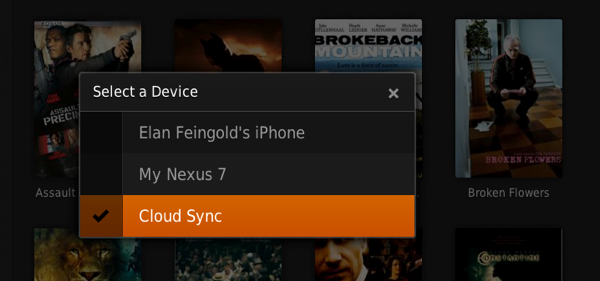
Plex brought media server and end-client apps to the masses, making the process easy for even the average computer user. Install the server app on a computer, walk through the simple setup process and then enjoy your music and videos from other computers, mobile devices, consoles and set-top boxes.
Now the company has unveiled its latest improvement to this system -- Cloud Sync. Plex Sync was unveiled last November, and the company claims it has been a major success, stating that "users have synced hundreds of terabytes of media to their iOS and Android devices, and we’ve heard stories from people using it to make their plane trips less boring, vacations more fun, and long commutes more palatable".