
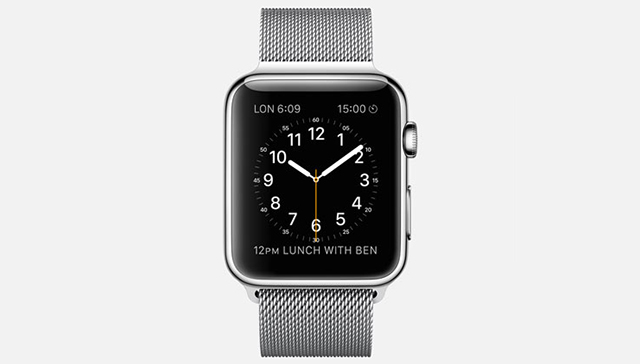
Apple Watch's Achilles' heel is short battery life
One of the main reasons why smartwatches are a tough sell today is battery life. Consumers expect them to work for a very long period of time on a single charge when, in reality, they only last for a day or two. It is no surprise then that, coupled with other issues related to the user experience, most people could not care less about them.
Not even the long-awaited Apple Watch looks like it will be able to match our expectations. When Tim Cook unveiled the device last month he left out details regarding battery life, which we took as a sign that we should not get our hopes up. A statement that Apple's CEO just made at the WSJ.D conference confirms our concerns.
Windows 10 will offer Mac-like trackpad gestures
Anyone who has ever used a modern-day Mac will tell you that Apple gets its trackpads right. Sure, they look nice and feel great to the touch, but, most importantly, they are also properly supported in OS X. It offers myriad gestures to help users navigate as efficiently as if they were using a mouse. In fact, the trackpad is designed to feel like an integral part of the system, not as a bolt-on, as there are lots of things that can be done faster with it, like locating a window or opening the notifications panel.
The same cannot be said about Windows PC trackpads. They truly feel like bolt-ons. And it is not because they are poorly put together, but rather because the drivers never seem to be good enough to reveal the trackpads' true potential. Microsoft, however, wants to change that in Windows 10, as the upcoming operating system will support Mac-like trackpad gestures. Finally.

Microsoft is the tenth most profitable company in the world
Just a few days ago Microsoft released its financial data for Q1 2015 (yeah, the timescale is weird) and we learned a little about where the company's money is coming from. According to data compiled by FactSet and published by USA Today Microsoft is in fact the tenth most profitable company in the world.
The list has been put together by taking into account companies' "net income before discontinued operations and extraordinary items for their latest fiscal year", and it finds Microsoft in interesting company. Sandwiched between oil giant BP and banking behemoth Wells Fargo & Company, Microsoft just managed to sneak into the top ten with $86.8 billion in revenue.
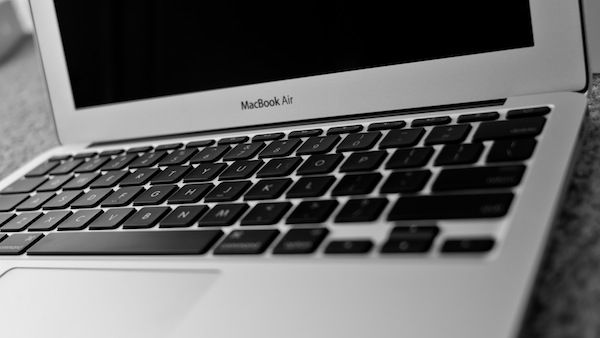
Why Mac sales are up, when PCs are down
On May 15, 2001, while previewing the first Apple Store to analysts and journalists, then CEO Steve Jobs boasted: "Apple has about 5 percent market share today", but the remainder "don't even consider us". Jobs exaggerated, and not for the first time, seeing as how Mac global share was more like 2 percent. But the ambition, to use the retail shops to "double our market share", was achievable. Three years following his death, with 10-percent long ago reached in the United States, something more startling occurred: During calendar Q3 2014, Apple moved into fifth place for global PC shipments, according to IDC. The question is why?
I have wondered for weeks, and waited until Apple's quarterly earnings report before writing an analysis. By my math, the average selling price of Macs was about $1,200 -- that in a PC market where sales are sluggish, at best, except below $300 selling price. Yet, according to financial disclosures, Apple shipped a record 5.5 million Macs, with units up 21 percent annually and 25 percent sequentially and generating $6.625 billion revenue; that's an increase of 18 percent and 20 percent, respectively, for the same time periods. Who in the hell is buying these things, and for so much money? The answer may surprise you.
Stop the iScandal insanity!
Another day, another iPhone scandal. It seems like we can’t go through one news cycle without something to blame Apple for. While yes, the iPhone is nowhere near perfect, at times the level of negative press has bordered on ridiculousness.
My patience with these iScandals reached its breaking point this weekend. Here on BetaNews we covered the latest media-created iPhone flaw, which apparently is called "dyegate". The gist is this: a small minority of users complain that their iPhones are being stained by the dye from their jeans. That’s right: it is Apple’s fault that the consumer purchased a cheap pair of jeans that weren’t correctly pre-washed at the factory to prevent these dye bleeding issues.
Apple's latest iPhone 6 problem -- #dyegate
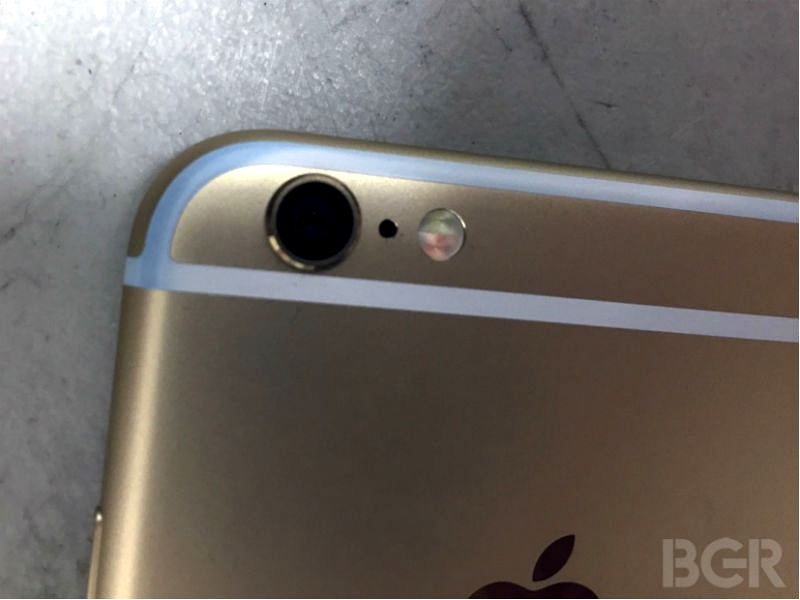
Apple's latest flagship smartphone has caused consumers quite a few headaches (literally, in some cases).
The handset, which doesn't come cheap, is prone to bending and tearing out people's hair, leading to the creation of the vastly amusing '#bendgate' and '#hairgate' scandals. Now, however, it's all about '#dyegate'.

Christian Bale is Steve Jobs in upcoming biopic
Christian Bale has been confirmed to play Apple co-founder Steve Jobs in an upcoming feature film based on Walter Isaacson's biography of the late technology icon.
Oscar winning screenwriter Aaron Sorkin revealed the news during a Bloomberg television interview with Emily Chang yesterday.
Why the iPhone 6's Apple Pay is all about owning your identity
Apple's 'Apple Pay' function, tying Touch ID with mobile payments, was perhaps the most important announcement to come from the 9/9 event, and one that signifies the company's first legitimate claim to consumer identity.
This pits Apple not just against payment providers such as PayPal, but against companies like Facebook, Google and Amazon as an identity provider. Combining Apple Pay with Passbook effectively digitises a user's entire wallet, and with that their identity as a consumer. It's essentially putting your 'identity' into one 'pocketable' device.
Is the iPad mini losing its appeal?
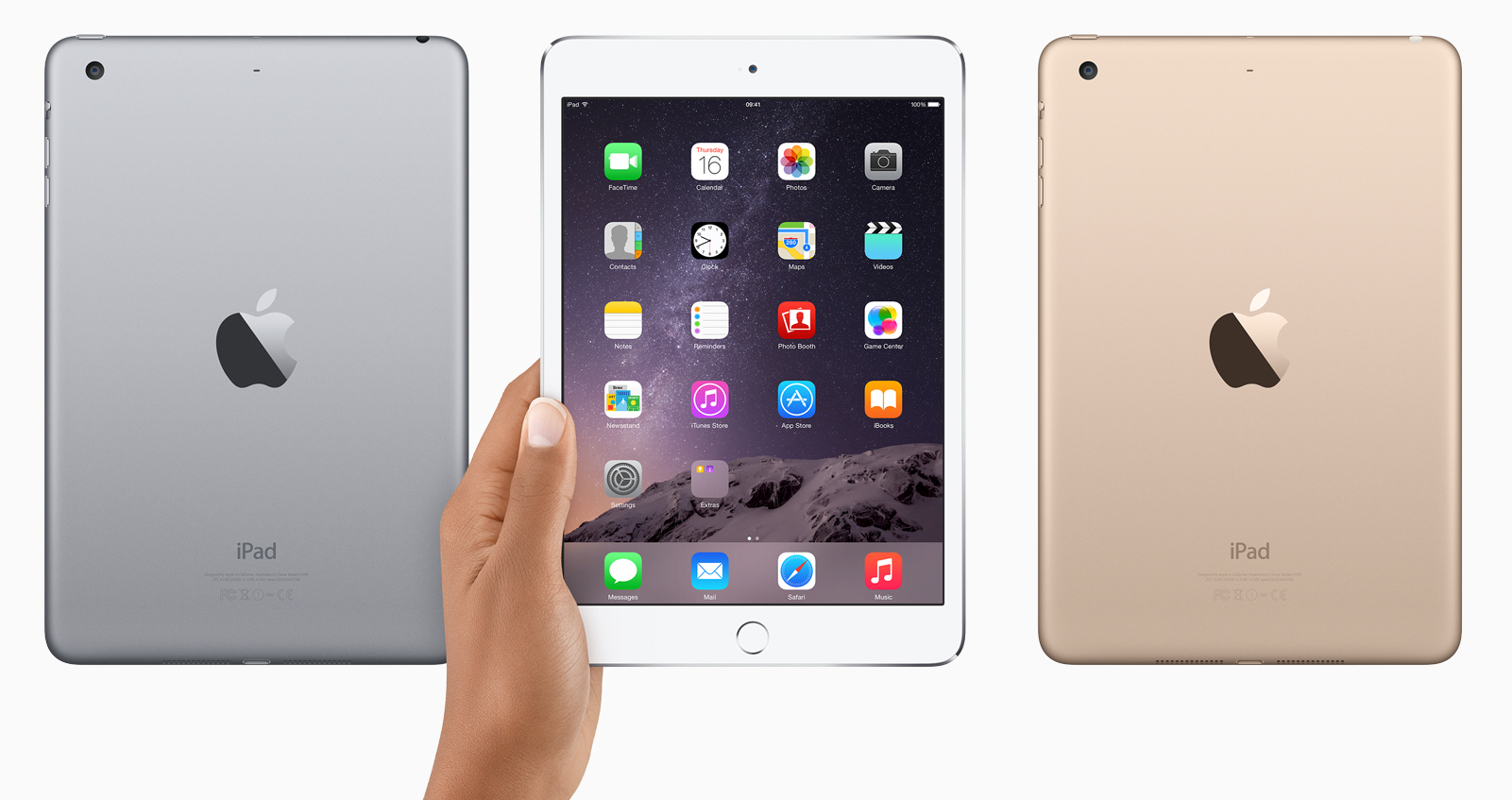
When Apple announced its new iPads last week it was, unsurprisingly, iPad Air 2 that got the most focus. It’s Apple’s flagship (and most expensive) tablet after all, and received the greatest improvements.
The iPad mini 3 had little new to offer, and so was presented almost as an afterthought. Rather curiously, Apple is now selling three generations of the mini at varying price points, but new sales data suggests the smaller tablet is falling out of favor with consumers.
Apple CEO Tim Cook writes to employees after Q4 2014 earnings call
Still in buoyant mood after the launch of the iPhone 6, Apple Watch, and iPad Air 2 -- even the Mac mini -- Apple gave its Q4 2014 earnings call yesterday. CEO Tim Cook announced that the company generated $42.1 billion in revenue in the quarter and a net profit of $8.5 billion, up from $37.5 billion and $7.5 billion for the same period last year. Referring to the "biggest iPhone launch ever", Cook explained that Apple is due to enter the holiday season with its "strongest product lineup ever".
He explained that 60 percent of the quarter's revenue came from international sales, and sales have gone up in just about every area of the company with the exception of iPad and iPod sales. The iPhone remains the biggest seller (some 39.272 million units, up 16.2 percent), and Mac sales are also strong (5.52 million units, up 20.7 percent).
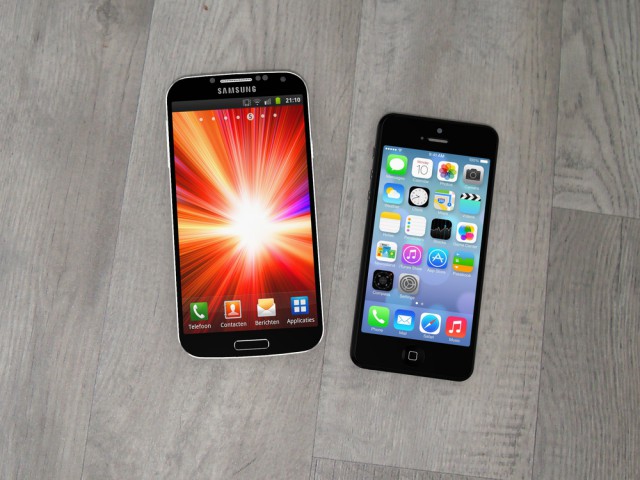
How to switch from iOS to Android, according to Google
With Android 5.0 Lollipop, Nexus 6 and Nexus 9 on the horizon, as well as some great Android devices already on the market, some of you may be thinking about ditching iOS for Android. It is unquestionably a big decision, so you may want to ensure that the switch from an iPhone or iPad will be as painless as possible.
To help with the switch, Google has prepared a nifty guide that explains how you can migrate your data from iOS to Android, tackling key areas such as multimedia content, contacts, email, messaging and, of course, apps. You may recall that Apple posted a similar guide last month, detailing to would-be customers the steps they need to take to move from Android handsets to iPhones. Google now looks to simply be returning the favor.
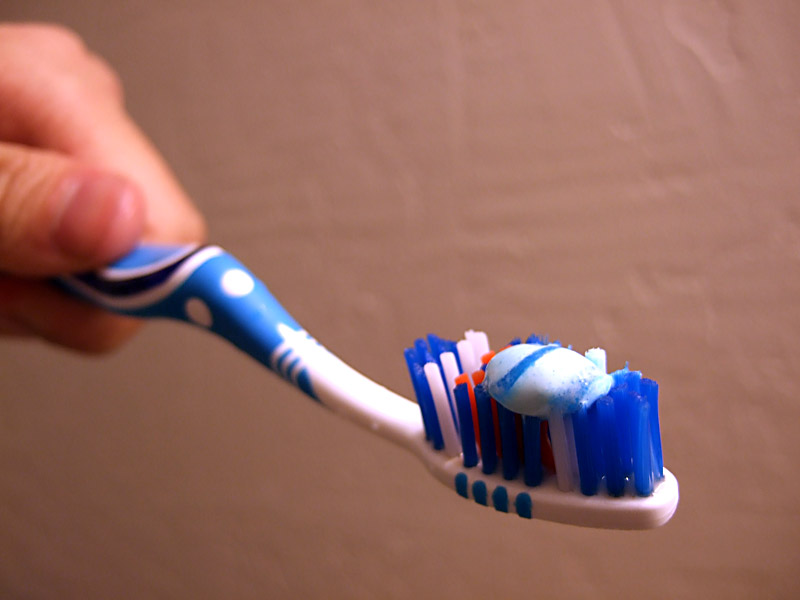
Apple shouldn't sell iPad like toothpaste
Sarah Perez makes the point before I could (oh lazy me): "Apple announces too many iPads". That's the most sensible take on tablets launched last week, and over the weekend copycat stories started posting. Strange thing, there's nothing new about iPad configuration complexity. The number of base SKUs, while way too many, increases by just two.
I first harped on Apple's "too many problem", following iPad mini's introduction two years ago, observing: "It's a crowded lineup, with overlapping features and prices not seen from Apple since the early- to mid-1990s". Crowded is understatement. The mini jacked up the number of basic configurations from eight to 14. However, when looking at all available SKUs, including two colors and carrier-specific models, the number jumped to 54.
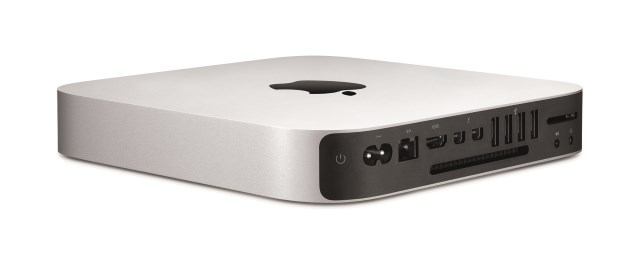
Apple solders RAM into new Mac mini to block memory upgrades
This week, Apple unveiled a number of new and updated products. The latest additions to the iPad range were the crowd pleasers, while the iMac with Retina 5K Display was something of a headline-grabber. Yosemite was expected, but the Mac mini refresh came slightly out of the blue.
For anyone looking for a cheap way to get their hands on a Mac, it's a great starting point -- prices start at just $499. But you'd better make sure you select a model with enough RAM when you place your order -- Apple has taken steps that mean it is impossible for buyers to install more memory.
The iPad Air 2 is why tablet sales are falling
So yesterday Apple announced the latest iteration of its hugely popular iPad. I own a fourth gen model, and as someone who likes to be on the cutting edge, I was all set to snap up the new device. Except, what I saw didn’t excite me or give me a killer reason to drop $600+.
Tablet sales are slowing, and a large chunk of the reason for that can be laid squarely at Apple’s door. While the iPad Air 2 will appeal to first time buyers, businesses, or people looking to upgrade from inferior tablets, it just doesn’t offer enough to get existing iPad owners like me to upgrade. But it’s thinner! It’s lighter! So what? I’m not a frail old lady, or cursed with a muscle wasting disease. My iPad 4 is hardly a major weight, and to be honest, I like my devices to have a bit of heft to them anyway.
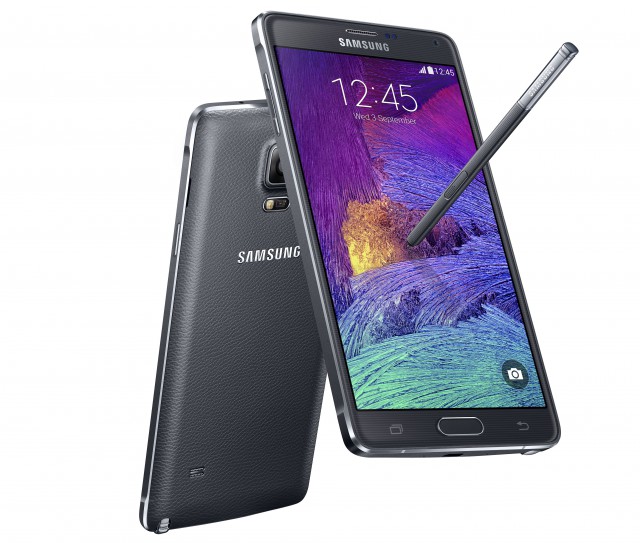
Apple launches iPhone 6, 6 Plus in China, Samsung brings Galaxy Note 4 to US, UK
Today is a big day for both Apple and Samsung, as the two are launching their latest flagships in three of the largest smartphone markets: iPhone 6 and iPhone 6 Plus officially hit China, and Galaxy Note 4 arrives in US and UK. It's a "finally" moment in both cases, as the handsets were announced more than a month ago.
For Apple, having its new iPhones officially available for sale in China, the largest smartphone market, is a huge opportunity to boost sales in what could very well be its best quarter of the year. The pair had to launch later in China this year, due to regulatory hurdles. Among other things, the local government has forced Apple to beef up the security of iOS 8 to give the new iPhones its nod of approval.



