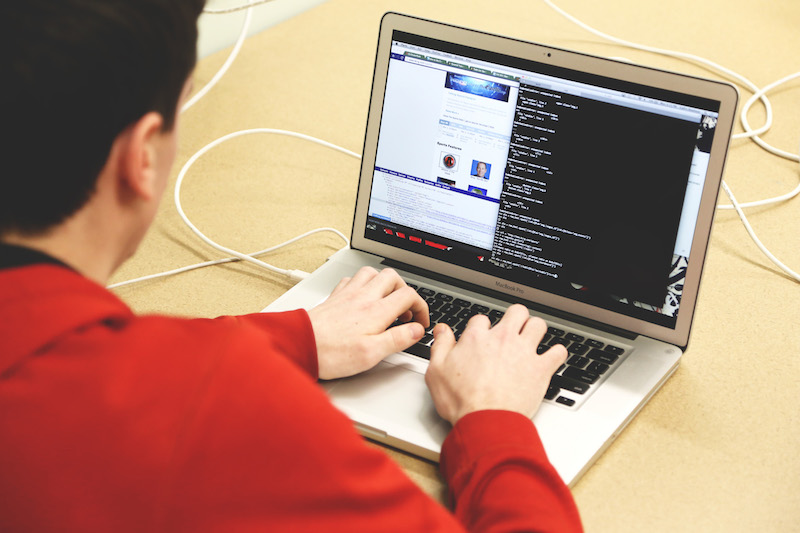
Chrome finally becomes memory and power efficient -- you can try it out now
It's no secret that Chrome for Mac (OS X) is a mess. It eats a ridiculously high amount of memory, energy and shortens the battery life. Google announced earlier this year that it was working on a fix. And now it is delivering on that promise. The latest Chrome build -- available via Canary channel -- is significantly less resource hogging, and surprisingly faster at the same time.
The company has been hard at work improving the memory consumption in its Web browser while also making the tabs snappier. You can read about the development process and feedback at Chromium's developer website. The build dubbed 45.0.2454.46 is also significantly lighter on the battery and is no longer making the laptop crazy hot. In a recent build, the company was testing interesting internal processes like tab discarding in the background. The idea behind it is simple: make the tabs you haven't used in awhile idle automatically. This would, under the typical condition, free up a significant amount of memory.
Google integrates Twitter into search results on the desktop
It's a little while since Google and Twitter announced a partnership that saw the integration of tweets into search results. When this feature started to roll out back in May, Twitter integration only applied to iOS and Android devices. Today it rolls out to desktop search results as well.
The new desktop integration means that it is now possible to search for hashtags, trending topics, and Twitter accounts with a regular Google search. Including real time events in search results is not new for Google, but Twitter integration adds a new dimension.
Now Google must censor search results about Right to Be Forgotten removals
The Right to Be Forgotten has proved somewhat controversial. While some see the requirement for Google to remove search results that link to pages that contain information about people that is "inadequate, irrelevant or no longer relevant" as a win for privacy, other see it as a form of censorship.
To fight back, there have been a number of sites that have started to list the stories Google is forced to stop linking to. In the latest twist, Google has now been ordered to remove links to contemporary news reports about the stories that were previously removed from search results. All clear? Thought not...
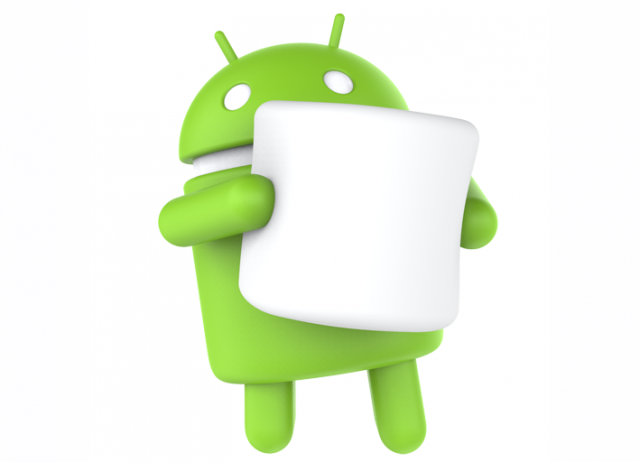
With Marshmallow, Google is hoping Android can catch up with iOS
Google might have a greater market share when it comes to mobile operating systems, but it is behind Apple on some of the essentials, and it shows.
That is the opinion of Wall Street Journal’s Dan Gallagher, who reflected on the Google vs Apple, Android vs iOS battle, as Google prepares the launch of Android 6.0, named Marshmallow.

Go, Google's C-killing programming language, hits version 1.5
Six years and six updates later, Google's own programming language, Go, has reached version 1.5. Go 1.5 sees Google "removing the last vestiges of C code" from the code base, and the runtime, compiler and linker are now all written in Go rather than C.
Despite a massive overhaul to the code base, Google assures users that Go 1.5 maintains the promise that Go programs will continue to be supported by all subsequent releases. There is also a move towards mobile devices, with ports of the iPhone and iPad architectures and linking to the Go mobile project opening up the possibility of developing for Android and iOS.

Lightning strikes four times and Google loses cloud data
They say lightning never strikes twice, but they're wrong as Google reports that it's lost some data after the power grid serving one of its European data centers suffered four consecutive lightning strikes last Thursday.
Google Compute Engine (GCE) disks in the europe-west1-b zone data center, located in Belgium, suffered I/O errors in the strikes and 0.000001 percent of disks suffered permanent data loss. GCE allows customers to run virtual machines and store data in the cloud.
How to force Cortana to use Google instead of Bing in Windows 10
Microsoft is pushing Bing heavily in Windows 10. Bing is the default search engine in Microsoft Edge, and while you can change this to Google (or any other choice), the process of doing so is far from intuitive -- you can’t simply pick "Google" from a list of options.
Cortana, Microsoft’s built-in personal assistant, is powered by Bing too, which means when you ask her a question she doesn’t immediately know the answer to, she’ll open up your default browser and display a list of results sourced from Microsoft’s search engine. There is a way to get her to use Google instead though, but you won’t find this in any Settings.

Google News may now speak your language
There are significantly more spoken languages than countries, but the problem is that the internet frequently doesn't speak them all, leaving many users out in the cold. There are some ways around that, as both Google and Bing will try and translate things for you.
Now Google News is expanding its language options to become accessible to more of the world. Available languages will now include Bahasa Indonesia, Bengali, Bulgarian, Latvian, Lithuanian and Thai.
Windows 10 Build 10525 breaks Chrome; here's how to fix it
Chrome users who rush to install the latest build of Windows 10 have found that their favorite browser is broken. Build 10525 of Windows 10 prevents Chrome from working properly -- launch the browser and you'll be greeted by a series of notifications saying that plugins have crashed.
Additionally, when attempting to visit any website, all that is displayed is an error message that reads "Aw, Snap! Something went wrong while displaying this webpage. Closing the apps and tabs that you don't need may help by making more memory available". The compatibility issue has been reported to Google so a patch will be forthcoming soon, but in the meantime you can use this workaround.
Google announces $200 OnHub wireless router -- but why?
Wireless routers are rather ubiquitous nowadays. Many homes and businesses have them installed, making connecting to the internet a fairly mindless affair. They have even dropped in price -- a solid router can be had for under $50, while some ISPs give them to users at no charge.
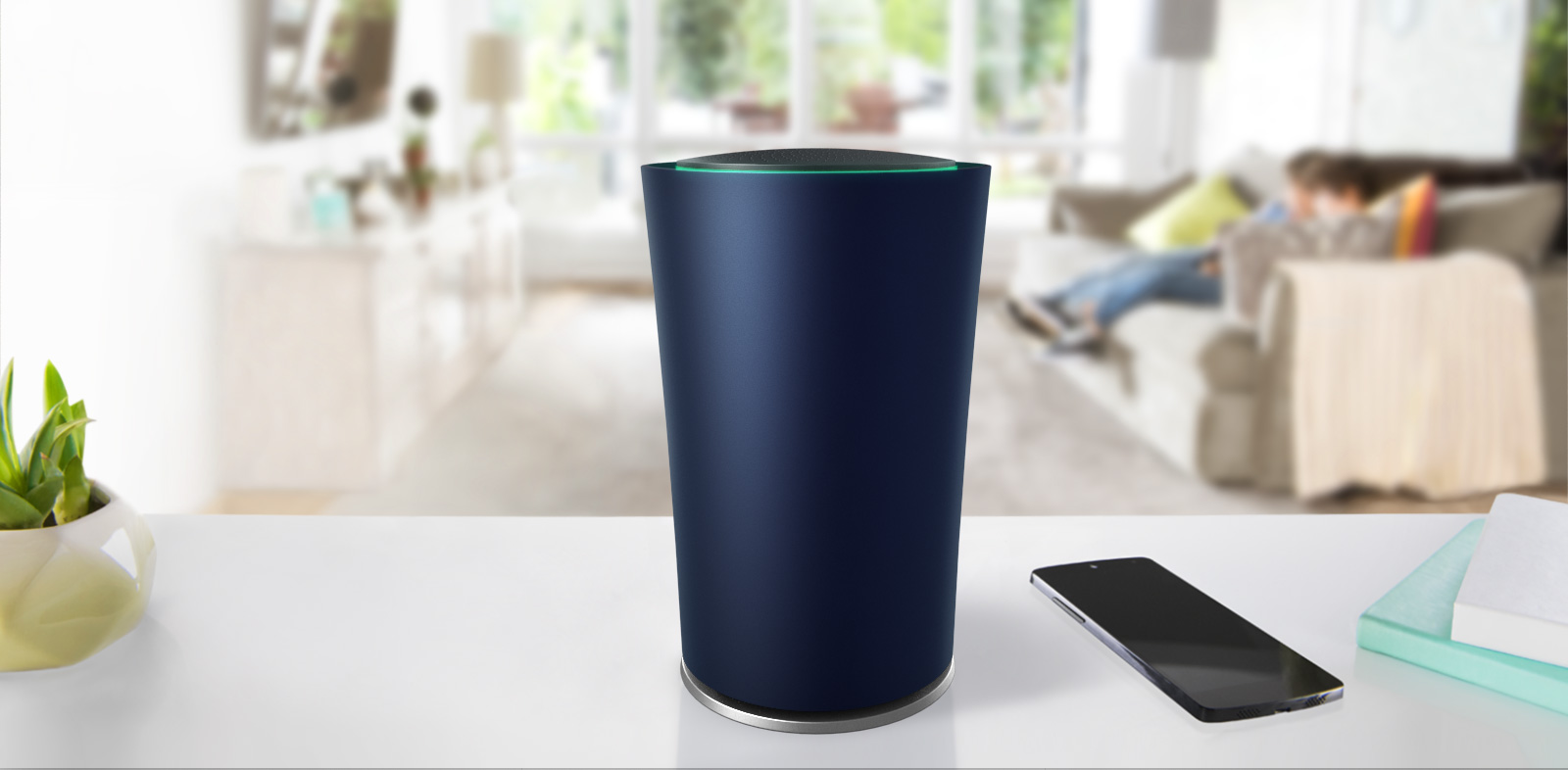
With that said, why the heck would Google expect people to pay $200 for a rather basic router? Today, the search giant announces OnHub -- a run-of-the-mill TP-Link router, without external antennas, for an insanely high price. Don't get me wrong, some routers are worthy of the money, but surely not the Amazon Echo design-inspired, OnHub.
Google expands Android One into Africa
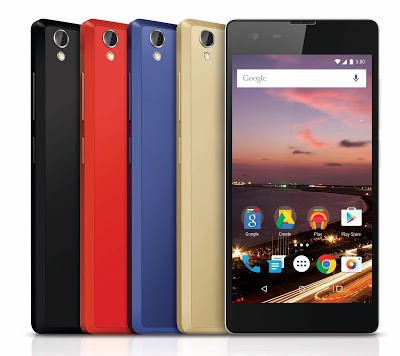
Android One is slowly but surely making its way to major emerging markets across the globe. The latest expansion sees the program being introduced today in Africa. For the moment there is only one Android One smartphone available to local consumers, which retails for roughly $87.
There is huge growth potential for Google and Android One in Africa, as Internet use remains relatively low on the continent. A study by Internet Society estimates that, by the end of 2015, 23 percent of mobile phones will be able to have Internet access, a figure which is extremely low when compared to Asia, Europe or North America. So it is very important for Google to get Android One right in Africa.
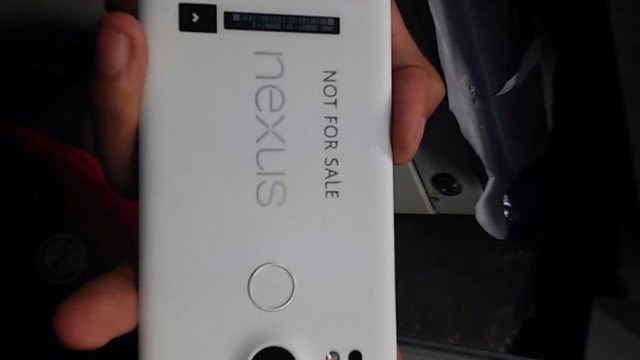
Is this the new Google Nexus 5?
It looks like the first photo of the next Google Nexus phone leaked online, and it shows some interesting details.
According to the Irish Examiner, which says the photo was "posted online", the Nexus 5 phone is on course for a refresh.

Google Hangouts finally gets a webpage, so I switched from Chrome to Firefox
Google Hangouts is my choice for a communication service, so even though I prefer Firefox, I've been using Chrome lately since it worked better with it. Shockingly, the service did not have a dedicated web page. Yeah, Google touts the open web and web apps for its Chromebooks, but Hangouts was sort of missing from the equation.
Guess what? Today, this changes. Yeah, Google officially launches a Hangouts webpage and it is pretty damn good. It is so good, in fact, that I uninstalled the Chrome browser today and went back to Firefox full time -- I had no good reason to stay on Google's web browser.
Google confirms the next version of Android is Marshmallow
Although Google has been dropping some very heavy hints lately, we didn’t know exactly what sweet treat the next version of its Android operating system would be named after.
Well, if you were hoping to place a bet on "M&Ms" (or go for a truly outside flutter on "Maltodextrin"), you’re too late I’m afraid, and also lucky as you’d have lost your stake. M, Google says, is for Marshmallow.

How Google is accidentally making money from other 'Alphabet' firms
Google is an original name. It’s based on the word googol (1.0 × 10100), but with a different spelling. Alphabet, the name of the tech giant’s new parent company, is far from unique, however. There are hundreds of other "alphabet"-named companies right across the globe. The best known of these being the BMW subsidiary Alphabet International GmbH which owns both www.alphabet.com and www.alphabet.co.uk.
BMW is currently looking into whether Google has committed any form of trademark infringement with its new company name and obviously has the financial clout to take things to court if it feels it has a case. But BWM isn’t the only example of a company with Alphabet in its name, and some -- like Alphabet Signs based in rural Pennsylvania -- find themselves in the weird (and painful) position of paying Google for searches that have nothing to do with them.