
Windows 10 still failing to challenge Windows 7's market dominance
Last month I reported how, according to NetMarketShare’s figures, Windows 10 had managed to grow its usage share by just 5 percentage points in an entire year. That's a shocking state of affairs for a relatively new -- and regularly updated -- operating system, especially given that Windows 7 enjoyed a 2 percentage overall increase in the same time frame.
In July, perhaps buoyed by the news that the Windows 10 Creators Update was finally going to be offered to (nearly) all, Windows 10 posted its largest usage increase for three months, although still nothing for Microsoft to get excited about.
Canonical publishes laughably simple guide to upgrading to the Ubuntu app for Windows
It is not long since Ubuntu made its debut in the Windows Store, much to the excitement of Linux fans.
Now Canonical has provided a guide to upgrading from the "bash on Ubuntu on Windows" experience that's built into Windows 10, to the full-blown Windows Store version.
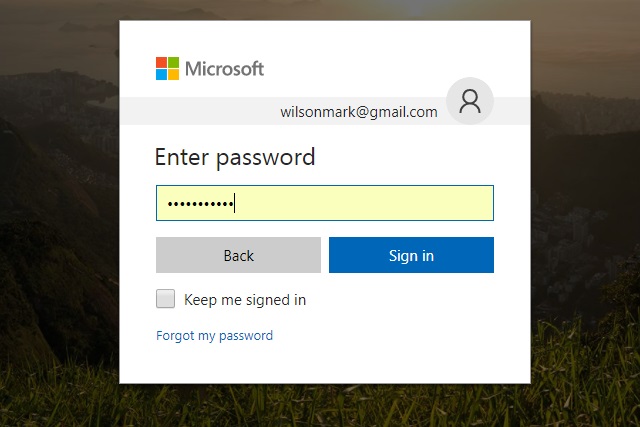
Try the public preview of new sign-in experience for Azure AD and Microsoft accounts
Microsoft has redesigned the sign-in process (or "experience" as the company refers to it) for both Azure AD and Microsoft accounts.
The interfaces for the sign-in screens for both types of account have been updated so they are the same, and there's now a Google-style two-page sign-in procedure. The updated design is available as a public preview and the change has come about through telemetry data collected by Microsoft.
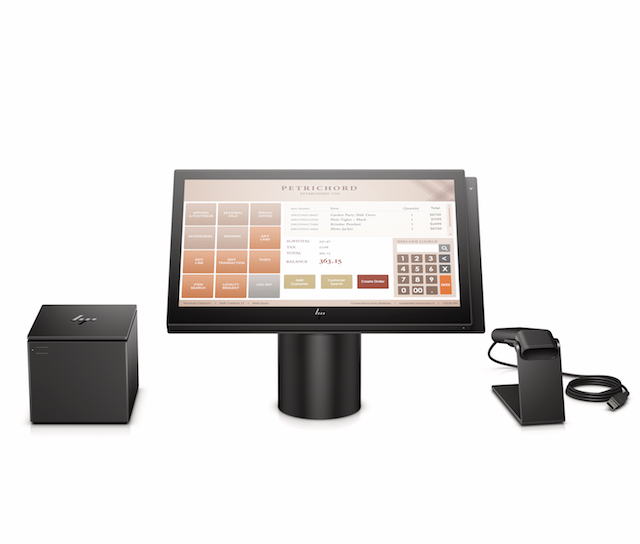
HP ElitePOS is a secure retail point-of-sale system powered by Microsoft Windows 10
Windows 10 has proven to be a bit disappointing for some users, but for others, it can be a satisfying experience. If you cannot afford a Mac, and learning Linux is out of the question, Microsoft's desktop operating system is your best bet. Look, Windows 10 isn't a bad OS at all. Actually, it scales rather well to many computer types and screen sizes. For instance, no other desktop OS can match it on a touch screen.
To highlight this, today, HP announces a beautiful Windows 10 point-of-sale system. Called "ElitePOS," it leverages many of Windows 10's strengths, such as touch-input and security. The little business computer is quite attractive too, which is very important for a customer-facing machine. The machine has solid hardware on the inside as well, featuring Kaby Lake processors and DDR4 memory. The body doesn't just look good, it is built well too, with military-grade ruggedness. In other words, this POS computer is not a "POS."

Microsoft releases Windows 10 Fall Creators Update Build 16257, with one big unexpected change
Windows 10 Fall Creators Update isn’t too far off being ready for release, which should mean that the new builds we see are pretty unexciting, with bug fixes and minor improvements the order of the day.
But it appears Microsoft didn’t get that memo, as there’s several big changes in new Build 16257, including one that no one saw coming, and which won't be visible to most.

Microsoft partners with PayPal on new 'Send Money' funds transfer feature for Skype
Skype isn't the best communication service. Actually, it is often quite bad. Microsoft's development team seems to not care about the user interface as it looks terrible compared to competitors. Quite frankly, it is often a frustrating experience. The saving grace for Skype is its cross-platform nature -- there are clients for all popular operating systems. Not to mention, many users likely use it out of habit and name recognition.
All is not lost, however, as Microsoft still has plenty of time to right the ship and make Skype better. Today, the Windows-maker unveils a new feature that, while cool, doesn't exactly address Skype's needs. But OK, I'll take it. What is it? Well, Microsoft has partnered with PayPal for a new way to transfer funds using Skype. The unimaginatively named "Send Money" feature lets you easily do things like split a restaurant bill with friends or family, pay a dog-walker, and more.
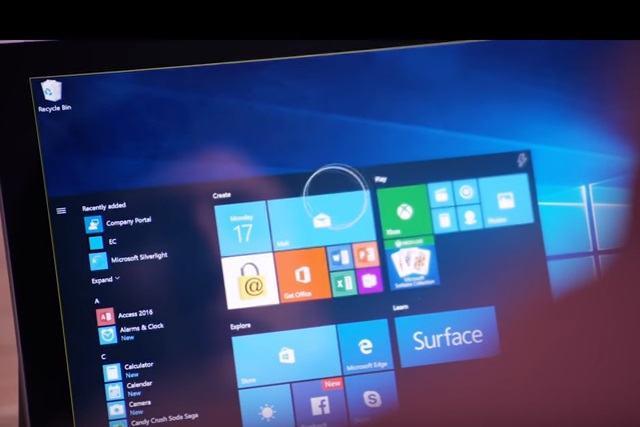
From hack to product: soon you'll be able to control Windows 10 with your eyes
There are a lot of accessibility options built into Windows 10 at the moment, and soon there'll be a new feature. Brought about by an idea raised at Microsoft's 2014 hackathon, the company is bringing Eye Control to its operating system.
As the name suggests, Eye Control gives users the ability to control and interact with Windows 10 using eye movements -- something which is incredibly useful for anyone with limited movement. The feature is destined for inclusion in a future version of Windows 10, but a beta version will be made available to Windows Insiders.
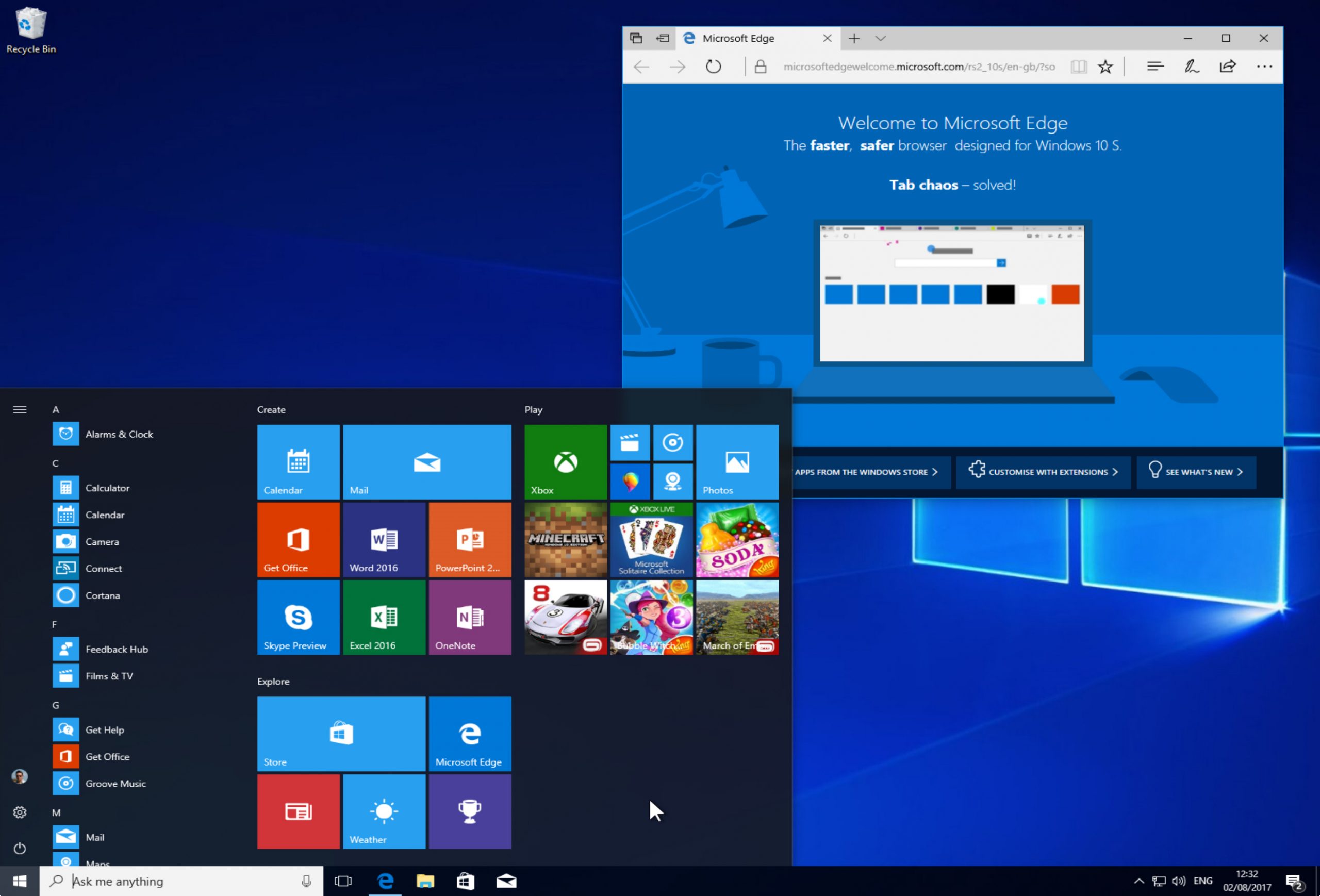
How to download and install Windows 10 S
Windows 10 S is a special locked down version of Microsoft’s new operating system. It’s aimed primarily at those in education, and can only run apps from the Windows Store, which offers security benefits, including protection from ransomware.
While the OS is predominately to be found on new hardware like the Surface Laptop, Microsoft last week made it available for developers, and from today anyone can officially download and install it. Here’s how.

Surface Plus Program is Microsoft's new financing scheme
If you need a Windows 10 computer, you can't go wrong with a Surface. Slowly but surely, Microsoft diversified its offerings, which now includes a tablet, two laptops, and an all-in-one-desktop. In other words, the Windows-maker recognized that one size does not fit all. Regardless of your needs, you can probably find a Surface that makes you happy.
The problem? These Surface computers are expensive. Actually, they can be very costly -- especially with top specifications. If you find yourself wanting one of these computers, but don't have any money in savings, I have good news. Today, Microsoft launches the Surface Plus Program for both consumers and businesses. This program essentially loans you the money, with a possible zero percent interest rate, to buy a Surface. Zero percent essentially means "free money," making it a wise alternative to high-interest credit cards.

Minecraft's 'Better Together' Beta lets you play with friends across Windows 10 and Android devices
Minecraft fans can play the Microsoft-owned game on a variety of platforms, including PC, Android, iOS, and console.
It’s great fun as it is, but things are about to get even better, as from today Microsoft releases a beta that will let you play the game with friends across different devices.

Microsoft kills Word Flow keyboard app, tells iOS users to install SwiftKey
Microsoft Garage is the place where many cool little projects take off. Word Flow, the iOS version of the keyboard that ships with Windows on smartphones, is among the more popular experiments, receiving positive reviews since its launch, more than a year ago.
But, like with other Microsoft Garage endeavors, that is not always enough to keep it alive. The software giant has pulled Word Flow from the App Store, telling users to give its other, better-known keyboard a try.
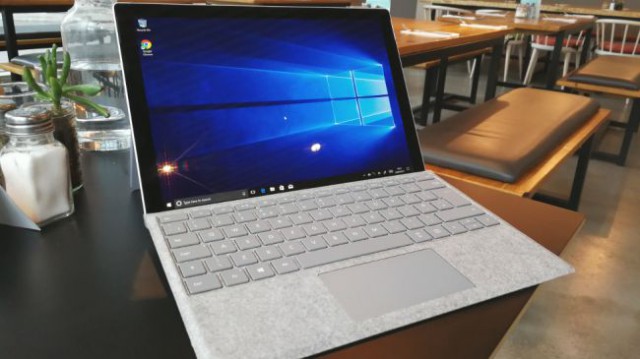
The new Surface Pro is Microsoft's best hybrid device yet [Review]
Microsoft sent shockwaves around the technology world back in 2013 when it released the first edition of its Surface Pro. As its first computing release, the device was a bold change by a company best known for its software, but the success of this initial model, and the three successive releases, have proved it to be a shrewd idea.
Released last month, the latest edition of the Surface Pro has dropped the model number seen in previous generations, meaning this product goes back to basics when it comes to naming, however when it comes to what's inside, the device has received a welcome upgrade.
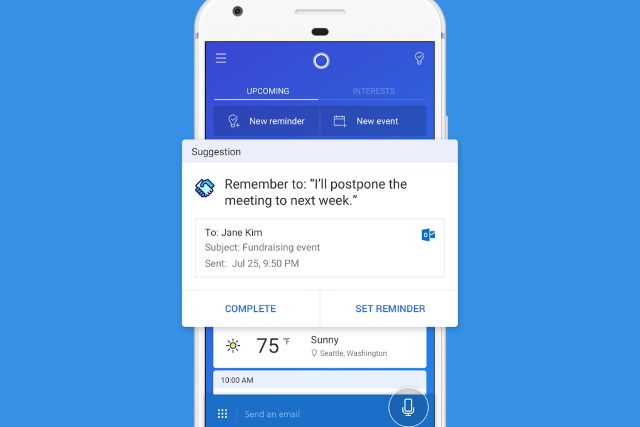
Microsoft updates Cortana for Android with new look and new features
The Android version of Cortana has been getting some attention from Microsoft recently, and today the company has released another update to its virtual assistant. With Cortana 2.9, Microsoft not only introduces something of an interface makeover, but also adds new features.
While the redesign is nothing major, it is a move for the better, with Settings now easier to access and the interface is reduced to two tabs rather than three -- and they are now labelled too! But it doesn’t end there.
Microsoft brings Brotli compression to .NET in 'alpha-quality preview'
It is now two years since Google launched its open source compression algorithm, Brotli. Microsoft has already shown some interest in the technology, adding support to Edge late last year to speed up the loading of web pages. Having conducted rigorous tests with Brotli compression, Microsoft is now ready to bring it to .NET.
Microsoft's tests show that Brotli is at least as good as Deflate and gzip, in terms of compression levels and the amount of time it takes to compress and decompress. It is because of these results that Microsoft is happy to launch .NET support for Brotli compression "as an alpha-quality preview."
Microsoft's 'Continue on PC' for Windows 10 now available for iOS
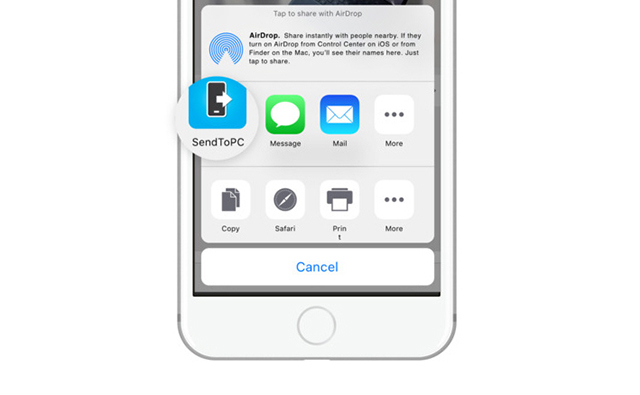
The big, standout new feature in Windows 10 Fall Creators Update Build 16251 is cross-device web-browsing. This lets you start browsing on your phone, and then switch to your PC and continue from where you left off.
The feature was initially only available for Android, but Microsoft promised that it would arrive on iOS "soon." Well, it’s here even sooner than expected and iPhone and iPad users can grab it now.