
Radical.FM for iOS -- a new addition to the streaming music category
About 3 months ago, my heart was aflutter for Google's Play Music All Access. I was so enamored that I declared iTunes dead. While it remains my favorite streaming music service, there is still not an iOS version. I am typically an Android guy, however, there is a fourth-generation iPod touch in my family that gets use too -- mostly for music.
This week, I discovered a new addition to the crowded streaming music category, called Radical.FM. The question becomes: is it a worthy addition to iOS?
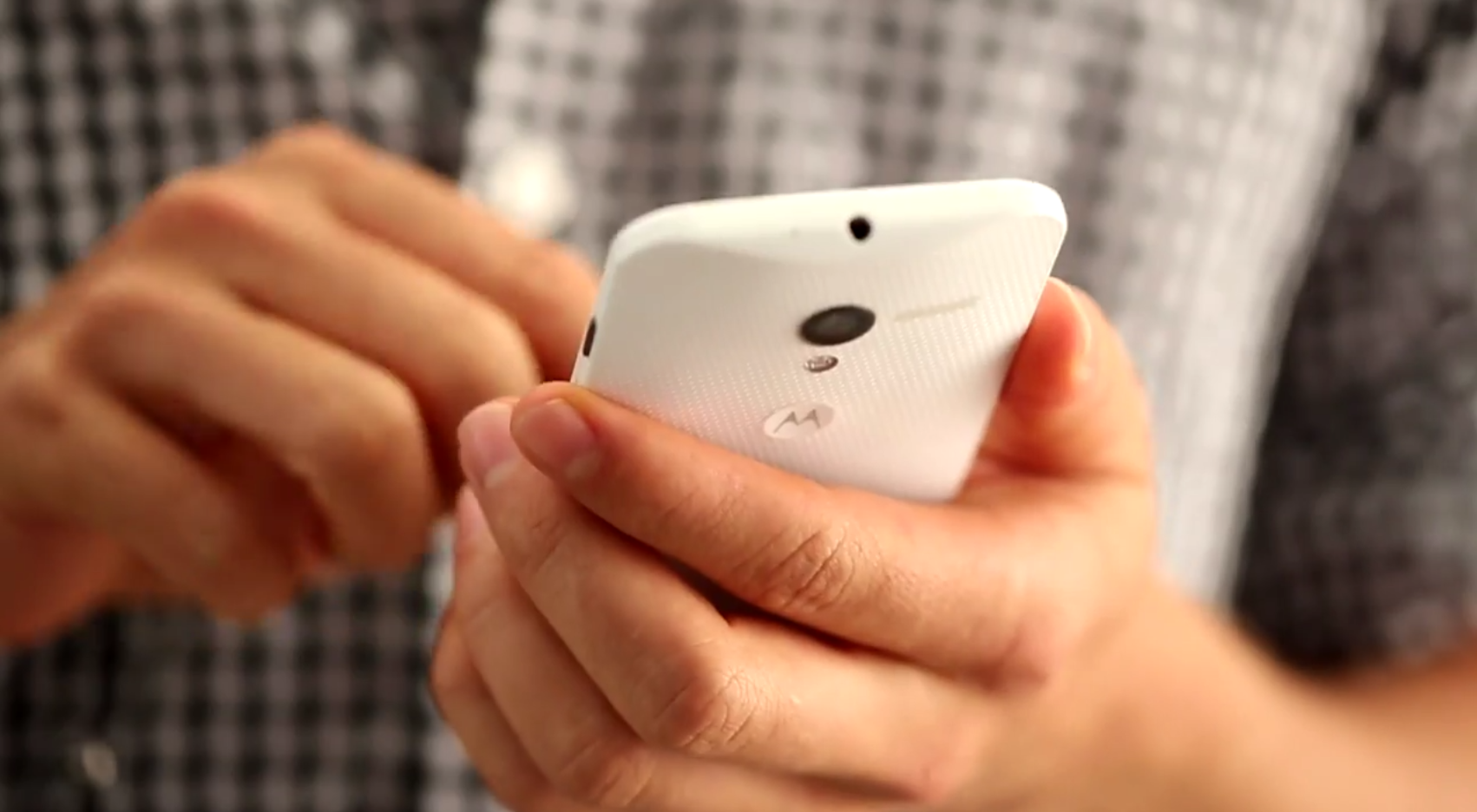
Moto me, don't Moto meh
I am apprehensive about Googorola's choice to launch Moto X with AT&T -- the carrier that failed with HTC First (Facebook phone), like Verizon Wireless with Microsoft Kin, which were targeted at similar audiences. My concern: Death in childbirth. A device so different, in terms of responsiveness, must be experienced by many people fast to build excitement and demand.
In business and marketing perception is everything. Negative perception, or lack of any at all, can kill Moto X. Motorola's top priority should be fast sales and building social media buzz around touchless and personalization benefits. I don't see either coming from the exclusives given to AT&T.

The most popular stories on BetaNews this past week
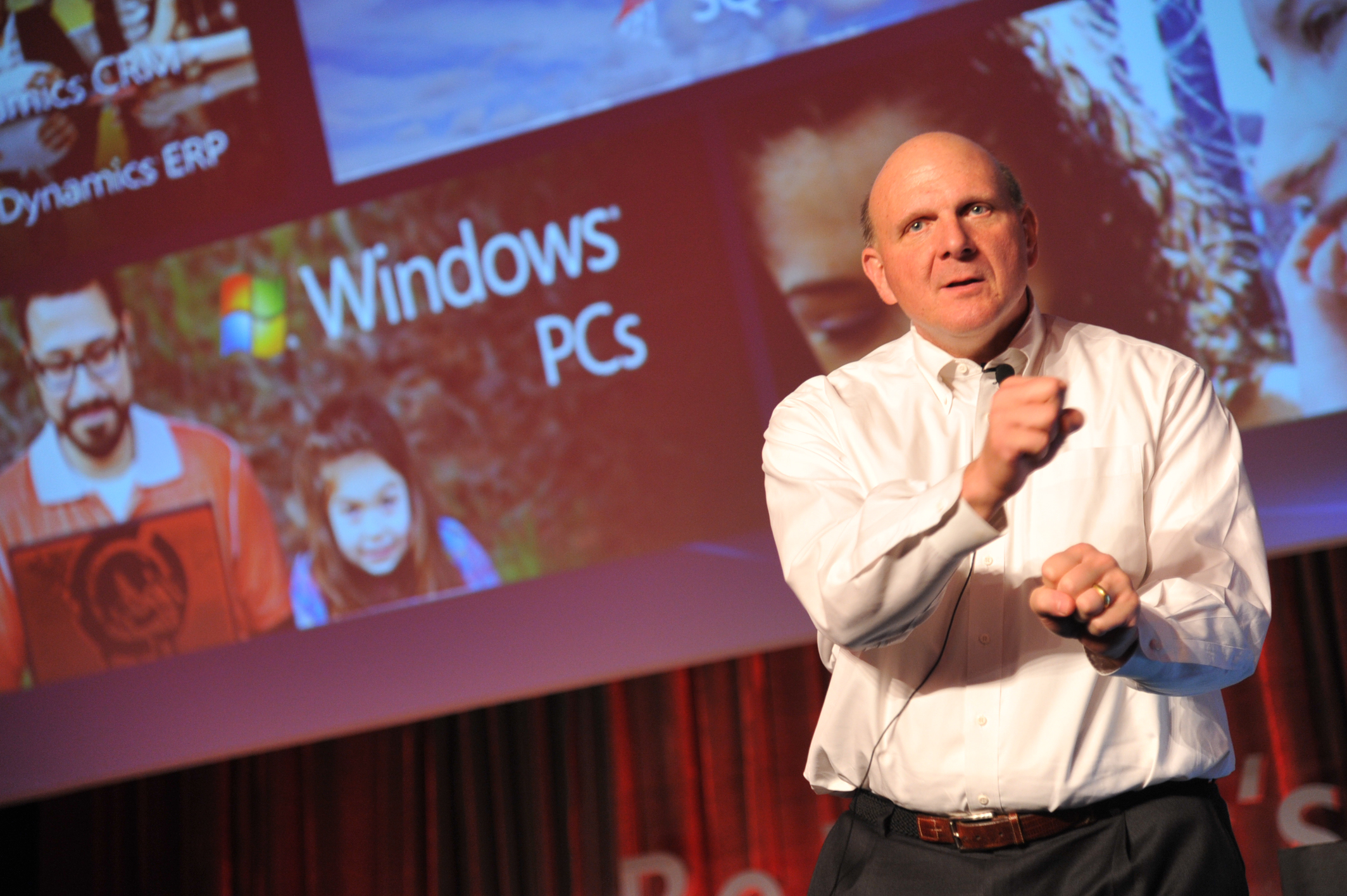
Looking at the the biggest stories on BetaNews from August, 18 - 24, 2013. Perhaps the biggest news from the last seven days -- at least in part because it came as such a surprise to most people -- was the announcement that Steve Ballmer intends to resign from Microsoft within the year. The CEO is planning to step down as soon as a suitable replacement is found, but there has been speculation that Ballmer may have been pushed rather than opting to jump.
Getting my hands on a Surface Pro for the first time gave me an opportunity to try out Windows 8 as a touchscreen operating system. Despite loving the Surface in general, I pondered whether the use of the same version of Windows 8 as on desktop machine may have been what's stopping Microsoft’s convertible devices from becoming more popular. At the same time, Brian fell in love with the Lenovo Yoga, citing Windows 8 as one of the computer’s strengths.
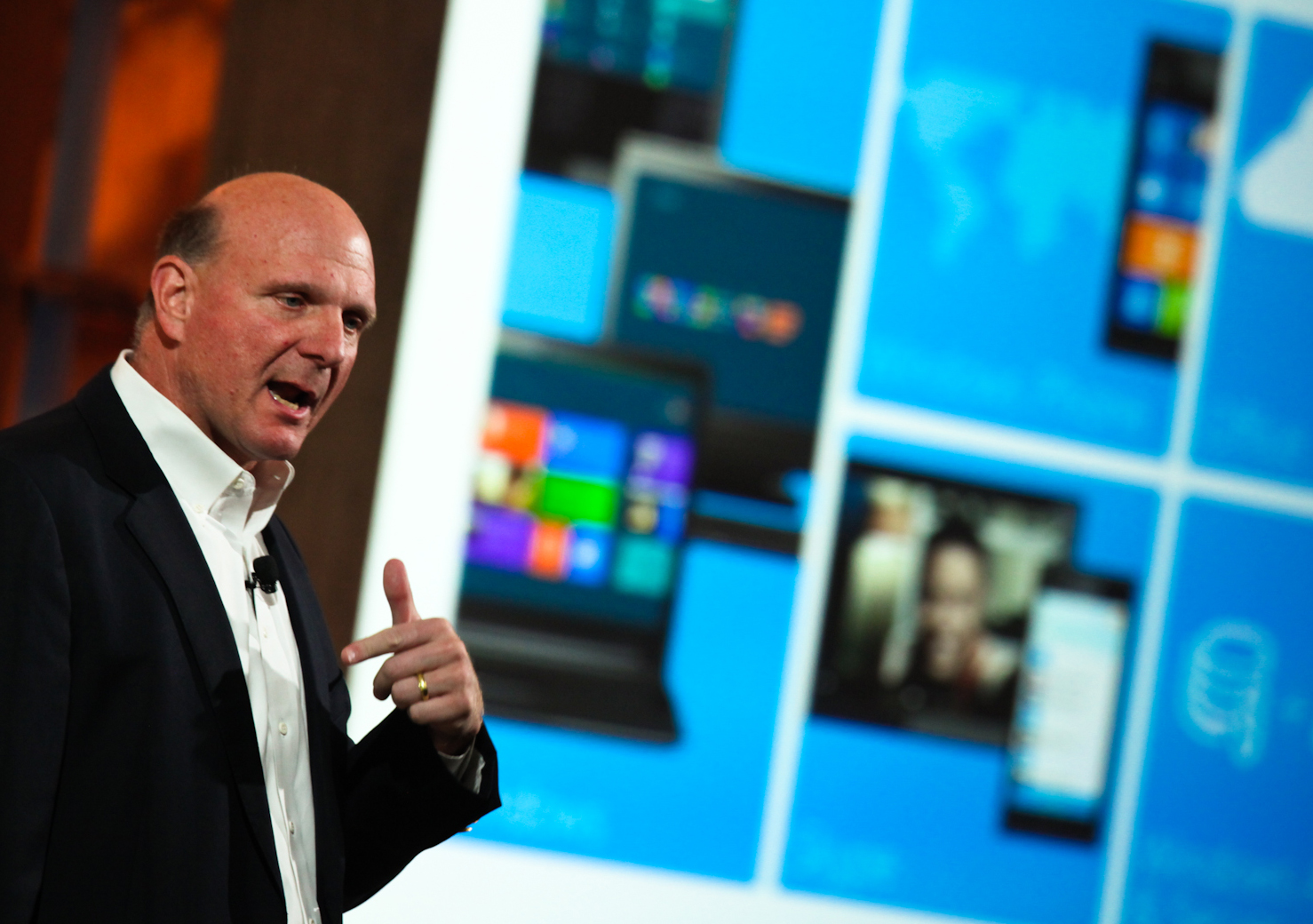
Microsoft needs someone from the outside
Like many, I was caught off guard by the news of Steve Ballmer's early retirement. Until the crash of Surface and Windows 8, I had assumed he would be there until at least 2017/18. But with Microsoft's recent stumbles in its transition to mobile devices I had a sneaky suspicion he might not make it to 2017.
Before Microsoft's unveiling of Windows 8 and the company's new consumer strategy I was not a big fan of Ballmer as CEO. I was among the many who felt Microsoft needed to make a change at the top. However, once I began to see the consumer strategy come together I started to have a change of heart about him, although I was never quite 100 percent in his camp because of the obvious missteps in recent months.
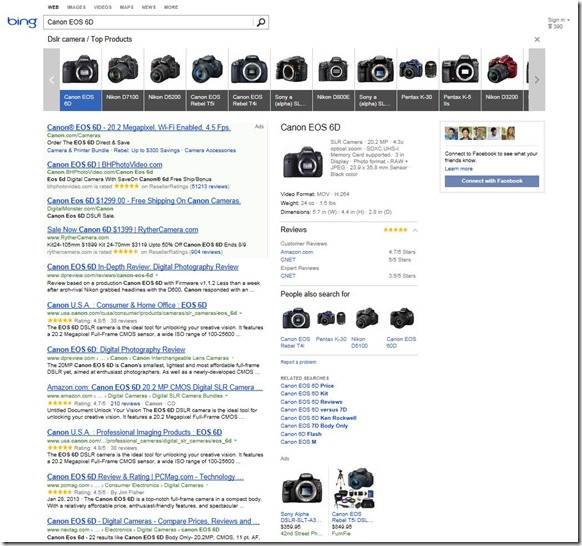
Bing introduces new product search
In today's search market, simply having the audacity to take on Google seems somewhat absurd, but Bing, despite the long odds, continues to plug away at it. Sometimes it is with innovation, sometimes with mud-slinging. Today, thankfully, it is the former. The Microsoft search engine, in the midst of the Steve Ballmer news, is announcing another improvement to its offerings.
The latest change comes in the form of a new product search experience. "Harnessing the depths of our index encompassing tens of millions of individual products and trained by advanced machine learning, Bing will now show you relevant products directly in the main results page. You no longer need to waste time navigating to a dedicated 'shopping' experience to find what you’re looking for. Based on your intent, we'll serve the best results", promises the Bing team.
Microsoft, Ballmer, and the end of the PC era
So Steve Ballmer is leaving Microsoft a year from now: what kind of schedule is that? It’s one thing, I suppose, for a company to point out that it has a retirement policy or a succession plan, or even to just give the universe of potential Microsoft CEOs a heads-up that the job is coming open, but I don’t think that’s what this is about at all. It’s about the stock.
Like in baseball, when all else fails to get the team out of a slump, fire the manager. And sure enough, Microsoft shares are up eight percent as I write. Ballmer himself is $1 billion richer than he was yesterday. I wonder if he had cleaned out his desk this afternoon whether it would have been $2 billion?
If Microsoft is diseased, will cutting out Steve Ballmer like a cancer save the patient?
Emergency surgery is the appropriate analogy for the firing of the iconic CEO. Yes firing. Microsoft announced Steve Ballmer's departure today, quite unexpectedly, and in his own words "within the next 12 months, after a successor is chosen". Meaning: Soon as there is a replacement, he is gone. Vamoose. Adios. We'll send Christmas cards. Not!
Unless Ballmer is in ill-health, or something bad happened to someone he loves, he wouldn't just walk away whistling to the wind. The man is too passionate about Microsoft. There is but one interpretation: The board of directors gave Ballmer his pink slip.

iWork for iCloud beta available to all Apple ID users
iWork for iCloud beta was originally only available for developers (or people with developer accounts), much to the ire of the fruit-logo company's eager and loyal following. Today, without any fanfare, the cloud-based Office platform is now available to all Apple ID users.
Apple describes the service by saying "iWork has always been the best way to be productive on the Mac. And iWork for iOS made it easy to create beautiful documents on iPad and iPhone. With iWork for iCloud we’re bringing Pages, Numbers, and Keynote to the web -- on Mac and PC. And thanks to iCloud, your work is always up to date on all your devices".

Best Windows 8 apps this week
Forty-third in a series. The overall application growth has not improved this week at all, making it the third week in a row in which app growth stayed below the 1,000 apps mark.
A total of 633 new apps were published to Windows Store this week, up only 20 apps from last week's weak performance. The total number of apps in the store is closing in on the 80,000 apps mark with 79,793 apps in total available in the US Windows Store.

First Look: Qihu 360 Internet Security 2013
Qihu 360 Software may not make too many headlines in the security world, but the company is huge in its native China, claiming an impressive 450,000,000 users in total. (To put that in perspective, even a big name like AVG only claims around a third of that number.)
It seems that Qihu has ambitions to expand further, though, this year finally releasing its free 360 Internet Security 2013 -- an antivirus product, despite the suite-type name -- in an English language version. Is it worth your time? We took a quick look.
Microsoft CEO Steve Ballmer to retire within a year
There will be plenty of people thrilled by the news that Microsoft’s long-term CEO is planning on standing down. After all, Microsoft hasn’t exactly had the greatest success with Windows 8 and Surface in recent months, and maybe it is time for a new hand on the tiller as the tech giant continues to head off into new and at times uncharted waters as a devices and services company.
Even so, the news is a shock. In a press release Microsoft says "Steve Ballmer has decided to retire as CEO within the next 12 months, upon the completion of a process to choose his successor". That doesn't mean he'll be around for another year, it simply means he'll be in charge until a successor is found, which could be a matter of months.

Orbit Downloader includes DDoS code, says ESET
First released back in 2006, Orbit Downloader’s ease of use and lengthy feature list helped make it one of the most successful download managers around. And so it’s all the more surprising that new research by ESET claims the program includes a component designed to assist in distributed denial-of-service (DDoS) attacks.
Starting with version 4.1.1.15, the main Orbit Downloader executable has apparently been communicating with the orbitdownloader.com site, silently downloading a DLL file and retrieving configuration data.

Ho Ho Ho! Fedora 20 could be called 'Santa Claus' (or 'Cherry Ice Cream')
A month ago my colleague Brian Fagioli complained that childish names were undermining Linux. He singled out Fedora 18 -- "Spherical Cow", and Fedora 19 -- "Schrödinger's Cat", as prime examples of the problem.
Fedora contributors are currently voting on the name for Fedora 20, and Brian will no doubt be lobbying hard for fan favorite "Santa Claus", although "Cherry Ice Cream" and "Superego" both also have a shot of being picked as the next release name.

UK tech boss launches £1m fund to protect online business
The man behind UK cloud and hosting provider UKFast is launching a new fund to help protect businesses from online threats. Called BASE (Building A Safer Environment) it aims to make quality security solutions available to businesses who can't afford the inflated costs charged by suppliers.
The fund set up by Lawrence Jones, CEO of UKFast, aims to help businesses add security features to their network and grow to the next level. UKFast grants £5,000 to each business that qualifies for the funding to boost their solution.
Moto X -- The future is OK Google Now [Review]
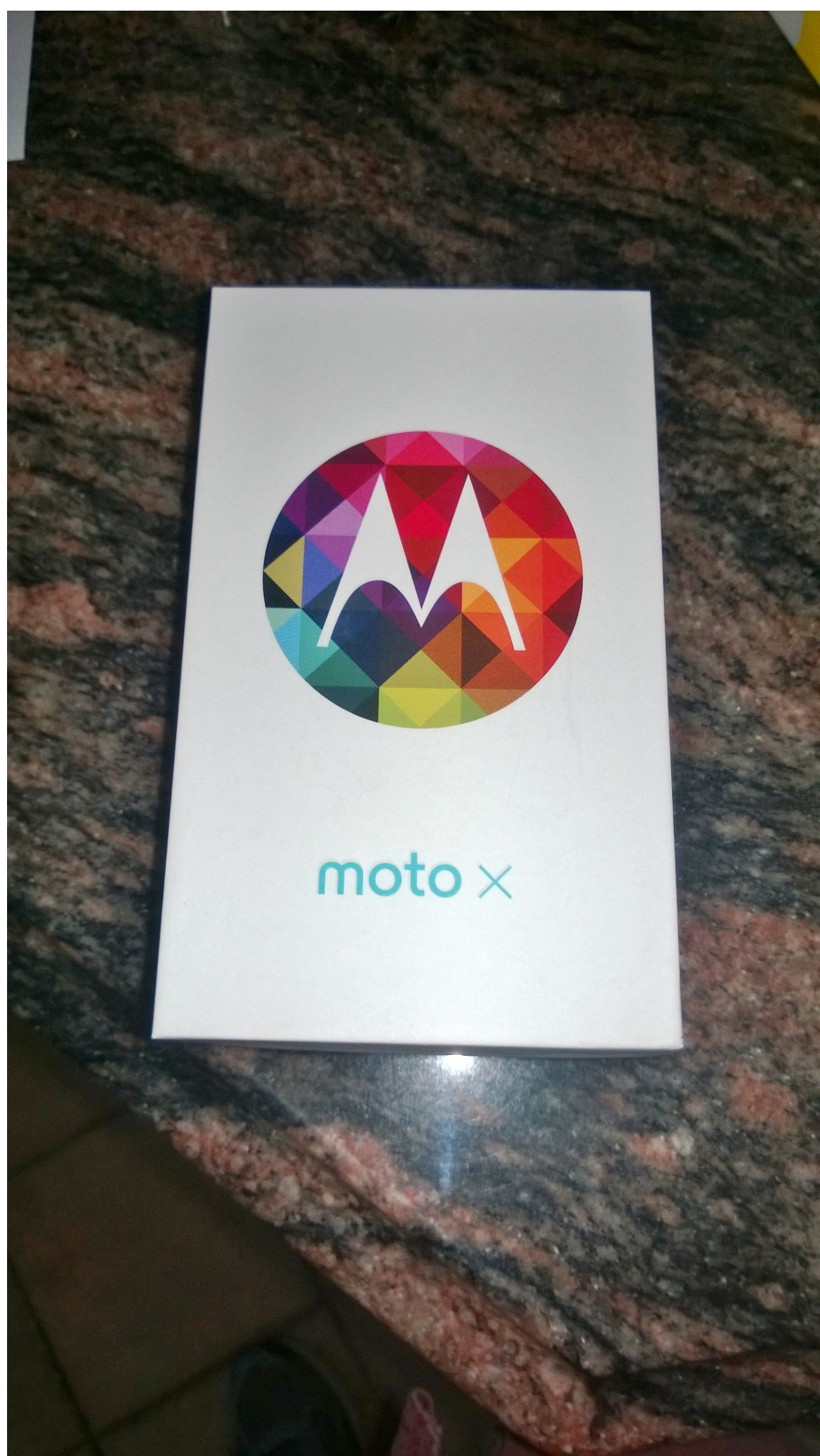
I can't get these words out of my head. I've been repeating them over and over. No, I am not going crazy (I hope), I have been using Motorola's newest flagship Android device, the Moto X -- "OK Google Now". This device focuses heavily on voice interaction -- particularly with those words that have found a home in my brain.
There was a lot of hype and buzz leading up to the big unveiling of this device. The closest comparison from a hype perspective is the original iPhone. My colleague Joe Wilcox recently released a book, titled "This Book is not a Kindle Single (The Rejected Essay)", which makes mention of the Moto X in comparison to the iPhone as seen in the below excerpt.