
Windows 8’s ‘failure’ is still a win for Microsoft
I was in Dubrovnik, Croatia (or King’s Landing for Game of Thrones fans) when Tami Reller, Windows division CFO announced that Windows 8 had sold 100 million licenses. Since I’ve been back in the UK I’ve had a chance to catch up on what the internet thinks, and it’s fair to say Windows 8’s accomplishments continue to divide opinion.
Some pundits claim the big number proves the doubters wrong, and shows Windows 8 is a roaring success. Others, like my colleague Joe Wilcox, argue 100 million is nothing. I have my own view, and it’s somewhere in-between.
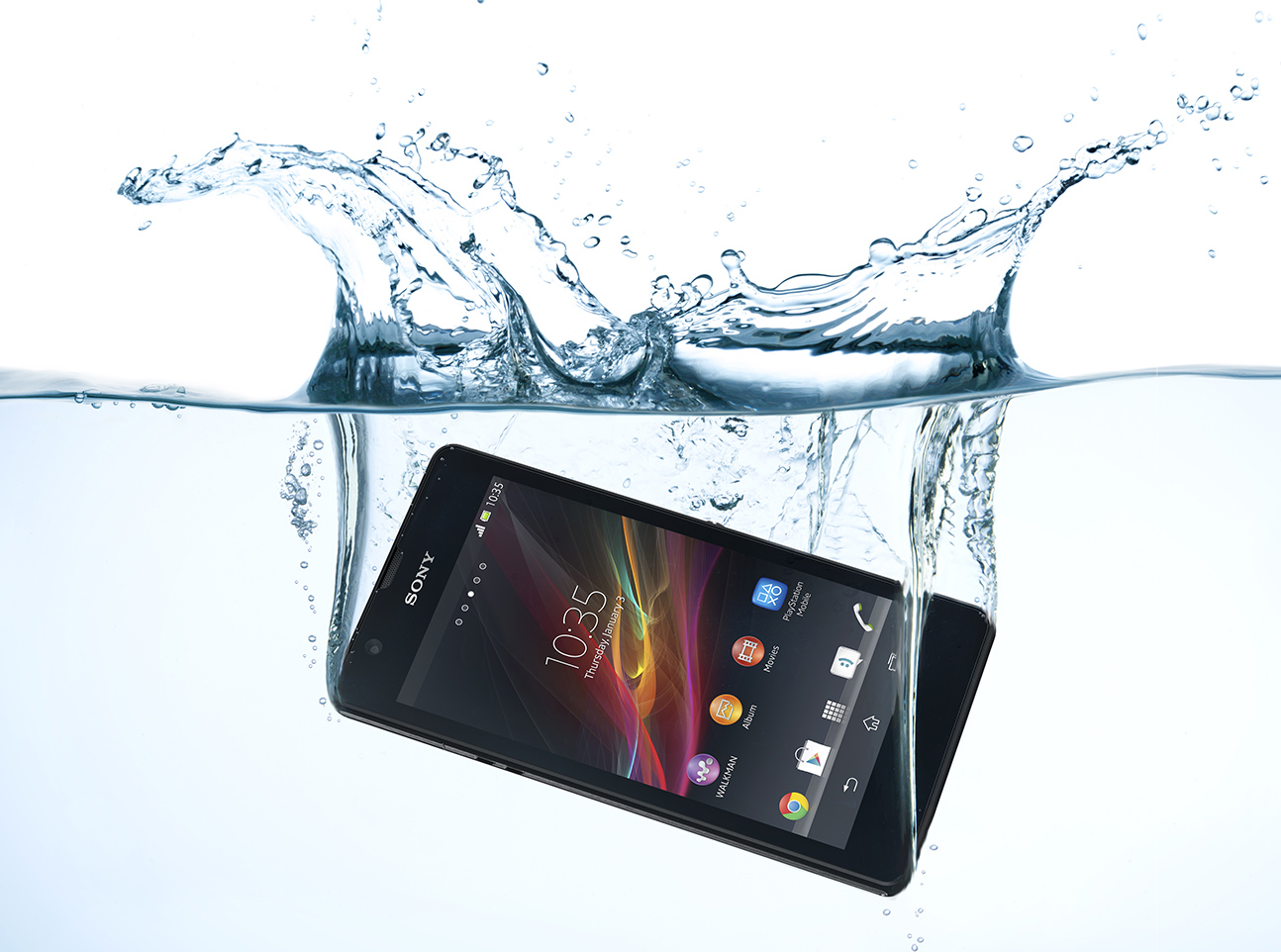
Sony unveils the Xperia ZR, a waterproof Android 4.1 smartphone
On Monday, Sony unveiled a new smartphone called the Xperia ZR. The handset shares some of its underpinnings with the company's current flagship, the Xperia Z, but according to the Japanese electronics giant it features "the highest level of water-resistance for capturing photos and Full HD videos underwater".
The Xperia ZR can be used to record 1080p videos and shoot stills in up to 1.5 meters of "fresh water" for up to half an hour. The smartphone is also dust-resistant and meets the IP55 and IP58 protection standards. This means that the Xperia ZR can survive the usual water encounters, including a drop in the toilet (as long as it doesn't crack at impact) and a coffee spill, as well as keep dust away from its insides.

RAM CPU Taskbar puts info where you need it
If you’re worried about your PC’s RAM or CPU usage, then installing a system monitor can sometimes be useful. This will usually give you an on-screen display indicating when there’s a high demand for your system’s resources, so alerting you to potential problems as soon as they happen, and perhaps helping you to figure out the cause.
Having this extra on-screen display can be a problem, though. Usually you either have to free up a little space for a desktop gadget, or you’re left to peer at some tiny system tray indicator. So it’s good to see RAM CPU Taskbar take a different route, by using your entire taskbar as a CPU and memory meter.
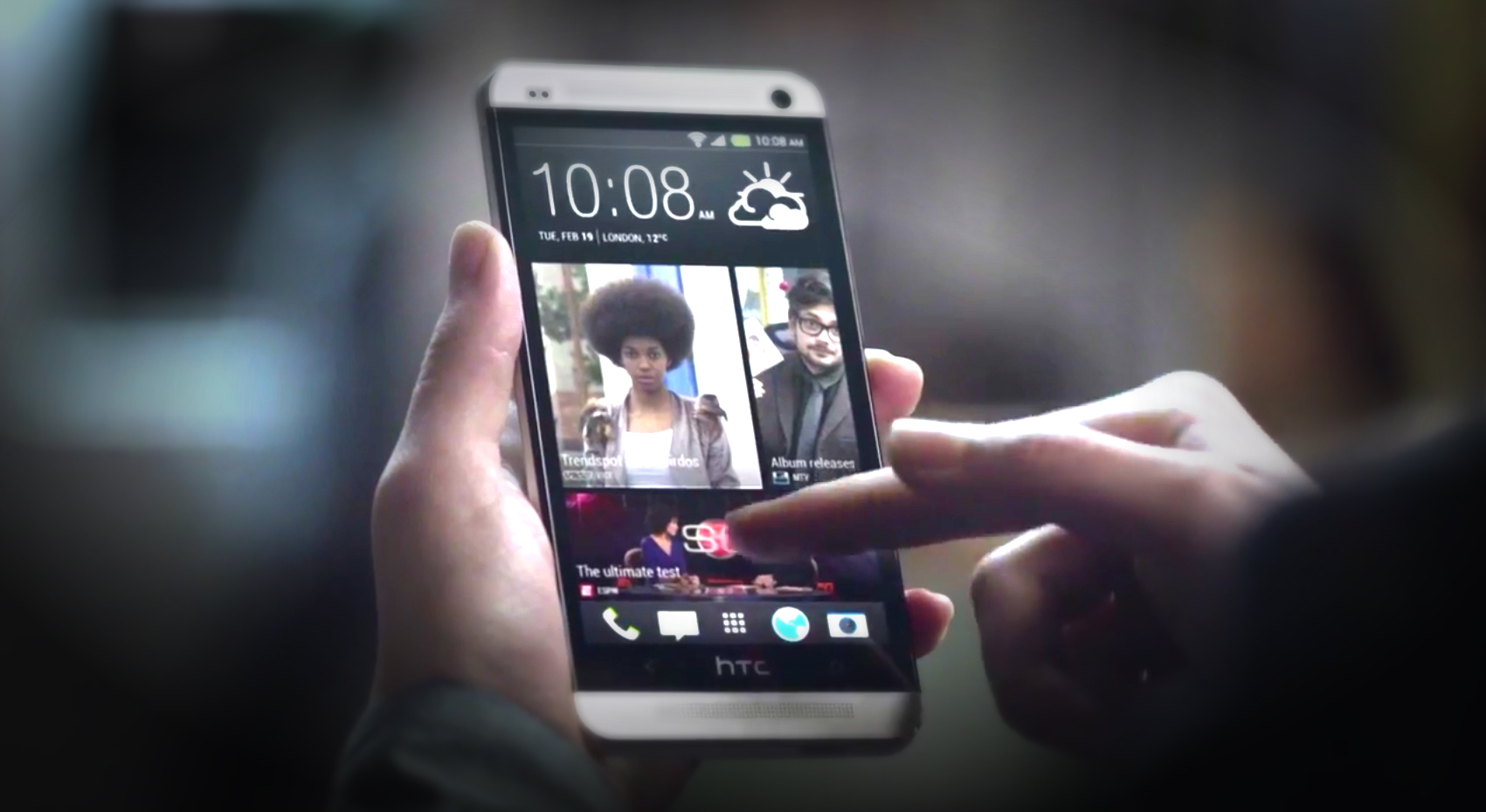
Who will buy HTC One?
More than two weeks ago I asked: "Will you buy HTC One?" Preliminary results are in, and many of you express intentions to get the smartphone. Last week, I expressed how much more I like the One than iPhone 5.
The unlocked One is backordered at HTC.com, while T-Mobile can't meet demand. Someone wants this smartphone, and it might just be you. Forty-five percent of respondents say they will get the handset "as soon as available", while another 11.5 percent "within 3 months". Buying polls like this one, and that includes those conducted by outfits like ChangeWave, only measure sentiment -- what people would like to do. What they actually do often varies for lots of reasons. Clearly there is lots of interest in HTC One.

FileZilla 3.7.0 improves FTP performance
Open-source FTP client FileZilla 3.7.0 and FileZilla Portable 3.7.0 have both been released. The new build now allows users to view the total transfer speed as a tooltip over the transfer indicators, and replaces the depreciated term SSL with TLS. The update also promises better performance over secure FTP connections and subtle tweaks to the user interface to make the program easier to use.
Users can now view the total transfer speed by hovering the mouse over the transfer indicators in the bottom right-hand corner of the FileZilla window. Similarly, hovering the mouse over the Host box in the Quickconnect bar now reveals a list of supported protocols: FTP, FTP over SSH, FTP over TLS (implicit), and FTP over TLS (explicit).

MultiPLX is latest RSS alternative to dance on Reader's grave [review]
I am long done with rattling on about Google's decision to kill Reader. I get it. RSS is popular with our crowd -- the tech writers and those who follow multiple blogs and wish for an easy way to keep up. That is where the service excels. But, let's face it -- the vast majority of people do not use this technology. My wife and kids, savvy computer users, would not know what RSS was if I asked.
However, the software has a niche, and sometimes a niche is all that is needed for a successful business. We have alternatives in Feedly, The Old Reader, Feedspot and Digg, which has bun in the oven. There are lesser-known options as well, but most users seem to be destined for one of these already established programs. Several have had to beef up server capacity and bandwidth to cope with new-found popularity.

Get 'Easy Access' to local apps from Firefox
From docks to desktop gadgets, the Start menu to the Start screen, there are many ways to launch applications on your PC. But most of these are quite bulky, giving you a new interface to explore, and perhaps tying up valuable screen real estate.
If you’re looking for something simpler, then, more lightweight, then you might be interested in a new Firefox add-on called Easy Access.

Microsoft releases two sad 'Scroogled' ads attacking Google Docs
Despite the almost laughable nature of the Scroogled campaign, Microsoft continues to push it. The company slams Gmail, but that is not enough. Jake Zborowski, senior product manager for Microsoft Office, releases not one, but two blog posts that attack Google Docs. Both are accompanied by ads -- low resolution videos that view like someone pulled them from the cutting-room floor.
"Converting Office files into Google Apps is a gamble" Zborowski claims in one post. "Why take the gamble on converting your Office files to Google Docs when you can use Microsoft Office and the Microsoft Office Web Apps to create, share and edit your Office files with your content intact", he explains. A new casino-themed ad accompanies the post and features B-list celebrities Rob Schneider and Pete Rose.

We'll always be friends
I was weeding through my Steam friends list the other night, looking to remove some of the people that I never see online or playing games anymore. As I scrolled through, I noticed that there were several folks on my list that hadn't signed on for one-hundred days or more. By default, Steam starts itself upon boot, with the option to automatically log yourself in as well.
It made me wonder why these people that I had played with every day or two hadn't so much as even started up the program in such a long time. After all, I don't just send or accept friend requests on a whim. I've only ever add people that I've played with a multitude of times and have spoken to directly via voice-chat or text in-game on a regular basis.

Bing and Facebook up in a tree, k-i-s-s-i-n-g
Way back in 2007, Microsoft purchased a fraction of Facebook. The social network returned the favor in February by buying Atlas. The two tech goliaths are still smitten with one another, and today we learn that Microsoft search engine Bing gets closer to your friends.
Now the search engine is integrating Facebook comments directly into the sidebar that appears to the right side of search results. "Starting today, you will see comments on a relevant Facebook post within sidebar, as well as the ability add your own, all without having to leave Bing. You can also Like a post directly from Bing. Now you can see what your friends might know about what you’re searching for and engage with them directly without leaving the search page", Nektarios Ioannides, program manager for Bing, explains.

Financial Times comes to Flipboard [Q&A]
May 9 was a big day for Flipboard. The personal news app launched a new version on Android, bringing feature parity with iOS, and the Financial Times debuted as a content provider. FT is unique among magazine news publications, by making people pay. Free rides are short lived; the newspaper lets registered users view a limited number of stories per month. More than that, requires a subscription.
Many people look at Flipboard as a pretty news aggregator -- a smorgasbord of valuable content served up for free; eat as much as you like. Financial Times brings the pay model with it. You still need a FT account. Registered users are limited to blogs and video, while subscribers get access to everything. I wonder if personal paper apps like Flipboard aren't the future news, with some -- even more -- content behind the paywall.
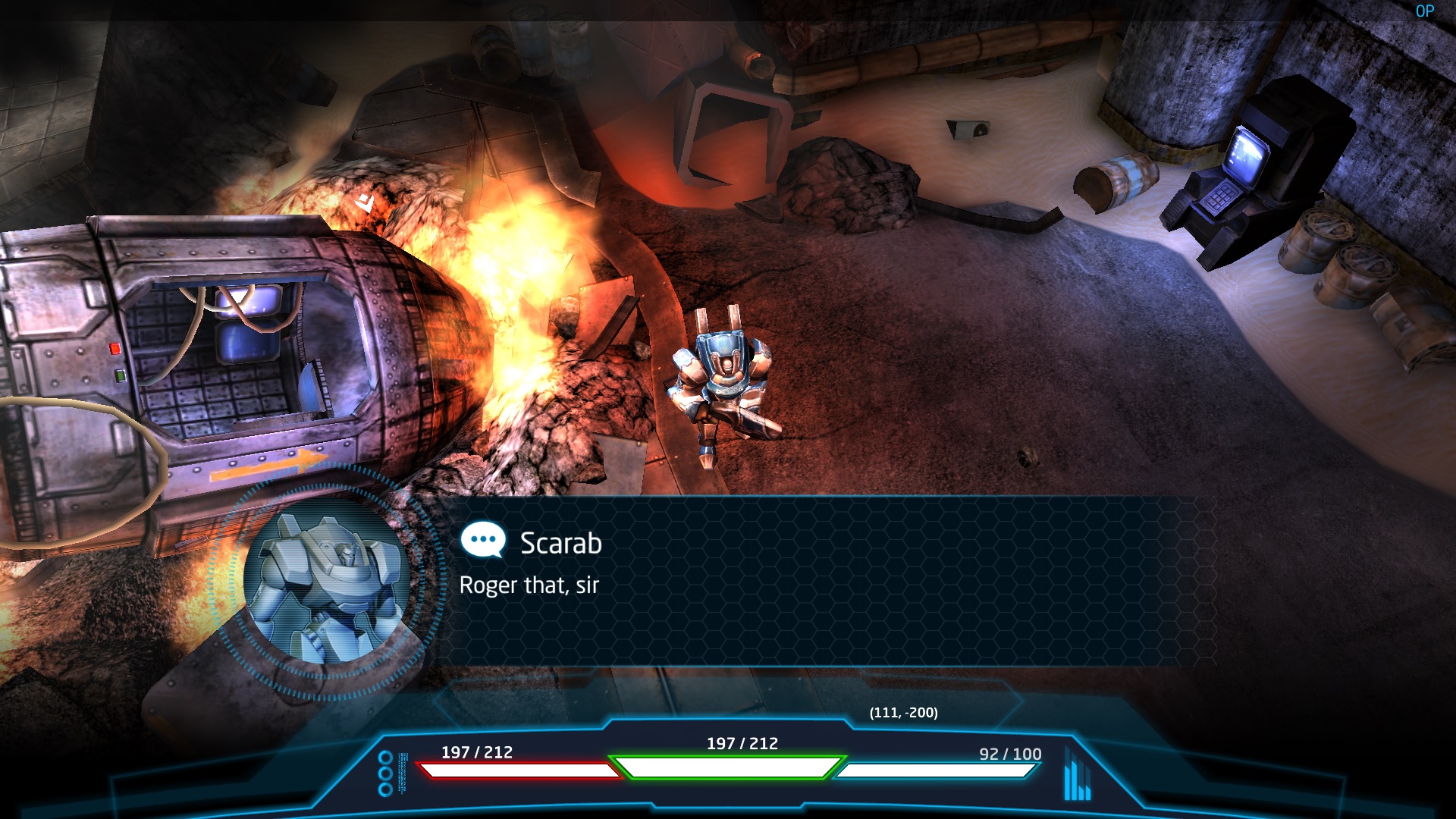
Best Windows 8 apps this week
Twenty-eighth in a series. Several popular apps received updates this week. A new version of the ESPN app was uploaded to the store adding tennis coverage to it and fixing a couple of bugs related to the live scoring tile feature and the display of select sports when they are snapped on to the side of the screen.
Toolbox, an app offering access to custom tools that you can display next to each other on the screen received its first commercial in-app upgrade. Users can add a Twitter client to the app for a one-time payment of $4.99.
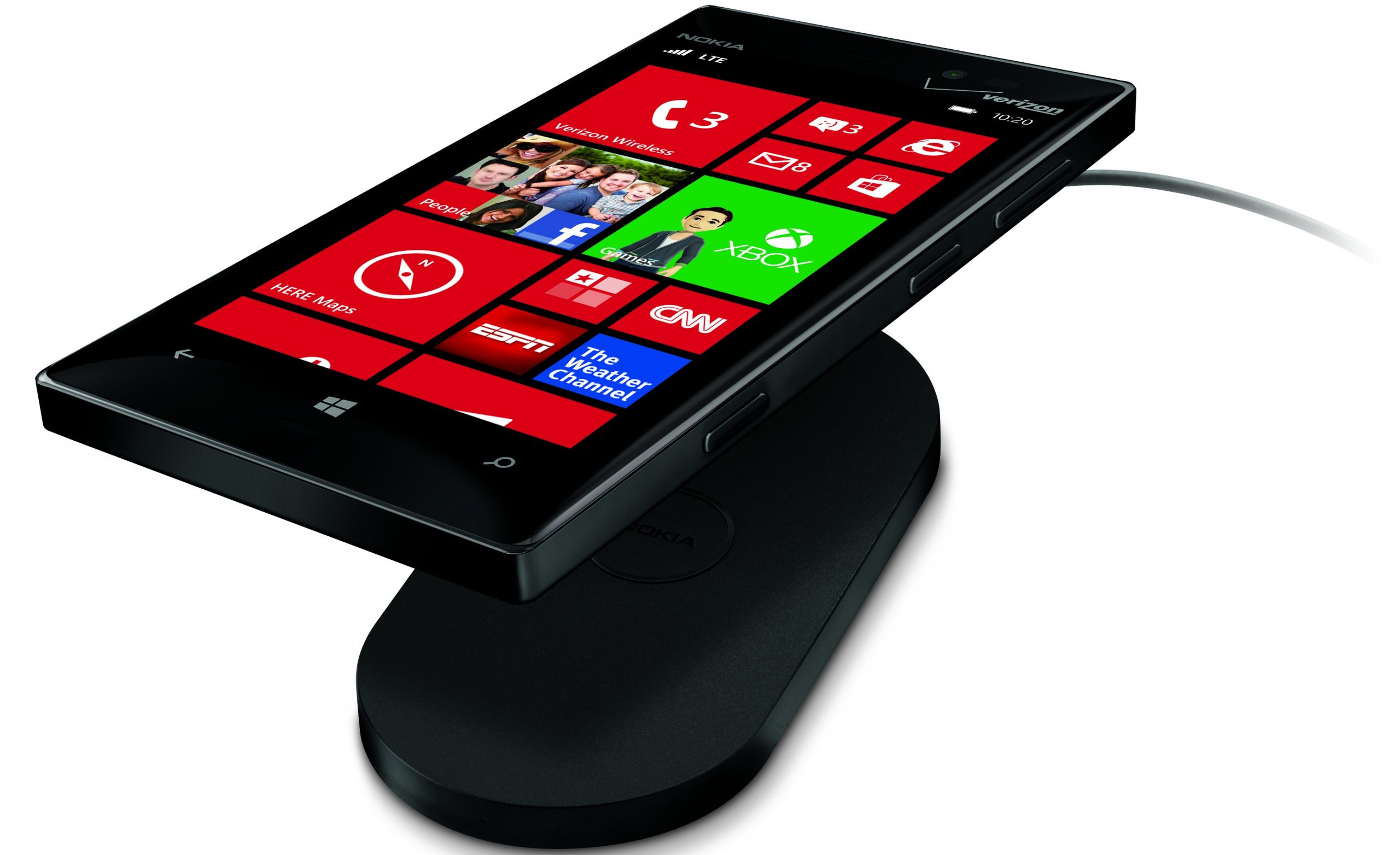
Meet Nokia Lumia 928 Windows Phone
On Friday, Nokia ended days of teases, officially taking the wraps off the Lumia 928 Windows Phone 8 smartphone. The handset, which will be available exclusively at US mobile operator Verizon, showcases a departure in design from current flagship, Lumia 920, while delivering similar hardware and software specifications.
The Lumia 928 packs a 4.5-inch OLED display with a resolution of 768 by 1280 and 334 pixels per inch, protected by Corning's Gorilla Glass. The screen can be operated using gloves or long fingernails (women should love this). Power comes from a 1.5 GHz dual-core Qualcomm Snapdragon MSM8960 processor, 1GB of RAM and a 2000 mAh battery. The 32 GB internal storage is non-expandable.

Adobe security failure of the DAY: 160K SSNs exposed
Yesterday I wrote about Adobe's latest security nightmare, this time involving web development environment ColdFusion. I also stressed that while aware of the problem, the company didn't plan a fix until May 14, during its next monthly patch release. For the Washington state court, this is not soon enough.
A ColdFusion vulnerability exposed 160,000 Social Security numbers and the driver’s license numbers and names of a million people. Before hitting the panic button, realize that if you have had no legal issues then you are likely safe.
Samsung Galaxy S4 32GB arrives at AT&T
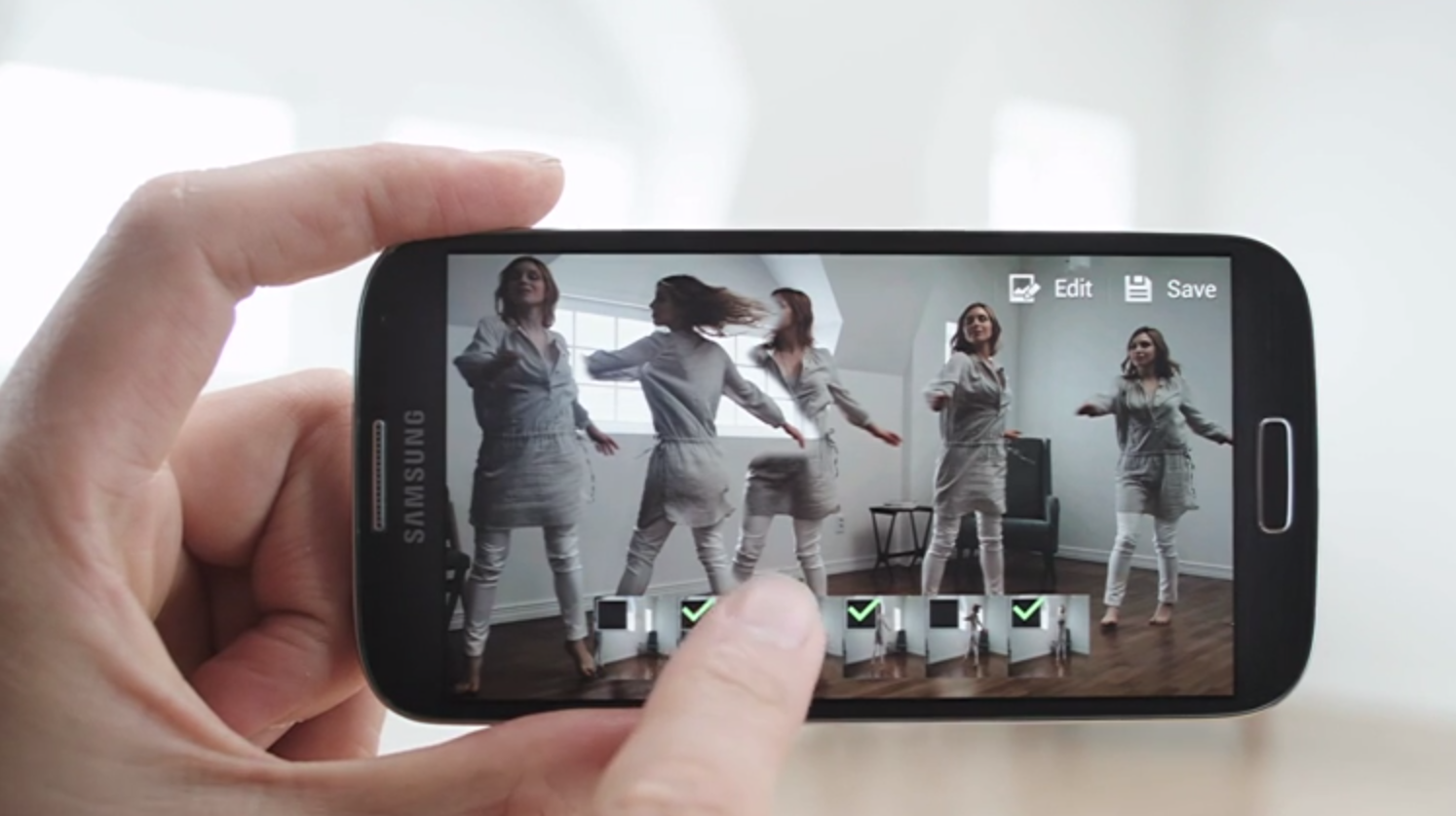
Today, another Galaxy S4 variant goes on sale at AT&T -- 32GB and yours for $249.99 with two-year contract. Buyers looking for commitment-freedom pay $669.99. The S4 joins HTC One as hottest smartphone of the season. Both pack gorgeous 1080p displays. The One is my choice for design; other benefits include booming front-facing speakers and low-light photography. Samsung packs in larger screen and loads more software capabilities.
For the US carrier selling more iPhones than any other, AT&T makes Galaxy S4 quite the priority, jumping ahead of competitors selling the 16GB model and carrying its larger-capacity cousin. Preorders started April 16, with the 16GB phone in stores two weeks later.