Google launches Chrome Beta channel for Android
Users of Google’s popular desktop browser have a choice of release channels. If you hate bugs and crashes, there’s the stable version of the browser (which was just updated). If you don’t mind taking a little risk and want to get your hands on the newest features, there are the Beta and Dev channels. And finally, if you want to be on the absolute cutting edge, there’s the Canary build which runs alongside any other Chrome installs you have.
Android users don’t have this degree of choice, but from today Google is offering a new Beta channel for phones and tablets running Android 4.0 and up, and the good news is it can be installed alongside your current version of Chrome so you’ll always have a stable version of the browser on hand.
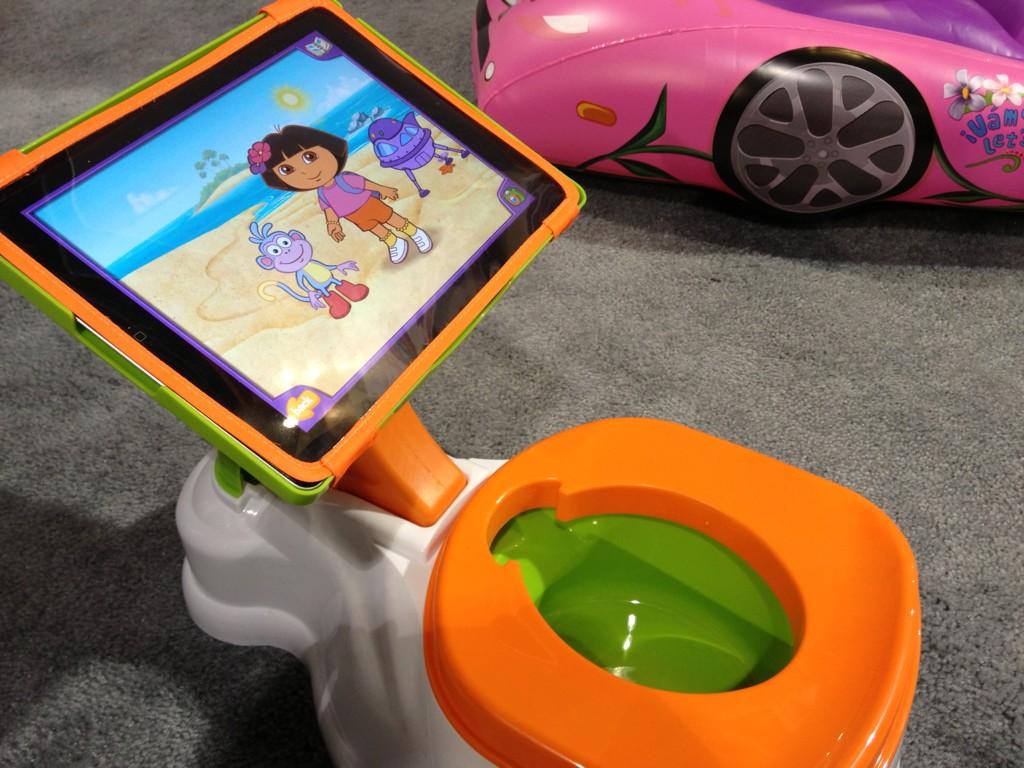
5 weirdest tech products unveiled at CES 2013
Four days ago I reported about "5 CES 2013 pre-show announcements you should know about". As the show leads towards a (long awaited) finale, let's take a look at the five weird pieces of tech unveiled since Sunday.
Some serve as part of the "What were they thinking?" lesson in announcing new products, while others are good examples of tech gone too far. Since quantifying which one's more out of place than the other, the following five products will be listed in a non-particular order. Feel free to name the weirdest of all in the comments below. Be advised, that's no easy task to undertake!

Google releases Chrome 24 -- get it NOW!
Google has released Chrome 24 to the stable channel for Windows, the Mac and Linux. And while there are no major additions this time around, the build still has enough to make for a worthwhile upgrade.
There’s the usual focus on performance, for instance. When the Chrome 24 beta appeared the development team claimed a 26.3-percent improvement in JavaScript performance over the last year, and the latest release includes yet more optimizations. No need to take their word for it, though: run Chrome’s Octane benchmark before and after upgrading, see for yourself.
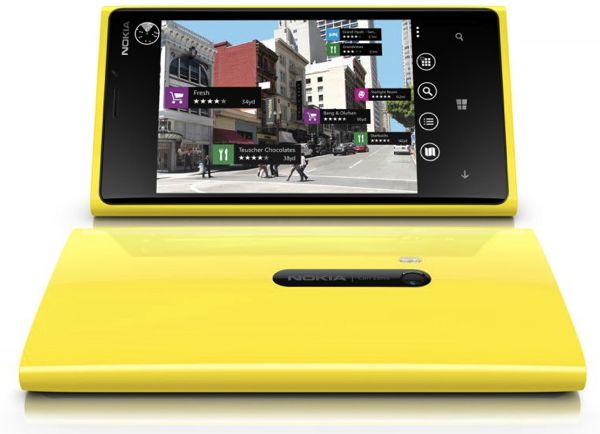
4.4 million Nokia Lumia sales is not impressive at all
Windows Phone 8 is not the cure for Nokia's woes. Today the Finnish phone manufacturer released preliminary financial results for fourth quarter, managing to move just 4.4 million Lumia units.
Nokia, however, remains optimistic when it comes to sales that, at least theoretically judging by timing and product releases, should be much, much higher compared to actual preliminary numbers. The company states that "Devices & Services has exceeded expectations and achieved underlying profitability in the fourth quarter 2012", but fact is the most popular smartphone series comprises of Asha devices with 9.3 million units sold, and not Lumias. Basically the cheaper and more modest smartphones drive the "exceeded expectations" and "underlying profitability" at a first raw glance.

Amazon AutoRip Changes EVERYTHING
The most important tech news this week isn't from the Consumer Electronics Show. Amazon earns distinction, with a new service that, if rightly executed, could change how everyone buys digital content. Not since Apple licensed digital tracks for the iTunes Store in early 2003 and later secured deals allowing consumers to buy a single and get the rest of the album for appropriately-reduced cost is a music service so provocative. Amazon AutoRip is as big as DRM-free and looms over Apple's iTunes Match -- and both transform music licensing and consumption.
Can you feel it? The Earth shook today, and nothing will be the same because of it.

Adobe CS2 is available for free -- kind of, maybe, not really, but absolutely
Adobe has published a public CS2 download page with links to a host of older applications -- the full Creative Suite 2.0, Acrobat Pro 8.0, Audition 3.0, GoLive CS2, Illustrator CS2, InCopy CS2, Photoshop CS2, Photoshop Elements 4.0/5.0, Premiere Pro 2.0 -- as well as the serial numbers required to activate them.
As soon as the page was noticed, multiple stories appeared recommending what looked like a great freebie. But what’s really going on here? It’s hard to say.

Warning: That Cisco phone on your desk may be spying on you
If your office, like many others in businesses around the world, uses Cisco-branded telephones then you may have a big problem. The networking company issued a security advisory with the catchy name "cisco-sa-20130109-uipphone".
"Cisco Unified IP Phones 7900 Series versions 9.3(1)SR1 and prior contain an arbitrary code execution vulnerability that could allow a local attacker to execute code or modify arbitrary memory with elevated privileges", the notice warns.

Amazon’s AutoRip service gives CD purchasers the MP3 versions for free
If you’re one of those people who still prefers audio CDs to digital downloads (because you can’t beat a physical product with album art and sleeve notes, right?), but then rip the tracks so you can actually play them, Amazon’s new AutoRip service is for you. Purchase an AutoRip CD from the site and you’ll get the MP3 version for free.
The tracks will be automatically uploaded to Amazon Cloud Player, where you can stream or download them immediately, even before the CD arrives. And that’s not all. Any eligible CDs you’ve purchased from Amazon after 1998 will be added to your Cloud Player too, for free. If you don’t have a Cloud Player account you’ll be able to sign up for one.
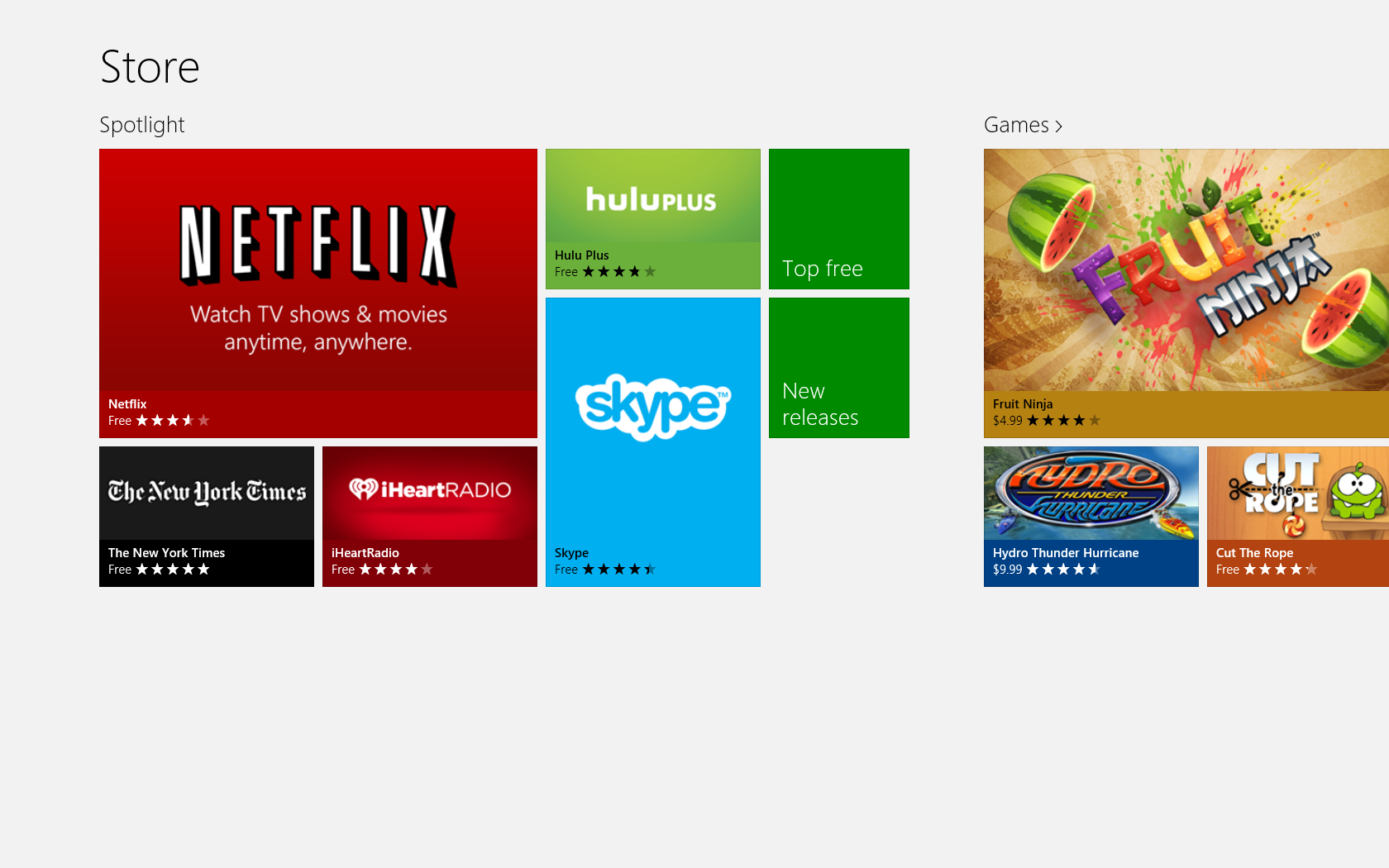
Microsoft launches the Windows Startup Challenge -- a competition for would-be app designers
The problem with making apps -- whether for smartphones, tablets or the Windows Store -- is getting enough people to sit up and take notice. Sure, if it’s good enough, word of mouth might propel it upwards, but the sad truth is a lot of great apps never get the traction they need to succeed.
If you have an idea for a Windows Store app, Microsoft’s Windows Startup Challenge could be just the boost your concept needs. The winner of the app design contest will get the chance to launch their creation at DEMO Mobile in San Francisco on 17 April.

Nokia brings the new Lumia Windows Phone 8 smartphones to India
Little under a month after Nokia introduced part of its new Windows Phone 8 lineup for pre-order on the Chinese market, the Finnish manufacturer has revealed that, starting Friday, the company's current Lumia lineup will be available for purchase in India.
By tapping into the local Indian market, Nokia expands its presence, and therefore the reach of Microsoft's smartphone operating system, into one of the largest Asian markets. The Espoo, Finland-based manufacturer announced that the first two handsets that will be available Friday "in select retail stores across major cities" are the high-end Lumia 920 and mid-range Lumia 820 Windows Phone 8 devices.

Anonymous petitions the White House, wants DDoS recognized as a form of free speech
A Distributed Denial of Service attack is no different from someone repeatedly tapping F5 in their web browser, at least accordingly to loose hacktivist collective Anonymous. The group (or someone claiming to be affiliated with it at least) has added a petition to the White House's We the People website, asking the US government to recognize DDoS as a legal form of protesting, and comparing it to the international "occupy" movement.
The petition also calls for the immediate release of those who have been jailed for DDoS attacks, and for their records to be cleared.
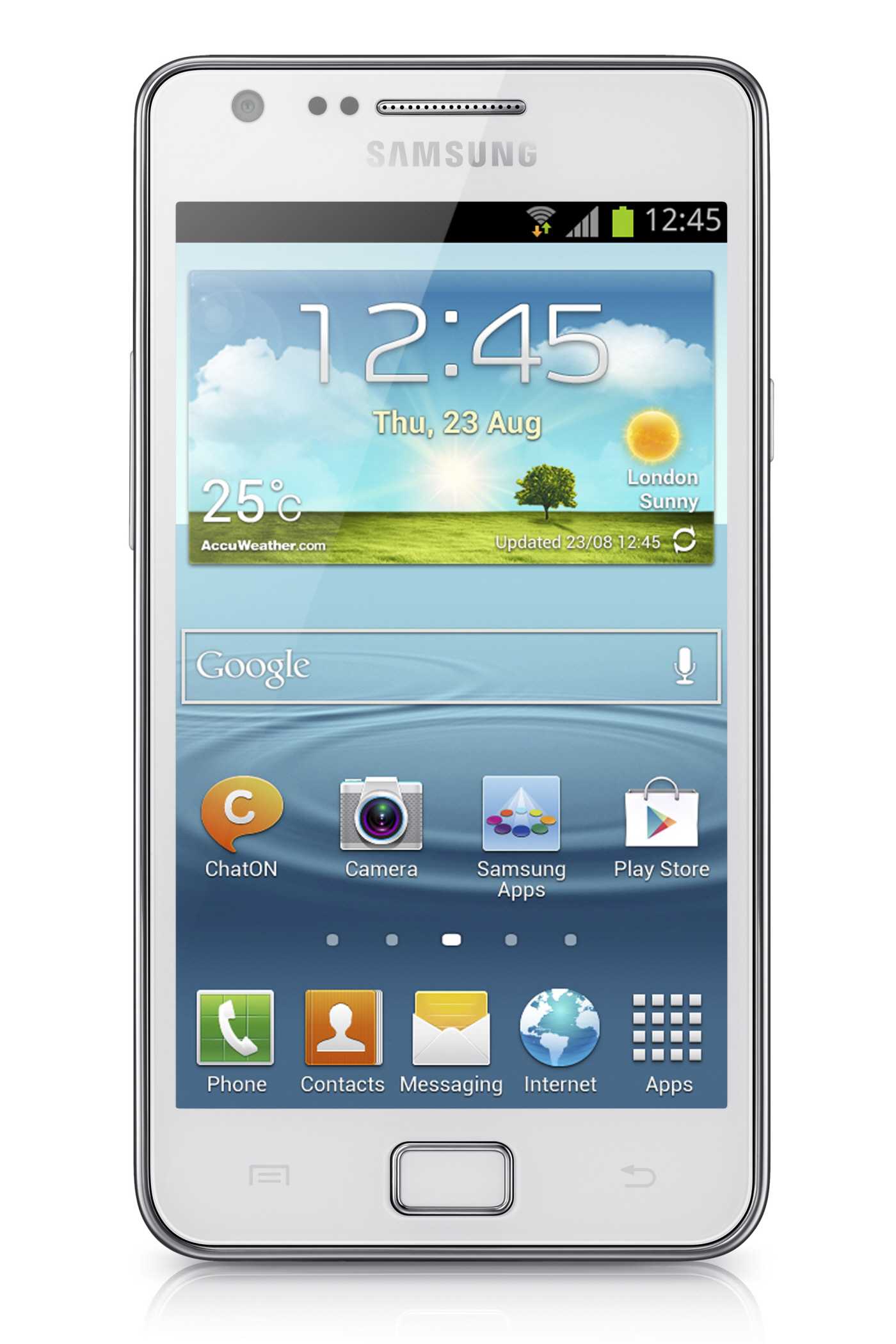
Samsung announces the Galaxy S II Plus, a revival of the older star
Far away from events unfolding at CES in Las Vegas, South Korean Android device manufacturer Samsung has unveiled a new device in its Galaxy smartphone lineup. Dubbed the Galaxy S II Plus, the new handset borrows familiar cues from the popular Galaxy S II, but with an added Android 4.1.2 Jelly Bean twist.
Samsung has decided to play it safe with the Galaxy S II Plus, as the new smartphone bears an uncanny resemblance to its sibling from 2011. The only apparent physical differences lie with the color choices. The Galaxy S II is available in black, pink and white, while the Galaxy S II Plus only comes in blue and white, embracing Samsung's Galaxy S III color palette. But what about the specs?

The trick to stealing Hollywood is...
Third in a series. Some readers of my last column in this series seem to think it was just about the movie business but it wasn’t. It was about the recorded entertainment industry, which includes movies, broadcast and cable television, video games, and derivative works. It’s just that the movie business, like the mainframe computer business, learned these lessons first and so offers fine examples.
Whether from Silicon Valley or Seattle, technology companies see video entertainment as a rich market to be absorbed. How can Hollywood resist? The tech companies have all the money. Between them Amazon, Apple, Google, Intel and Microsoft have $300 billion in cash and no debt -- enough capital to buy anything. Apple all by itself could buy the entire entertainment industry, though antitrust laws might interfere.

You CAN remove Adobe Flash from Windows -- here's how
Maybe you’re having problems with Flash, and would like to do a clean reinstall. Or perhaps you’ve decided the technology causes more problems than it solves, and would like to delete it forever. Whatever the reason, you may one day find you want to completely remove Flash from your PC -- but that can sometimes be a problem.
You won’t be able to use the standard uninstaller if there are other background processes using Flash, for instance. And your Flash installation can sometimes become corrupted, causing further complications. Don’t give up, though -- with just a little perseverance your PC should soon be Flash-free (apart from embedded plugins via apps like Chrome, anyway).

You better budget for a new game console in 2013
This year could be big for game consoles. Ouya expects to begin shipments in March or April and Steam has announced its very own console is in the works. Not to mention that Larry Hryb, aka Major Nelson, has placed a mysterious countdown clock on his blog, leading to lots of speculation, including, of course, the next Xbox -- the "720".
Where does all of this lead? The good analysts at IDC are convinced you will purchase a new console this year: "2011 and 2012 were tough for many console game disc developers and publishers", says Lewis Ward, research manager. "With the advent of eighth-generation consoles, starting with the Wii U, historical norms strongly imply that game disc revenue will stop bleeding in 2013 and rise substantively in 2014".