
The most popular stories on BetaNews this past week - May 25 -- May 31
No week would be complete without a little Windows news, and this week was no different. A registry hack emerged that should make it possible to receive updates for the no-longer-supported Windows XP right up until 2019. Microsoft later spoiled the fun by pointing out that it could lead to problems as the updates that would be made available as a result of implementing the hack would not be designed for regular desktop versions of Windows XP.
Last week we were wondering why it took eBay quite so long to warn users to update their passwords after a security breach earlier in the year. This week we discovered that it was because the company was under the impression that no user data had been accessed. Apple forgot to renew its SSL certificate, and in another Apple-related security story, a hacker managed to take control of iOS and Mac devices, and hold them ransom. To console itself, the company then splashed the cash on Beats Music -- Joe pondered whether this was just another indication of Apple's lack of innovation.
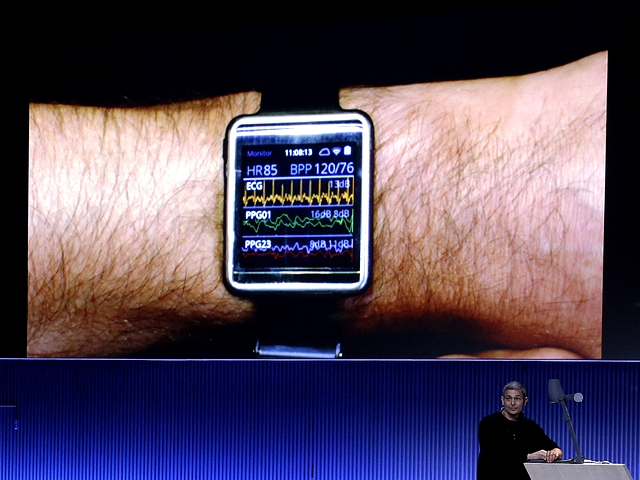
Samsung unveils its Simband and Sami health platform
Samsung has taken a new march in the wearables race through a new wristband and development platform to revolutionize the way sensors are used to collect critical health data about the user.
The Simband and Sami [Samsung Architecture Multimedia Interactions] platform, which were announced at a San Francisco press event, will be used by third-party sensor developers to collect and store data.

Google gives in, sets up 'forget me' form following EU ruling
A couple of weeks ago, a European court ruling said that internet users had a "right to be forgotten". Google was at the center of the test case, and the internet giant expressed disappointment at the court's decision that individuals should be able to request that their details be removed from search results. Now a removal request form has been created for those looking to clear their name from search queries.
In order to use the form, individuals are required to provide a "valid form of photo ID". It is then possible to request that information that is "inadequate, irrelevant or no longer relevant, or excessive in relation to the purposes for which they were processed" be removed. Google has already made it clear that it found the court ruling "disappointing", and the company says that submitting a request is no guarantee of having details removed from search results.

NSA: Edward Snowden did not raise surveillance concerns internally
In an interview with NBC earlier in the week, Edward Snowden -- ever a thorn in the side of the NSA -- defended his decision to leak documents to the press, saying "Sometimes to do the right thing, you have to break a law". The whistleblower has long insisted that his revelations were born of a desire to help his country, and claims that he previously tried to voice his concerns about the US government's surveillance tactics through official channels.
Speaking in Wednesday's interview, Snowden said "I actually did go through channels, and that is documented. The NSA has records, they have copies of emails right now to their Office of General Counsel, to their oversight and compliance folks, from me raising concerns about the NSA’s interpretations of its legal authorities". This is something disputed by the NSA who released details of a brief email exchange between Snowden and the Office of General Counsel.
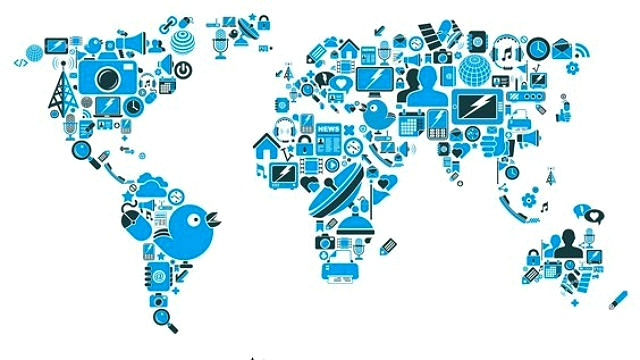
The Internet of Things brings the future of the web as we know it into question
The so-called Internet of Things (IoT) came to the British public's fullest attention earlier this month, following national media coverage about two household name retailers announcing their proposed £3.4 billion merger. Dixon's and Carphone Warehouse positioned their desire to marry consumer electrical goods, such as fridges and TVs, with smartphone devices, as part of their preparation for IoT. In so doing, they would appear to want their slice of the multi-billion treasure trove tech industry giants such as Cisco and GE have been forecasting in the next five years.
Of course, the definition of IoT is not new. In fact it's been around for over a decade. What has changed is the public's awareness that the technology we use on a daily basis has caught up with the vision of an always-on, always-connected world. If you look into the details of what comprises the IoT, then you'll see that it includes everything from cloud computing, big data analytics, Internet-enabled devices, applications, network and storage.

Caught as a hacker? Helping the FBI is your get-out-of-jail-free card
LulzSec is an infamous, famous and notorious name in the technology world. The small collective made a name for itself by attacking high-profile websites such as Fox.com and government sites, but all of this was interrupted when founding member Sabu (or Hector Xavier Monsegur to his mother) was arrested three years ago. Originally facing a jail sentence of more than 26 years for his hacking work, Sabu is now a (relatively) free man having earned himself a get-out-of-jail-free card by working with the FBI since his arrest to help identify other hackers.
Although a judge in New York passed a sentence of seven months, Sabu had already spent this length of time incarcerated so all that is left is one year's supervision. The leniency comes thanks to the fact that Monsegur agreed to continue to work undercover in the hacking community, supplying the FBI with information about activities and individuals. Among those he helped authorities to prosecute were Jeremy Hammond -- one of the most-wanted cybercriminals in the sights of the FBI -- who was jailed for leaking emails to WikiLeaks.
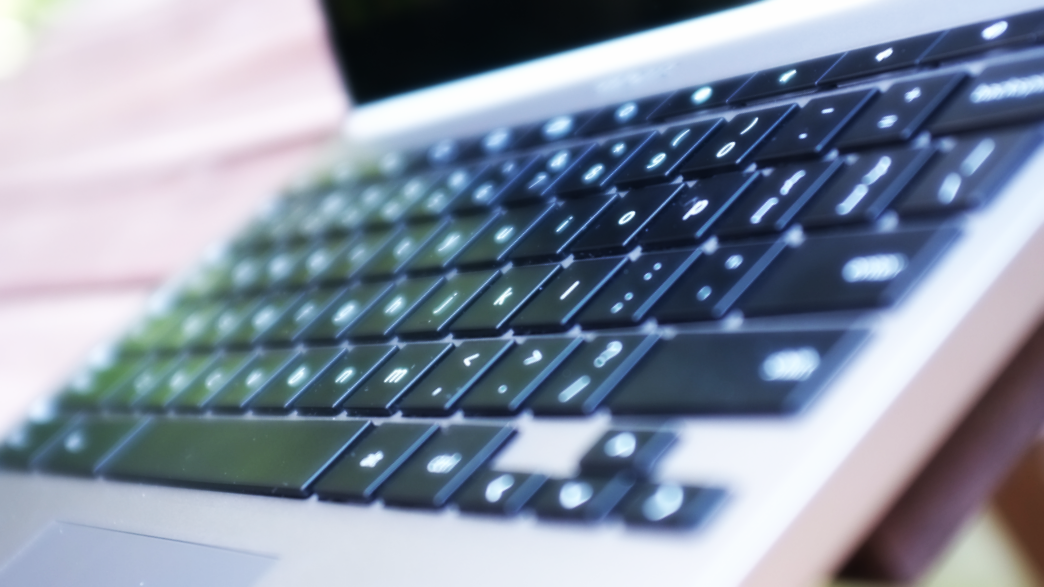
My two years with Chromebook
Colleague Alan Buckingham is on a summer sojourn using HP Chromebook 11. I took similar journey during August and September 2011, but the Samsung Series 3 Chromebook -- much as I liked the overall user experience -- couldn't satisfy my needs. In May 2012, with Samsung Chromebook Series 5 550's release, all changed. I started down a permanent path, looking back once for a few weeks. I am a Chromebook convert and eagerly watch to see where Alan will be when the summer sun fades to autumn colors.
"Can I use Chromebook as my primary PC?" It's a question I see often across the Interwebs. The answer is different: You can use Chromebook as your only computer. The only PCs in my home are Chromebooks. There are no Macs or Windows machines doing double duty. Chromebook is more than good enough. Most people will be surprised just how satisfying Chromebook can be -- and how affordable. For 96 cents more than the cost of one entry-level MacBook Air, you can buy from Amazon four HP Chromebook 11s -- the model Alan uses now. User benefits are surprisingly similar.

Technology and politics -- two paths that need to cross to enable progress
In the world of politics, the wheels of change move slowly; very slowly indeed. Parties and those in power have a vested interest in maintaining the established order, and any attempts to buck the status quo are usually fairy fiercely opposed. Contrast this with the technological world where there are new innovations made every single day -- even at the weekend! Technology doesn’t run out of money and leave an entire nation on the verge of collapse. Technology is not interested in race, class, sex, sexuality or other characteristics. It is certainly true that technology is largely driven by a desire to generate profit -- we are, for the time being, living in a capitalist world, after all -- but it is profit born of fulfilling people's needs and desires.
Can the same be said of politics? To a large extent politics is self-serving. There's still an interest in generating a profit, but it is for the benefit of the few. Technology serves the masses, and has the potential to serve and benefit all. Of course, the term "technology" is rather broad. For the purposes of this article, I'm going to use it to refer to computers, the internet, smartphone, the cloud, electronic/connected devices, robots and the like. For all the gestures to democracy and choice, politicians are, for the most part, interested in serving certain sections of society. There are of course those parties and politicians who are able to take a wider view, have an interest in helping those at the bottom as much as those at the top, and value all people equally.

The most popular stories on BetaNews this past week: May 18 -- May 24
It should come as no surprise that this week's big news was Microsoft's Surface Pro 3 unveiling. Brian had been looking forward to the NYC event and was at the event to get hands on with the new device. There's certainly a lot to love about Microsoft's third generation tablet, but there is that price to consider. If you like the look of what you see, the device is available for pre-order right now -- and if you're undecided between the Surface and a MacBook Air, Mihaita compared the two. Maybe you're one of those who thinks it’s a niche product.
The Surface Mini failed to make an appearance, but there are still lots of other tablets to choose from -- although they are yet to make much of an impression in higher education, unlike Chromebooks which have found their way into Welsh schools. Will Microsoft's tablet manage to attain the longevity of Apple's iPad? You'd be forgiven for thinking that hell itself had frozen over at the news that work is underway that will make it possible to run Android and iOS apps side by side on the same device.

Sad news for springers -- Springpad shuts up shop June 25
Data organization wars have claimed a victim. Springpad, the notebook service designed to help users "get inspired, get organized, get more done" is to close. After six years of helping people store notes, recipes, project ideas and more, Springpad will close in just over a month. The world of note taking tools, managers and general information organizers has become crowded. The likes of Evernote, OneNote and even Google Keep have all been vying for attention in recent years, and there are only so many users to go around.
The closure rumors started last night with the Verge citing the oft-mentioned "person familiar with the company's plans", but now it has been confirmed. In a blog post the Springpad team confirms what hundreds of thousands of users hoped and prayed would turn out to be untrue -- as of June 25, the service will cease to function. At this stage no reasons are being given for the closure, but it will leave users scrabbling to find a new home for their data.

Using your smartphone behind the wheel is more dangerous than driving drunk
Police in the UK are expressing increased concern about motorists using social media at the wheel. According to the head of roads policing, drivers using mobile phones to take photos, update their profile and make video-calls are becoming more and more of an issue.
In 2012, UK roads provided the site for more than 6,000 deaths or serious injuries for people between the ages of 16 and 24. This same age group was recently surveyed by RAC, where around 10 percent of drivers admitted to using sites such as Twitter or Facebook whilst driving.
Facebook listens to feedback and tightens up privacy settings -- a bit
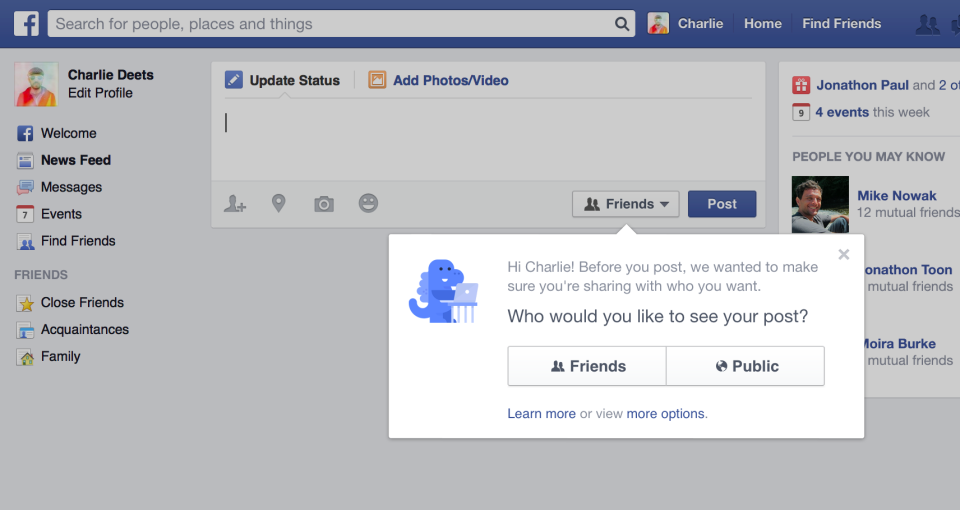
Privacy. It's something that we're all concerned about, particularly online. Facebook is one of many companies that comes in for scrutiny and criticism for the way it handles user privacy, and there have long been complaints about the fact that statuses and uploaded photos are made publicly accessible by default. Today that changes. After years of pestering, Facebook has listened to its user base and changed the default visibility setting to "Friends only". At least this is the case for brand new users.
Anyone signing up for a new Facebook account -- can there be many people left who do not yet have one? -- will be able to avoid accidentally sharing private photos with the world. "Going forward, when new people join Facebook, the default audience of their first post will be set to Friends. Previously, for most people, it was set to Public," says Facebook in a blog post. The first time a post is made, users will be asked whether it should be made public or limited to a smaller audience. If no selection is made, it will default to Friends.

German gamers get Nazi-free version of Wolfenstein: The New Order
Germany and Nazism have history; one doesn’t have to be much of a history buff to know that. But the aftershocks of Hitler's Germany are still being felt; the country is still rather sensitive, shall we say, about the whole idea of the Nazis. So touchy, in fact, that as part of post-World War Two denazification the display of Nazi symbols (or "use of symbols of unconstitutional organizations") is illegal. This presents an issue for the game Wolfenstein which concerns itself largely with escaping from Nazis, killing Nazis, tracking down Nazis... there are lots of Nazis involved. Ultimately this meant that the popular game series was banned from Germany since it was first conceived back in the early 80s.
The latest installment in the series, Wolfenstein: The New Order, is set in the 1960s after a Second World War won by the Nazis. But this time around the game got a German release -- yesterday in fact. Bethesda's Pete Hines said last month that Germany has "a thing about Nazis", describing the country as "a little touchy" about the subject. So how was the release possible? This is not because the country has relaxed its laws -- the display of Nazi-related material can still result in a three year jail term -- but because the game has been censored.
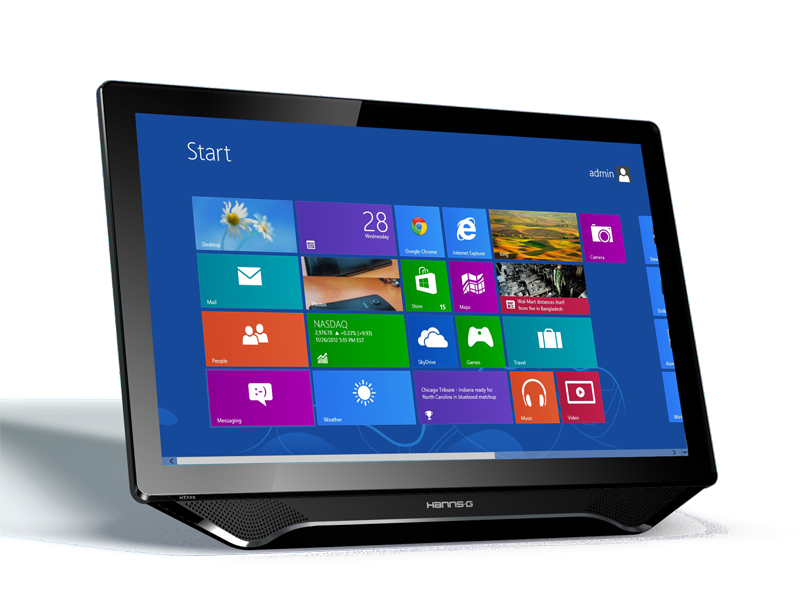
Hanns G HT231HPB: an entry-level touchscreen monitor let down by Windows 8.1 and itself
I have no problems with touchscreens in general, no problem at all. I can't imagine using a non-touchscreen phone any more, and I have tablets of all shapes and sizes coming out of my ears. Touchscreens make sense, they are intuitive, they are fun to use. In the right situation, at least. I bang on about being a very happy Surface Pro owner (not as yet a Surface Pro 3), but how often do I take advantage of the fact that it has a touchscreen? Very rarely. I might jab the screen every now and then to switch apps, I may even mess about with handwriting recognition from time to time, but despite my love of the device, a keyboard/trackpad/mouse combo is my preferred choice.
I use my Surface Pro as a laptop, and perhaps this is where my issues stem from. To me it makes little sense to reach over the keyboard to interact with the screen when a far more energy and time efficient trackpad flick does the job just as well. Used as a tablet, it would be a different story, but to me the Surface Pro range is not about amalgamating the best of laptops and tablets, it's about having a fancy laptop. But I digress. My point is that I have yet to be convinced of the value of touchscreen laptops (when used as laptops), and the idea of touchscreen monitors for desktop computers just seems like a step too far.

China bans Windows 8 from government PCs with twisted logic, and embraces Linux
Microsoft may have been granted permission to launch its Xbox One console in China in September, but a decision by the Chinese government could impact severely on sales of Windows 8. China's official state news agency, Xinhua reports that the latest version of Microsoft's operating system will be banned from governmental computers, although there are to be no restrictions placed on home computers. The reason for the ban on Windows 8? Well it's not quite clear, but it's put down to something to do with energy-saving -- although this seems unlikely.
The website of China's Central Government Procurement Center posted an 'Important Notice' entitled, catchily, "Agreement to supply information about the class of energy-saving products complement the mandatory tender notice". A list of criteria then follows including, at number 5 "all computer products are not allowed to install Windows 8 operating system". This is slightly at odds with the news agency's suggestion -- the official news agency, remember -- that Windows 8 is being banned from new government PCs in "a move to ensure computer security after the shutdown of Windows XP".