
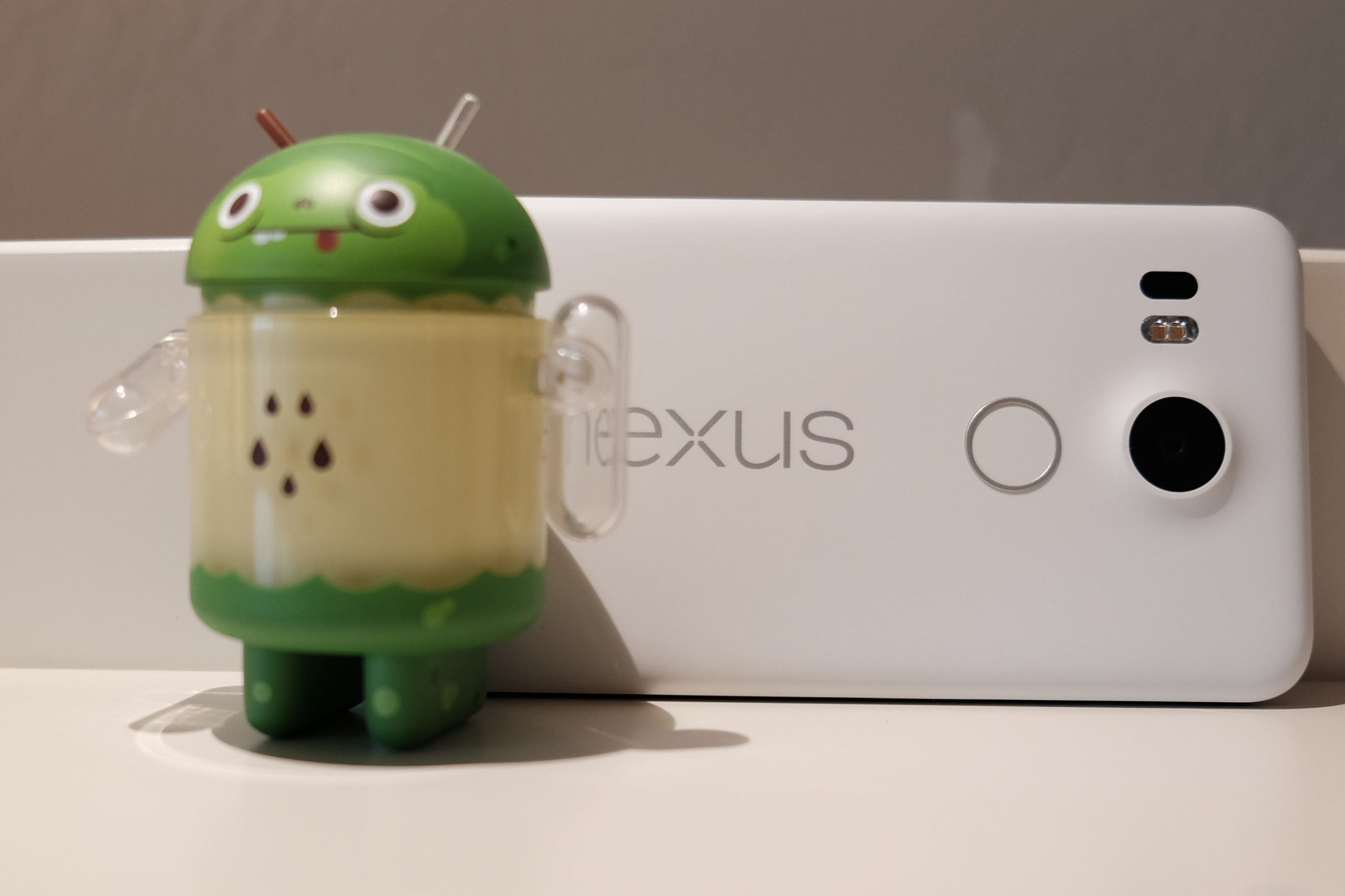
Google reveals end-of-life dates for Nexus devices
One of the advantages of buying a Nexus device is the guarantee that you're in line to receive updates for longer than devices from most other manufacturers. Google issues not only Android updates, but also monthly security patches for Nexus phones and tablets, and the company has just published its latest end-of-life list.
Next in line to drop off the support list are the Nexus 6 and Nexus 9. These devices will not receive "guaranteed Android version updates" (such as updates to Android N and Android O) after October 2016, but Google has also revealed when the Nexus6P and Nexus 5X will drop off the radar.
Google vs Apple: Contrasting approaches to app store evolution
This year, Google I/O and WWDC seemed to lack the excitement seen in years past with most announcements being fairly mundane -- a combination of maintenance/incremental updates and "me-too" products -- inevitable at this point in the maturity cycle. The most interesting part of these developer events was really the contrasting approaches Google and Apple have taken to evolve the app ecosystem. Unsurprisingly, both approaches are diametrically opposed to each other and favor each company's business model.
However, the "winning standard" will necessarily be one that better serves the needs of both consumers and developers.
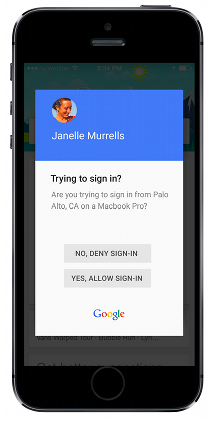
Google prompt makes two factor authentication less of a hassle
Two factor authentication is one of the most convenient options for securing a user account, which is why you will find this feature available in many of the top cloud services. It can be argued though that it can be made even easier to deal with, specifically in cases when users frequently need to access their accounts from new devices.
The problem there is that, the way that it is typically implemented, users usually have to get a verification code via SMS or retrieve it from a dedicated app to finish the authentication process, which is something that many folks may find very annoying over time. So, to make the whole process easy for its users, Google is now rolling out a new option for two-factor authentication, known as Google prompt.

Doctor Google will soon be able to (more reliably) diagnose what's wrong with you
Feeling unwell? Not sure whether you’re coming down with a cold or something much more serious? One of the worst things you can do is Google your symptoms, as there’s a good chance that after 10 minutes of browsing you’ll have read enough to convince yourself it’s not flu but rather the early stages of Ebola, and you’re actually going to DIE, HORRIBLY. Time to Google "writing a will…"
Despite this being a BAD IDEA, millions of people still Google their symptoms on a daily basis -- the search giant says it amounts to roughly 1 percent of all queries -- but there is some bright news on the horizon as in the very near future those worried individuals should start seeing some more reliable results.
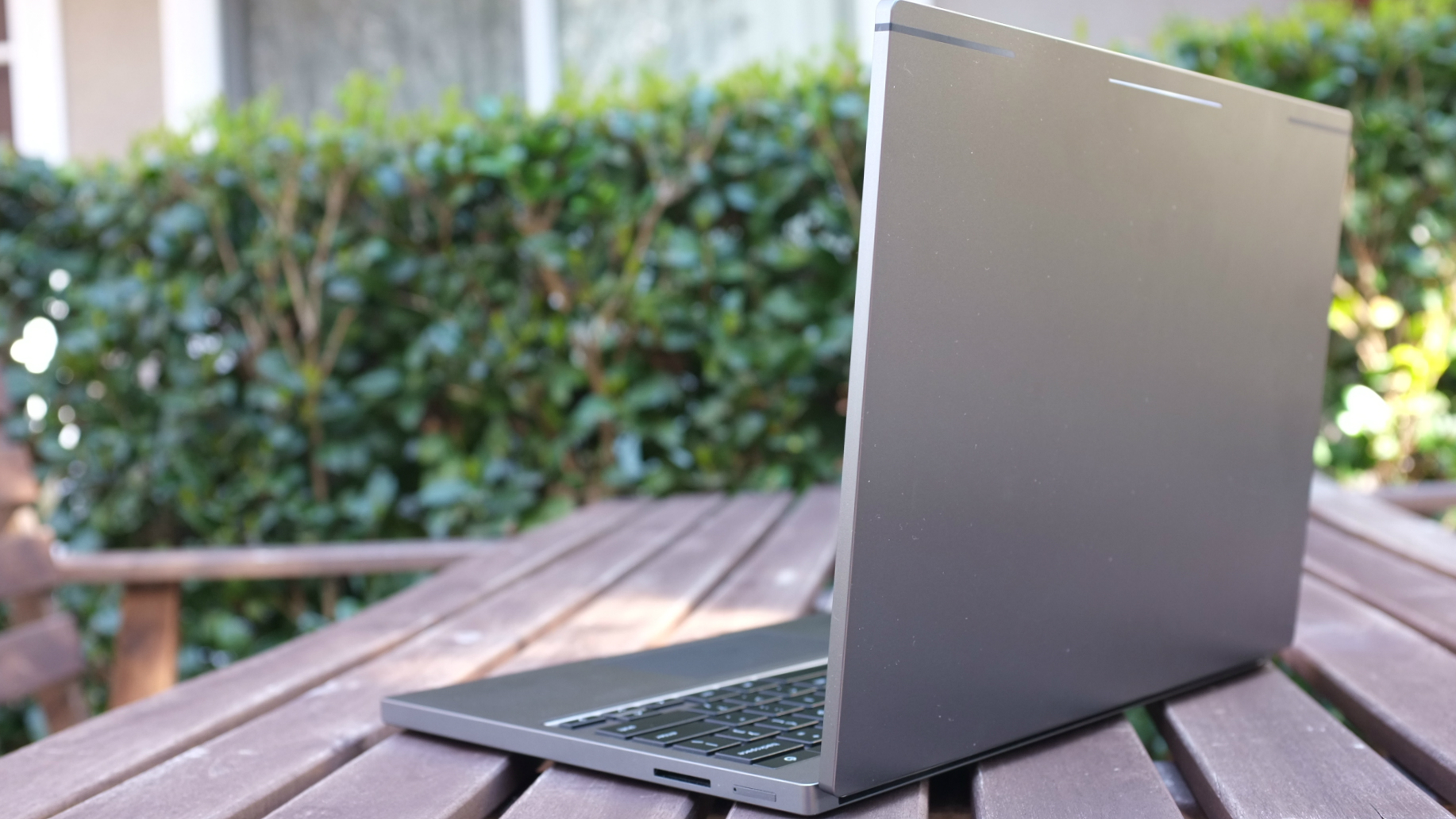
Android apps headed for two more Chromebooks
Ever since Google developed and released both its Android and Chrome operating systems, there has been some confusion as to why the two platforms weren't combined. So far the company has been mum on plans to merge the two, but that process seems to be starting.
Just this week Android apps were released to the Asus Flip, and now two more devices will be getting the added features soon.
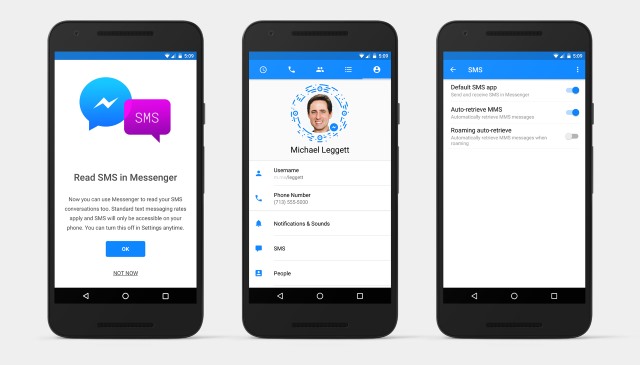
Facebook Messenger for Android can now send SMS and MMS
Facebook has upset a lot of people by effectively forcing its Messenger app onto people by removing the messaging option from the mobile website. Today, to help soften the blow a little, the social network announces that Android users will be able to use the app to not only chat with their Facebook friends, but also to send and receive SMS and MMS.
It's a feature that has been available in the beta version of Facebook Messenger for a little while, but now it is rolling out to everyone. While it will help keen chatters to reduce the number of apps they use, there is now yet another decision to make when it comes to texting -- stick with the default app on your phone, use Hangouts, use Facebook Messenger, or use one of the endless other messaging tools. If you opt for Facebook's offering, there are a couple of things you need to do.

Microsoft, Google and Facebook to work with Bangladesh government to remove 'inappropriate content'
Following prolonged talks with the Bangladesh government, Facebook, Google and Microsoft have all agreed to do more to remove 'inappropriate content' from the internet. State Minister for Telecoms, Tarana Halim, said: "After intense discussion with Facebook, Google and Microsoft, it has been agreed that they will respond to requests within 48 hours".
Agreeing to the Bangladesh government's demands comes just weeks after major tech companies agreed to a new code of conduct to combat online hate speech. In this instance, however, it has not been made entirely clear what constitutes inappropriate content, and the announcement will raise questions about the tech trio bowing to governmental demands.
Google turns evil and backs controversial Trans-Pacific Trade Partnership (TPP)
The Trans-Pacific Trade Partnership, or TPP, is a controversial trade agreement which has been decried by many as limiting privacy and freedom of expression, as well as lacking transparency. Google has just announced that it supports TPP.
While the TPP has been signed by the Obama administration back in February, it is still to be approved by congress. In the meantime, many companies, organizations and interest groups have spoken out against it. Google admits that the TPP is not perfect, but joins the likes of Microsoft in lending its support.
Google explains that search autocomplete censors suggestions
If you use Google as your search engine, you'll no doubt have noticed that as you type, a list of suggestions appears. This is an example of Google trying to be helpful, but the autocomplete suggestions can also be amusing or just plain weird -- thanks, algorithms! In recent days, Google has been accused of tinkering with search suggestions in a way that favors Hillary Clinton -- something the company strenuously denies.
You may have wondered how Google comes up with the suggestions it makes, and Tamar Yehoshua, VP of product management has spilled the beans. She reveals that as well as trying to be helpful to the searcher, the autocomplete algorithm also censors suggestions to discourage people from conducting "offensive or disparaging" searches about others.
First batch of Chromebooks reach End Of Life and get no more support or updates
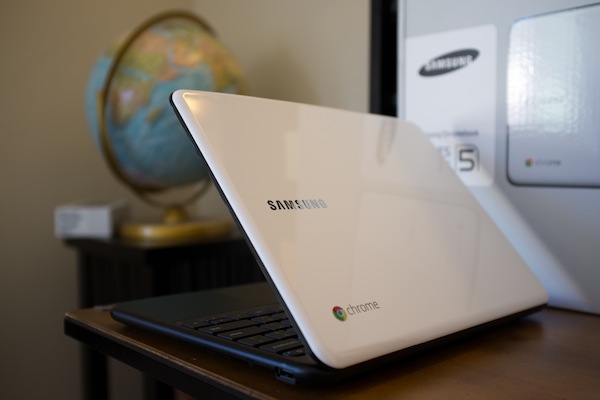
The original Chromebooks launched back in 2011 are reaching the end of their support cycle. With Google offering a fairly generous five years (*) of support and updates, users have had a good run, but the Samsung Series 5 Chromebook is the first device to drop off the support list.
Having been launched in August 2011, Acer AC700 Chromebook will be in a similar position in a couple of months. But it's not entirely clear what will happen. Google says that after five years, automatic updates are "no longer guaranteed", but the company has continued to provide updates for its own devices that originate from 2010.

India blocks Google's plans for Street View in the country amid security concerns
Google's plans to gather Street View data in India have hit a brick wall after the country rejected the company's proposals.
Indian security agencies expressed concerns about plans to send Google Street View cars around the country, taking 360-degree photos along roadways. This is certainly not the first time Google Street View has faced problems, with numerous cases relating to privacy resulting in changes being made to the service.

Google rolls out Android update that brings location-aware Nearby feature to handsets
An Android update is rolling out that makes it easier to take full advantage of location-aware apps. You might be somewhere for which there is the perfect app to enhance your visit, but if you don’t know of its location-specific capabilities, you just might never use it. Enter Nearby from Google.
Google offers a number of example scenarios in which Nearby might be useful. Walk into a CVS, and you could be notified of the in-store photo printing service. Visit a key landmark, and you could enjoy a virtual tour, or learn more about it. Developers are being encouraged to deploy 'beacons' which, when triggered, will either call up a web site, fire up an app, or offer an app download when users are in particular locations.
Buffer overflow vulnerability in PDFium PDF reader affects Google Chrome
The name PDFium might not be immediately familiar, but if you're a Chrome user there's a high chance you're using it to view PDFs. The PDF viewer is built into Google's browser, and a vulnerability has been discovered in the jpeg2000 library which could allow for malicious code to be executed.
Unearthed by Aleksandar Nikolic from Cisco Talos, the heap buffer overflow vulnerability could be exploited by simply getting a user to open a PDF document with an embedded jpeg2000 image. The National Vulnerability Database entry warns that the security flaw affects versions of "Chrome before 51.0.2704.63 [and] allows remote attackers to cause a denial of service or possibly have unspecified other impact via a crafted PDF document".

Google criticized for 'racist' image search results
A Google search for "three black teenagers" seems innocuous enough, but the company has come under fire after throwing up seemingly racist results. Images returned by Google included police mugshots when 'black' was included, but similar images were not present when conducting a 'white' search.
This is certainly not the first time Google has found itself in the firing line for apparent racism. Google Photos offended many people when its AI-powered auto-tagging feature labelled images of black people as gorillas. Flickr has suffered from similar problems with its own labeling system
Motion Stills helps you create GIFs from Live Photos
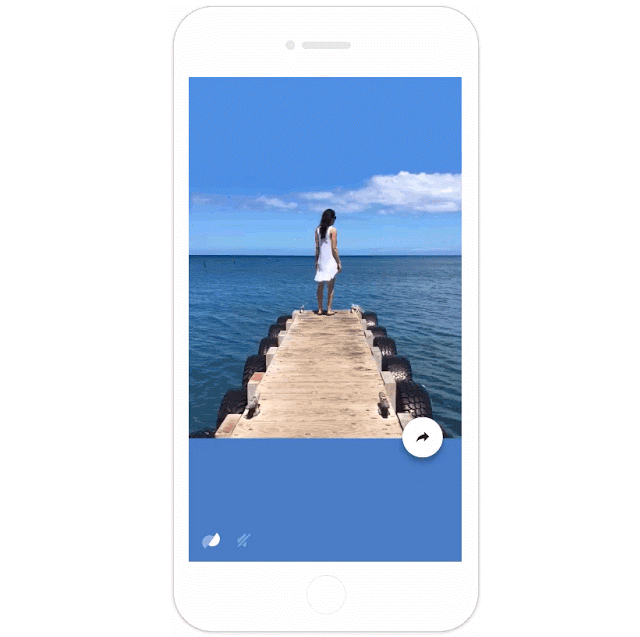
If you like taking Live Photos with your iPhone then you probably want to share those moments with other folks. One of the best ways that you can do that is by converting your Live Photos to GIFs, so that everyone can enjoy them even if they do not have an iOS device or Mac.
By now there are loads of apps that let you do that, but Google believes that there is room for one more. So, its Research arm has introduced Motion Stills, which has a neat little trick up its sleeve.



