Spotify for Chromecast is music to your ears
Music streaming services seem to be a dime a dozen these days, with plenty of choices and new ones cropping up all the time. But how do you pipe that sound through your home entertainment system? There are a number of options, but the latest is Spotify for Chromecast.
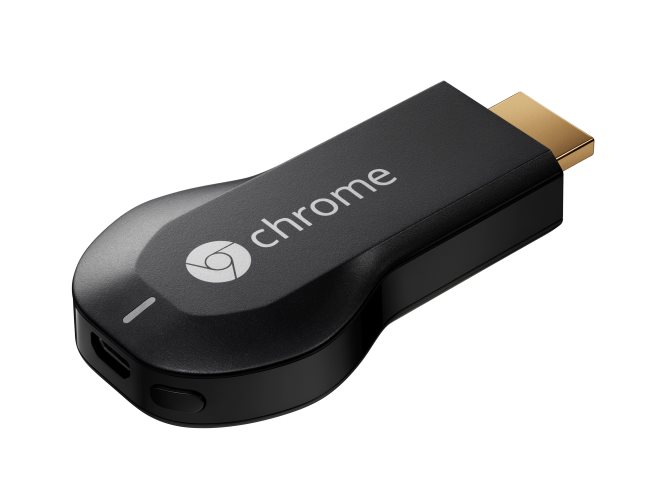
The streaming service is arriving on Google's tiny HDMI dongle, which was just recently updated. Spotify claims this was highly requested and now users can have it.
Sony Xperia Z5 has the best smartphone camera, Google Nexus 6P comes close
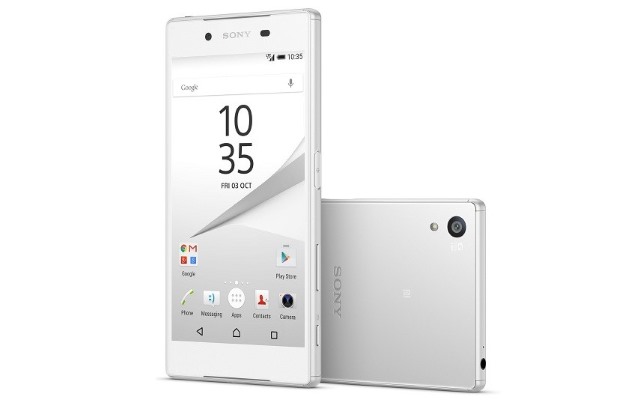
Sony may not have the most popular devices around, but it is not for a lack of quality. Its latest flagship, Xperia Z5, has the best smartphone camera according to DxOMark, outclassing rivals like Samsung's Galaxy S6 edge and LG G4.
Even the lesser Xperia Z3+ is well positioned in DxOMark's mobile chart, coming ahead of the hugely popular iPhone 6 and iPhone 6 Plus. Xperia Z5 has also outclassed the newly-announced Google Nexus 6P, which has to settle for third place. Not too shabby for a Nexus device.
Microsoft and Google drop patent battles and agree to work together
These days, patent lawsuits are ten a penny and big players like Google, Apple, and Microsoft are frequently involved in litigation. Out of the blue, Microsoft and Google have announced that they are burying the hatchet and will no longer pursue patent issues between themselves in the courtroom.
But more than just kissing and making up, the two companies have announced that they will "collaborate on certain patent matters". Quite what this means moving forward remains to be seen, but it could mean that there are some interesting joint ventures on the horizon.
How does Google's Pixel C compare to Microsoft's Surface Pro 3?
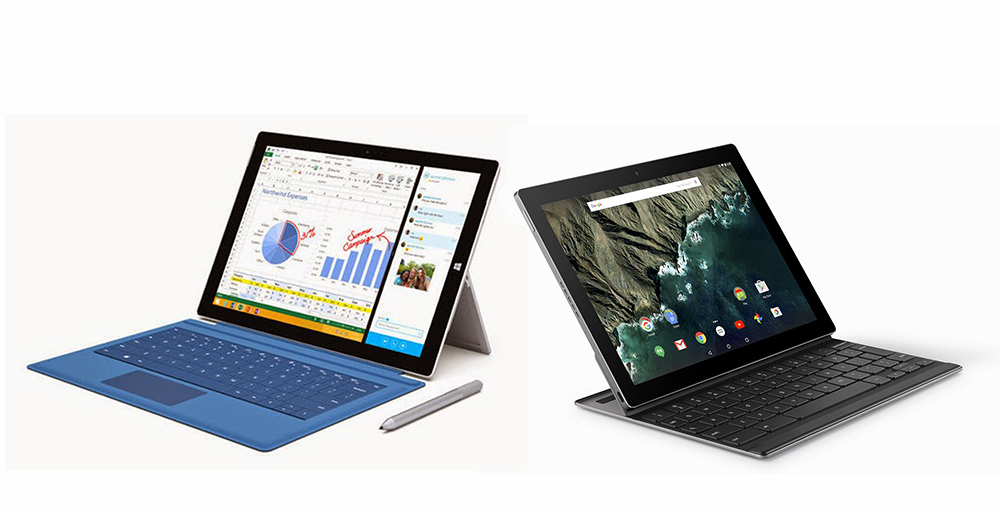
If you want a tablet that can double up as a laptop replacement, there really is no better option than Microsoft's venerable Surface Pro 3. It has been the undisputed king in this segment for well over a year now, and it is easy to see why: it has a big, high-resolution screen, it comes with a stylus, it can take a decent keyboard, its battery life is good, it is extremely fast, and, on top of all this, it can run every Windows program that you want. Nothing comes close, really.
But now that Google has announced Pixel C, its own productivity-oriented tablet, you may be wondering how it fares up against Surface Pro 3. So, let's take a look at the two and see which one is best.
Sling TV is on its way to Chromecast
Yesterday was the big Google event and we got to see new Nexus devices and an updated Chromecast. It was enough to satisfy the geek in most of us, but we always want more, so what's next? Well, an improved Chromecast needs better functionality, right?
Sling TV thinks so and it's bringing its service to the tiny Google HDMI dongle. The service claims that Chromecast support is its most requested feature.
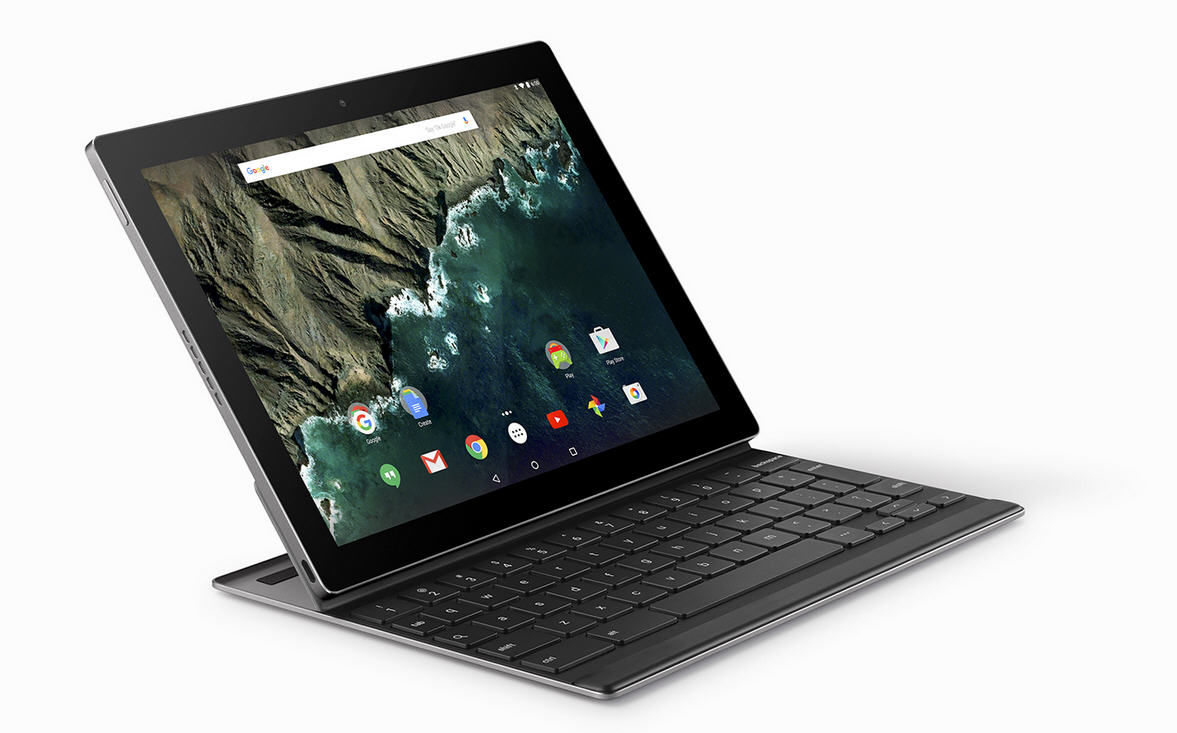
Google's Pixel C: Can Android really compete on the desktop?
Now that Google has shown its forthcoming Pixel C tablet, the question on the minds of many IT decision makers is: Can Android really become a viable competitor to Microsoft Windows on the desktop?
There’s no disputing Google’s success in the mobile space. The billions and billions of Android handset users attest to its dominance. But the desktop is an entirely different animal, a fact the company itself seemed to recognize when it debuted Chrome OS a few years back. That platform gained substantial traction in the education and low priced consumer spaces but received a much cooler reception in the enterprise, ostensibly because of its web-only focus and limited offline capabilities.
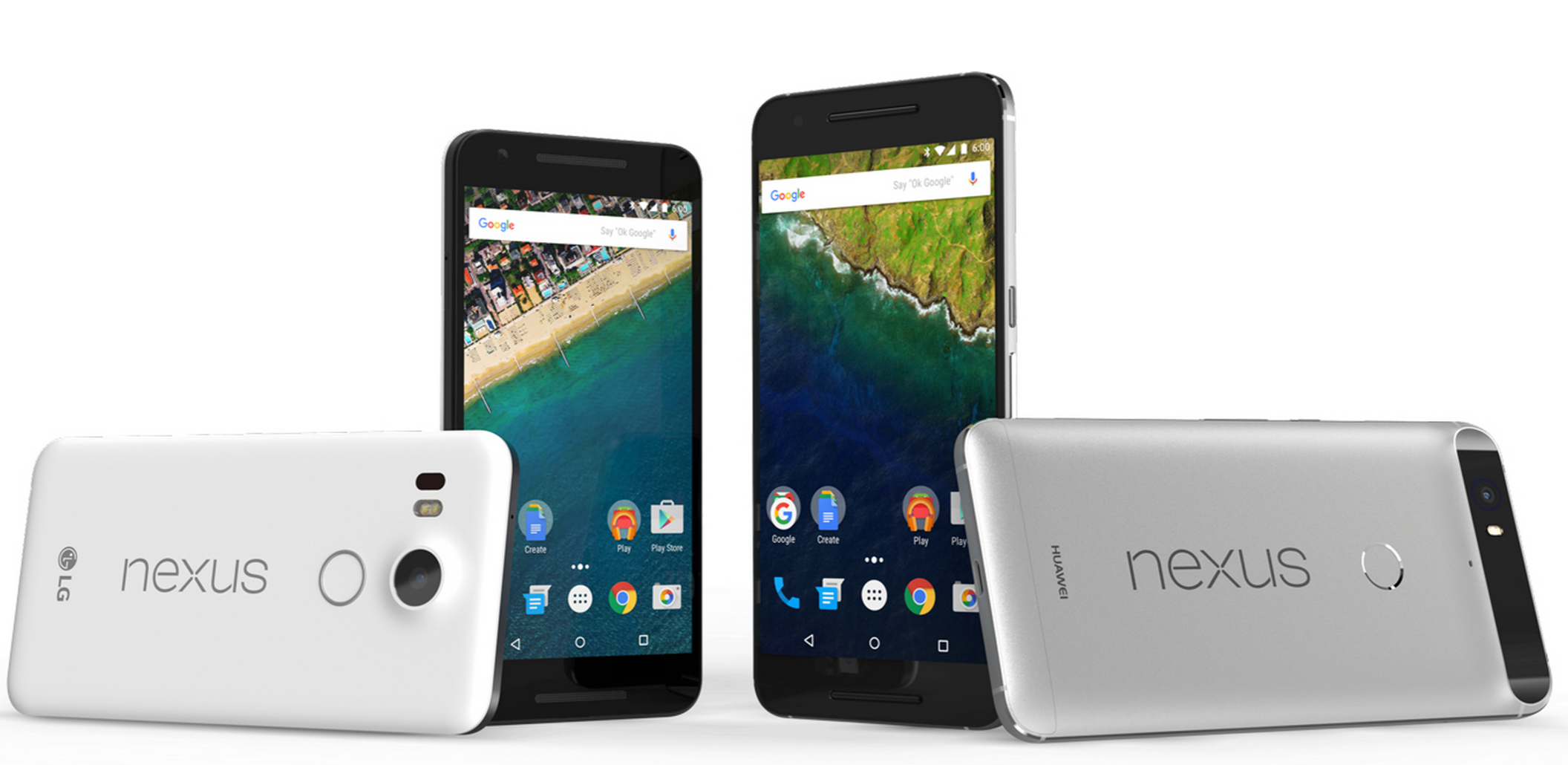
New Nexus owners can remove some Google apps
Google packed today's big annual autumn product launch with loads of news: Nexus 5X and 6P (available for preorder now); Chromecast 2 and Chromecast Audio (for sale today); Google Photo enhancements (rolling out soon); Android 6 "Marshmallow" (arriving on existing Nexus devices next week); and Pixel C tablet (coming sometime before the holidays). Jamming in so much, some things might get overlooked. One seeming tidbit rapped my attention.
Soon after discussing how Marshmallow uses a new permissions scheme for apps, Google veep Dave Burke said: "With the new Nexus devices, we've reduced the number of preloaded apps on the phone, to make the out-of-box experience cleaner and simpler. We've also developed a new system that moves over a quarter of our apps to a post-setup installation phase, which means they can be uninstalled just like any other apps". The implications are interesting.
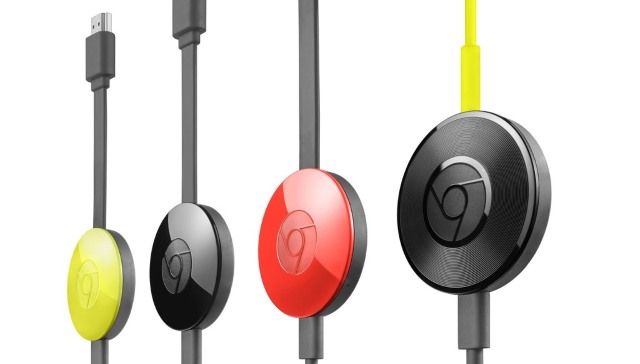
Google unveils Chromecast Audio and faster, redesigned Chromecast
While much of the attention was focused on the Nexus 5X and Nexus 6P at Google's event today, these were far from being the only announcements. Last year, the original Chromecast took the world of media streaming by storm, introducing a low-cost entry point into streaming, and now Google has two new Chromecast devices to show off.
The new-look Chromecast has something of a different appearance to the first generation. This time around, the device is circular and features a short, flexible HDMI cable rather than the rigid design from last year -- this should make the dongle easier to plug into TVs with restricted space. There's also a new product in the form of Chromecast Audio which can be used to stream music to just about any set of speakers.
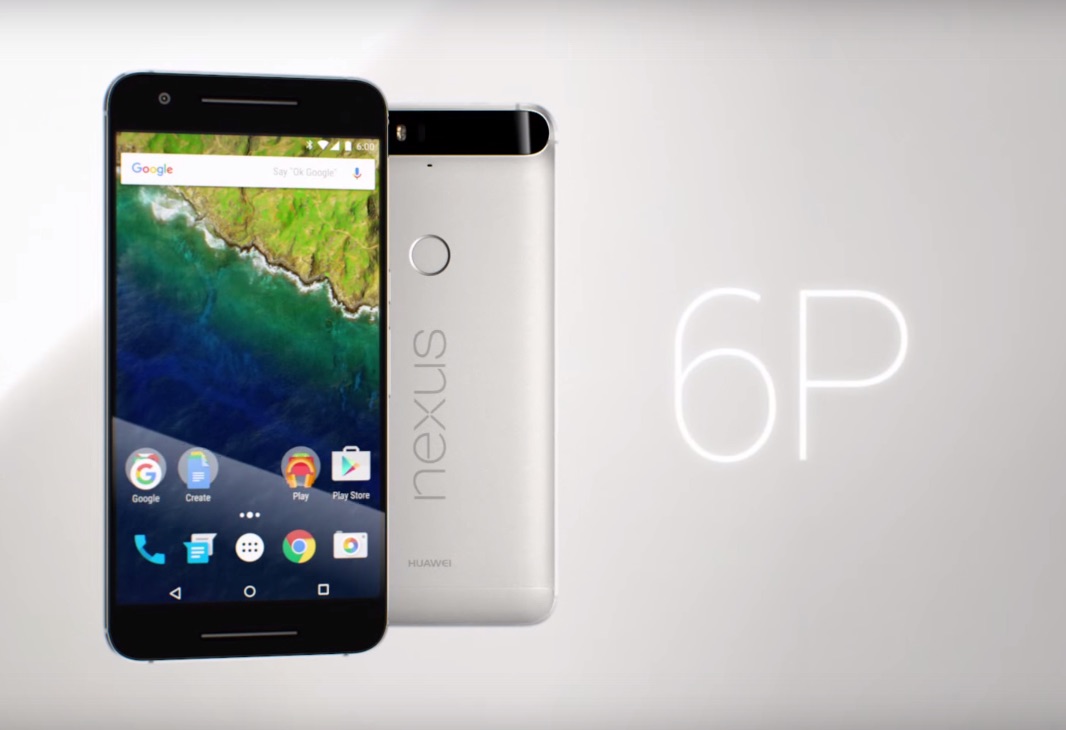
Google reveals Nexus 6P and Nexus 5X price in India
At a media event in San Francisco, Google launches the new Nexus smartphones. Called the Nexus 6P and the Nexus 5X, both handsets come with high-end specifications and several enticing features. While the handsets aren't going to be available in India until later this year, we now know how much money you need if you want to purchase either of the devices.
Google India has -- interestingly -- published the price information of the Huawei-made Nexus 6P, as well as the LG-made Nexus 5X. This is interesting because Google doesn't usually offer this kind of information until it is ready to launch the handset in the country -- at least that was the case with previous Nexus smartphones in India.
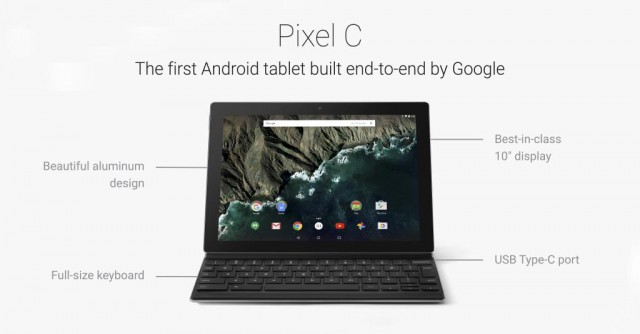
Google launches the Android 6.0-powered Pixel C -- a rival to Microsoft's Surface
In addition to two new Nexus smartphones: Nexus 5X and Nexus 6P, Google at its media event in San Francisco today refreshes its tablet lineup. The company is calling its new tablet the Pixel C which, unlike the Pixel notebook lineup, doesn't run Chrome OS, but instead it runs the "latest and greatest" version of Android: 6.0 Marshmallow.
Unlike smartphones that continue to sell like hotcakes, tablets shipment figures aren't that pleasing. Everyone from Google to Apple to Samsung is struggling to entice users. Which brings us to the recent modern era where companies aren't trying to sell you a large tablet to just consume media content, and do basic emails. They are selling you a device that can be just as productive as the laptop.
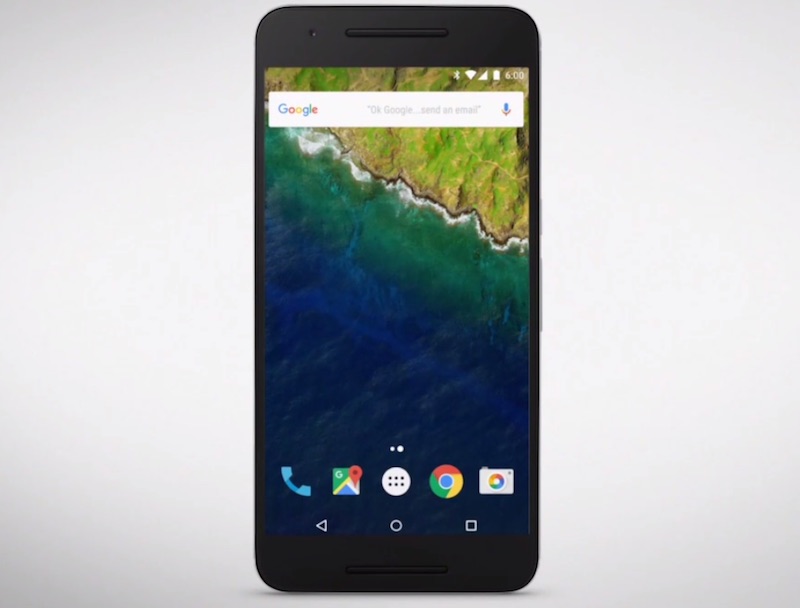
Google launches Huawei-made Nexus 6P and LG-made Nexus 5X
The new Nexus smartphones are here. Google at its media event today in San Francisco announces the Nexus 6P and the Nexus 5X. The Nexus 6P, which has been manufactured by Huawei comes equipped with top-of-the-line hardware modules, while the LG-made Nexus 5X offers major improvements to 2013's Nexus 5.
The real deal is the Nexus 6P, which can truly compete with rivals' flagship smartphones. It looks like the Nexus One, from the design standpoint, and comes with full metal unibody shell. There are four color options to choose from: aluminum, graphite, frost, and gold.
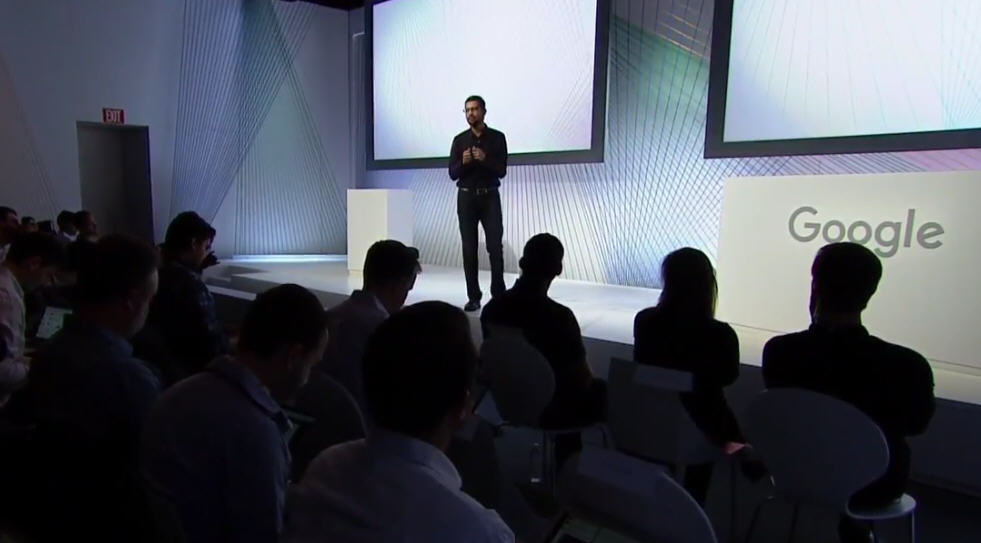
Watch Google's Nexus 5X/6P event here LIVE
Even though pretty much everything you could wish to know about Google’s next generation of Nexus branded smartphones has already been leaked on to the web, the search giant will be unveiling them officially today.
You can expect to see Google reveal the Nexus 5X, a 5.2in smartphone, and the Nexus 6P, a 5.7in device that will be slightly smaller than last year’s Nexus 6. Google is believed to be planning to showcase the Chromecast 2 at the event too.
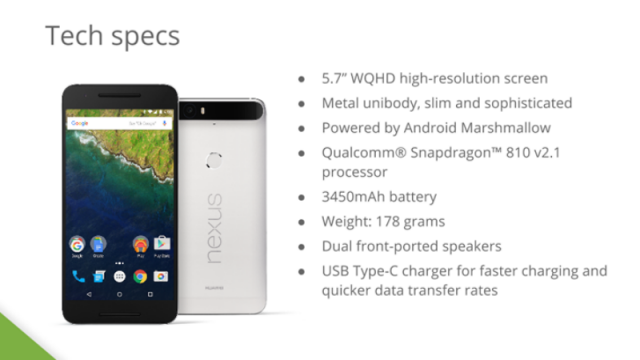
Google Nexus 6P: Official specs and images leak
Hardware specs for the upcoming Nexus phone have been leaked, and it seems Apple will have a tough battle on its hands this time.
Android Police has released what seem to be a couple of slides made for retail employees, with hardware specifications and images of the new phone.

Apple publishes praiseworthy, plain-speaking privacy policies
Perhaps inspired by the backlash Microsoft has faced over privacy concerns in Windows 10, Apple has published its own privacy policies on a new page that's designed to be easy to read. Written in plain English, the site sets out Apple's position regarding privacy in OS X and iOS. As well as touting the steps to which the company goes to protect its customers' privacy, Apple also uses the documents to trumpet numerous security features.
This is Apple riding the waves of interest concerning privacy, using it as an opportunity to get one over the likes of Microsoft and Google. There are promises of "telling you up front exactly what’s going to happen to your personal information and asking for your permission" as well as the offer that "if you change your mind later, we make it easy to stop sharing with us". Sounds great in theory, but does it stand up to scrutiny?
Google Play welcomes 100MB APKs
Google is increasing the maximum APK size in Google Play from 50MB to 100MB. The move comes in response to developers creating apps which offer richer experiences, and helps to avoid the need to download additional data after the initial APK download.
Expansion Files can still be used to allow for apps that exceed the 100MB barrier, but the aim in increasing the base limit is to speed up the installation for users. Now, rather than downloading an app followed by additional updates once the installation is complete, larger apps can now be downloaded and installed in one fell swoop.