Top enterprise concerns raised by so called 'romance' or 'pig butchering scams'
During "romance week" and Valentine's Day, your heart can be stolen in the blink of an eye, and so can your money. The FBI has warned of "romance" scams, centering the bulletin around the celebration of love, which demonstrates that it’s not just a box of chocolates that’s seducing people, it’s scammers and cyber criminals. Staggering new data from the FTC shows that last year, nearly 70,000 people reported a romance scam, and reported losses hit $1.3 billion. The median reported loss was $4,400.
Romance scams are a variation of what’s called "pig butchering," a type of social engineering attack that alludes to the practice of fattening up a hog before slaughtering it. The approach combines some time-tested elements of fraud -- such as gaining trust. It relies on the effectiveness of relationships nurtured on social media and the ease with which currencies can be moved electronically. In simpler terms, scammers are posing as lovers, gaining the trust of their fake beau, and then asking them for money for gifts, procedures, plane tickets, you name it.
Detection and protection from crypto romance scams
You likely know what risks you face if you invest in cryptocurrency. The crypto market is highly volatile, and its decentralized status means no central authority backs the value of digital currencies. Another threat to investors is crypto romance scams.
Anyone who owns any form of cryptocurrency is a potential target for crypto romance scams. Here’s how to detect them and strategies to protect your finances from malicious cybercriminals.

Top 5 holiday season fraud trends
With International Fraud Awareness Week and the holiday shopping season officially underway, analysts and retailers are diving into customers’ shopping habits. But it’s not just legitimate customers retailers need to be aware of, as fraudsters are just as keen on holiday shopping -- and they're already hitting online stores.
Here are some of the top trends I'm seeing as we enter the peak of the holiday shopping season.

Cybercriminals looking to score with World Cup scams
With Black Friday and the holiday shopping season this is always the peak time of year for scammers to try to fleece the unwary. But this year there's also the FIFA World Cup in Qatar to add to the mix.
Leaving aside the debate over whether the tournament should have been held in the Gulf state in the first place, researchers at Kaspersky have been looking at the scams aimed at stealing football (soccer for Americans) fans' identity and banking details.

YouTube promotes a 'live' crypto scam for Taylor Swift
On my YouTube home page at the moment is a promoted 'live' ask me anything from Taylor Swift. Seeing as her latest album Midnights is currently breaking records everywhere, that’s not surprising.
The thing is this live video isn’t what it seems to be.
Deepfakes and crypto scams are on the rise
The first quarter of 2022 has seen a rise in cybercriminals deceiving victims through new deepfakes and crypto scams to gain access to their financial or personal information.
The latest quarterly Consumer Cyber Safety Pulse Report from Norton Labs reveals deepfakes -- computer-generated images and videos -- are on the rise and being utilized by bad actors to spread disinformation.
Outsmarting the new generation of online fraudsters [Q&A]
Millions of dollars are lost to online scams each year and the fraudsters are getting ever more sophisticated in the targeting of their attacks.
Much of today's fraud is executed using information about the consumer's habits and personal details, usually captured in phishing attacks or data breaches. The fact that we’re conducting more of our transactions online as a result of the pandemic has created even more opportunity for fraudsters.

Protecting voice communications from fraud and deep fakes [Q&A]
The UK's National Computer Security centre (NCSC) has recently issued new guidance on secure communications for voice and video calls and SMS in order to help protect consumers from scams.
UK telecoms regulator Ofcom has also announced a crackdown on scam phone calls using fake numbers as their volume has soared during the pandemic.

As secondhand mobile phone sales surge, here's how buyers can protect themselves from scams
The second-hand device market has been on a tear over the past few years as a growing number of consumers opt for pre-owned mobile phones over brand new. Posting nearly 10 percent growth in 2020, the market is expected to grow an average of nearly 12 percent more over the next 2 years, reaching $65 billion by 2024.
Amid this steady uptick, it’s no surprise that purveyors of used devices are also growing fast to meet demand. Most notably, one of the largest used device marketplaces, French-based Back Market, just landed a $510 million Series E investment, launching the company to a $5.7 billion valuation. And Back Market is far from the only game in town. Amazon and eBay are also big players in the $17 billion used device market, in addition to mobile carriers and the device makes themselves, like Apple and Samsung.

Crypto trading scam targets iPhone users looking for love
Researchers at Sophos have uncovered a cryptocurrency trading scam that targets iPhone users through popular dating apps, such as Bumble and Tinder.
Researchers have code-named the threat 'CryptoRom' and have discovered a Bitcoin wallet controlled by the attackers that contains nearly $1.4 million in cryptocurrency, allegedly collected from victims.

2021 set to be the year of the vaccine scammers
The roll out of vaccines is seen as the light at the end of the tunnel of the COVID-19 crisis, but like any major event it's also an opportunity for scammers and cybercriminals.
Deep learning-powered fraud prevention company Bolster has released a new report which finds that leading indicators foreshadow a raft of COVID-19 vaccine scams.

Parcel delivery phishing scams up 400 percent in November
Researchers at Check Point have seen a 400 percent increase in phishing scams using DHL, Amazon and FedEx branding to try to get people to part with information during the peak online shopping period.
Two weeks ago, Check Point researchers documented an 80 percent increase in malicious phishing campaigns targeting online shoppers with 'special offers.' The latest spike uses subject lines like 'track your shipment' and 'delivery problem.'

Job search scammers and you
Some people have no shame. It wasn’t a year ago that I was approached by an Internet scammer posing as a job recruiter for a medium-sized New England IT firm. In that case, someone claiming to be a Ms. Kirsten Lambert contacted me through ZipRecruiter’s email service about a position with Belcan, LLC, and I spent several days "interviewing" for this bogus position until I finally called them out on their lies.
Now they’re back. Maybe not the same scammer, but one using a similar modus operandi (you’d think these idiots would maintain a database of blown "marks," but I digress). This time around it was a direct email from a "Stephanie Serra," ostensibly from the recruiting firm SourceLast. The message indicated that they had found my resume on Hired.com and that they wanted to know if it was up to date and if I’d be available for an interview this week.
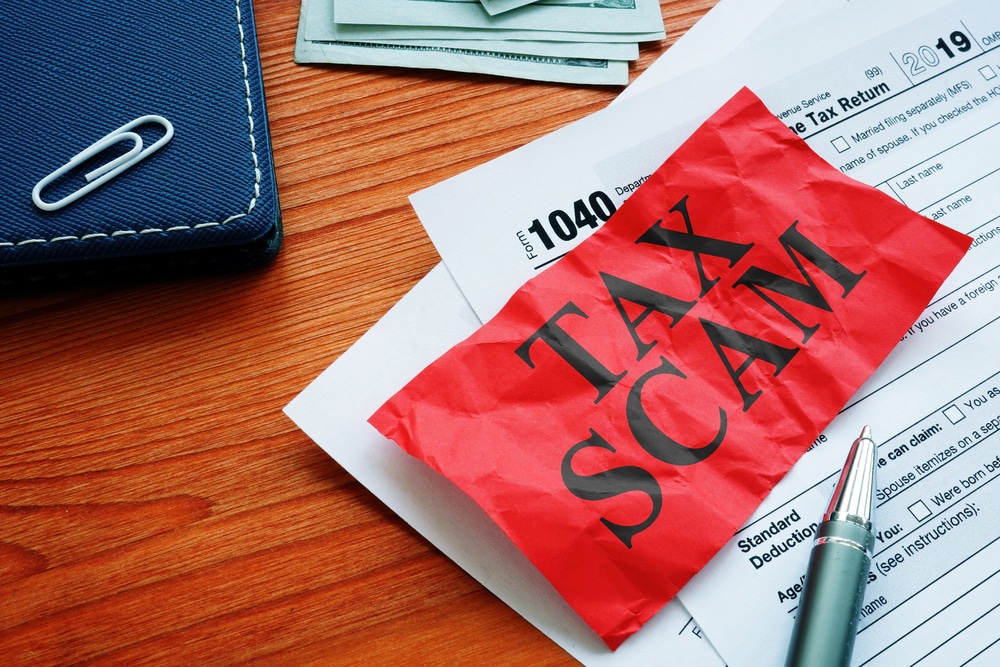
Tax season is on, so are the scammers
The Better Business Bureau (BBB) recently issued a statement confirming that it is the busiest time of the year not only for the IRS, but also for bad actors trying to scam their way into people’s tax refunds. According to the BBB, the earlier you file your taxes, the lesser the chances of someone stealing your identity and claiming your tax returns. Unfortunately, a high percentage of everyone filing leave it for the last moment -- which will be July 15 this year -- and these are precisely the people scammers are targeting.
During tax season, many Americans wait on hefty refunds from the government. According to a survey done by NerdWallet, more than two out of five people said they prefer to overpay their taxes and get a refund. When scaled up to a national level, this means that the IRS is currently issuing refunds to staggering 80 million people. With major data leaks observed over the previous years, we’ve seen that scammers can quickly complete the puzzle of a person’s identity and get access to their cash. So, what are the top tax scams going on at the moment?

Election scams get creative and voters take the bait
The upcoming US presidential election is wrought with emotions. That makes it the perfect ruse for email scams targeting citizens, politicians, and government organizations. While election phishing is the top concern, there are a host of other scams that are making the rounds.
Your favorite politician -- or the one you’re most likely to vote for -- needs money to successfully run their campaign. Hackers are relying on our devotion not only to politicians but to our affiliated political party to lure us into a trap.