
Automattic temps bloggers with WordPress.com Business
Automattic has a new premium WordPress.com option that just might be right for many small businesses and entrepreneurial types. The blogging service today announced a $299 per-year plan that includes your domain (rather than, say, poopydiapersdontstink.wordpress.com); access to advanced design tools and fonts; unlimited premium themes (which otherwise cost separately); photo and video uploads and galleries; unlimited storage, supporting those photos and videos; live support (yes, real people); and no WordPress placed ads (which appear on free sites).
I don't blog personally anymore -- just BetaNews or Google+ posts now -- but still pay a reputable hoster 20 bucks a month to keep my WordPress site and archive active. For $60 a year extra, I could get a whole lot more and all the other benefits the blogging service offers, such as WordPress.com promotion, following and sharing.

Google reveals how often the Feds ask for your personal info
Google is characterized in some many different ways. While some of us look to the Mountain View, Calif.-based company as our savior, others refer to it in terms like "Skynet" -- the computer and artificial intelligence system that runs the world in the Terminator movie series. That latter reputation is one Google tries hard to change; Transparency Reports are example.
Today, Google's Legal Director, Richard Salgado, announced that the company will be adding National Security Letters to its report. "When conducting national security investigations, the U.S. Federal Bureau of Investigation can issue a National Security Letter (NSL) to obtain identifying information about a subscriber from telephone and Internet companies", stated Salgado.

Scroogled isn't dead, it's just beginning
Contrary to rumors yesterday, Microsoft has not abandoned its "Scroogled" marketing campaign, despite sharp criticisms. My colleague Wayne Williams calls the attacks against Google a "sad and frankly pathetic strategy".
If the statement a Microsoft spokesperson has given to BetaNews is any indication, the campaign will get more aggressive than it is today: "Scroogled will go on as long as Google keeps Scroogling people. We know Google doesn’t like it when the facts come out. Chapter two of the consumer education campaign has shown people care about their privacy. More than 3.5 million people visited scroogled.com, and nearly 115,000 people signed a petition asking Google to stop going through their Gmail. Stay tuned for the next chapter".

Twitter is a liberal echo chamber
I certainly cannot speak for everyone, but for me, Twitter is the go-to news source. Yes, the service does get pwned sometimes, but more often than not, what is reported there is real and ahead of services like CNN. I also use the social network for weather updates and sports news from the beat reporters who cover my favorite NFL team. Twitter is great for this type of information.
However, according to a new report just out from Pew Research, when it comes to public opinion, Twitter leans decidedly to the left. BetaNews is not the place for politics, and I will not opine on what I think of that leaning -- only that the study makes a clear case.
How I came to love Windows again
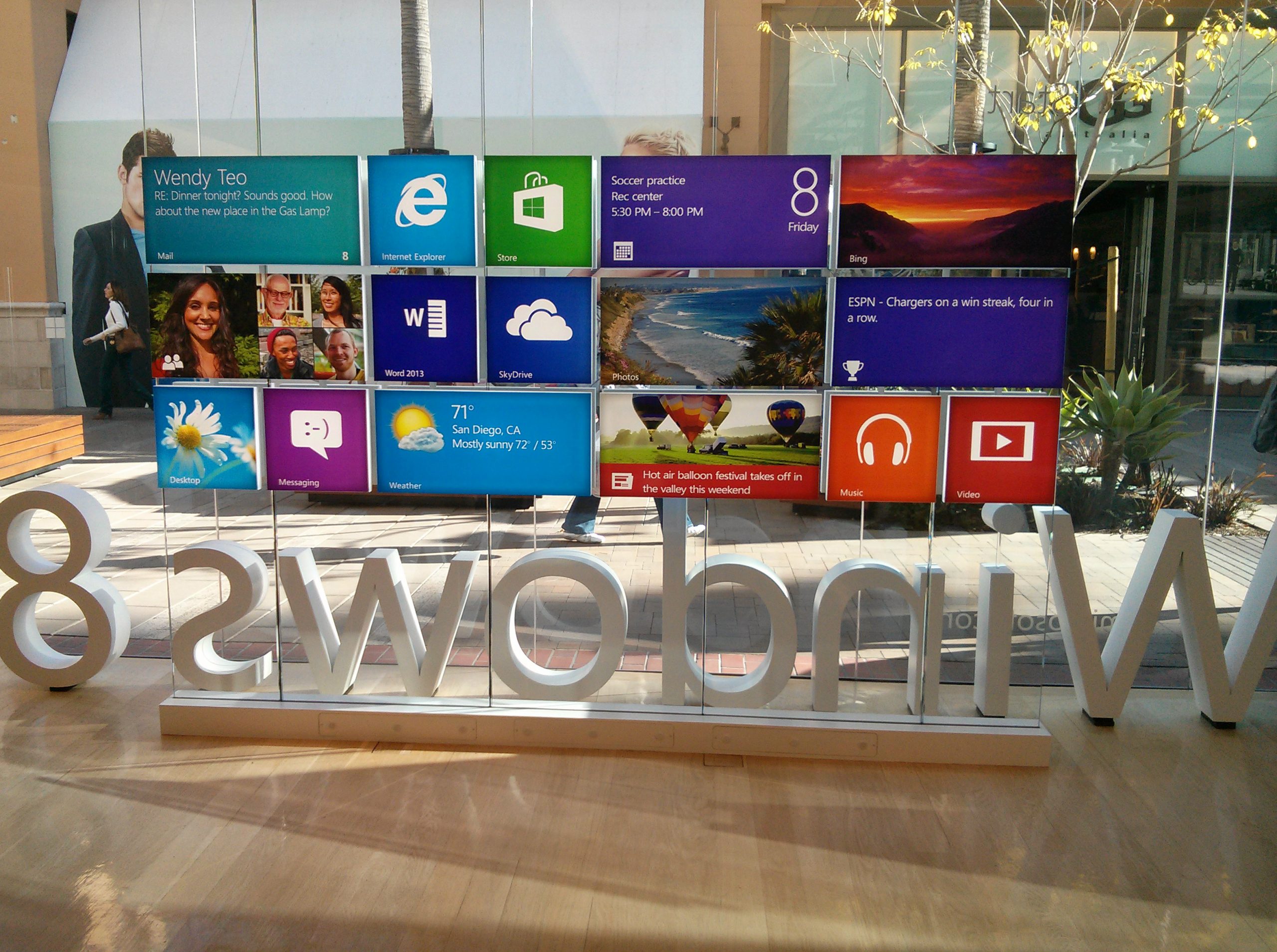
Two words: Surface Pro. For most of February, I used Microsoft's Windows 8 Pro tablet as my primary PC and loved the experience.
I haven't felt so good about using a Microsoft operating system for a decade. Actually, I've never felt like this. Windows 8 Pro is simply amazing when experienced on the right device, and starting point is touch. Modern UI really works for me. Windows 8's visuals are stunning, making a truly satisfying and fun place to work. I enjoy working on Windows 8, which pretty UI beckons me to come back again and again.

Microsoft set to demo Windows Embedded 8 Industry this week
Microsoft has visions of the "intelligent grocery store" and this week the company will put those dreams into motion at the Retail Tech Japan trade show. The show is described as "a vast collection of cutting-edge retail information technology ranging from store systems (e.g., Point-of-Sale registers) to head-office systems, in-store promotion devices, RFID / IC tags, backyard systems and logistics".
Today, Microsoft's John Boladian, marketing director for Asia Pacific and Greater China, announced that the software giant will be running a series of demos showing off Windows Embedded 8 Industry. The new version is set to replace the older Windows Embedded POSReady 7.
BBC bringing iPlayer to Windows Phone 'soon'
The BBC’s excellent on-demand and catchup TV service iPlayer is available for both iOS and Android devices, although owners of phones and tablets running Google’s mobile OS remain slightly short-changed when it comes to features compared to their Apple OS counterparts.
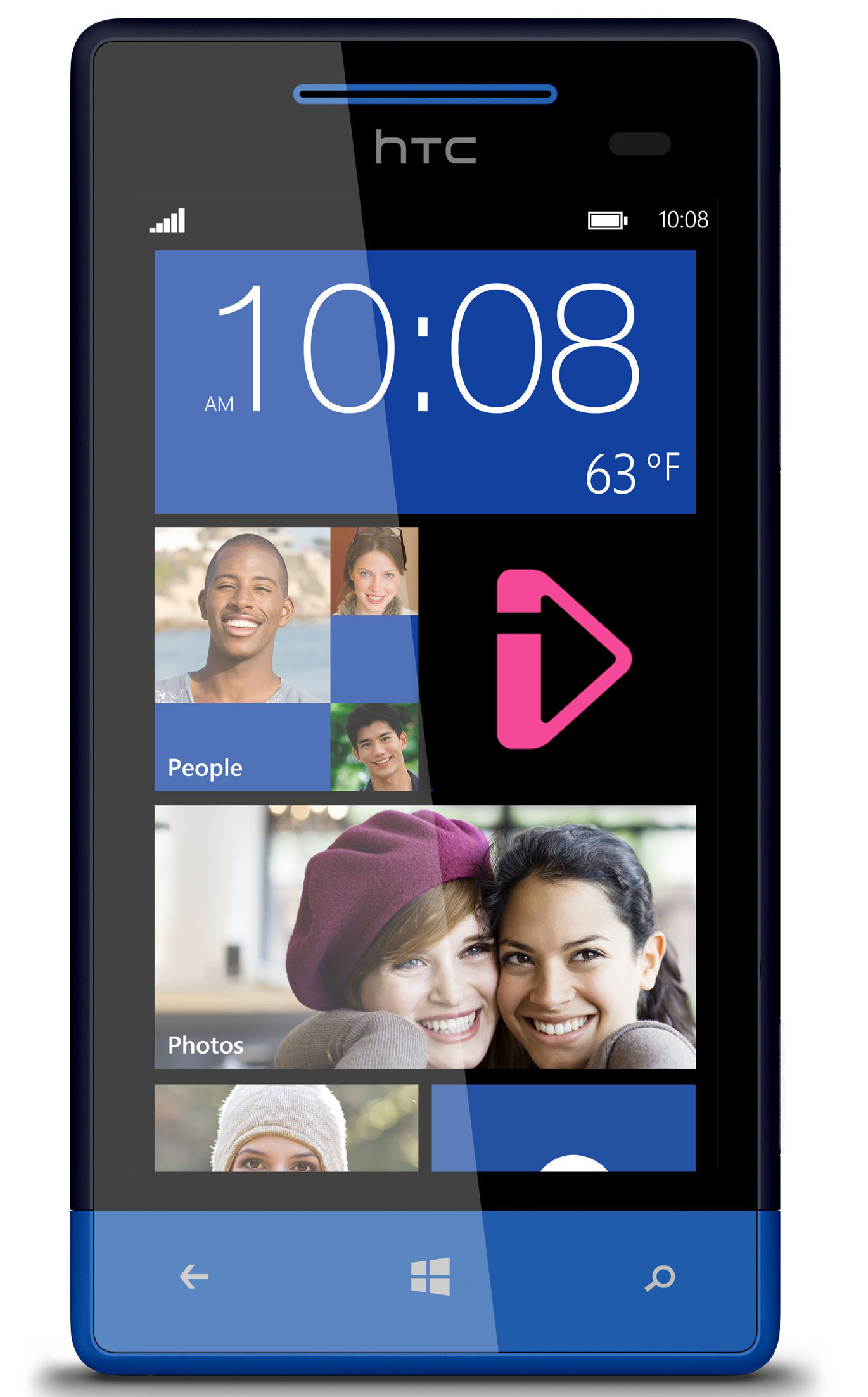
Windows Phone users must feel perpetually short-changed at the moment I’m sure, but they too will soon be able to get iPlayer. There’s just one catch. Instead of releasing a dedicated app for Microsoft’s mobile OS, the BBC will be rolling out a shortcut application that will give users with a Windows Phone 7.5 or Windows Phone 8 handset access to the BBC iPlayer website via a live tile. According to Cyrus Saihan, Head of Business Development, BBC Future Media, "This shortcut will wrap the BBC iPlayer mobile website together with our media player.

Verizon Samsung Galaxy Nexus, meet Android 4.2.2 Jelly Bean
Little less than a week ago, after replying to tweets from disgruntled users, Verizon revealed that the Galaxy Nexus will "soon" receive a software update. The big red did not provide any specifics and, judging by its past track record, "soon" means "months down the road" as updates usually roll out with the speed of a snail cruising down the highway in rush-hour traffic.
But great news! Well, sort of. Less than a month after Google rolled out Android 4.2.2 Jelly Bean for the other Nexus devices, the Verizon-branded Galaxy Nexus has also received the latest iteration of the green droid operating system albeit via an OTA (Over-The-Air) update file. The OTA update was uncovered by enthusiasts, but comes straight from Google's servers which means that it might hit all devices "soon" (as Verizon likes to say).
Green Throttle turns the Kindle Fire HD into a games console, Samsung Galaxy S III next
This year is certainly going to be a big one for games consoles, with a new PlayStation and a new Xbox (rumored) to be arriving before Christmas. But it’s Android-based gaming systems that’s the big trend at the moment, with the likes of OUYA and GameStick grabbing their fair share of the headlines.
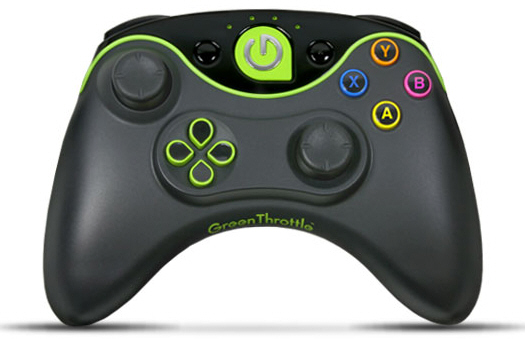
Green Throttle is another Android games system, but it’s one that doesn’t require you to make space for a dedicated console under the TV. Instead you just need to buy one or more Green Throttle Atlas controllers, download the free Green Throttle Arena app from the Amazon Appstore, and hook up your Android tablet to a TV using a micro HDMI cable.
Opera launches WebKit-based browser beta for Android
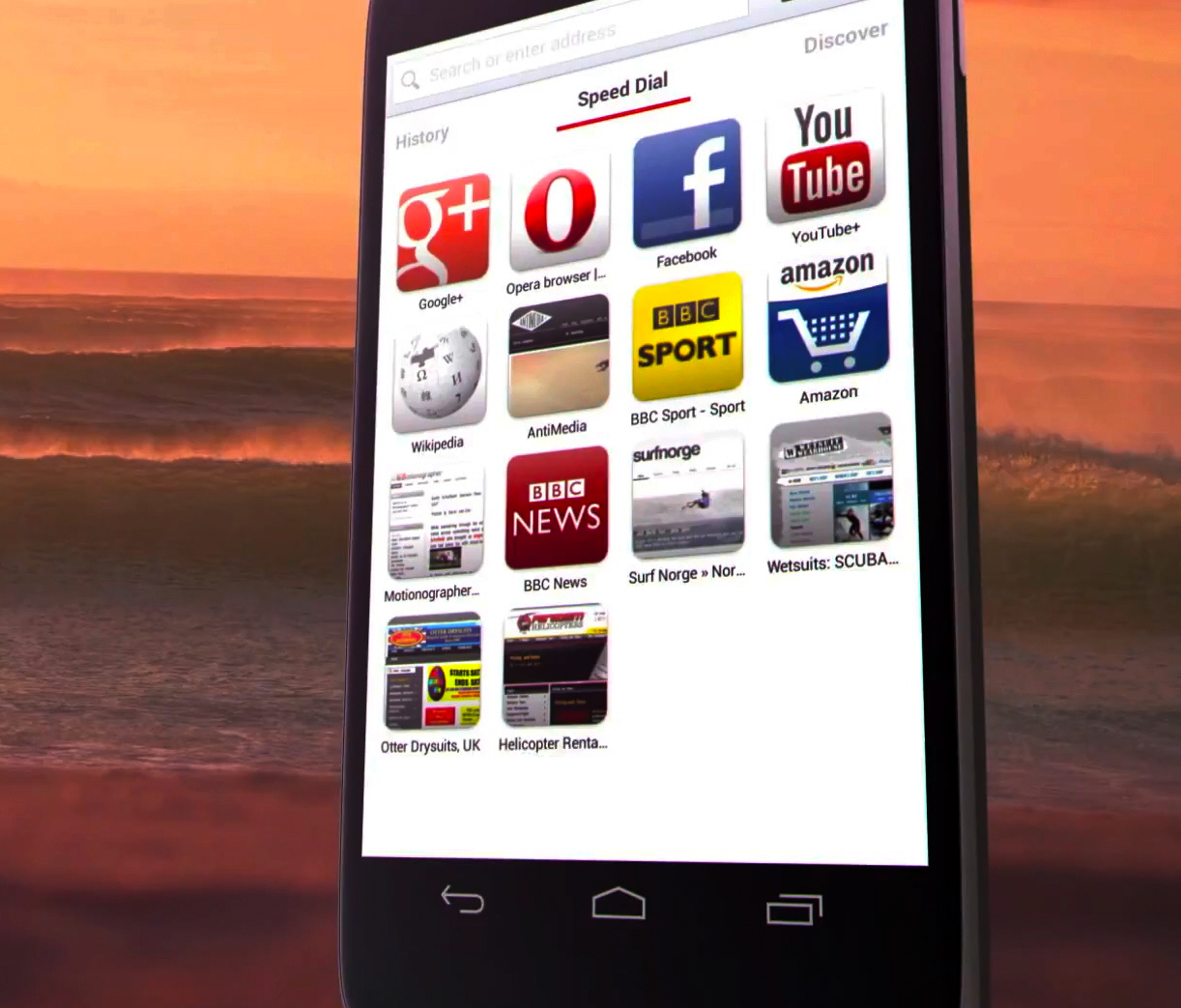
Three weeks ago, Norwegian browser maker Opera Software announced a major change in the company's philosophy, moving from the in-house Presto rendering engine to the open-source WebKit for all future Opera releases. The transition will be gradual but on Tuesday Opera took the first steps towards a Presto-free era.
The developer demoed a preview version at Mobile World Congress (MWC) in Barcelona in late-February, and days after the convention finished Opera browser beta (not a very catchy name) made its way onto Google Play rocking that shiny WebKit engine. Judging by initial user feedback, the company appears to have hit a home run, as the app now has more than 190 five-star ratings out of a total of 275 and an average mark of 4.5. Not bad for an early-development build.
Check your network details with NirSoft’s NetworkInterfacesView
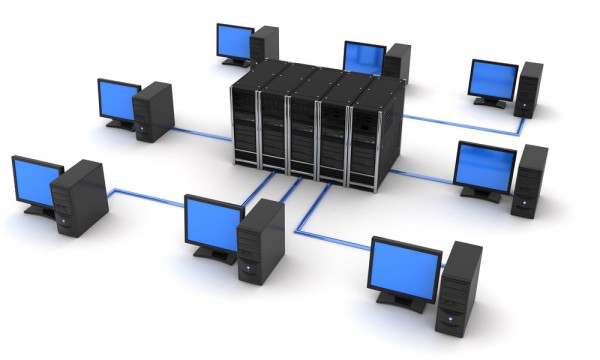
When you’re troubleshooting a network problem then it often makes sense to take a look at your network adapters, and all their associated details. But Windows doesn’t make this nearly as easy as it should. The information is available, but very fragmented, so you’ll probably have to browse various Control Panel applets and run a few command line tools to get the details you need.
Fortunately there now an easier way, though, in the shape of a new tool from NirSoft, NetworkInterfacesView.

CyanogenMod 10.1 M2 -- second monthly release -- is available
We've had to wait a tad longer than expected, but it's finally here. The team behind the popular custom Android distribution CyanogenMod unveiled the second monthly release based on Android 4.2 Jelly Bean, more than a month after the last build.
Like it usually happens with monthly builds, with CyanogenMod 10.1 M2 the focus is on stability improvements rather than introducing numerous new features that have yet to pass rigorous testing. As a result some of the latest features found in nightly builds may be left behind for future monthly releases in order to provide a custom Android distribution suited for daily-driver use.

The White House agrees -- you should be able to unlock your phone
You asked and, this time at least, the government listened. Back in January, the legality of unlocking one's cell phone was rolled back after the Library of Congress failed to renew a 2006 ruling, letting it to expire. The outcry could be heard round the world, as the saying goes.
These days, though, Americans have an outlet for their distaste -- the government's own "We the People site". And citizens visited that site in droves -- 114,322 of you demanded that the White House re-evaluate this ridiculous (my word, not the carriers') law. The petition laid out the gripe in plain words -- "Consumers will be forced to pay exorbitant roaming fees to make calls while traveling abroad. It reduces consumer choice, and decreases the resale value of devices that consumers have paid for in full".

PC shipments go from worse to, well, you don't want to know
IDC sure knows how to ruin a Monday. The analyst firm released final personal computer shipment tabulations for fourth quarter and all 2012 and made a dismal forecast for this year. If you're as tired of reading "PC is dead" stories as I am writing them, cover your eyes. Read no further. The horrors ahead are unbearable.
Global shipments will decline for the second year in a row in 2013, with Windows 8 giving no perceptual lift at all. Holidays were a bust, as will be the year. You can't fault Microsoft for trying, but there is only so much water you can throw off a sinking ship with buckets before it plunges beneath the waves. Perhaps only the rumored Windows Blue can save the PC now, but Win8 was supposed to do that -- and look what happened. When an analyst firm uses "underwhelming reception" to describe a Microsoft operating system, it's time to abandon ship.

Microsoft updates Azure Enterprise Management
Just last week Microsoft began rolling out the Azure service in 25 new markets around the world, but the updates have continued today as Microsoft continues to move forward in its competition with services like Amazon S3, Google Cloud Platform and others. Today the company's Azure Director, Alex Simons, announces updates to the identity and access management capabilities in Windows Azure.
The service gains three new features -- the ability to manage users and their access rights in the Windows Azure Portal; preview of the new phone based two factor authentication for users who are Global Administrators in Windows Azure AD; and the ability to manage the synchronization and federation between your Windows Azure Active Directory and Windows Server Active Directory from within the Windows Azure Portal.