
Switching from Google to Microsoft, part 4 -- In with the Bing
Fourth in a series. Before I switched to using Bing full time my view of Microsoft’s search service was that it was a slightly less reliable alternative to Google, but with some smart touches. I’ve been using it for over a month now and -- spoiler alert -- I actually really like it. Although it’s far from perfect.
As a Brit I do have a gripe with Bing though, and that’s it presents me with two choices. I can set my country to UK and get results that relate more to my life, or I can set it to the United States and get an all-round better search experience. Seriously, what’s THAT all about, Bing?

Google celebrates Earth Day with animated Doodle
While I tend to visit the Google site daily, it is not to conduct a search -- I can do that from the Omnibar in Chrome -- but to simply to see if there is a new Doodle. Perhaps a silly reason, but it only takes a couple of seconds and sometimes I am rewarded with a small bit of entertainment.
With today being Earth Day, which was first held on April 22nd 1970, I expected a nod from the search giant and I was not disappointed.
Bing answers malware critics
Earlier this week word hit the web that Bing search results display more malware than Google. Naturally, Microsoft disagrees. "AV-TEST’s study doesn’t represent the true experience or risk to customers. In other words, the conclusions many have drawn from the study are wrong", David Felstead, Bing senior program manager, says. Okay, why?
Felstead elaborates: "By using the API instead of the user interface, AV-TEST bypassed our warning system designed to keep customers from being harmed by malware. Bing actually does prevent customers from clicking on malware infected sites by disabling the link on the results page and showing the...message to stop people from going to the site".
Google Q1 2013 by the numbers: $13.97B revenue, $9.94 EPS
Google may be a company of many personalities -- browser and operating system developer, connected-device manufacturer, fiber-optic Internet servicer, search giant and social network, among many others. But the core business is still about one thing: Advertising, as calendar first quarter results, delivered today after the closing bell, show.
Revenue rose 31 percent to $$13.97 billion, year over year; operating income, excluding Traffic Acquisition Costs, was $3.48 billion, up from $3.39 billion. Net income climbed to 3.35 billion up from $2.89 billion. That's $9.94 earnings per share, including costs associated with discontinued operations.

Bing searches throw up more malware sites than Google
We all know that search engine results can sometimes serve up malware, but if you’re using Bing you’re five times more likely to get malicious links than if you’re using Google.
In an 18-month study, independent German lab AV-Test discovered that all search engines sometimes serve up Trojans and other malware amongst their results despite the search providers' best efforts to prevent it.

FairSearch files complaint against 'Google's anti-competitive' mobile strategy, in the EU
FairSearch, a coalition comprised of 17 global businesses including Expedia, Kayak, Microsoft, Oracle, Nokia and TripAdvisor, has announced that it has filed a complaint with the European Commission (EC) against Google, citing an "anti-competitive strategy" and consolidating "control over consumer Internet data for online advertising" in the mobile space.
FairSearch uses two reports from Strategy Analytics (SA) and eMarketer to base its claims. According to the coalition, Google exerts its dominance in the mobile operating system space with Android, which held a 68.4 percent market share in 2012 per SA, and in mobile search advertising, which eMarketer says Google dominates with a 96 percent market share.

Game time: Bing talks NCAA championship
Tonight is the big game, the culmination of March Madness despite the month having changed to April. It is one of the most heavily followed sports tournaments and betters win and lose fortunes with their brackets. This year Louisville and Michigan square off on the court for a chance at history.
While Bing, the Microsoft search engine, does not pretend to make predictions about which college will emerge on top when the final buzzer sounds, the service did release a bit of data about what fans are searching for in the time leading up to the showdown.
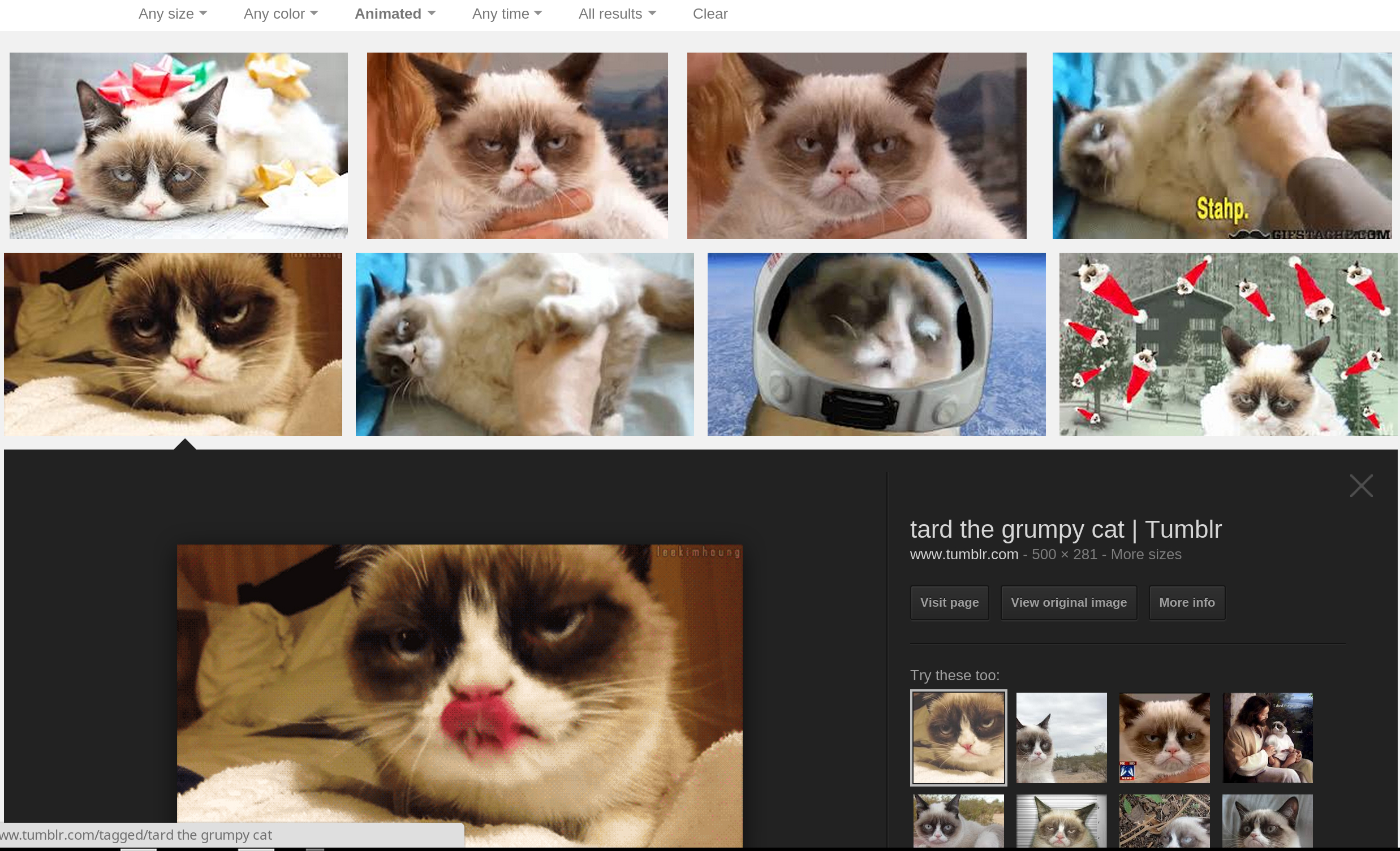
Space invaders, save us from ourselves! Google adds animated-gif search
When I first started using the web full time 19 years ago, few pages had movement. Then browsers supported animated gifts, which on many sites were gaudy things. You could count on them to add a touch of crass, no class, to any webpage. MySpace anyone? My disdain, and I'm not alone in this, for animated gifs goes back nearly two decades.
Funny thing, the moving clips are in-style thanks to better authoring tools and social sharing. Many animated gifs are still gaudy, but who really minds getting one as a joke from friends. Now they're easier to find using the planet's most popular search engine.
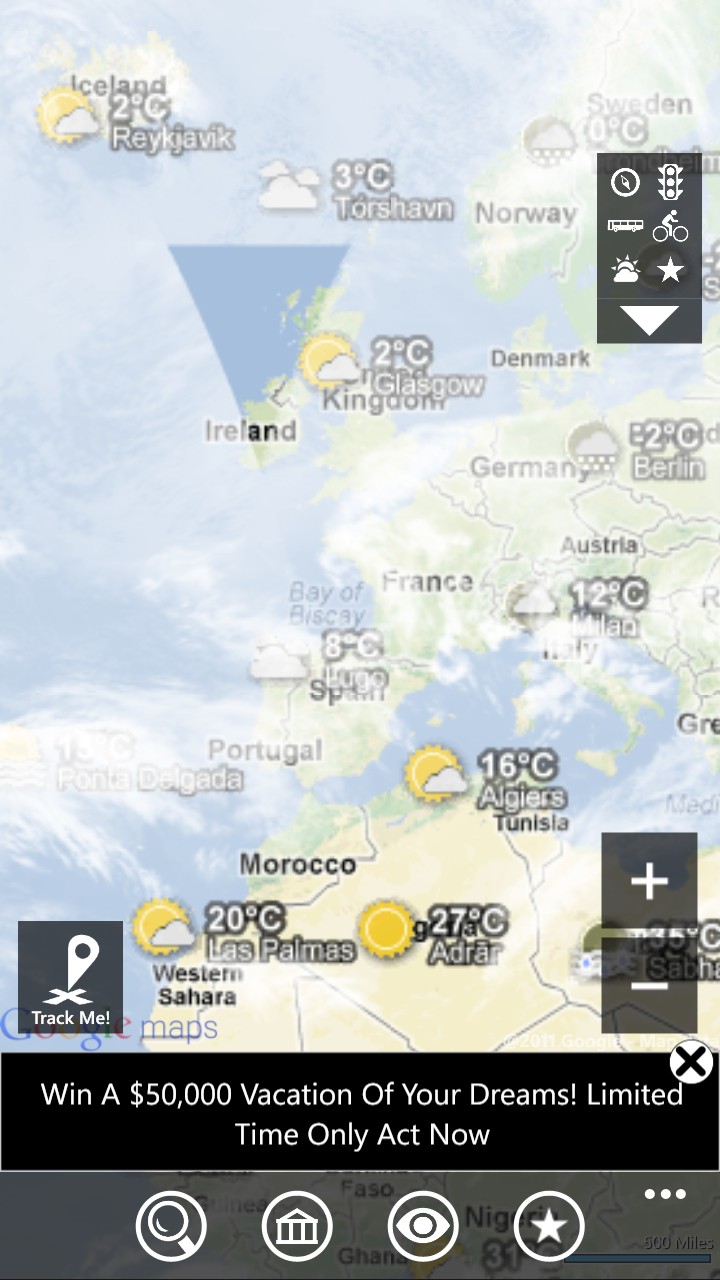
Third-party alternatives to official Google apps for Windows Phone 8
If you're the sort of person deeply rooted in Google services, at first glance migrating to Windows Phone 8 from either Android or iOS can be a total drag. The information giant has released a single app so far, which can be used to search the web, but nothing else. Luckily, there are plenty of third-party alternatives to choose from that offer decent and sometimes superior experience for Google users.
But finding the right replacements can be tricky, as the Windows Phone store features more than 130,000 apps and a simple search query returns many results of variable quality -- some great, some not so great. To make your job easier, I've prepared a list of Windows Phone 8 alternatives to traditional Google apps, ranging from Google+ to Google Maps, Google Reader and even YouTube.

Microsoft brings Facebook to Bing Desktop
Microsoft rolled out its Windows 8 version of Bing Desktop in late 2012 and brought with it the cool wallpapers that are a part of the search engine's home page. Now, the company has quietly updated the app with another major feature -- Facebook integration. Without any announcement, version 1.2.113.0 launched, but has yet to find its way to all users.
The app is not all about the wallpaper, though that was my main reason for installing it upon original release. Bing Desktop also lets you conduct searches right from the desktop without opening any browser, as well allowing access to the top news stories, images, video and other popular content.

Google reveals how often the Feds ask for your personal info
Google is characterized in some many different ways. While some of us look to the Mountain View, Calif.-based company as our savior, others refer to it in terms like "Skynet" -- the computer and artificial intelligence system that runs the world in the Terminator movie series. That latter reputation is one Google tries hard to change; Transparency Reports are example.
Today, Google's Legal Director, Richard Salgado, announced that the company will be adding National Security Letters to its report. "When conducting national security investigations, the U.S. Federal Bureau of Investigation can issue a National Security Letter (NSL) to obtain identifying information about a subscriber from telephone and Internet companies", stated Salgado.

Scroogled isn't dead, it's just beginning
Contrary to rumors yesterday, Microsoft has not abandoned its "Scroogled" marketing campaign, despite sharp criticisms. My colleague Wayne Williams calls the attacks against Google a "sad and frankly pathetic strategy".
If the statement a Microsoft spokesperson has given to BetaNews is any indication, the campaign will get more aggressive than it is today: "Scroogled will go on as long as Google keeps Scroogling people. We know Google doesn’t like it when the facts come out. Chapter two of the consumer education campaign has shown people care about their privacy. More than 3.5 million people visited scroogled.com, and nearly 115,000 people signed a petition asking Google to stop going through their Gmail. Stay tuned for the next chapter".
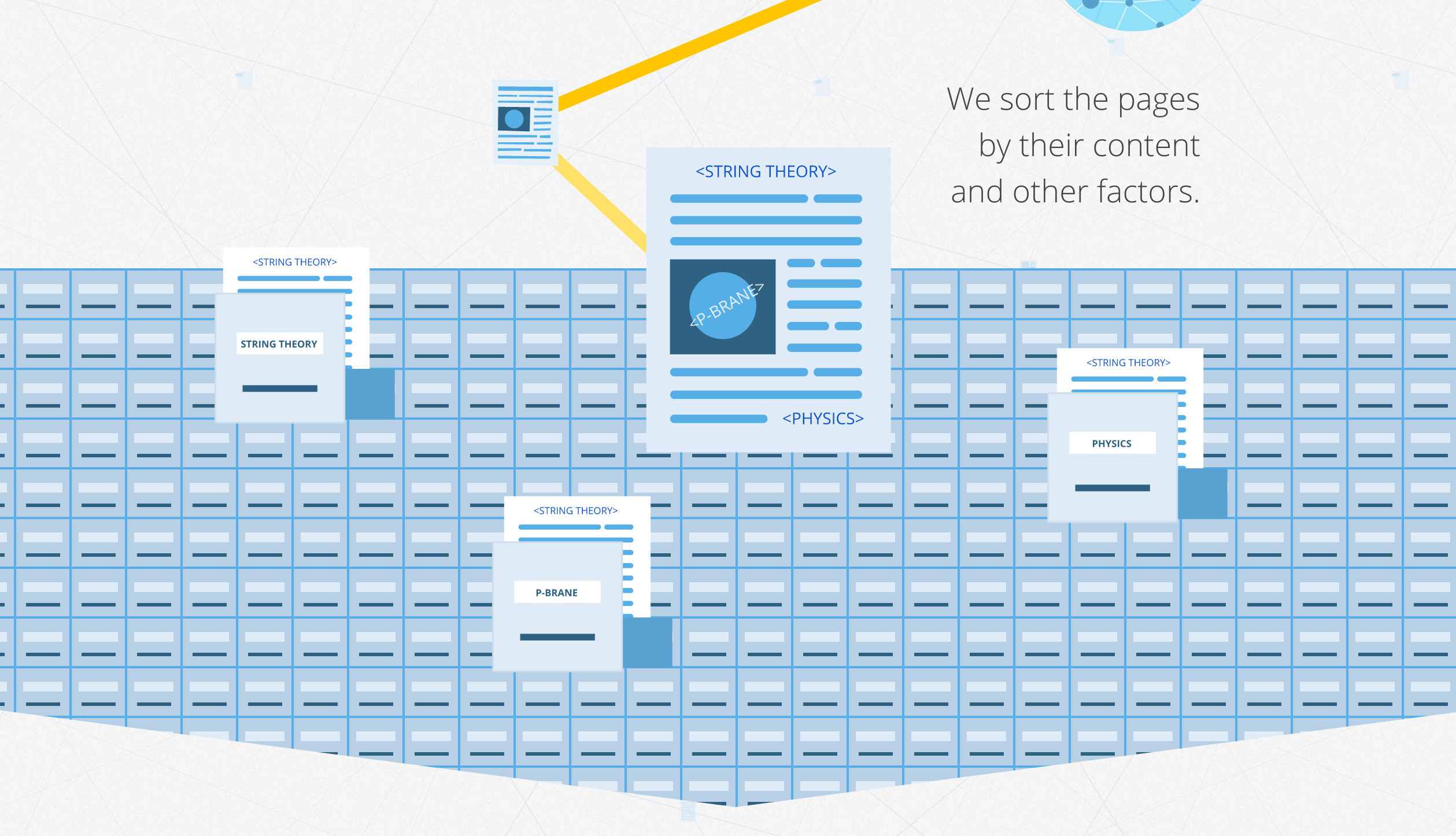
Google shows off 'How Search Works'
We all use it everyday. Be it Google, Bing or another alternative, we search for things without even really thinking about it. Google, however, wants to show you a little bit about what all goes into this seemingly simple activity. Friday, the company unveiled a new web site called 'How Search Works' that gives a rather in-depth look behind the scenes.
Google has, for sometime now, run an "Inside Search" blog that provides a bit of information on updates to the company's core service, but this one really lifts the curtain, though you still will not find any real trade secrets revealed -- though there is a 43-page document explaining how Google evaluates results. It is an interesting look at what really goes on when you type that innocent "funny cat videos" term into the little box. Yesterday Jake Hubert, a Google Product Manager, took to that blog to announce the new web site.
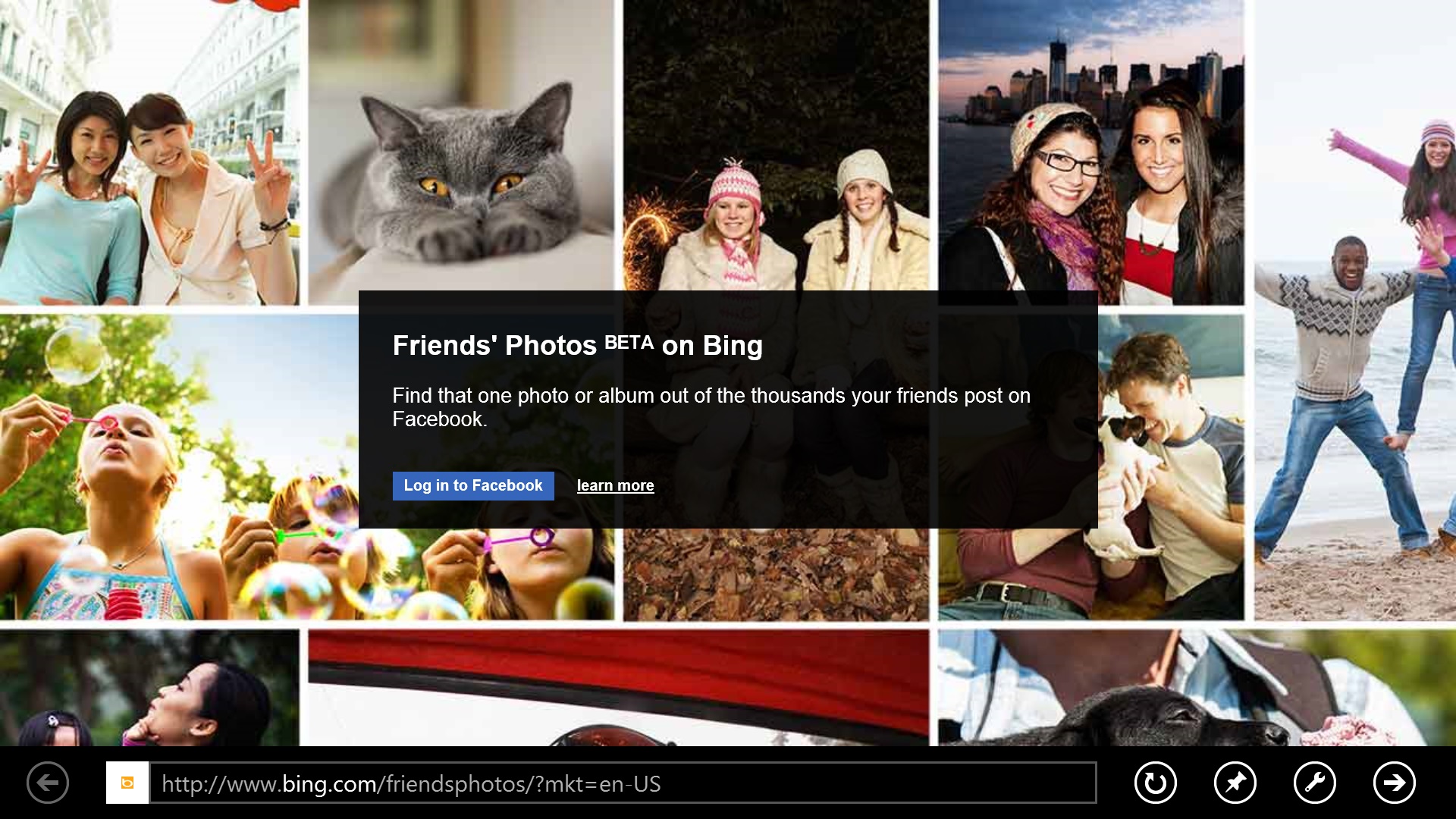
Bing makes it easier, perhaps scarier, to discover photos
Bing's "Friends Photos" is not new, but today Microsoft's search engine rolled out a major update to the service that MK Li, program manager of Bing Social, termed as an "experience which makes it easier to scan, discover and explore your friends’ photos".
So what has Microsoft added? For one, a new look and interface. The service now displays in the "Modern UI" type of format, much the same way as Windows 8 and Windows Phone. The search results in a tiled interface that, according to Li, "marries design and performance, making it faster and more seamless to browse your friends’ photos".
Steve Ballmer should step up, or ship out
Fifteen days using Surface Pro as my primary PC, I must say that I really, really like the tablet. Windows 8, the same. Ditto for Bing and Internet Explorer. I'm no stranger to using Microsoft products or services. But I am new to them being presented and consumed the way the company intends. The experience is refreshing and exhilarating, yet depressing. Who will know, with so much attention going to Android and iOS devices, or nimbler competitors offering more compelling products or services at faster pace?
Microsoft's problems aren't new, and that is the problem. This morning I reread my December 2009 post: "Microsoft isn't losing its consumer edge, it was game over long ago". I'm disturbed how little has changed, so much that, except for the lead paragraph, I could repost with new headline and the content would still be relevant. I will lift some parts here, as I offer, for the umpteenth time, remedies to Microsoft's woes.



