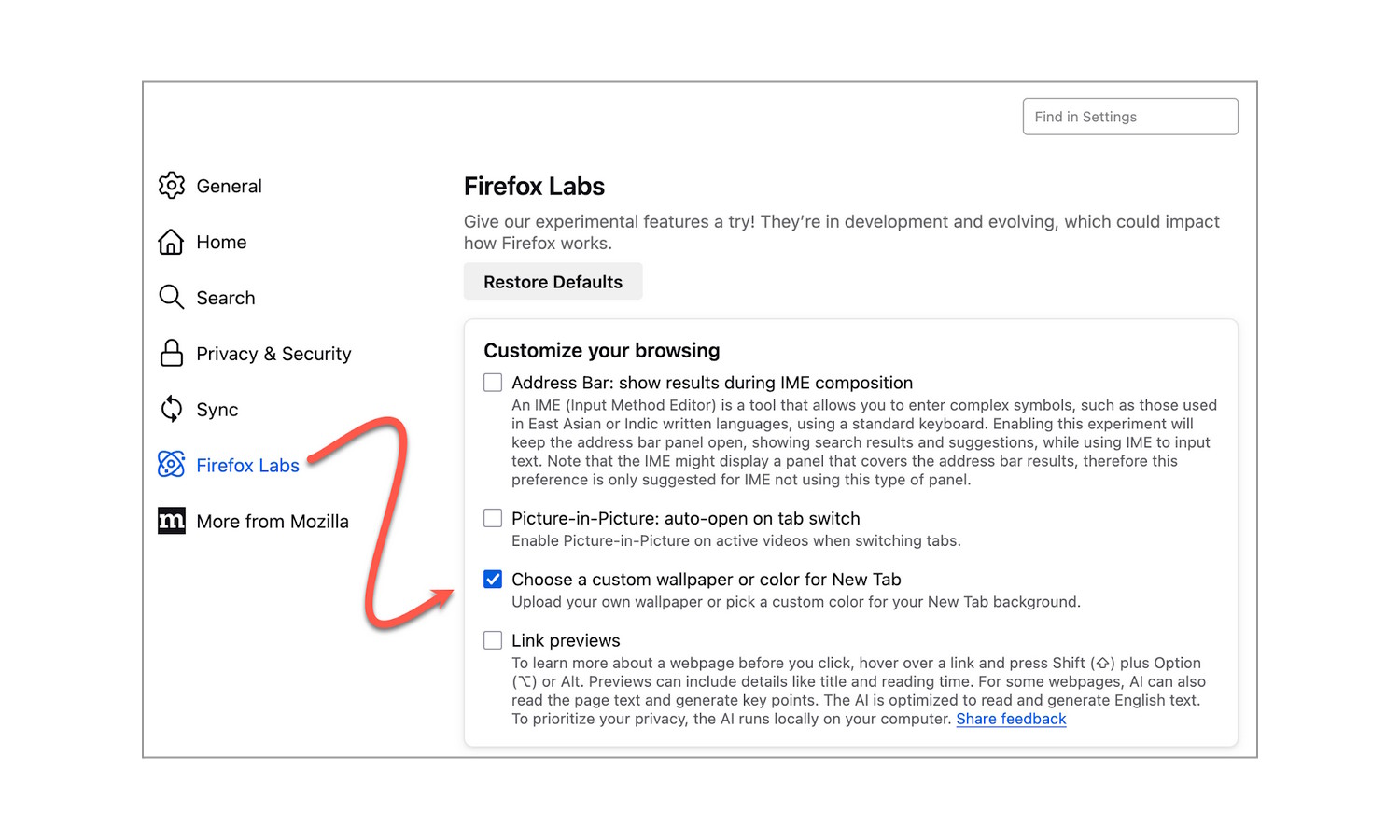
Mozilla wants to show you the future in Firefox Labs
For those who like to live on the cutting edge, beta software, preview programs and the like are incredibly enticing. Just about every major software title -- operating systems, even -- has one or more preview builds available, and web browsers like Firefox are no different.
But Mozilla has a slightly different option for anyone who feels uncomfortable with the idea of installing alpha, canary, or beta builds of apps -- Firefox Labs. This is Mozilla’s way of giving users access to optional features which have not yet made it into the main version of the browser. Here are the unreleased features you can try out right now.

Google is using machine learning to help Android users avoid unwanted and dangerous notifications
Notifications are part and parcel of life, being both useful and interesting. But they can also be problematic. Google is aware that the notifications generated by websites can be “spammy or even deceptive”.
The worst offenders can attempt to trick people into sharing personal information or downloading dangerous software. Google is using machine learning to fight back, launching warnings about warnings of unwanted notifications.
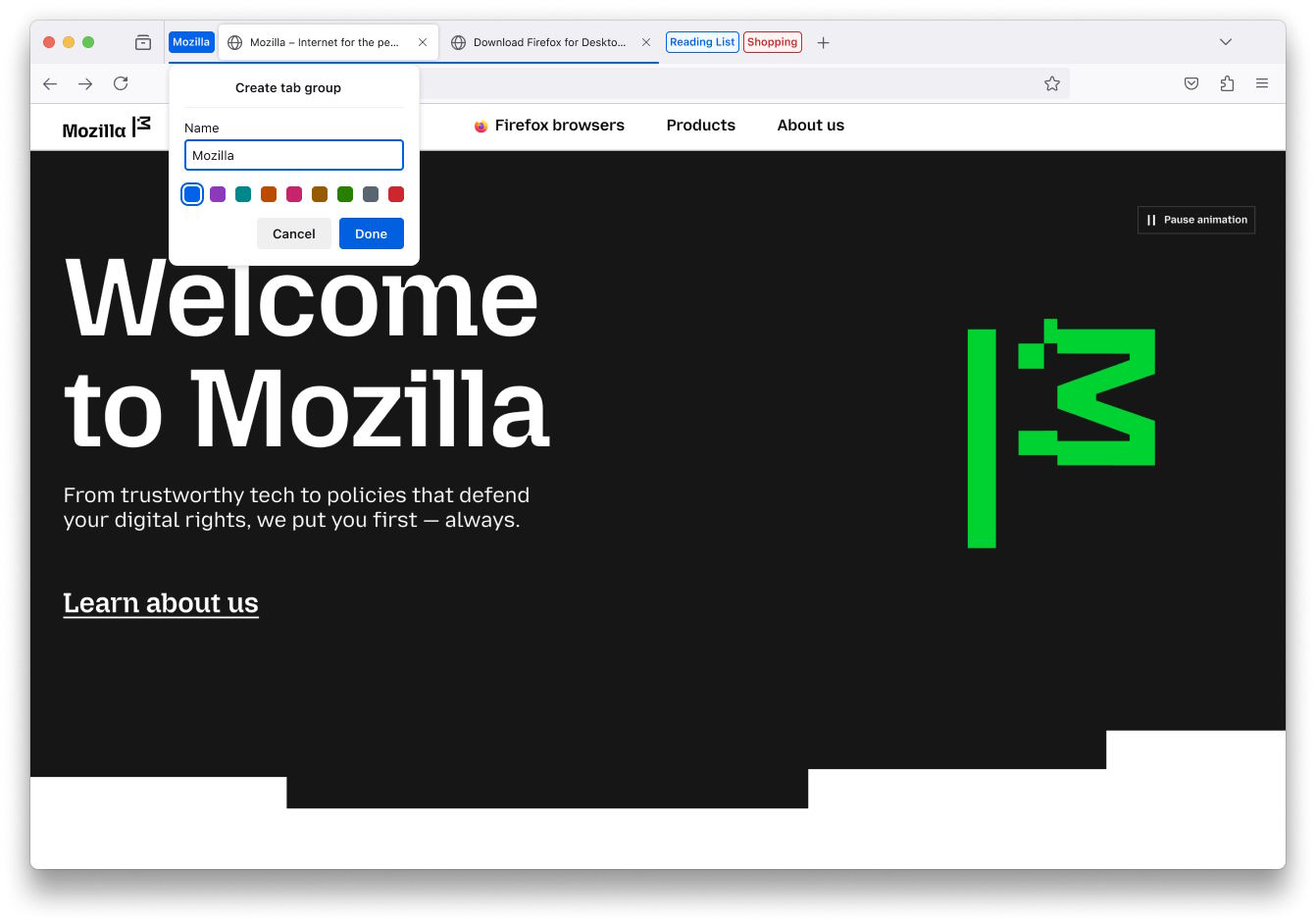
Firefox slaps itself on the back for finally adding tab groups and catching up with other browsers
The browser space, like so many other areas of software design, is one filled with inspiration and plagiarism. When one browser adds a new feature, you know it’s probably not going to be long before its rivals follow suit. Firefox is no different, but it likes to take its sweet time.
Mozilla has just launched a tab grouping option to its web browser, finally catching up with every other major browser in existence. Quite why it took so long to introduce what is such a common feature is not clear, but Mozilla has an awful lot to say about it.

Google has lost its ad tech monopoly trial... and Mozilla is scared
In a decision that surprised few, a judge has ruled that Google is guilty of “willfully acquiring and maintaining monopoly power” in advertising technology. Google (or its parent company, Alphabet, at least) is obviously unhappy with the ruling, but it’s not the only one.
Mozilla was one of the first companies to react to the ruling, and CEO Laura Chambers has expressed alarm about what it means for the future of its Firefox web browser. She also voices concerns about the implication of the rules for the open web and online industries.
Mozilla to simplify Firefox extension installs with new data privacy system
Oh, thank heaven. Mozilla is finally doing something about the horribly messy (and sometimes confusing) data consent experience in Firefox extensions. If you’ve ever installed a Firefox add-on and been hit with some clunky, homemade data collection prompt, you’re not alone. Now, Mozilla is stepping in to cure the insanity. You see, the organization will be adding a standardized data consent system into the installation process.
This new system, expected to arrive later this year, will thankfully eliminate the need for developers to write their own data consent screens. Instead, extension creators will just declare what data the add-on collects in the manifest file. And just like that, Firefox will handle the rest.

Firefox users have easy access to a powerful and customizable VPN with the Mozilla VPN extension
Mozilla is pushing its new VPN extension for Firefox as a way of simplifying the often confusing world of VPNs. Whether users are turning to a VPN for security, privacy, or to access content that’s only available in other countries, the Mozilla VPN extension is touted as a hassle-free option.
At the moment, the extension is only available for users of Firefox on Windows, but there are plans to release versions for Linux and macOS as well. Product manager for Mozilla VPN, Santiago Andrigo, explains what makes this VPN tool stand out from the crowd.

New Firefox terms of use could push users to Google Chrome
Mozilla has long positioned itself as a champion of privacy and open-source software, but its latest move really makes me worry that the organization could be drifting away from those values. You see, Mozilla has introduced Terms of Use for Firefox for the first time ever. Additionally, there is an updated Privacy Notice. And while Mozilla frames this as a move toward transparency, the actual terms are raising some major red flags for me.
Mozilla claims these new terms are necessary due to a changing “technology landscape,” yet the fine print tells a far different story. One of the most troubling aspects is that users must grant Mozilla all rights necessary to operate Firefox, including a “nonexclusive, royalty-free, worldwide license” to use information entered through the browser. Mozilla insists this is meant to help users navigate the web, but the vague wording leaves a dangerous amount of room for interpretation. Could this include personal data, saved passwords, or browsing history? Mozilla simply fails to say.
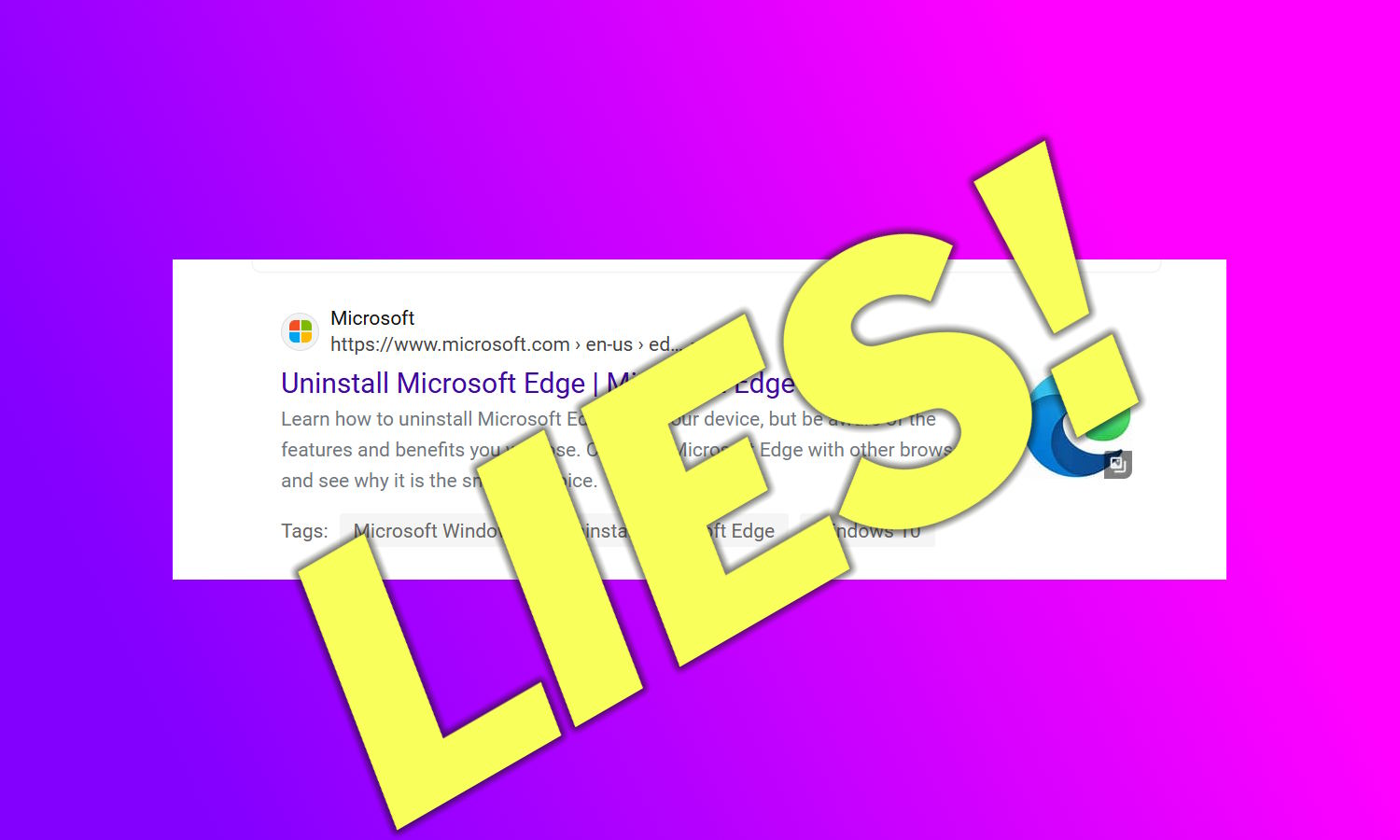
Microsoft lies to you if you ask how to uninstall Microsoft Edge
There are plenty of people who do not use Microsoft Edge -- it is a long way from being the most popular browser out there. And just like Internet Explorer before, there are also plenty of people who hate Edge so much that they want to uninstall it.
As there is no obvious way to do this if you take a look through the options in Windows, you might well search online for instructions. Search Bing (or the Start menu) for “how to uninstall Microsoft Edge” and there’s an entry at the top of the results that links to the office “Uninstall Microsoft Edge”. This really is an official Microsoft page, bearing the description: “Learn how to uninstall Microsoft Edge from your device”. But this is a blatant lie from Microsoft.

Mozilla removes Do Not Track setting from Firefox and suggests an alternative
Mozilla has removed support for Do Not Track from Firefox, with the company stating that it was a setting that was largely ignored by websites anyway.
More than this, Mozilla believes that Do Not Track sometimes served to reduce privacy, rather than increasing it. The suggestion for affected users is to start using options within Global Privacy Control (GPC) which are legally enforced in some countries, and far more widely respected by websites regardless of legislative requirements.

Google agrees to delete user data it secretly collected from Incognito Mode browsing sessions
It has been known for some time that Chrome's Incognito Mode is nowhere near as private as many people still believe it to be. Despite assumptions made -- largely due to strong suggestions -- Google was able to collect private browsing data and has faced lawsuits as a result.
As part of a class action settlement, the company has agreed to delete "billions of data points" despite having previously said that this was not possible. The change of heart means that Google should be able to avoid a damages payout in the billions of dollars.

Microsoft is fixing a long-standing Chrome text issue in Windows 10 and Windows 11
Microsoft -- yes, Microsoft -- is set to address an issue that has plagued the look of text in Chrome running on Windows 10 and Windows 11. While this is not a problem that affects everyone, there are large numbers of people who have long-complained about strange-looking fonts in Google's web browser.
The font troubles stem from a font rending incompatibility which Microsoft is finally getting around to fixing. The ClearType Tuner of Windows is ignored by Chrome, but Microsoft's tweaks mean that the browser rendering will be noticeably improved.

Google admits that Incognito Mode in Chrome is not as private as you hoped
Those in the know are aware that switching Chrome into Incognito Mode does not mean your browsing is a secret -- but many people assume that the browsing mode offers greater levels of privacy than it actually does.
Now Google has admitted as much. The company is updating its description of Incognito Mode in response to a lawsuit. The revised wording makes it clear that Google continues to collect data about user activity in Incognito Mode.
Microsoft rebrands its iOS and Android web browser to Microsoft Edge: AI Browser
With, as yet, nothing by way of an explanation, Microsoft has decided to rename the iOS and Android versions of its Edge web browser.
Now known as Microsoft Edge: AI Browser the change of name does not appear to have been accompanied by any significant changes. The mobile web browser does, like so many Microsoft products, include its fair share of artificial intelligence-powered features as the company continues to bet big on the importance of AI.
Google gives Chrome security, performance and functionality updates, with the promise of AI-feature in 2024
Google is in the process of rolling out a trio of important updates to Chrome, kicking off with an improvement to Safety Check. This security feature will now run automatically in the background, allowing for proactive alerts about security issues that need attention.
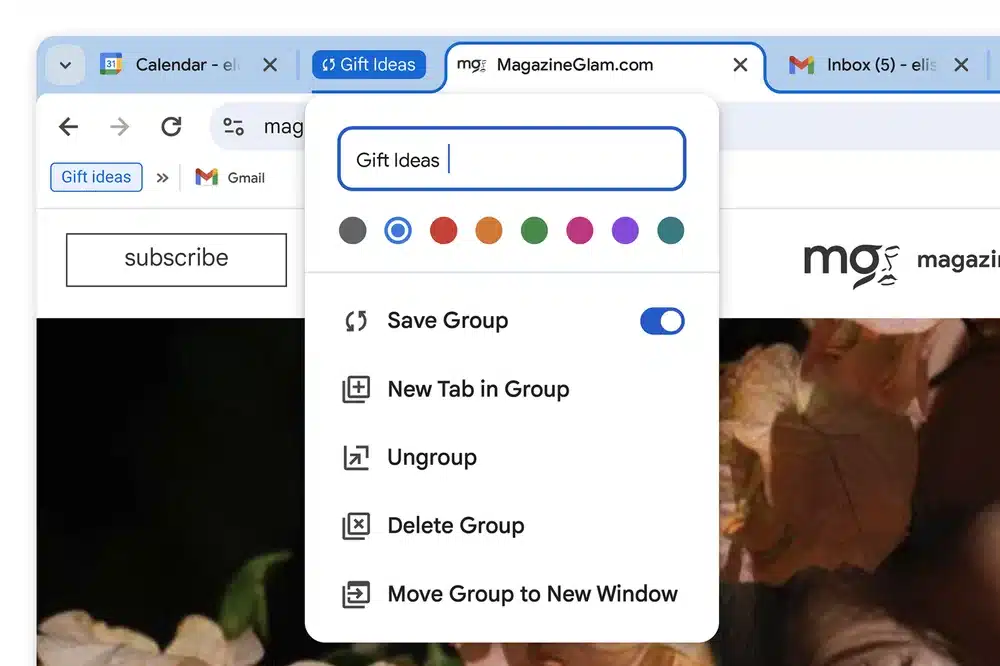
Other updates include improvements to tab groups that makes it possible to access them on other computers, and enhancements to Memory Saver. But the company also hints at big plans for 2024, with the promise of "smarter and more helpful features" powered its Gemini AI model.

Google Chrome will soon offer to hide your IP address for added privacy and security
Google is preparing to launch a new Chrome feature which will give users the ability to hide their IP address. Previously known as Gnatcatcher, the feature is now called IP Protection and makes use of proxies to help prevent online tracking.
IP Protection is described as "a privacy proxy that anonymizes IP addresses for qualifying traffic". One of its primary aims is to limit the possibility for fingerprinting as a means of tracking users online, which is something that has become increasingly common as steps are taken to block, and even kill off, third-party cookies.