

Watch Tim Cook's interview at D: All Things Digital conference
On Tuesday, Apple CEO Tim Cook appeared for the second time at the D: All Things Digital conference. The interview, lead by perennial hosts Kara Swisher and Walt Mossberg, mostly centered around the current state and the future of the fruit company, but also briefly touched other popular topics like Android and wearable technology.
Tim Cook, who wears a Nike+ FuelBand, says that "wearables [the category] is extremely interesting" and capable of deeply impacting people's lives. The man, however, asserts that folks are reluctant to wear things that they don't normally do, giving glasses as an example. For this reason, he believes that products like Google Glass don't appeal to most users and are only attractive to "vertical markets".
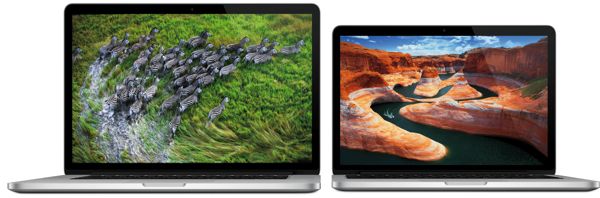
Apple updates most popular Macbook Pro with Retina display, thinner profile
At WWDC 2012 in San Francisco last June, Apple debuted its latest generation of Macbooks. Today, at an event to spotlight the new iPad Mini, Apple also unveiled a version of the 13" Macbook Pro which includes the high definition Retina Display. For the last five months, this display has only been available on the 15" Macbook Pro.
Apple CEO Tim Cook said the 13" Macbook Pro is Apple's most popular notebook computer, and by adding the Retina Display into the mix, the company now offers four different stock versions of the PC.
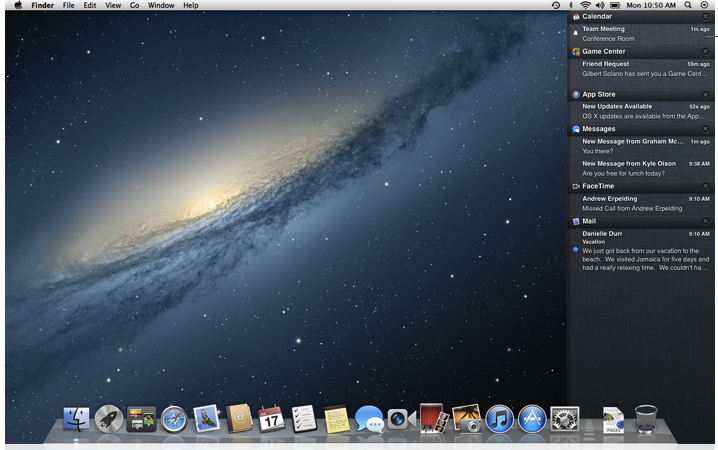
Mountain Lion downloaded 3 million times in 4 days: what it means for market share
Apple released OS X 10.8 Mountain Lion on July 25, and based on that small sliver of time, data analysis company Chitika released a statistic forecasting Mountain Lion's adoption rate, claiming a 3.21 percent OS X market share in just 48 hours. Five days after the release, Apple has announced Mountain Lion downloads exceeded 3 million in just four days. What does all of this mean?
Apple responded rather quickly last year after OS X Lion’s release, claiming 1 million downloads in the first 24 hours. Yet, with Mountain Lion, 3 million downloads in the first four days averages out to 750,000 downloads per day. Granted that's an estimate, but it would actually place Mountain Lion behind Lion based on first day downloads.

What if ... Apple just now released the first iPhone?
Fourth in a series. To commemorate iPhone's fifth-anniversary, we present several stories looking at its debut and colorful history -- so far. This one is different from the others, as it's a work of fiction, looking at a possible, alternative timeline.
Apple, the trendsetter of design and function has made good on their WWDC 2012 promise. Today marks their release of what they dub the very first smart phone, the iPhone. But the big question: Are they a little too late to the game now? The new phone marks a 180-degree turn from the past statements of Apple cofounder Steve Jobs, who asserted Apple is, or was, a computer, media and services company first.

It's a gargantuan war among industry titans and the winners will control everything for years to come
Damn, what an extraordinary month.
Let’s recap. First, we saw a spate of exciting new Ultrabook announcements, along with some x86- and ARM-based Windows 8 tablets at Computex. Then Apple introduced new spins of iOS and OS X for tablets and PCs, respectively, at its developer gathering. Microsoft unveiled Windows Phone 8 at the Windows Phone Summit -- and let's not forget the Surface tablet. And this week, Google rolled out new products and concepts buckshot-style at Google I/O, showcasing its first branded tablet, the Nexus 7, and Android 4.1, just to name a few.
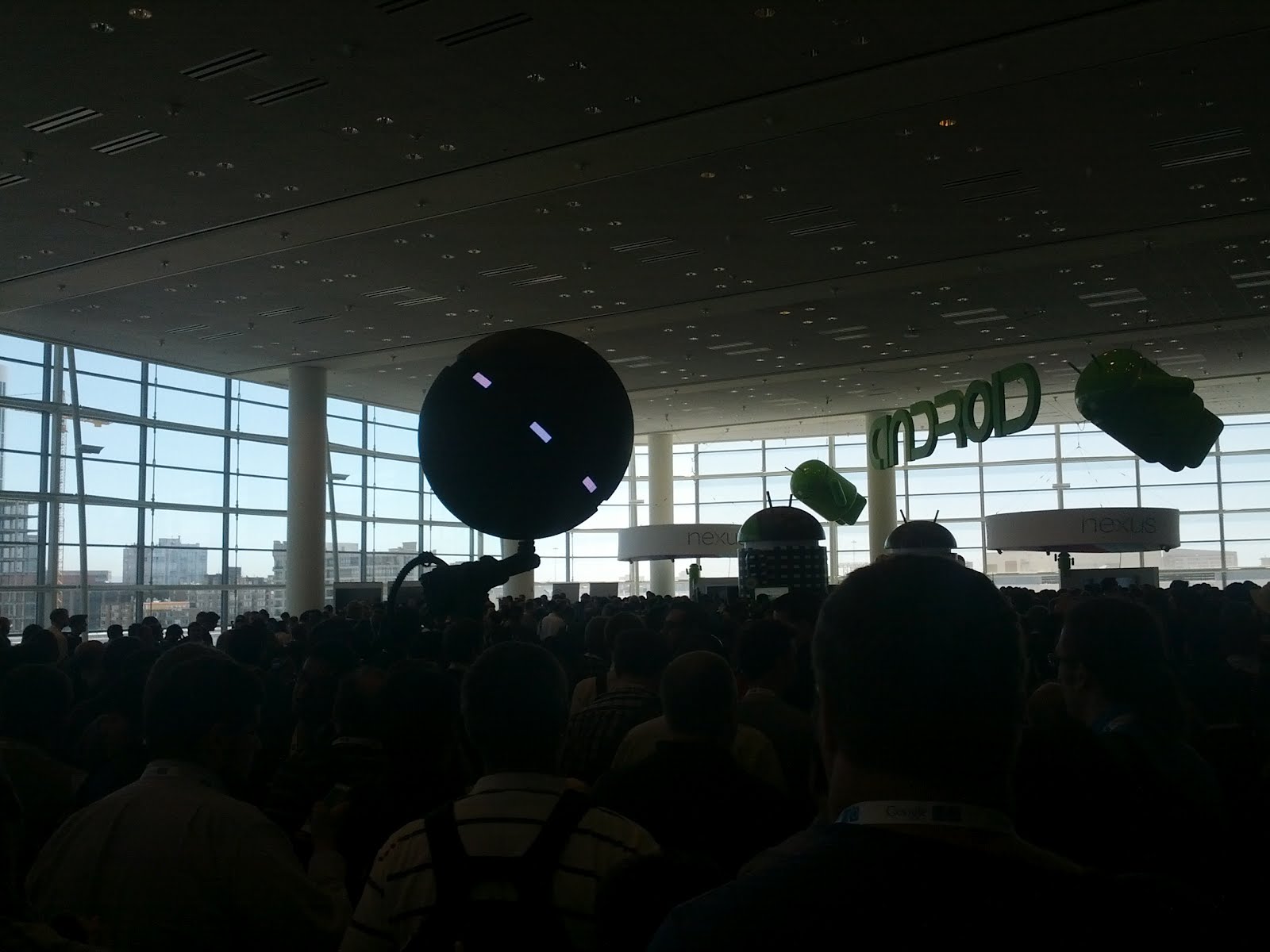
Liveblog from Google I/O -- it's insanity
I'm here in San Francisco, undeterred by cancelled and delayed flights, and it's madness. At 7 am PDT, when the doors were supposed to open, the line wrapped around and down the block and around the next one. Man, you should have come. I/O closes an exciting month of developer events -- Apple's WWDC, Microsoft's TechEd, Windows Phone and surprise Surface announcement. But the last word goes to Google, which is expected today to debut the Nexus tablet, expand cloud services and delight with lots more. I'm too rushed to go through them all.
The keynote commences at 9:30 am PDT -- that's 12:30 pm Eastern Time, and all updates here will be in chronological order reversed -- meaning newest first. You'll want to refresh often.
Ahead of Google I/O, Android is the tortoise winning the race
The annual Google developer convention I/O will take place next week. Like Apple's WWDC and Microsoft's TechEd, it is the big summer event where the world is given a look at each of the respective companies' plans for the coming year.
Google is expected to announce a lot of staggering new stuff, like its own branded sub-$200 tablet and its own Cloud platform to rival Amazon Web Services.
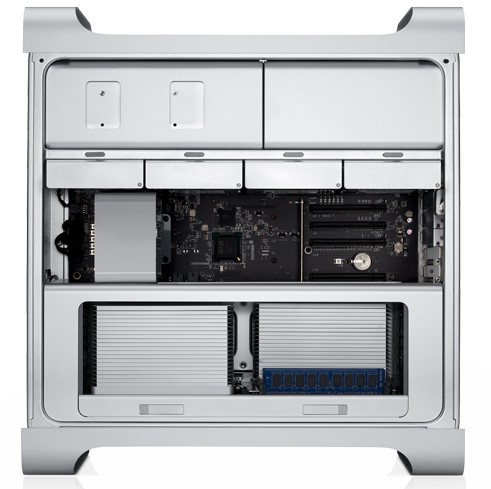
MacPro is doomed
Not all of Apple’s new and upgraded products were even mentioned in Monday’s Worldwide Developer Conference keynote. I was especially interested in Apple’s tower computer, the Mac Pro, which was both upgraded and killed at the same time.
The Mac Pro is Apple’s machine for media professionals. With up to 12 CPU cores, 64 gigs of RAM and eight terabytes of disk storage, it is a very powerful machine aimed at video editors, DNA sequencers, and anyone else who needs a supercomputer under their desk. And on Monday Apple upgraded the Mac Pro for the first time in two years, adding faster processors, better GPU options (it has, remember four PCI Express slots), and interesting SSD options. But what Apple didn’t upgrade was the Mac Pro’s USB ports to USB 3.0.
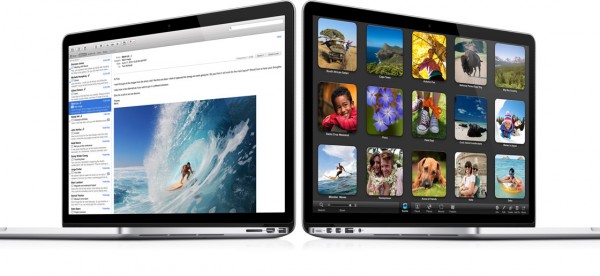
Will you buy Apple's 15.4-inch MacBook Pro with Retina Display?
I ask because one of my colleagues already has ordered one (shipping time is a couple weeks), and I got into an interesting Google+ debate about display technologies earlier today.
Apple announced the new laptop yesterday during its Worldwide Developer conference. The new MBP is thinner and lighter, which are nice-to-have features but nothing remarkable. The 2880 x 1800-resolution, IPS screen is really what sets the portable apart from other notebooks, whether Macs or Windows PCs. Apple has raised the standard of art, but the technology isn't gamechanging, as some bloggers or reporters claim. Apple is a laggard with respect to high-res displays, which on Windows PCs have outclassed Macs for years.
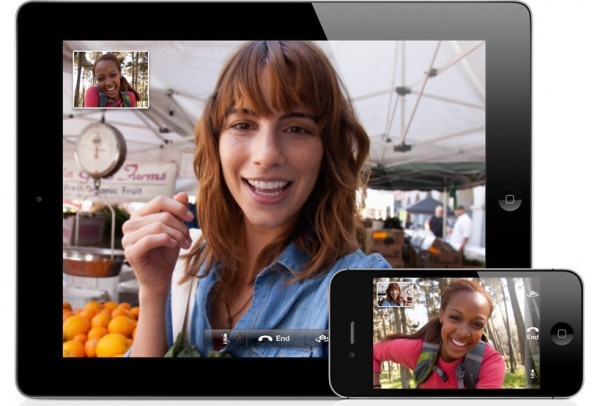
iOS 6 Developer Preview out today, public release this fall
While the focus of WWDC's iOS 6 announcements surround Apple's decision to kick Google to the curb when it comes to maps, there are plenty of other features coming to the next version of Apple's mobile operating system that deserve mention.
"iOS 6 continues the rapid pace of innovation that is helping Apple reinvent the phone and create the iPad category, delivering the best mobile experience available on any device", iOS chief Scott Forstall says.
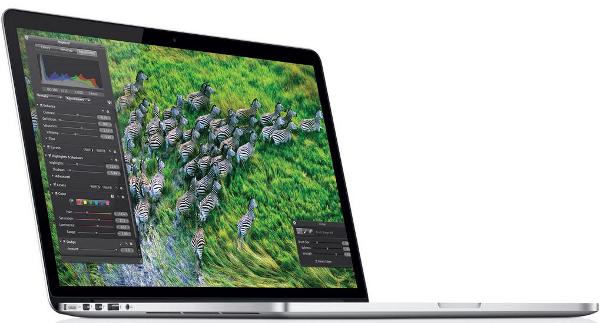
Post PC? Not So Much. Apple debuts next-generation Macbooks
For as much emphasis as Apple puts on its mobile ecosystem, the company's Mac business continues to grow. At WWDC 2012 in San Francisco on Monday, Apple unveiled its latest upgrades to the Macbook line of personal computers, bringing out new versions of the MacBook Pro and Air lines, and introducing a new subset of MacBook Pros that carry the higher resolution Retina display.
MacBook Air
OS X Mountain Lion launches in July
Today, at Worldwide Developer Conference, Apple laid a big challenge before Microsoft. While Windows 8 continues in testing, and won't come to new PCs until autumn, the next OS X version is ready for the masses sooner, as in next month. In the battle of oneupmanship, Apple is the clear winner. Today, Apple launches an OS war against Microsoft. The company also announced new MacBook Airs and Pros, which ship immediately, with free upgrades to Mountain Lion.
During the WWDC keynote, Apple revealed there are 66 million Mac user worldwide, which is three times the number five years ago. Apple has shipped 26 million copies of Lion to date, accounting for 40 percent of the install base. That's seems low considering it costs just $29.99.

Google activates 900,000 Androids per day
Andy Rubin revealed the number late day, on the eve of Apple's developer conference. Google's Android chief disclosed the activations while dispelling rumors circulated by Robert Scoble about leaving for startup CloudCar. Rubin isn't going anywhere.
He last disclosed activations per day -- 850,000 -- on February 27. The new number means 27 million a month or 81 million every 90 days. That number is consistent with actual smartphone sales. Gartner, which tracks sales to end users rather than the analyst firm standard of shipments into the channel, reports 81.067 million Androids sold during first quarter -- again, that's smartphones and doesn't include tablets. By comparison, Apple sold 33.1 million iPhones, but the number doesn't include iPad or iPod touch.

Techies, June will be the most amazing month EVER
Save your greenbacks now. During these thirty days you'll hear about lots of innovative and imitative products coming for the holidays. There's no coal in Santa's stocking this year, just too much tech to fit your gift list.
Not since the late 1990s, when seemingly every day some vendor announced a new PC that was ever-so-better than the one you bought the week before, is there so much new tech coming so close together. The cloud connected-device era ushers in a storm of tech. Save up now so you don't break the bank account or exceed credit card limits later.
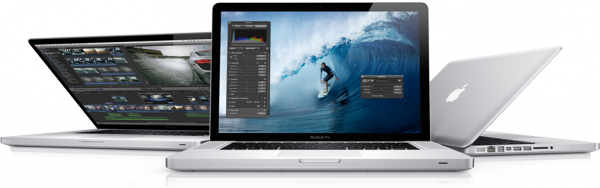
Sssh, Apple silently upgrades MacBook Pros ahead of Intel's Ivy Bridge
Facing increasing competitive pressure, Apple silently pushed performance enhancements to the MacBook Pro line of laptops. The changes include better processors and additional storage, and on higher-end models better graphics cards.
The base level 13-inch MacBook Pro now sports a 2.4GHz Intel Core i5 dual-core processor with a 500GB hard drive, but remains at $1,199. The faster $1,499 13-inch model now includes a 2.8GHz i7 dual-core CPU with a 750GB HDD.



