
5 things mobile developers need to consider in 2017
Android or iOS? Or both? It’s a question anyone who’s been involved in building a mobile app will have asked. Android is still the major player in the development world, due to the simple fact of the size of the market, but it’s foolish to write anything that’s grown from Apple off.
As with just about every trend in technology, it appears that flexibility and fluidity is the choice route. Here are five things developers will need to consider to stay relevant in 2017 and beyond.
Apple revenue and iPhone sales are down
Apple today announced its financial report for Q3 FY2016 (Q2 CY2016), revealing a drop in revenue and falling iPhone sales compared to both the previous quarter and this time last year.
Apple posted quarterly revenue of $42.4 billion and a net income of $7.8 billion, with the bulk (nearly $18 billion) coming from the Americas. This revenue is compared to $50.5 billion in Q2 FY2016 and $49.6 billion in Q3 FY2015, drops of 16 percent and 15 percent respectively.
Apple releases iOS 10, macOS Sierra public betas
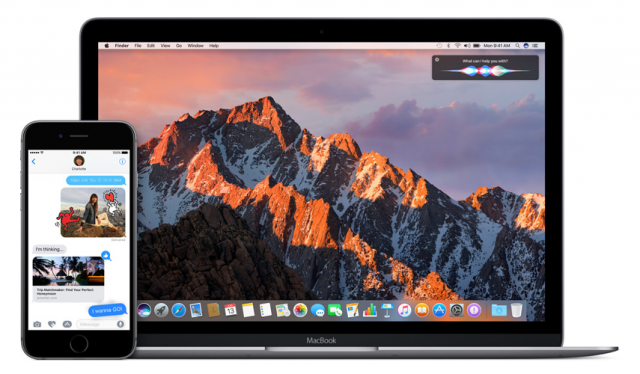
Apple's latest operating systems are coming this fall, but for enthusiasts who are interested in trying out iOS 10 and macOS Sierra before the big launch the company today releases the first public betas.
The first iOS 10 and macOS Sierra public betas arrive after Apple already released two builds for members of its developer program, so they should be more stable as a result. Here is what you should know.

Apple iOS 10 playing catch-up with Android
Apple held its annual Worldwide Developers Conference (WWDC) on June 13 in San Francisco, where Tim Cook and his team announced a wide array of new features and functionality across Apple platforms, including a major update to iOS, the renaming of mac OS X to macOS (the new version will be named Sierra) and updates to watchOS, and tvOS were also announced.
After reading about it though, I can’t help but think that we already have a lot of the features talked about in a number of Android devices and personally feel that Apple is merely playing catch-up to Android. That said, I will leave you to make up your own mind.
Apple is leaving the iOS 10 kernel unencrypted... to increase security
Each new version of iOS is eagerly awaited, and at its Worldwide Developer Conference (WWDC) Apple unveiled a preview of iOS 10. Much has been made of the new features, but developers probing the operating system are making a surprising discovery. The kernel of iOS 10 is unencrypted.
In the current climate of security-awareness, this might seem like something of an unusual decision. But Apple says that the change has been made to improve performance, and it could even help to increase security.
Google vs Apple: Contrasting approaches to app store evolution
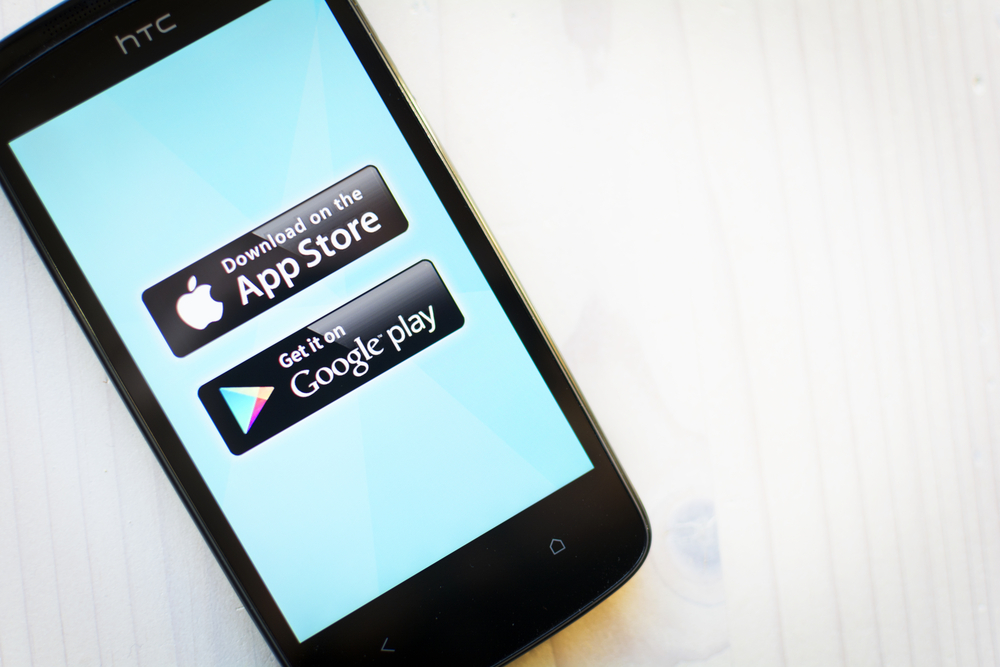
This year, Google I/O and WWDC seemed to lack the excitement seen in years past with most announcements being fairly mundane -- a combination of maintenance/incremental updates and "me-too" products -- inevitable at this point in the maturity cycle. The most interesting part of these developer events was really the contrasting approaches Google and Apple have taken to evolve the app ecosystem. Unsurprisingly, both approaches are diametrically opposed to each other and favor each company's business model.
However, the "winning standard" will necessarily be one that better serves the needs of both consumers and developers.
Encryption-focused Apple File System (APFS) replacing HFS+ on macOS, iOS, tvOS, watchOS
Apple was quite boisterous at WWDC today regarding its operating systems and services. Quite frankly, I was blown away at all the ways the company is looking to improve its customers' lives, but some folks were apparently underwhelmed. Oh well, you can't please everyone, I suppose.
For some reason, Apple was fairly quiet about one huge change -- it is replacing the HFS+ file system. Based on the more-than-30-year-old HFS, it is apparently time to move on. What is the upcoming file system called? The unimaginatively "Apple File System". The encryption-ready file system will be used on macOS, iOS, tvOS, and watchOS.
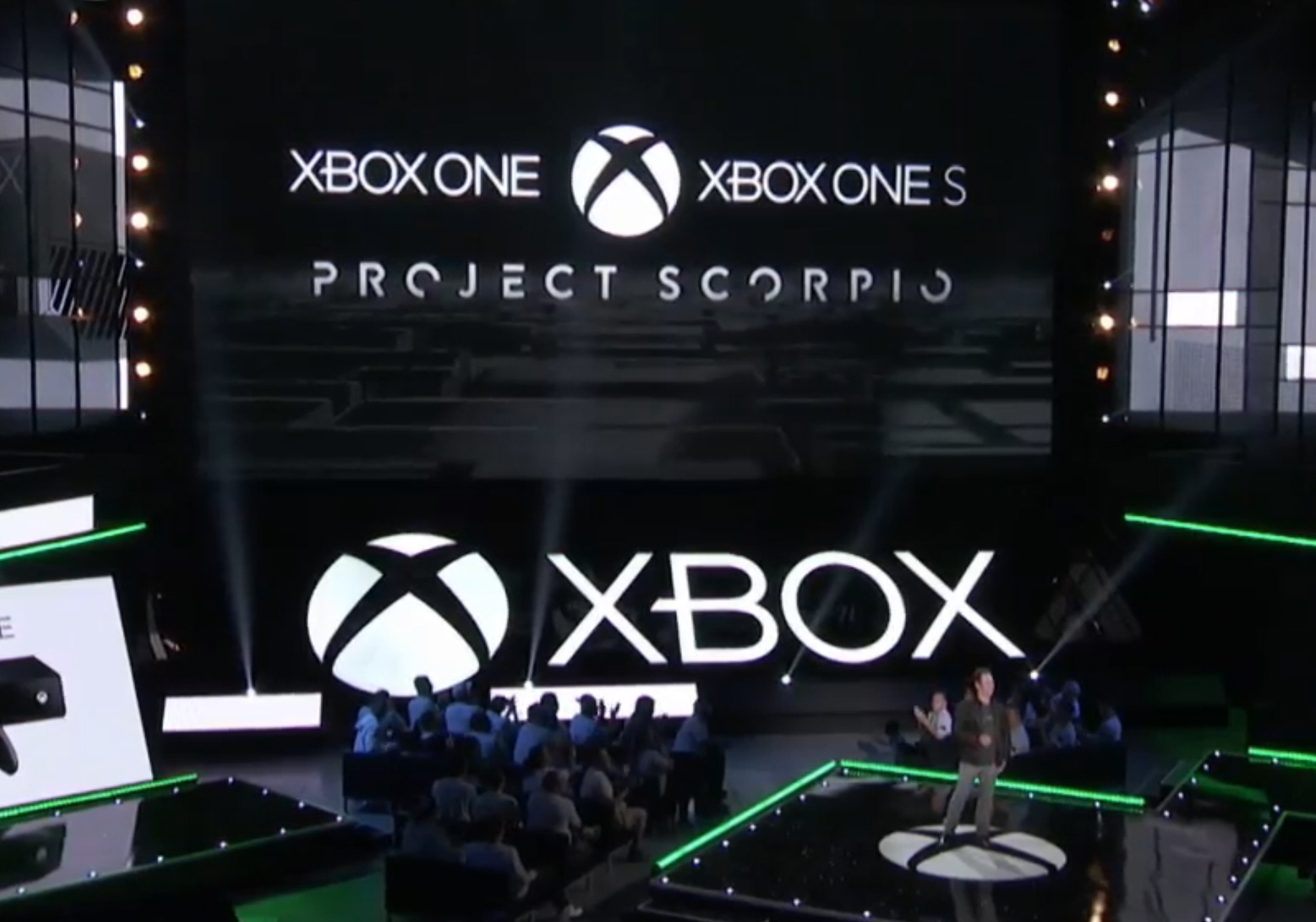
Microsoft's Xbox 'Project Scorpio' will be the most powerful games console ever
Continuing to steal Apple's WWDC thunder, Microsoft has been using its E3 press briefing to make some major announcements.
First up, the tech giant unveiled the Xbox One S, a slimmer, much improved Xbox One, but the real excitement is not that games console, but a future device.
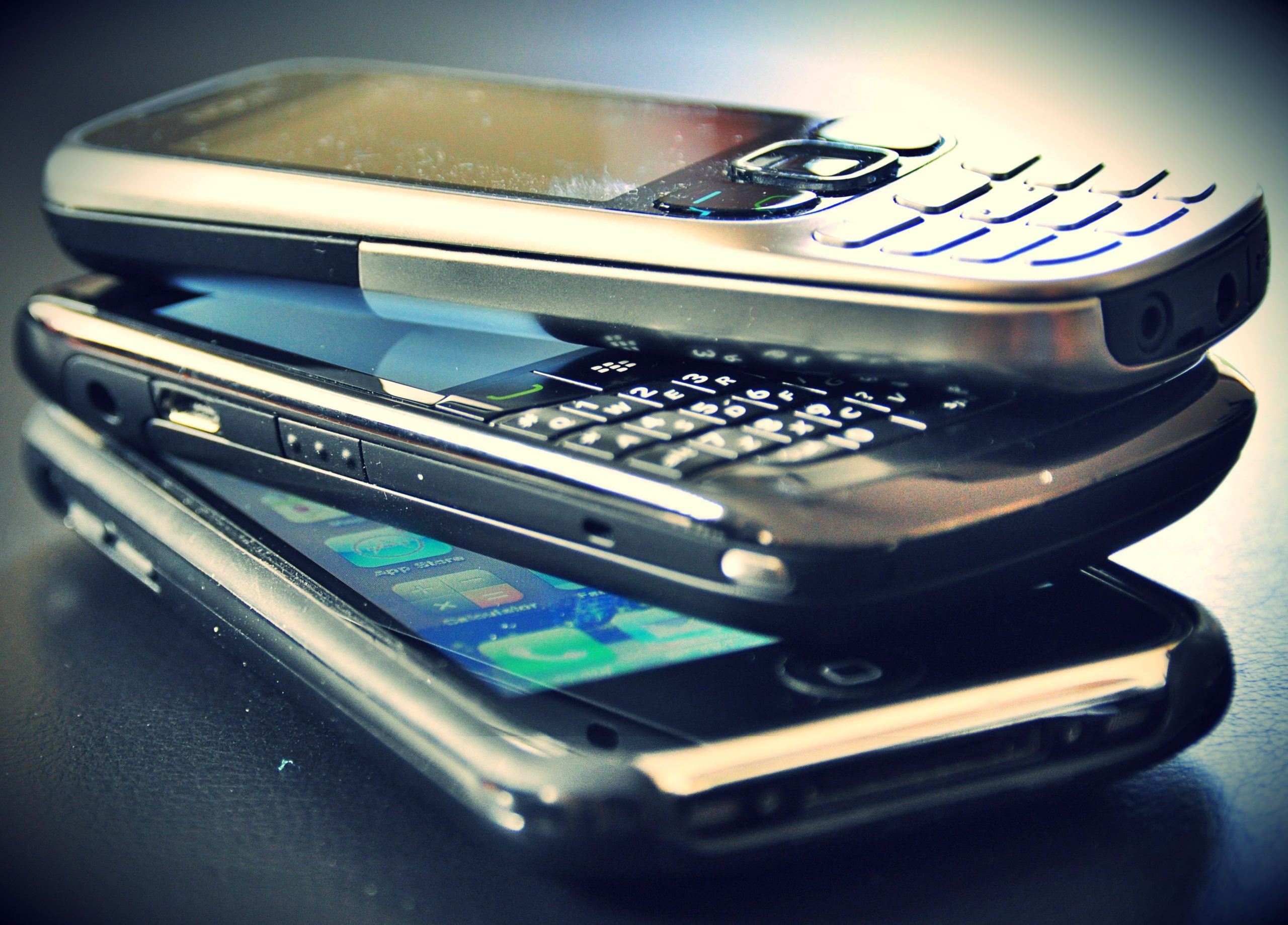
Apple is the new Nokia
Washington Post reporter Hayley Tsukayama asks, following up on a commentary by software developer Marco Arment: "Is Apple really at the risk of becoming BlackBerry?". The answer absolutely is No. But the concept is right. The fruit-logo company's dire straight is much more profoundly catastrophic. The risk is becoming Nokia, and the path to that destination is already well-trodden.
Arment calls BlackBerry "king of smartphones", referring to its market position before Apple released iPhone nine years ago in June. The description is apt enough. "BlackBerry’s success came to an end not because RIM started releasing worse smartphones, but because the new job of the smartphone shifted almost entirely outside of their capabilities, and it was too late to catch up", he asserts. But smartphones were a niche category in 2007, so insignificant that analyst firms lumped the devices together with PDAs. iPhone's disruption was far, far greater—Nokia lost its perennial global handset lead; for many of the reasons Arment identifies. Nokia, and not BlackBerry, is the metaphor, and it is frighteningly foreshadowing.

LAPD hacks iPhone 5s, but how?
The iPhone 5c belonging to San Bernadino shooter Syed Rizwan Farook is not the only iPhone that the US authorities have managed to hack this year. According to a report by Los Angeles Times, the Los Angeles Police Department has "bypassed the security features" of an iPhone 5s.
The iPhone 5s in question was used by April Jace, the wife of The Shield actor Michael Jace, who is facing murder charges, being accused of killing his partner on May 19, 2014. And, according to court documents reviewed by the publication, on March 18 the LAPD claimed to have found a "forensic cellphone expert" who could hack the device, which is believed to hold important evidence in the trial.
Microsoft is the number one employer for Workforce Diversity
Diversity is the current weapon tech companies are using to bludgeon each other with -- Twitter has even gone as far as publishing its goals. Facebook fails in this department while Apple, ever the master of spin, is keen to present itself in the best possible light. For many on the outside looking in, diversity is little more than an exercise in PR, but that's not going to stop companies celebrating wins here and there.
The latest win is for Microsoft. For the second year running, the company has been voted the number one employer by readers of Workforce Diversity for Engineering & IT Professionals magazine. Clearly this is something of a niche publication, but given its specialization, it’s a crown that Microsoft is only too happy to wear.
Twitter's diversity goals are completely meaningless nonsense
Workforce diversity is something that every company wants to be seen to be getting right. At the moment -- particularly in the world of technology -- they're failing spectacularly. As in so many walks of life, it's a world dominated by white, middleclass men, and it's a problem that gets worse the further up the hierarchy you look. Facebook, Google, Amazon, Apple, Microsoft. They all have one thing in common: a desire to be seen as the most welcoming, ethnically and sexually diverse, forward-thinking companies out there.
It's great PR, and now Twitter is trying to step up its game. News of a commitment to making the Twitter workforce more diverse sounds great, but sounding great isn’t the same as being great. I've mentioned that talk of diversity is good public relations, and that's exactly what we see here -- spiel, empty gestures, misguided proposals, and embarrassingly ham-fisted approaches. Now Twitter is taking things a step further.
Does diversity in tech actually matter?
Diversity has become something of a buzzword in tech, and it's one that companies are only too keen to bandy about at every opportunity. The likes of Apple, Google, Facebook, and Amazon are eager to demonstrate how diverse a workforce they have built up -- but the fact of the matter is that they have all failed abysmally.
This much we know. We've seen that Facebook's workface is far from diverse, Amazon is about as white and male as it gets, and that Apple wants people to believe it's doing everything it can to foster greater diversity. Its latest report shows that the number of female, black, and Hispanic employees has increased but Tim Cook wants to do more. But the big question is: does diversity matter?
iReligion: How Apple fanaticism turned tech into a cult
As someone who is always on the prowl for new podcast material to enjoy, I recently came across one which is hosted by a name familiar to many in the States. Joe Rogan -- currently best known for being lead color commentator on most large UFC PPV events -- doubles as someone who hosts an interesting podcast under the simple guise of "The Joe Rogan Experience."
Specifically, episode 680 of his podcast showed up on my phone today, and it featured a lengthy discussion with a Steve Hassan on the intriguing topic of cults. Hassan is a mental health counselor who has personal experience with cult entrapment, as he was once a member of the Moonies. He dove into a variety of areas surrounding cults and their characteristics with Joe, and if interested, I recommend listening to his appearance on JRE 680. The real reason I plugged Joe's show is because during the episode with Hassan, the relevant topic of Apple naturally arose at one point. The question at large was thrown out in the wild. Is Apple and its following a cult?
Why organizations should embrace wearables
From its roots as a quirky, consumer-centric niche just a few years ago, wearable technology has pushed its way into the headlines.
The recent launch of the Apple Watch generated huge amounts of media hype (not to mention almost a million pre-orders before release), suggesting that a growing number of organizations could be playing host to wearable devices over the coming months and years -- if they aren’t already.



