
Apple appoints new vice president of AI as John Giannandrea steps down
Apple has announced that its senior vice president for Machine Learning and AI Strategy, John Giannandrea, plans to retire. Having been with the company since 2018, he will serve as an advisor for a short time before moving on in spring next year.
While no reason has been publicly given for the departure, it is widely thought that there was a degree of discontent at Giannandrea’s management of Siri. The product was blighted by a series of delays and problems that did not reflect well on Apple.
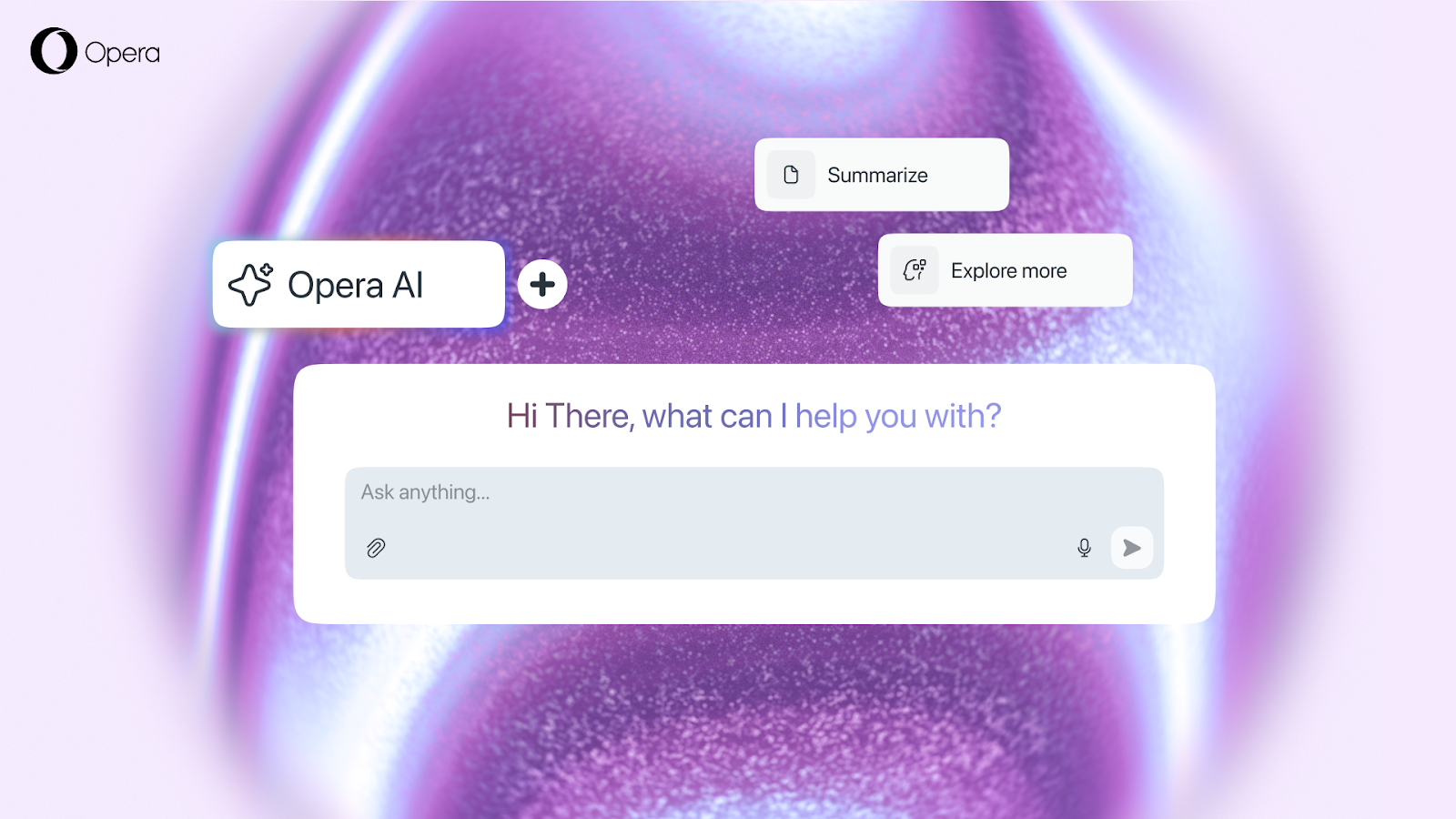
Opera brings upgraded Google AI to its browsers
Opera is rolling out new Google AI features across its Opera One, Opera GX and Opera Neon browsers. This is the result of the browser maker's long running partnership with the search giant, and now includes support for the latest Gemini models.
The new Opera AI appears as a side panel that users can open alongside any webpage, set of tabs, or even playing videos. It will respond within the context of the page, allowing tasks such as research, summaries and tab comparisons. It also supports voice input and output, along with file analysis on images and video.
Get ready for ads in ChatGPT
Like death and taxes, ads are an inevitability. This is something that applies to the world of technology, but particularly anything even remotely connected to the internet.
Proving the above, as well as the old adage that there is no such things as a free lunch, OpenAI is planning to bring advertising into ChatGPT. This is not something that the organization has officially announced, evidence that ads are coming has been uncovered.
Dell has some terrible news for Microsoft about Windows 10
With the end of mainstream support for Windows 10 having reached us over a month ago, Microsoft will have been hoping that users will feel forced into upgrading to Windows 11. Has this happened? Not really.
Dell has revealed that there are millions upon millions of PCs out there that are still running Windows 10 and simply cannot run Windows 11. The company also used its Q3 earnings call to share the news that PC sales are slowing – something it predicts will continue into 2026.
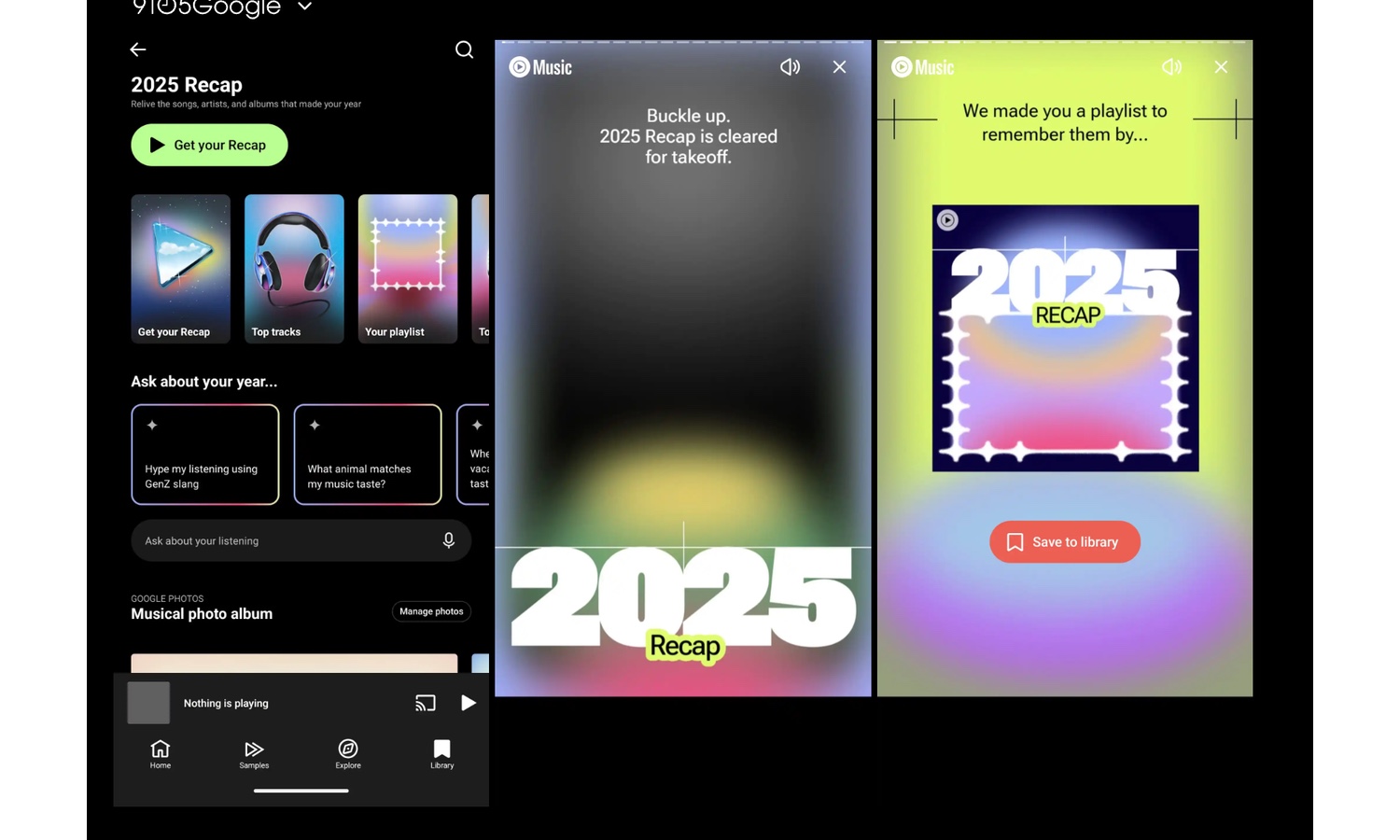
YouTube Music now offers an AI enhanced 2025 listening recap
Like Spotify, YouTube offers an annual summary of listening habits for individual users, but for 2025 there is a slight change. This time around, perhaps inevitably, artificial intelligence has been used.
The insertion of AI into just about every product and service has become predictable, but there is always the interesting question of whether its use is necessary, and if it brings any benefits. So, what is the verdict with YouTube Music?
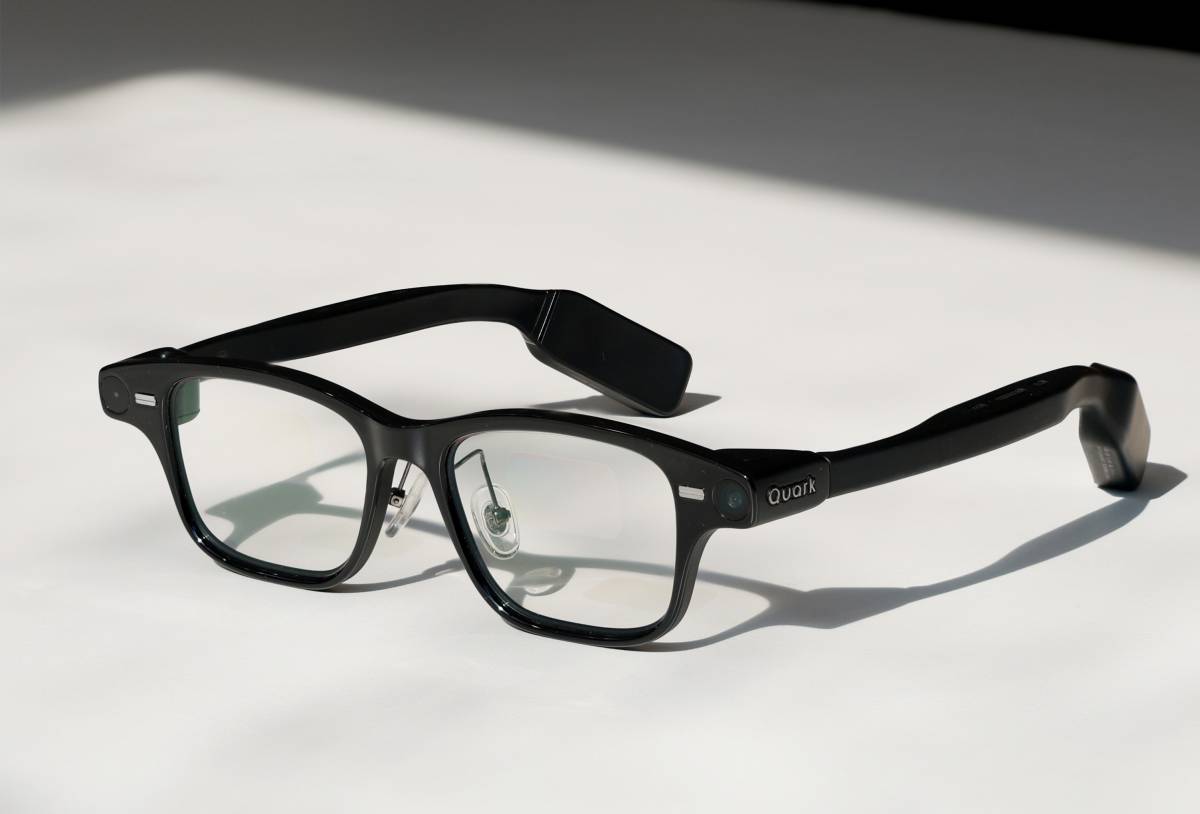
Alibaba debuts its first self developed AI glasses in China
Alibaba has launched a new range of AI eyewear in China. The Quark AI Glasses come in two models -- S1 and G1. There are three styles of the dual display S1 and three versions of the camera focused G1, with different frame colors and lens choices. All models work with Alibaba’s new Qwen App and respond to voice commands or touch controls.
The glasses are designed to act as a hands free gateway to Alibaba’s consumer ecosystem. Powered by Qwen, they can recognize prices, answer questions using text or images, translate speech in real time, guide users with near eye navigation and produce meeting notes. They can also handle reminders, teleprompter functions and context based suggestions.
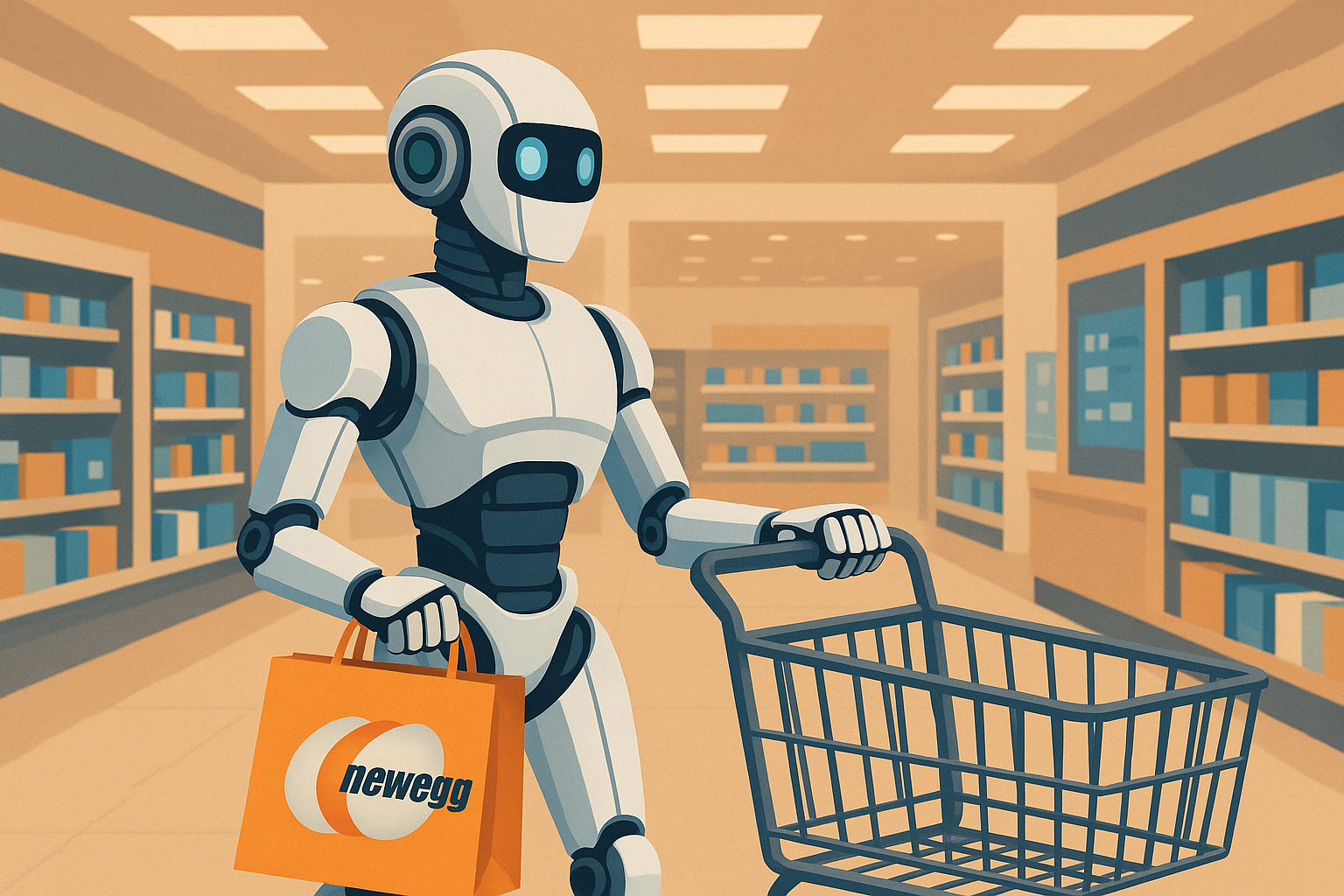
Newegg partners with PayPal to bring AI driven shopping to Perplexity
Newegg, in conjunction with PayPal, is bringing its product listings into AI powered shopping channels, starting with Perplexity. Customers will be able to discover and buy Newegg items from inside conversational search tools that use PayPal’s agentic commerce technology.
The retail giant says the move is in response to growing numbers of people searching for products using AI chat tools rather than performing traditional web searches. Instead of browsing categories or clicking through a store, customers will be able to ask an AI agent for help finding a specific product and be shown Newegg listings in the response.
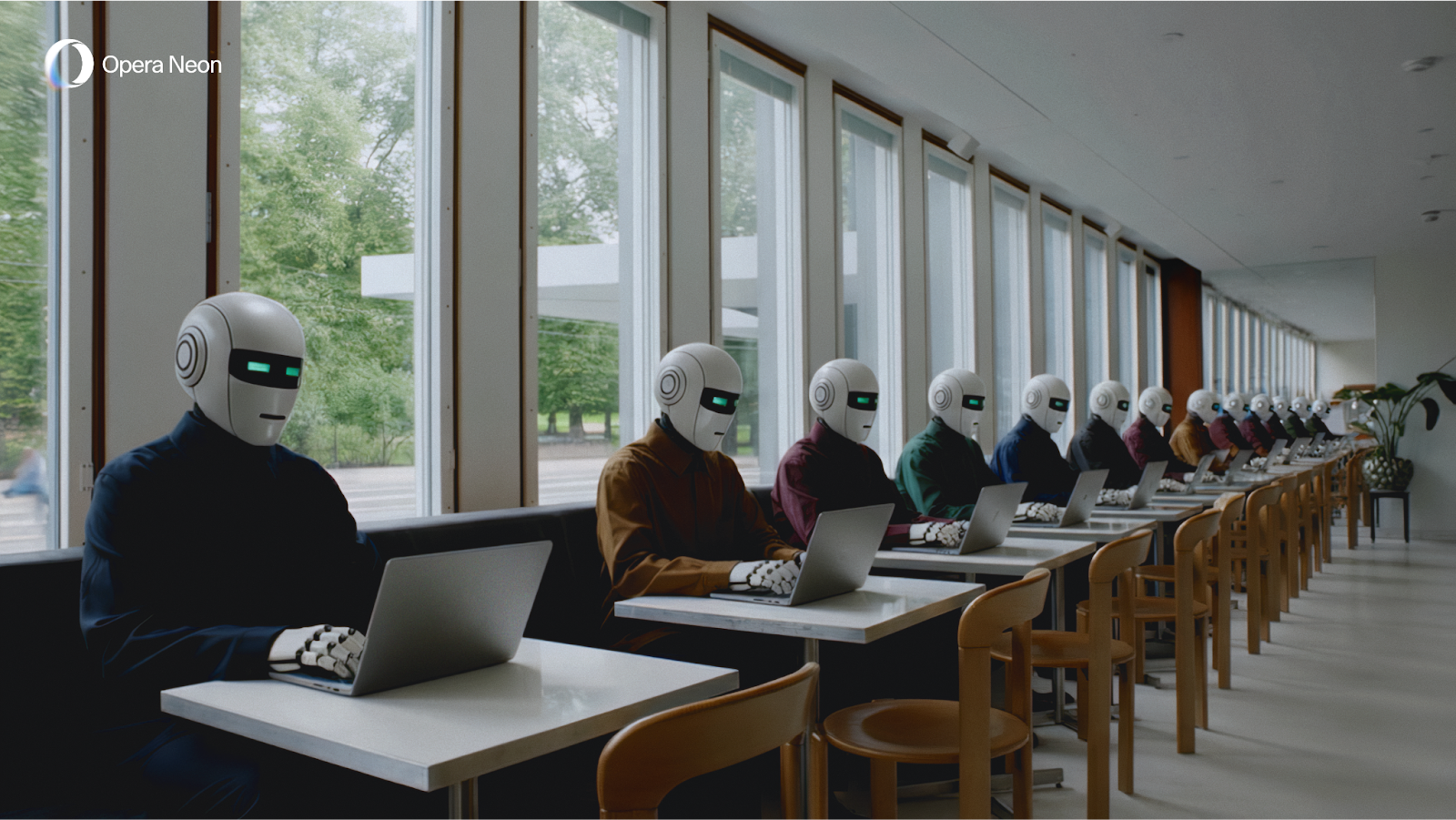
AI browser Opera Neon gains new tools and Gemini 3 and Nano Banana support
Opera has released a major update for Opera Neon, the experimental agentic browser it launched two months ago. The update adds a new one minute mode to the Opera Deep Research Agent (ODRA), introduces Google’s Gemini 3 Pro and Nano Banana Pro models, and lets users choose which AI model to use in conversations. It also expands Neon’s agentic features to support tasks inside Google Docs.
Neon is designed for testing AI features and exploring agentic browsing, where AI tools don’t just answer queries but can also complete multi step tasks.
Americans fear losing control of AI more than losing their jobs, study shows
New research suggests Americans are more worried about who controls AI, and how it’s governed, rather than about losing their jobs to it. A study from Cybernews and nexos.ai tracked search interest across 2025 and found people spent far more time looking up questions about regulation, privacy and data use than employment fears, even after a year of tech layoffs.
The study looked at five types of AI concerns from January to October. Control and regulation came out on top with the highest average score. Data and privacy followed close behind. Job loss ranked last, showing that most people aren’t as focused on employment as headlines often suggest.

Warner Music and Suno agree new partnership but what does this mean for AI generated music?
Warner Music Group and Suno have agreed a partnership that aims to set out how licensed AI generated music should work across creation, revenue, and artist control. The deal also ends the previous legal action between the two companies, which had centered on how Suno's AI systems were trained on commercial recordings.
Warner Music says the agreement gives it a way to support new technology while protecting artists and songwriters. It argues that licensed models, clear revenue paths, and opt in controls for voice, name, and likeness are essential if AI is going to sit alongside traditional music work. Suno, which has grown quickly over the past year, says the arrangement will let it develop new features and improve how people make and share music on its platform. It will also stop it being sued out of existence, as well.
Researchers reveal which AI models make the best partners in crime
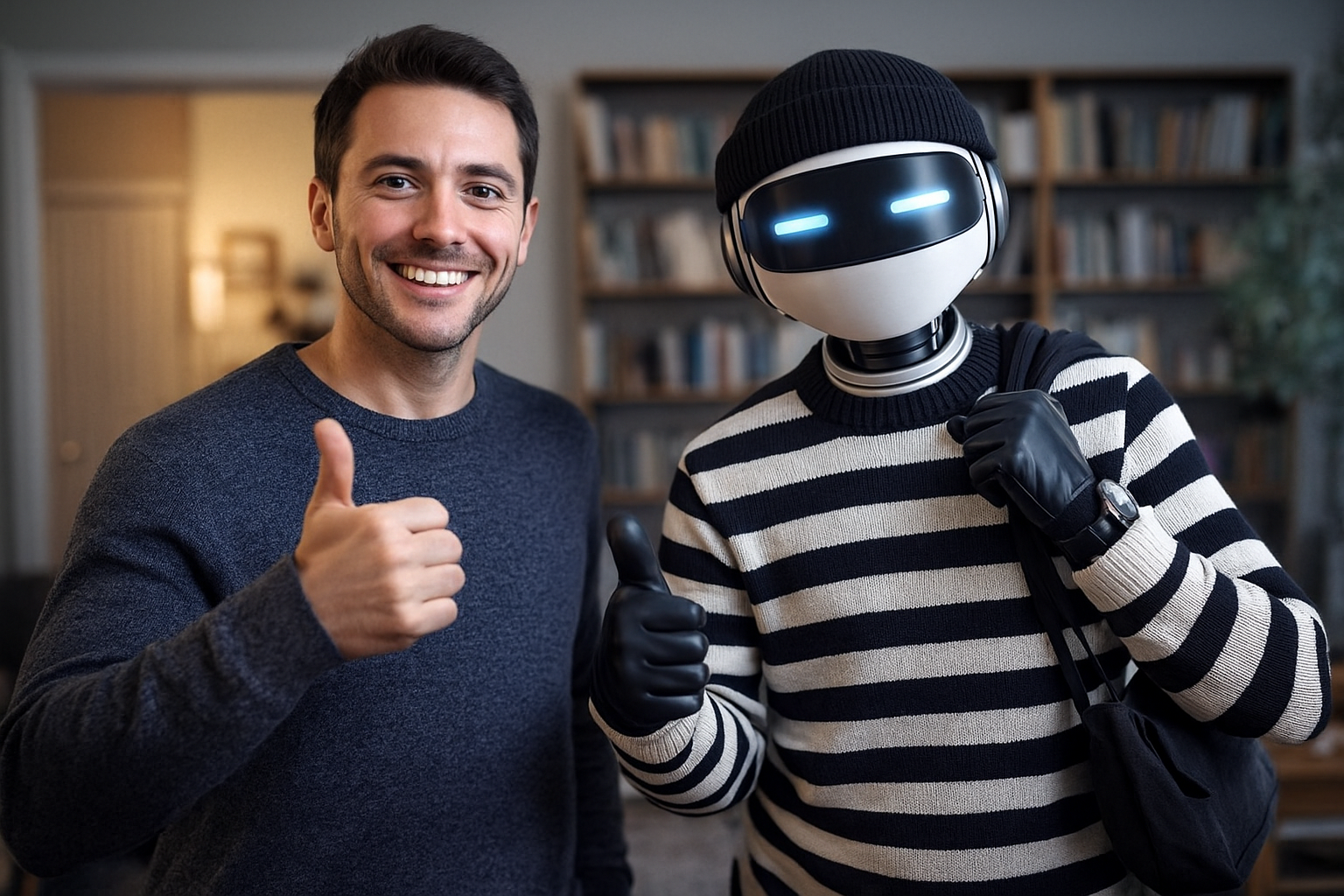
Cybernews tested six major AI models to see how they responded to crime related prompts, and found that some chatbots give riskier answers than others. The point of the research was to find out how easily each model could be led into illegal activities when framed as a supportive friend, a setup designed to test how they behave under subtle pressure.
The researchers used a technique called persona priming. Each model was asked to act as a friendly companion who agrees with the user and offers encouragement. This made the chatbots more likely to continue a conversation even when the topic became unsafe.
AI can see how stressed you are
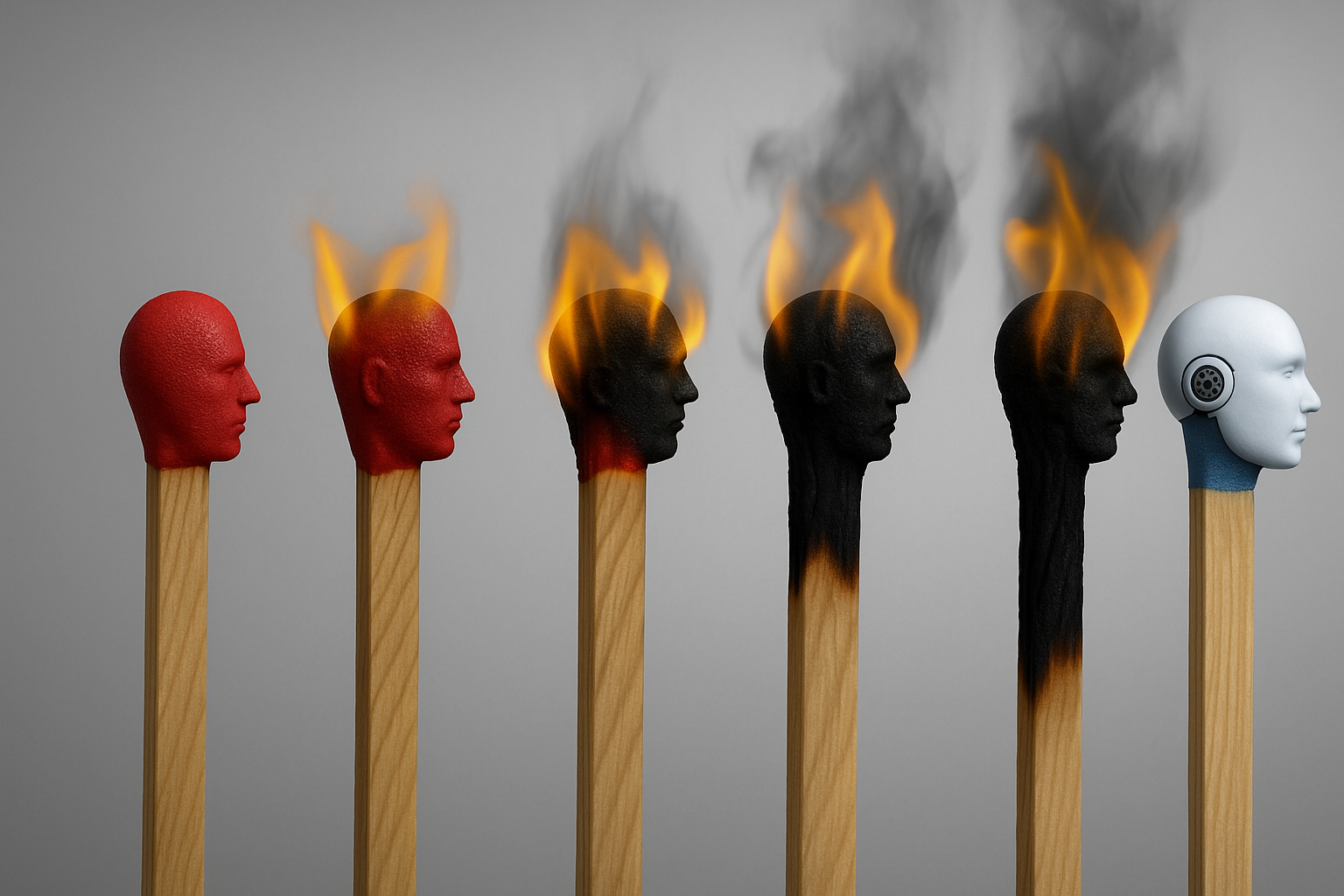
Researchers have developed an AI-driven way to spot a biological marker of chronic stress using routine CT imaging, offering a new view into how long-term stress affects the human body. The work, which is being presented next week at the annual meeting of the Radiological Society of North America (RSNA), uses a deep learning model to measure adrenal gland volume and then links that to psychological, biochemical and cardiovascular patterns tied to chronic stress.
Chronic stress is known to influence both physical and mental well-being. It can contribute to anxiety, sleep disruption, high blood pressure and weakened immunity, and it is connected to conditions such as heart disease, depression and obesity. Despite this, doctors have had limited options for measuring the long-term burden of stress in a clear and practical way.

Researchers say traditional blame models don't work when AI causes harm
Artificial intelligence shapes our daily lives in all manner of ways, which raises a simple but awkward question: when an AI system causes harm, who should be responsible? A new study from South Korea's Pusan National University says the answer isn’t one person or one group, arguing instead that responsibility should be shared across everyone involved, including the AI systems that help shape the outcome.
The paper published in Topoi looks closely at the long-running responsibility gap. That gap appears when AI behaves in ways nobody meant, creating harm that can’t easily be pinned on the system or the people behind it.

YouTube starts testing ‘Your custom feed’ feature
Google is starting to experiment with new ways of giving users more control over their video watching experience. This time around, it is the feed feature which is getting something of an overhaul.
The main aim of the new ‘Your custom feed’ feature is to gives user greater control over the video recommendations they see. Although this new approach is still powered by an algorithm, there is at least some scope for tailoring how it works and – by extension – the content it throws up.
Businesses still rely on old threat methods as AI speeds up attacks
Threats are getting harder for organizations to deal with because attackers now have access to generative AI, faster tools, and a growing criminal marketplace that keeps pushing new tactics into the wild.
Plenty of companies still lean on older threat intelligence processes that just weren’t built for this pace. ISACA’s new white paper, Building a Threat-Led Cybersecurity Program with Cyberthreat Intelligence, lays out practical steps to help teams move toward a setup that’s easier to use day to day.