Google Play update lets you remove apps
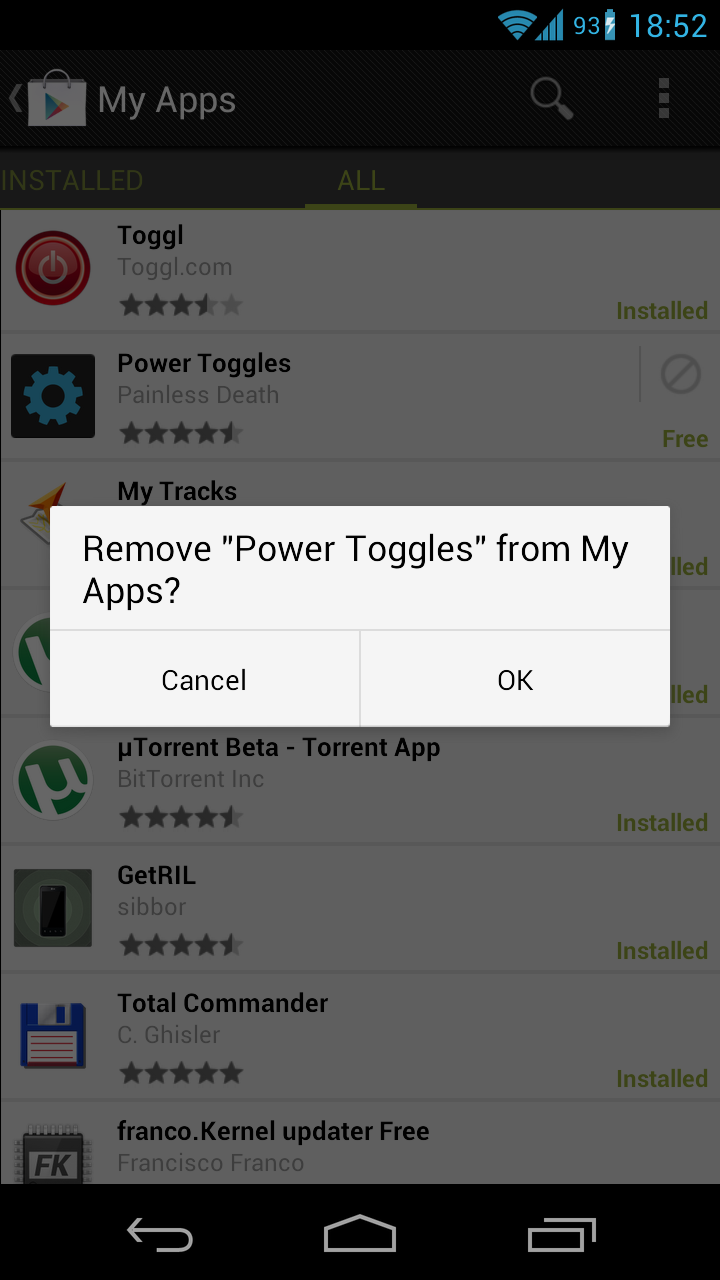
Today Google started to deploy an updated version of its Google Play Store app for Android smartphones and tablets, bringing along an interesting new feature -- the ability to remove apps from "My Apps".
Before Google Play Store build version 3.9.16, Android users did not have the options to remove unused apps from their account, which was especially bothersome when dealing with hundreds of them that keep piling up (and resyncing to devices). Also newly introduced is the ability to add apps to "My Wishlist", a feature aimed at users that want to keep track of new apps, but wish to postpone installing or purchasing them.

Google looks to steal Windows Phone 8 thunder with competing Android launch
Could the end of October be any more jam-packed? October 29, same day Microsoft launches Windows Phone 8 in San Francisco, Google will hold an event in New York for Android -- presumably for the next Nexus device(s), just about the worst kept tech secret(s) of the month. Microsoft just can't catch a break. This week, Apple sent out media invites for an October 23 shindig, possibly for iPad mini, coming three days before Microsoft launches Windows 8 and Surface tablets.
Yeah, it's a tough month to be Microsoft -- what, with the company's future hanging on the three products and post-PC, connected-device era stumpers Apple and Google looking to dampen Windows' big days. But what a month for gadget geeks -- and the October 26 and 29 events coming on my three sisters' birthdays (twins, in case three on two days puzzles you): Android devices, iPad mini, Surface, Windows 8, RT and Phone. And, hey, what about some of those new smartphones, like LG Optimus G?
Tough luck, iPad, Android owners read tablet publications more often
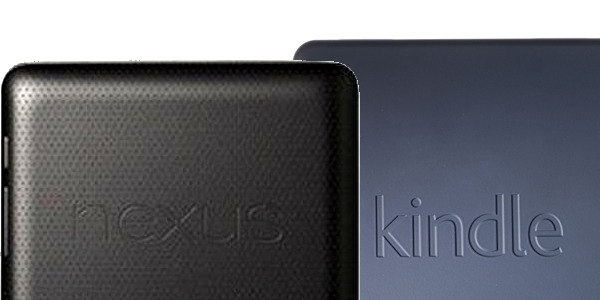
More Americans are discovering what I did, after buying the original iPad more than two years ago: Reading ebooks, magazines and newspapers on a tablet is an immersive experience and often much more satisfying than print. Today, comScore says that in August, two out of every five US tablet owners read a newspaper or magazine and one in 10 did so almost every day.
The numbers' meaning is greater when taken in context of another. Pew says that during the same month, one in four Americans used a tablet (22 percent as owners, 3 percent borrowing one belonging to another household member). Make no mistake, magazines and newspapers are going digital in ways like nothing seen on the Internet, because of publishers' ability to deliver richer content -- at that, more frequently -- and actually make money doing so.
Motorola Atrix HD root exploit available, should work on new Razrs as well
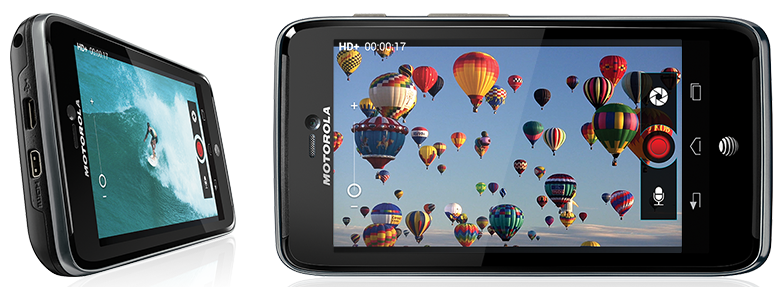
The Motorola Atrix HD is not the most modder-friendly smartphone available as it comes with a locked bootloader. Now though, there is a root exploit available that might turn things around and help it receive custom Android distributions.
The exploit gives Motorola Atrix HD users the ability to run applications using elevated, or root, rights. The installation is pretty straight forward, and first requires downloading and extracting a zip archive. The newest ADB drivers from Motorola are required before connecting the smartphone to the computer and running the .bat file. Just a button combination more, and the Motorola Atrix HD is rooted, according to the developer.
HTC teases the J Butterfly -- 5-inch HD display, quad core, but only in Japan (for now)
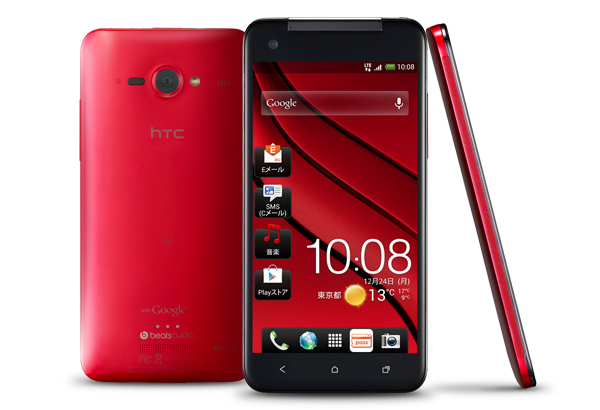
HTC recently introduced the One X+, a quad-core powerhouse that took the flagship role in the company's smartphone lineup. Today, the Taiwanese phone maker announced the J butterfly (codename "htl21"), a 5-inch device with a whopping 1080p display.
The HTC J butterfly comes with impressive specifications, the first of which is a 5-inch SuperLCD 3 display with a 1920 x 1080 resolution and a density of 440ppi. Power comes from a 1.5GHz quad-core APQ8064 Qualcomm Snapdragon S4 processor, that is identical to the one found in the LG Optimus G, and 2GB of RAM. On top of the rather modest 16GB of onboard storage, HTC included a microSDHC card slot which is a change of heart from the previously released One S, One X and EVO 4G LTE smartphones that had no expandable storage.
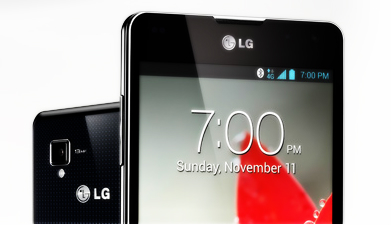
LG Optimus G and Samsung Galaxy Note II coming soon to Sprint
Yesterday my colleague Joe Wilcox wrote "AT&T starts LG Optimus G preorders Oct. 16, sales Nov. 2," but today Sprint announced that the LG-made quad-core power-house is coming its way, just like the controversial Samsung Galaxy Note II "phablet".
Unlike the AT&T variant the LG Optimus G will come with a 13MP camera, instead of the 8MP shooter announced yesterday, and it will be available for pre-order from November 1, with sales to start on November 11. On a two-year contract the Qualcomm-powered smartphone will cost $199. Also announced is the Samsung Galaxy Note II, that will be available for purchase on October 25 for $299.99 with a two-year contract.
TWRP 2.3.1 is released, fixes bugs
Barely yesterday I wrote "TWRP 2.3 is released, touts speed improvements", but now there is a new version available. This time around, Team Win Recovery Project 2.3.1 focuses on fixing a number of bugs encountered in the previous announced version.
TWRP 2.3.1 brings USB Mass Storage core improvements, better handing of mounting storage during boot for a number of unspecified devices as well as unmount system after boot to prevent errors on .zip install. Other differences include fixing a problem related to the size of images after resetting to default, size errors during backup for "some" devices on recovery and a problem with restoring backups when more than one archive is present.
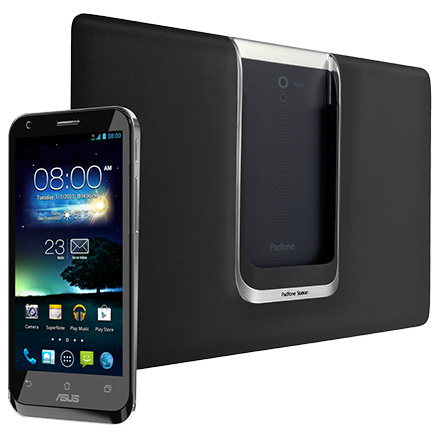
ASUS announces quad-core powered PadFone 2
Earlier this year ASUS introduced Padfone, a smartphone-tablet dock combo designed as a solution to fit a market segment looking for a device capable of delivering the best of both worlds. Today, the Taiwanese manufacturer unveiled its successor, unsurprisingly named PadFone 2. The device comes with more power, 4G LTE cellular connectivity and redesigned tablet to compliment the smartphone part of the 2-in-1 device.
PadFone 2 packs a 4.7-inch Super IPS+ display with 1280 by 720 resolution, 1.5GHz Qualcomm Snapdragon S4 processor, 2GB RAM, 2,140 mAh battery, and PadFone 2 Station that transforms the smartphone into a 10.1-inch tablet. The dock comes with a 5,000 mAh battery quoted to deliver up to 36 hours of 3G talk-time. As for cellular connectivity, the former delivers up to 100Mbps through LTE and 42Mbps for DC-HSPA+ compatible data networks. The usual suspects, Wi-Fi and NFC, are also thrown into the mix.
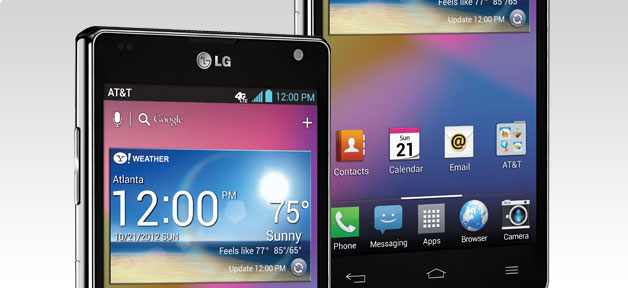
AT&T starts LG Optimus G preorders Oct. 16, sales Nov. 2
AT&T's hottest smartphone of the season (well, so far) arrives in 18 days, and it's not iPhone 5. America's second-largest carrier has queued up the LG Optimus G, which will be available for $199.99 on contract -- that means two-year commitment. Optimus G specs impress, particularly that quad-core Snapdragon S4 processor, but the software somewhat disappoints. The device ships with Android 4.0.7, not successor Jelly Bean unveiled in June. Upgrade may be months away.
Older software mars what otherwise is a beauty: 4.7-inch TrueHD IPS+ display, 1280 x 768 resolution, 15:9 aspect ratio; 1.5GHz Qualcomm Snapdragon S4 Pro processor; 2GB RAM; 32GB storage (internal and card, expandable to 80GB); 8-megapixel rear-facing and 1.3MP front-facing cameras, zero-lag shutter; 4G LTE; Wi-Fi; A-GPS; MHL; DLNA; near-field communication; Bluetooth 4.0; and 2,100 mAh battery. Measures 131.9mm x 68.9mm x 8.45mm and weighs 145 grams.
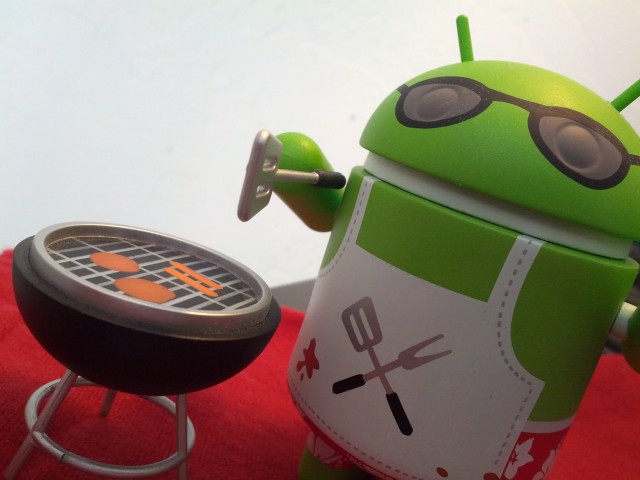
CyanogenMod users, get BBQTools NOW!
CyanogenMod team introduced an in-house updater for its CM10 custom Android distribution, and while it may cover important functionality some users might desire a more comprehensive app. Addressed to more demanding modders, Team BBQ offers BBQTools, touted as an all-in-one tool for delivering updates, changelogs and more.
Just like BBQLog, BBQTools comes with the ability to display the changelog between CyanogenMod 10 nightly or stable builds, but can also download the essential Google Apps package needed by the installed CM version to offer access to Google Play store and other essential Android functionality, as well as stable or nightly builds for compatible devices and capability to install or update the CyanogenMod.

TWRP 2.3 is released, touts speed improvements
Running an Android distribution means having a custom recovery installed, with Team Win Recovery Project being one of the most popular solutions. TWRP 2.3 is released, touting a number of speed improvements as well as other fixes.
It's now based on AOSP Jelly Bean source code, and to aid implementing new features and future AOSP recovery updates, TWRP 2.3 has undergone significant under-the-hood changes due to a core rewrite into C++. ADB Sideload, which is a Jelly Bean recovery feature, has been implemented allowing to push and install an Android distribution using a single command from the computer. Also added is the charging indicator that updates every minute. What else?
When, if ever, will your LG smartphone get Android 4.1?
Jelly Bean is an elusive update for most high-end Android smartphones today, even though introduced at Google I/O four months ago. Today, LG revealed which devices will receive Android 4.1 in the upcoming months, undoubtedly in a move to catch up to the likes of HTC and Samsung that already have announced smartphones running the software.
The list of smartphones is not extensive, and includes more recent devices, such as the LG Optimus Vu and Optimus G; the latter model comes with Android 4.0 Ice Cream Sandwich and made waves in the smartphone market for its incredibly powerful hardware. The South Korean manufacturer's flagship, Qualcomm-powered, device will be updated to Jelly Bean in December.
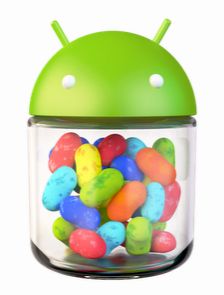
Leaked Motorola Droid Razr M Android 4.1 Jelly Bean ROM is now available
Little more than a month ago Motorola announced its new Droid Razr smartphone lineup, among which is the 4.3-inch Droid Razr M. The phone ships with Android 4.0 Ice Cream Sandwich but, just like with the HTC One X, someone decided that it could use some jelly beans...
On Twitter P3Droid provides a download link for the Razr M Android 4.1 Jelly Bean ROM, with the standard warning regarding the voided warranty if flashed. Named "Blur_Version.77.111.10.XT907.Verizon.en.US.zip", the leaked file comes in at 255MB, and judging by the included files it updates the Verizon Wireless variant to Android 4.1.1 Jelly Bean and not the latest available.
SnapPea manages your Android device from Windows
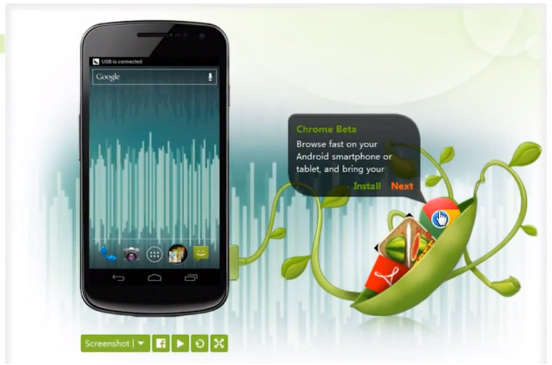
Looking for a way to better manage the contents of your Android phone or tablet? SnapPea is a free tool, currently in beta, that could meet your needs. Regardless of whether your device was provided with its own management software, which is found wanting in the vast majority of cases, you can use the program to connect to your device to perform backups, transfer data and browse through images and other files.
You’ve probably found that keeping on top of your contacts on your phone can be a pain – with SnapPea you can take advantage of your computer’s mouse and keyboard to make changes, additions and backup more quickly and easily than ever before. Similarly, the program can also be used to browse through your text messages in a simple yet sleek interface, but more importantly it gives you the ability to send text messages from within Windows.
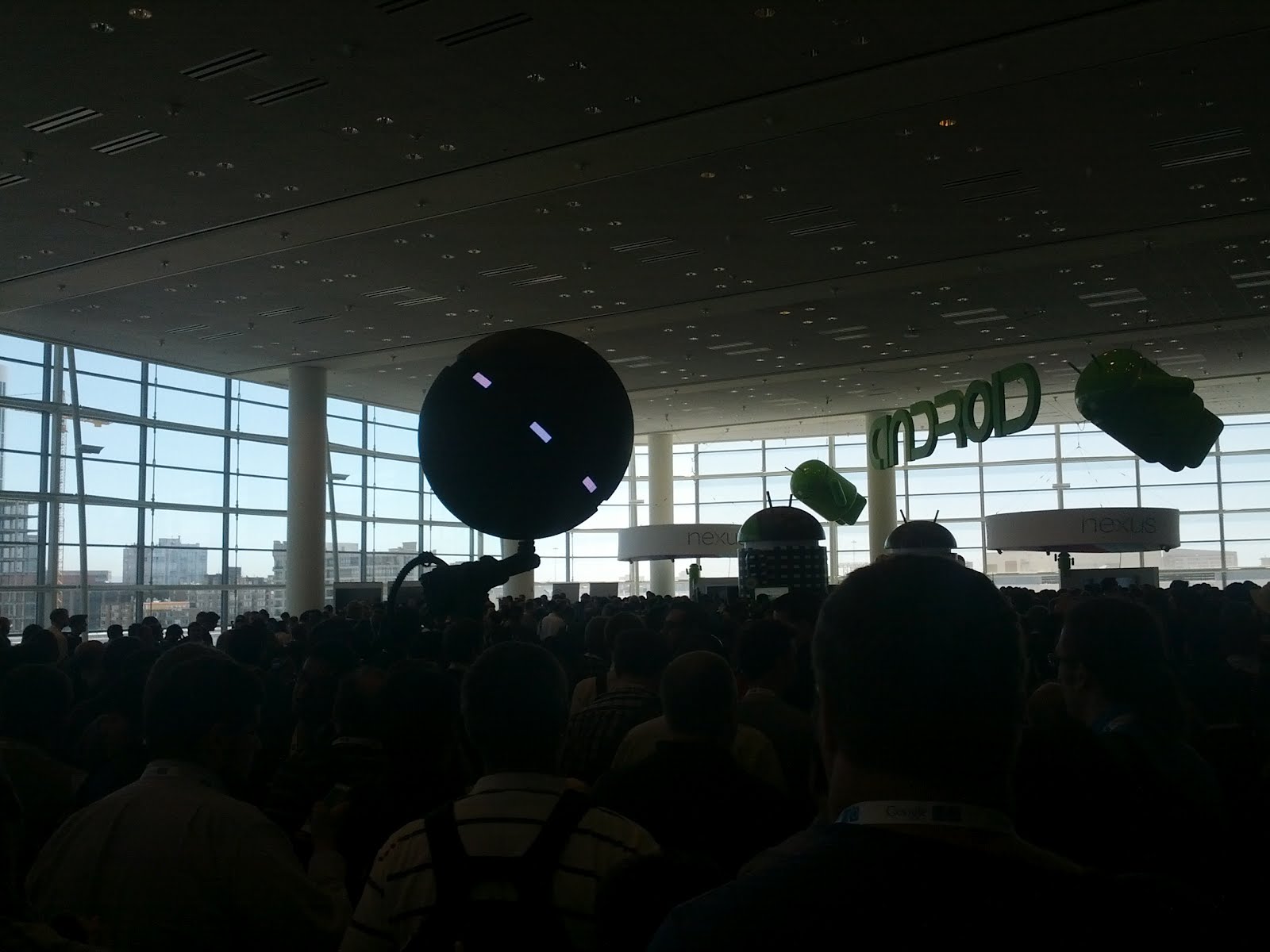
Google posts Android 4.1.2 factory images for Nexus S, Ice Cream Sandwich for Nexus Q
Yesterday Google updated factory images for the Nexus 7 and Galaxy Nexus; today Android 4.1.2 is available for the almost two-year old Nexus S smartphone and Ice Cream Sandwich for the US-made Nexus Q.
Nexus Q launched alongside the latest mobile operating system during Google I/O in June, but today marks the first time it makes an appearance on Nexus Factory Images, still available with the Android 4.0 it originally shipped with. In late July, Google suddenly suspended sales and delayed the entertainment device's launch. Release of factory images could foreshadow closer release. If nothing else, developers with the device have more options to experiment.