
Generative AI: closing the developer gap and redefining the software moat [Q&A]
Generative AI (GenAI) is reshaping software development, closing the long‑standing gap between surging demand for new applications and the limited supply of skilled developers. But this AI‑driven leap in productivity comes with an unexpected twist: it’s also dissolving the traditional technological edge that once set companies apart.
So where does sustainable advantage come from in this new world? We sat down with Matthias Steiner, senior director of global business innovation at Syntax, to explore how enterprises can redefine their competitive edge in the GenAI era.
Jumping on the bandwagon, ‘Your Year with ChatGPT’ is now available
There can be few people who have not interacted with ChatGPT over the last year, and you may be wondering how you have used the artificial intelligence tool.
In line with so many other online tools and services, as we approach the end of the year, ChatGPT is giving users the chance to look back over the previous 12 months in a review of the year. The predictably named “Your Year with ChatGPT” is available now.
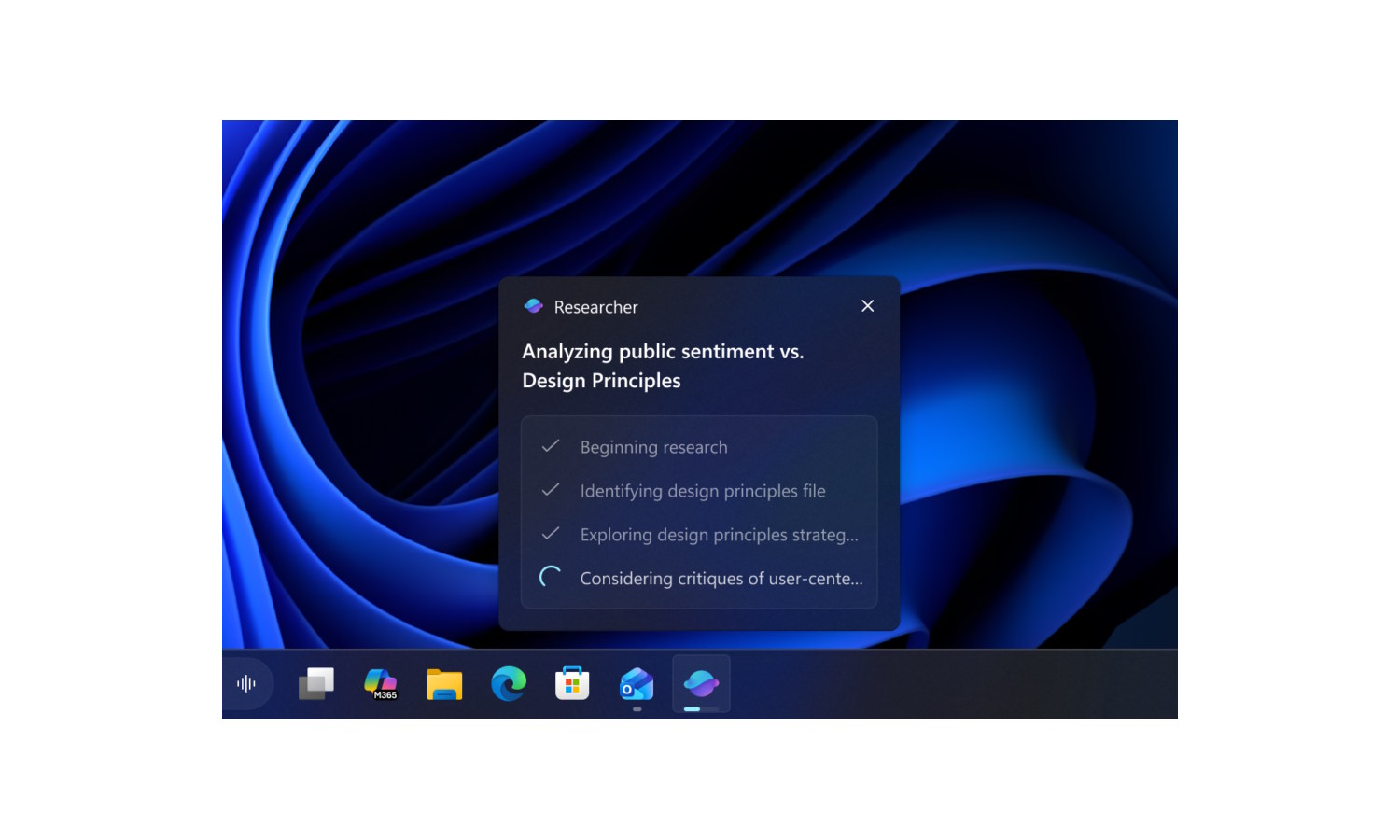
Microsoft brings Ask Copilot and Agents to the Windows 11 taskbar for business users
Microsoft has released Windows 11 Insider Preview Build 26220.7523 (KB5072043) to the Dev and Beta Channels, bringing with it a number of important changes and additions. As is the case with so many updates to Windows 11 at the moment, this is heavy on the AI.
The difference this time is that Microsoft is starting to focus more on business users – starting by introducing Ask Copilot on the taskbar with Microsoft 365 Copilot. The taskbar is also now adorned with Agents, but not everything is related to artificial intelligence.

Mozilla has a new CEO and plans to make Firefox an AI browser
Mozilla now has a new CEO in Anthony Enzor-DeMeo, and this should be news enough. But the appointment has been accompanied by the announcement that the organization plans to transform Firefox into an AI Browser over the course of the next three years.
More than this, Firefox is set to evolve into something more than just a web browser. Details are scant at the moment, but the new CEO says that “Firefox will grow from a browser into a broader ecosystem of trusted software”.
Strip the AI from Windows 11 with this handy script
If you hate the endless AI that Microsoft is cramming into Windows 11, you are far from alone. While the company may believe that everything can be enhanced with artificial intelligence, there are plenty of users who are yet to be convinced.
Now, there are certainly steps you can take to avoid the AI-ificiation of Windows 11 – including sticking with Windows 10 – but it can take time to implement all of the necessary settings. If only someone has created a script to automate the disabling of AI in Windows 11. Oh… they have. Here it is.
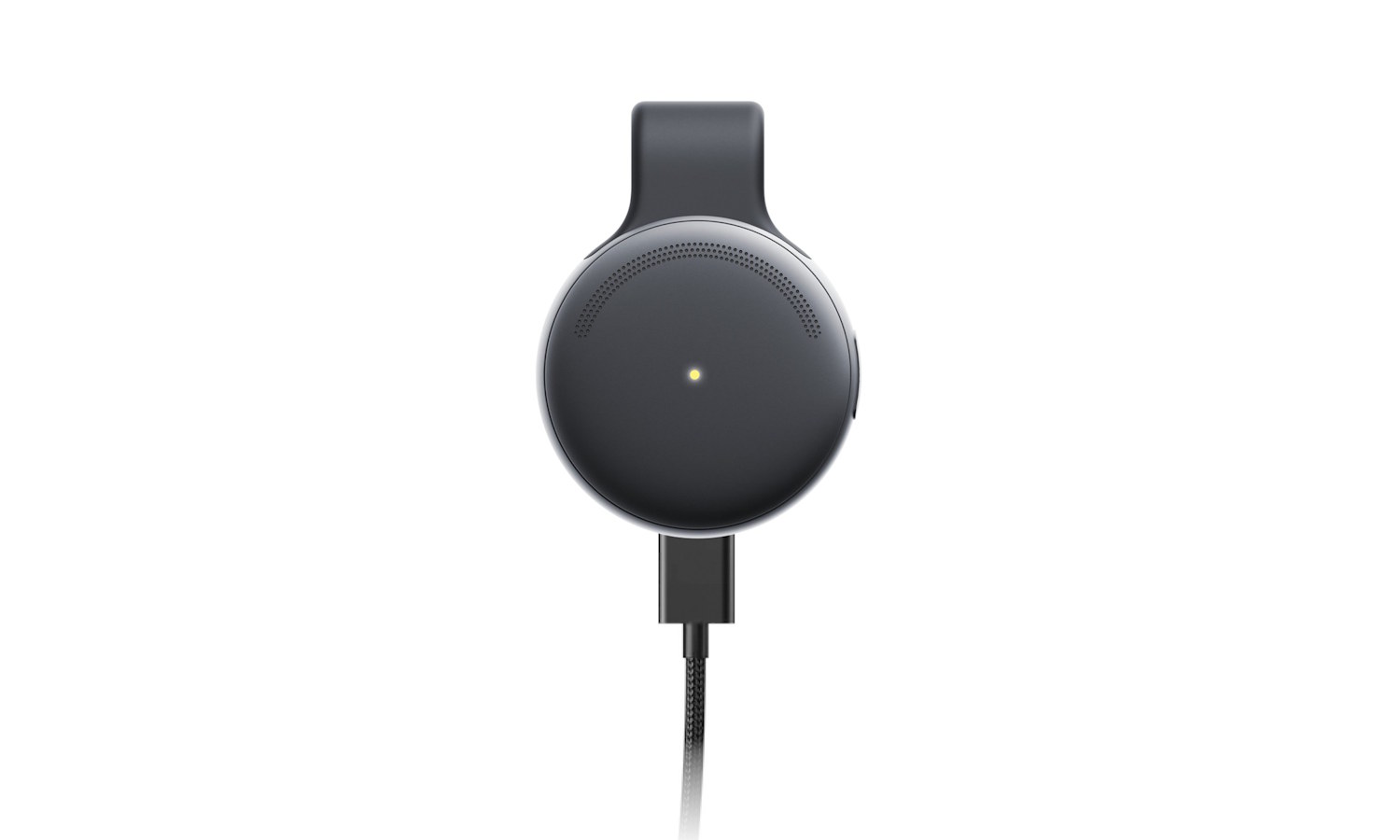
Meta has acquired Limitless, a startup that produces AI-powered wearables
Limitless has announced that it has been acquired by Meta. Formerly known as Rewind, Limitless is a company that says, “our vision is to free the human mind from its biological limitations”.
To this end, the company produces AI-powered wearable, including a pendant that can record and transcribe conversations. Numerous usage scenarios have been put forward, including helping people with dementia, ADHD or Alzheimer’s.

Microsoft will let you remove AI Action from the Windows 11 context menu
Microsoft may wish that things were different, but not everyone is as enamoured with artificial intelligence as the company is. Windows 11 is gradually becoming infested with endless AI components, and it is not something that all users are happy about.
One particular bone of contention is the AI Actions entry in the context menu. Even people who are fans of AI sometimes struggle to see the value in its presence, and it is actively loathed by many. Microsoft is, it seems, finally listening to feedback and giving users the option to hide it.
No, Meta is not going to use your DMs to train AI
Every so often there are posts that do the rounds on social media that suggest terrible policy changes are coming. This is happening again, with a message claiming that Meta is going to start using the content of private DMs to train AI.
The unfounded claims are being tied to a Privacy Policy update which is due to come into force on December 16. While it is certainly true that Meta’s new policy kicks in in a couple of weeks, there are falsities being attached to it in scaremongering posts that have gone semi-viral.

Apple appoints new vice president of AI as John Giannandrea steps down
Apple has announced that its senior vice president for Machine Learning and AI Strategy, John Giannandrea, plans to retire. Having been with the company since 2018, he will serve as an advisor for a short time before moving on in spring next year.
While no reason has been publicly given for the departure, it is widely thought that there was a degree of discontent at Giannandrea’s management of Siri. The product was blighted by a series of delays and problems that did not reflect well on Apple.
Get ready for ads in ChatGPT
Like death and taxes, ads are an inevitability. This is something that applies to the world of technology, but particularly anything even remotely connected to the internet.
Proving the above, as well as the old adage that there is no such things as a free lunch, OpenAI is planning to bring advertising into ChatGPT. This is not something that the organization has officially announced, evidence that ads are coming has been uncovered.
Dell has some terrible news for Microsoft about Windows 10
With the end of mainstream support for Windows 10 having reached us over a month ago, Microsoft will have been hoping that users will feel forced into upgrading to Windows 11. Has this happened? Not really.
Dell has revealed that there are millions upon millions of PCs out there that are still running Windows 10 and simply cannot run Windows 11. The company also used its Q3 earnings call to share the news that PC sales are slowing – something it predicts will continue into 2026.
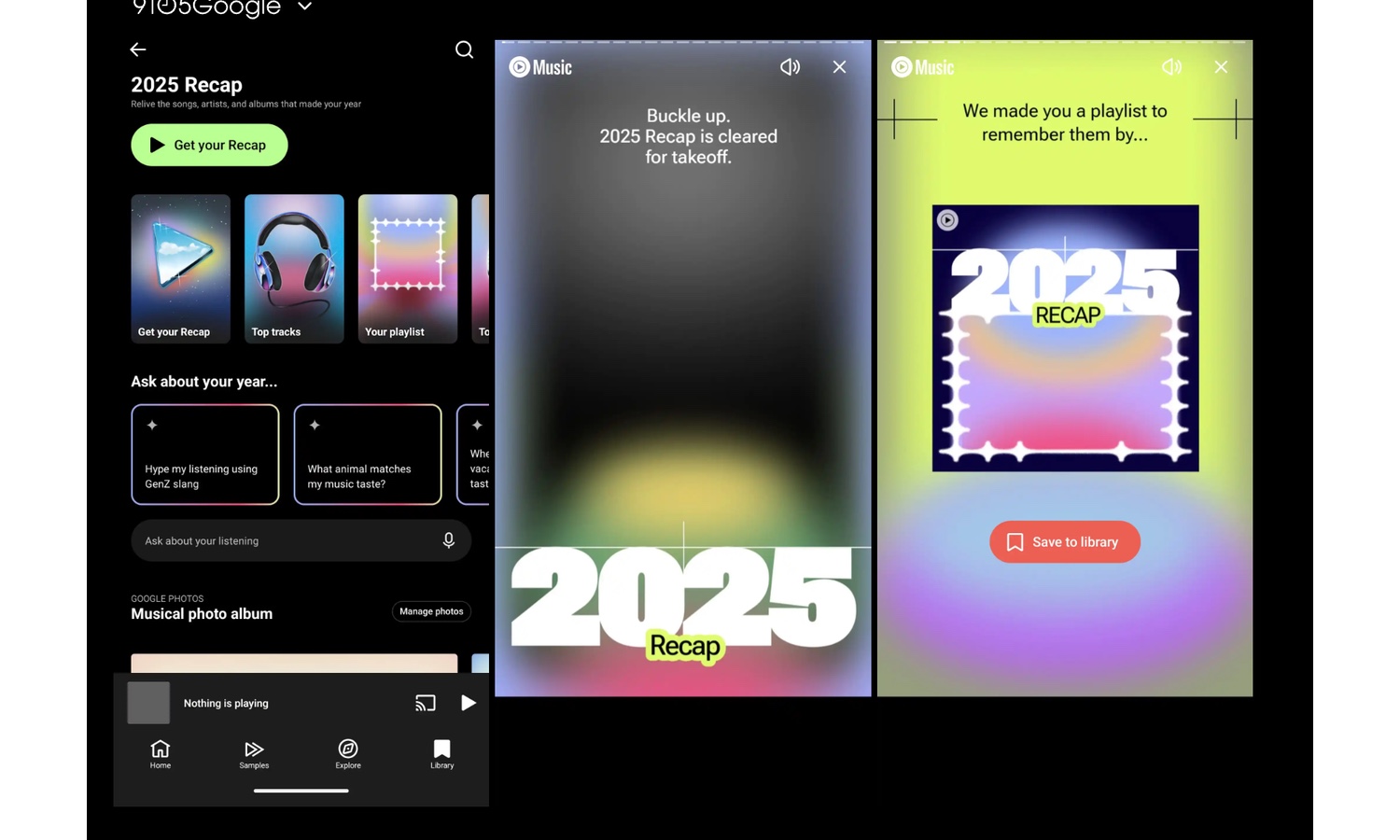
YouTube Music now offers an AI enhanced 2025 listening recap
Like Spotify, YouTube offers an annual summary of listening habits for individual users, but for 2025 there is a slight change. This time around, perhaps inevitably, artificial intelligence has been used.
The insertion of AI into just about every product and service has become predictable, but there is always the interesting question of whether its use is necessary, and if it brings any benefits. So, what is the verdict with YouTube Music?
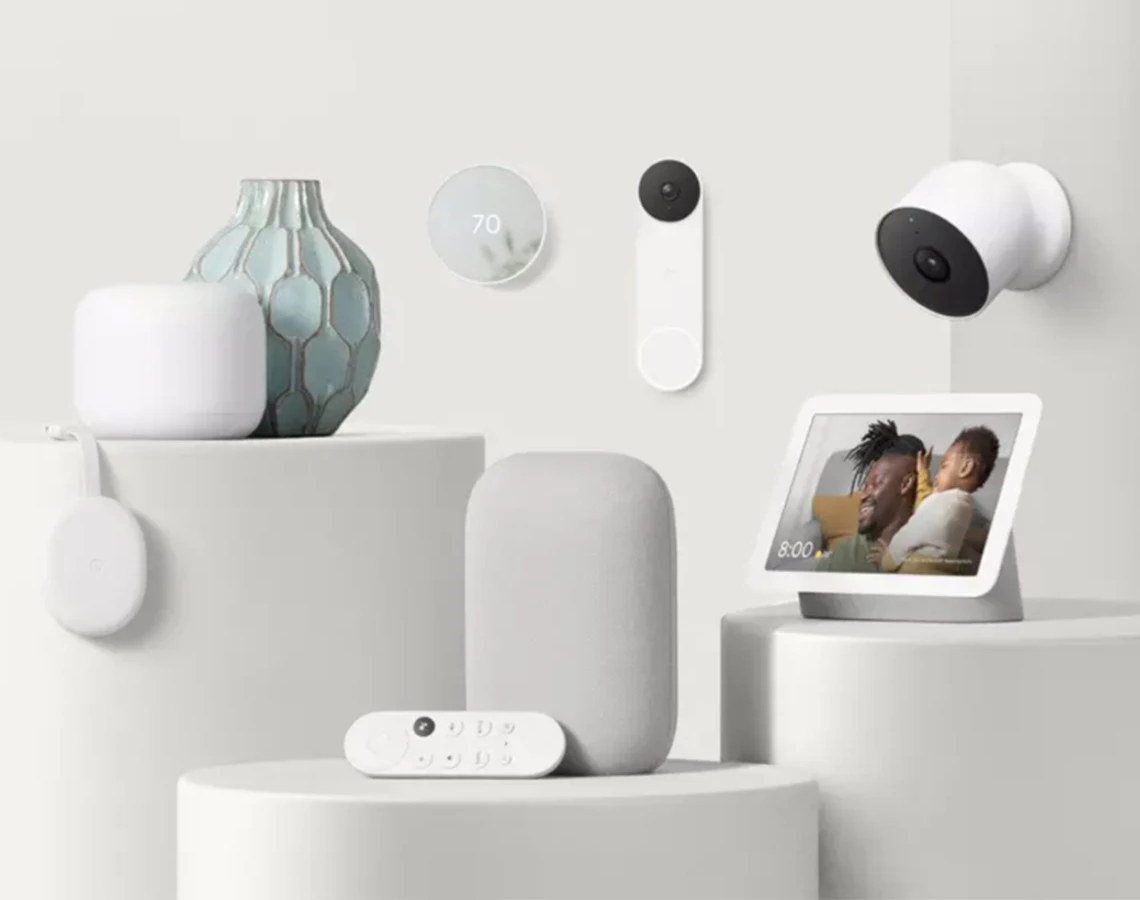
Google Assistant is being killed off in a few short months
The writing has been on the wall for some time, but Google Assistant’s days are not only officially numbered, but we have a far better idea of when the once-revolutionary digital assistant will be vanishing.
The seemingly unstoppable wave of artificial intelligence means that Google Gemini has been long seen as being far more significant and useful than Google Assistant. Having made some vague suggestions about Assistant being upgraded with Gemini at some point in the future, Google has now revealed a bit more detail about the timeline.
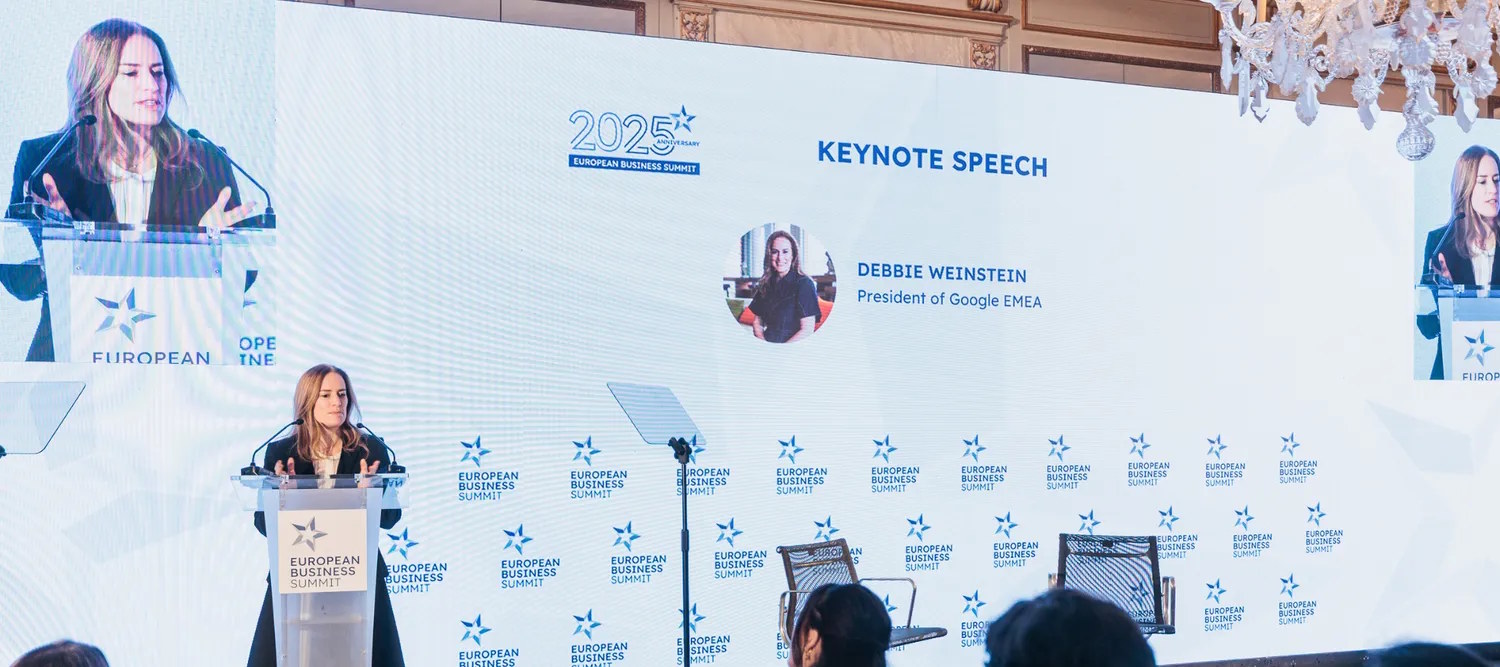
Google calls on European governments to update tech regulations to embrace AI
The president of Google EMEA, Debbie Weinstein, has called on governments in Europe to do more to help promote the adoption of AI across industry. Speaking at the Europe Business Summit in Brussels, she said that she sees massive potential for artificial intelligence in Europe.
There are, however, problems. Weinstein points to issues such as companies in the regions still working with older technologies but, more pressingly, the restrictive nature of EU regulations.

Microsoft releases PowerToys v0.96.0 with support for more AI model providers
It is that time once again – there is a new version of PowerToys to install. Microsoft has just unleashed PowerToys v0.96.0 as part of a release cycle that focuses on “new features, stability, optimization improvements, and automation”.
First things first: are there any new modules here? Sadly not. But while there may not be any brand new utilities to play with, PowerToys v0.96.0 does see a number of significant changes and additions to the tools you already know and love – including Command Palette and Advanced Paste.