
Flash is not the answer to your storage woes
In just ten years the percentage of virtualized workloads has grown from 2 percent to 75 percent. The rapid adoption of virtualization has created a disconnect in your data centre.
While your workloads are shifting to become virtual, your storage was built for a physical world. And so your storage is the source of growing costs, bottlenecks and frustration.

Ransomware sees 165 percent increase in 2015
The first quarter of this year saw a 165 percent increase in new ransomware driven largely by the new, hard-to-detect CTB-Locker ransomware family, a new ransomware family called Teslacrypt, and the emergence of new versions of CryptoWall, TorrentLocker and BandarChor.
This is the main finding of the latest McAfee Labs Threats Report released today by Intel Security. Among other highlights are a 317 percent increase in Adobe Flash malware samples and the emergence of new efforts to exploit hard drive and SSD firmware.
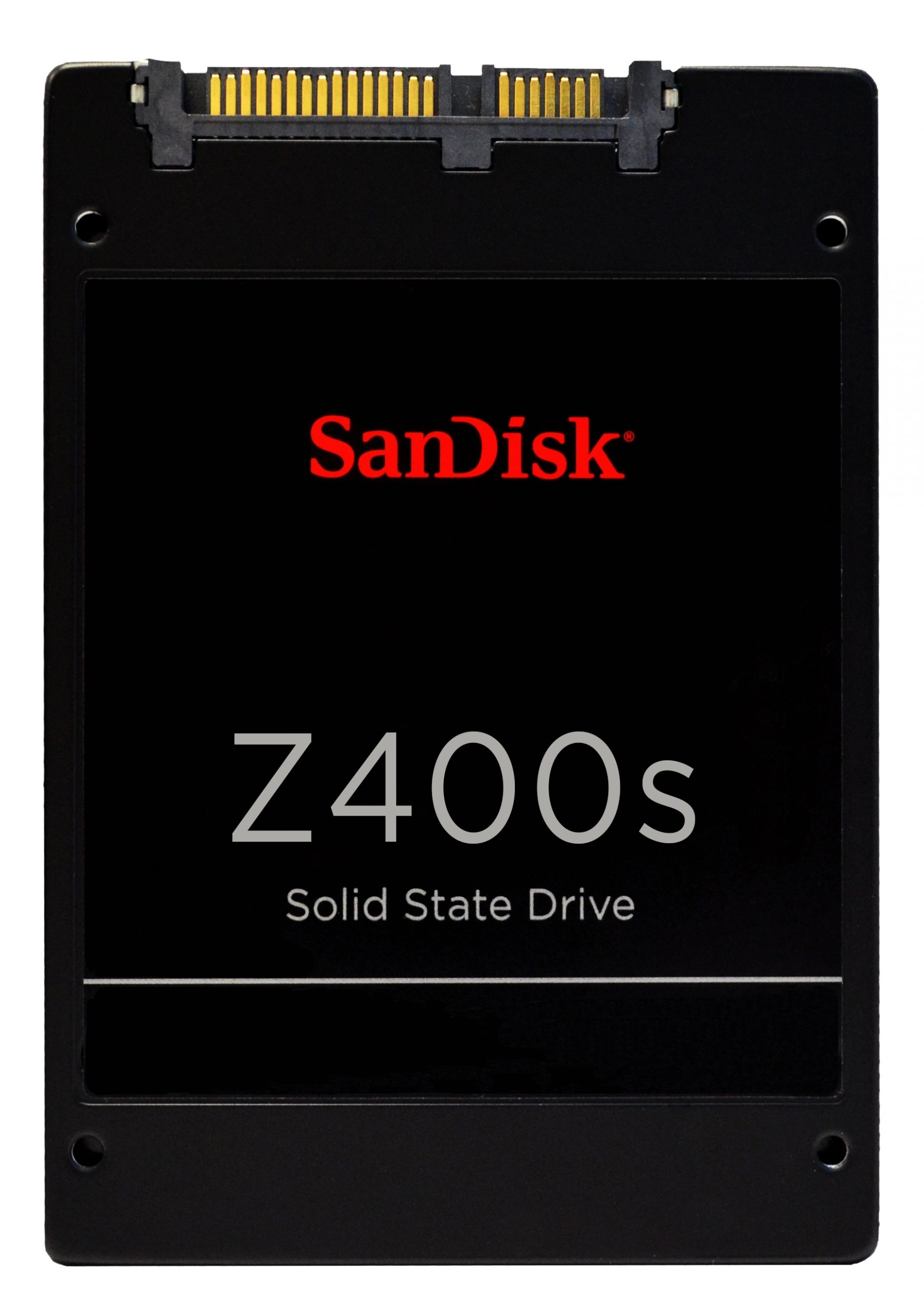
SanDisk announces Z400s SSD -- can this low-cost OEM drive finally kill the HDD?
If you are still running your operating system from a mechanical hard disk drive, you do not know what you are missing. Solid state drives have dropped dramatically in cost, while improving greatly in reliability; it is a shame that all computer users aren't using them. Unfortunately, even if the average user wanted to upgrade to a SSD, the process is probably too difficult -- both the physical aspect and copying data.
The best way to get users onto solid state drives is to have manufacturers stop making computers with HDD. This is easier said than done, however, as profit margins on these machines are often razor-thin. It can be impossible for OEMs to offer SSDs on low cost systems. Today, however, SanDisk announces the Z400s SSD. The company promises low costs for OEMs, which should translate to SSDs in lower-cost laptops. Can this finally displace the HDD?
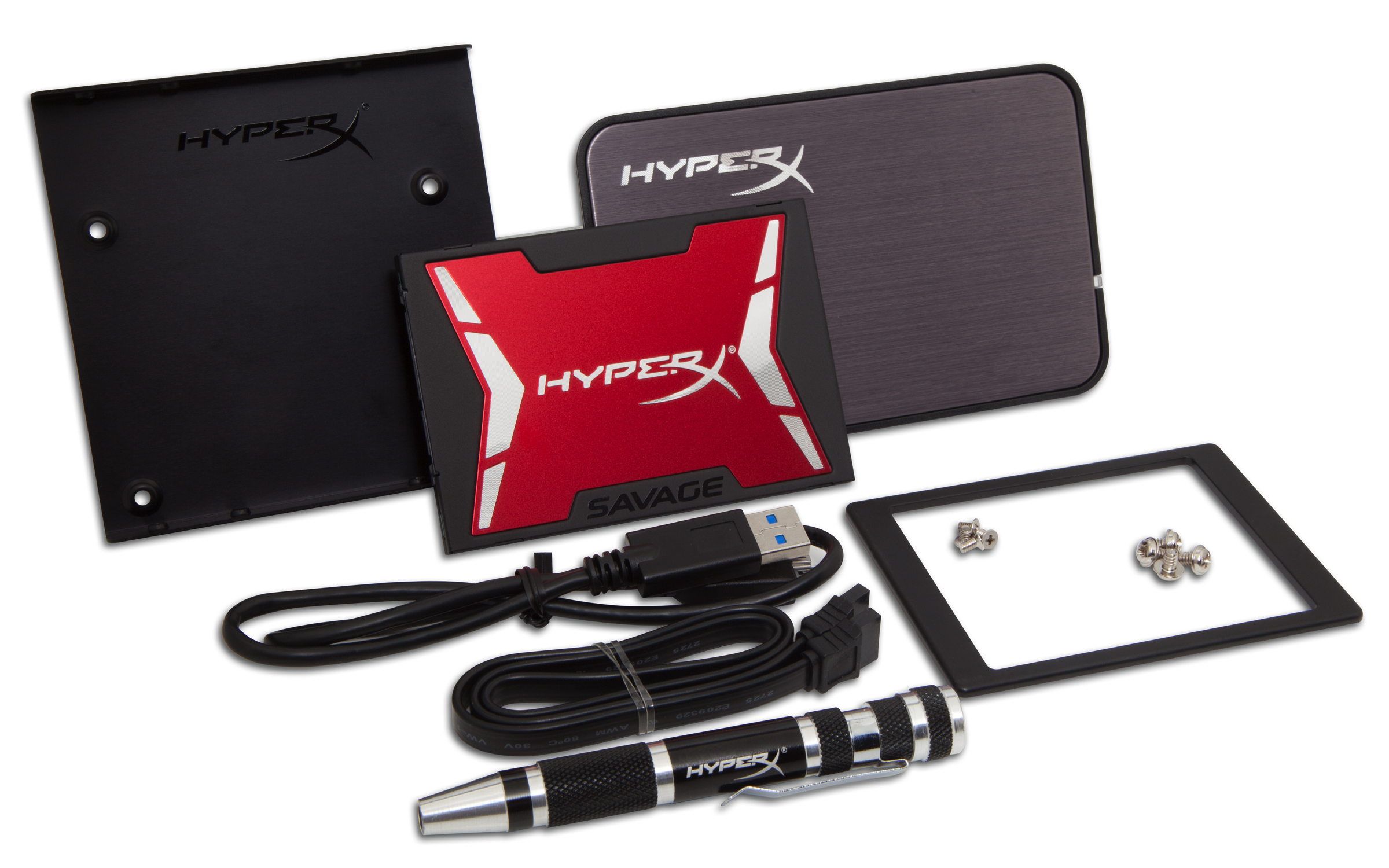
Kingston HyperX releases Savage -- a fast and stylish SATA SSD
While enthusiasts move away from SATA-based solid state drives for faster (and more expensive) options, most consumers are perfectly fine with the standard option for now. In fact, it is a great time to be in the market for SATA SSDs, as larger capacity drives are becoming more affordable.
I just reviewed the SATA Samsung 850 EVO; a drive I like very much. While I appreciate Samsung's optional (and apparently, controversial) rapid mode and conservative design, there are people who are not fans of either. Kingston is a company known for quality, and its HyperX division is no exception. Today, that company releases the sexily-named Savage -- a traditional SATA SSD with an awe-inspiring and ostentatious design. If you like bling, the red aluminum will certainly get your motor running.
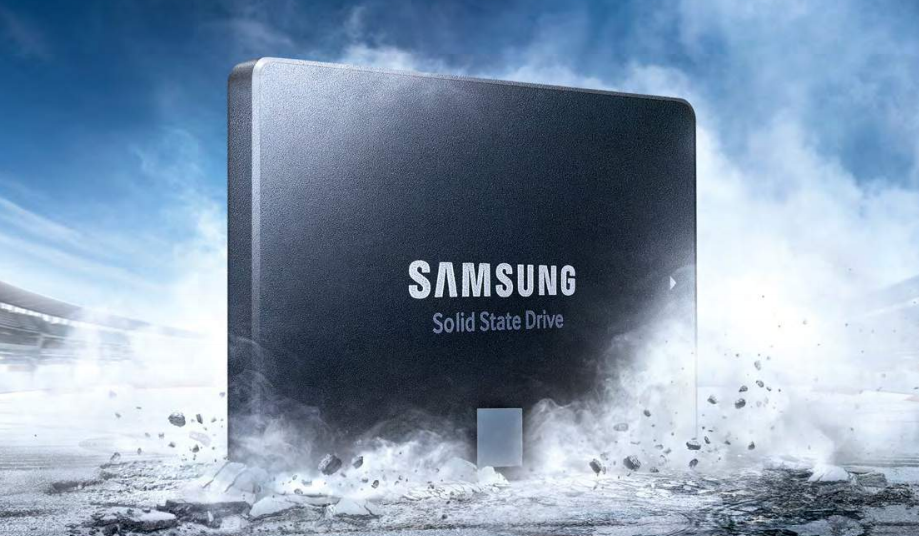
Samsung 850 EVO SATA SSD -- this is the drive you've been waiting for [Review]
The absolute best upgrade for any computer that's operating system is running from a hard disk drive, is a solid state drive. Why? The performance increase is significant, while SSD prices are decreasing. In other words, you can speed up your PC without hurting your wallet.
The problem, however, is deciding which SSD to buy. While affordability and speed are important qualities, I tend to put a premium on reliability. Of course I want the drive to be fast, but the contents of the drive -- important documents and family photos -- trump anything else. Luckily, Samung's offerings have proven to be both reliable and fast, while also being reasonably priced. Today, I am taking a look at the latest and greatest SATA variant; the 850 EVO.

Samsung starts production on SM951-NVMe -- world's first M.2 NVMe PCIe SSD
SATA based solid state drives are so 2014. We are already in Q2 of 2015, so it is time to step things up. While SATA drives will still meet the needs of many, enthusiasts are always looking for a new way to gain an edge.
PCIe NVMe PCIe SSDs are the future, and the market is starting to see more of these drives. With that said, NVMe PCIe drives have only been in the PCIe full and half-height form factors. Today, Samsung announces it is starting production on the world's first NVMe PCIe SSD to use the M.2 form factor.
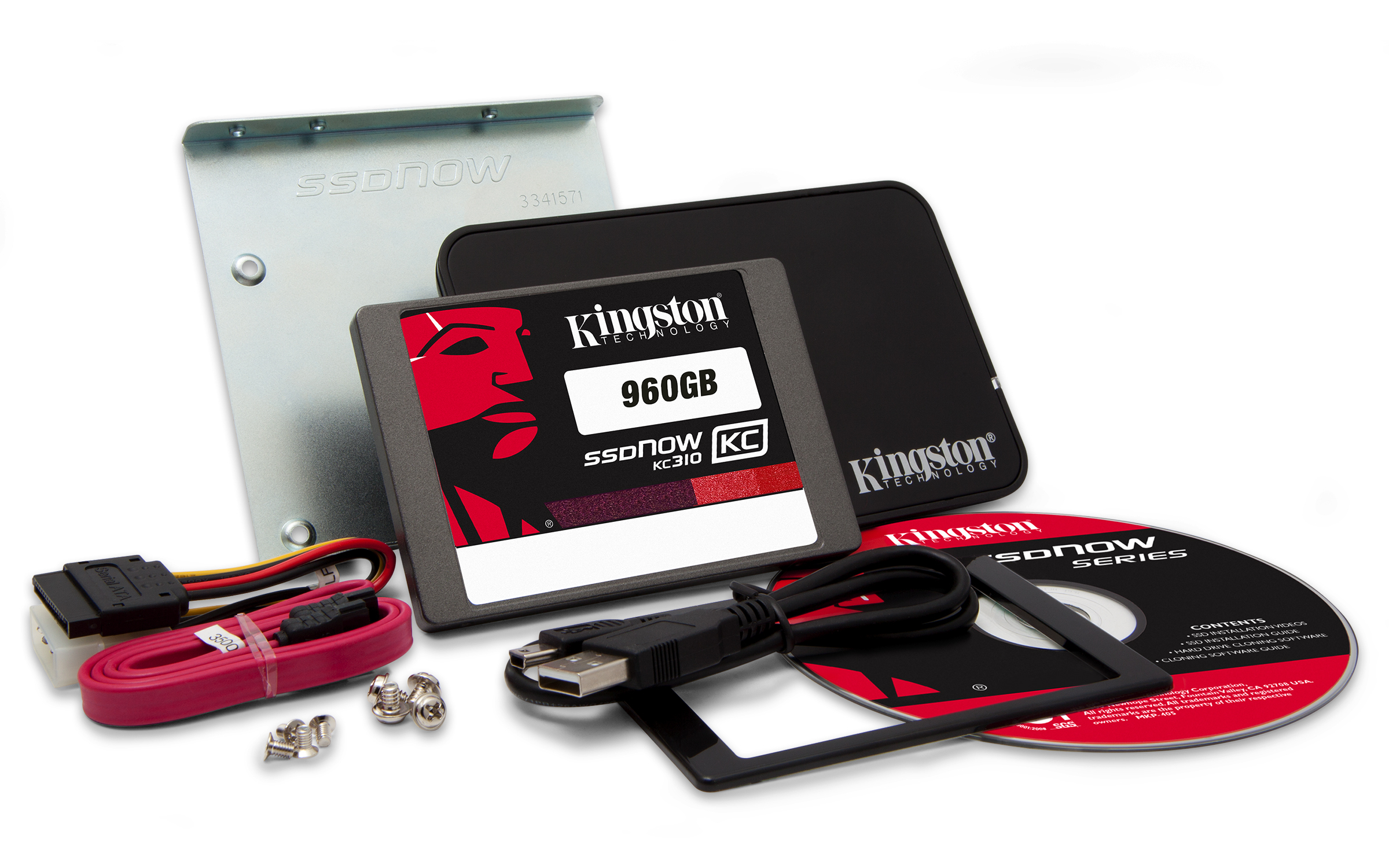
Kingston Digital KC310 960GB 'business-class' SSD now shipping
Not all solid state drives are created equal. Sadly, I have learned this lesson the hard way. In an attempt to save money, I have in the past purchased budget drives. The result? Early failures, causing data loss and headaches.
Nowadays, I only buy quality brands, such as Samsung and Kingston. While the former makes some of the best drives on the market, the latter is no slouch either. Quite frankly, I rather love Kingston for SSDs and flash drives due to their reasonable cost and high reliability. Today, the company announces that it is shipping a 960GB "business-class" SSD.
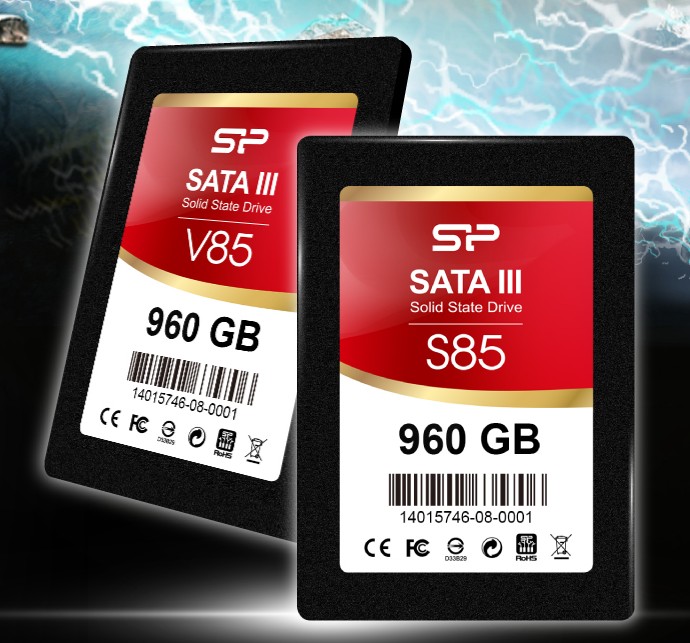
Silicon Power Slim S85 and Velox V85 SSDs are 'gaming-grade', up to 960GB
If you are into PC gaming, then you probably have a really sweet computer. I'm sure it has a powerful graphics card and a ton of RAM, but what about storage? If your operating system is running from a traditional spinning hard drive, your computer is lame. All the cool kids have solid state drives and if you do not, then you are truly missing out.
Don't worry though, there are plenty of SSDs on the market, and prices have been dropping lately. Today, Silicon Power announces two new such drives, with a big emphasis on gaming. If you are looking to achieve faster load times for games, or just an overall performance boost, you should definitely take notice.
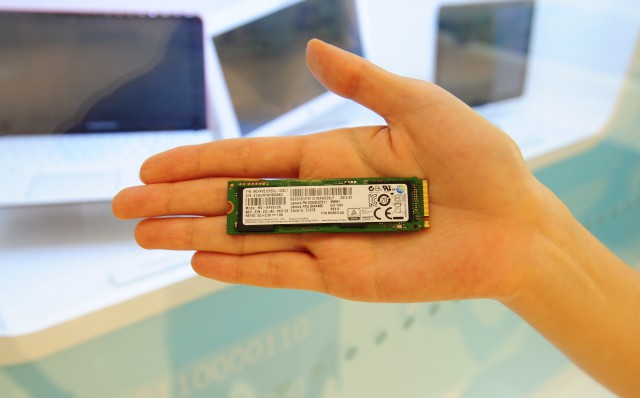
Samsung's new PCIe SSD is both lightning fast and battery-friendly
Solid state drives are commonly used nowadays in premium ultrabooks, laptops and desktop PCs, mainly because they are faster and more energy-efficient, and run cooler than traditional hard drives. They are also favored by those who build their own PCs, and as aftermarket upgrades for older devices. SSDs are commonly connected using SATA, but, for the best results, PCIe is the better option.
So, naturally, Samsung has chosen to use PCIe with its latest SSD for ultra-thin laptops and workstations. Dubbed SM951, it promises lighting-fast performance, with speeds over 1000 MB/s, and excellent energy-efficiency, consuming less than 2mW in standby. It will be offered in 128 GB, 256 GB and 512 GB storage options.
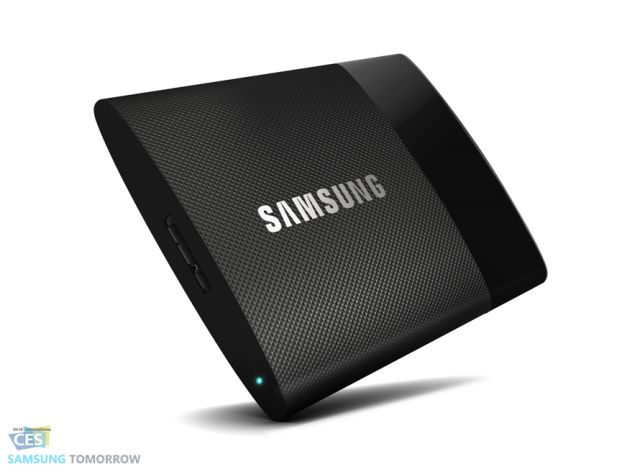
Samsung unveils portable SSD -- blazing fast, smaller than a business card
If you need a portable storage device, then are you are most likely looking to buy an external HDD. They are available in lots of sizes, and they are also pretty affordable. However, they are also slow. Too slow, I would say. So, if you need something that is fast -- that can transfer files quickly and open everything almost instantly -- then a portable HDD is not the answer.
However, a portable SSD would fit the bill just fine. On top of being faster, it will also be more energy-efficient and less sensitive to shocks. Targeting this crowd, Samsung today announced Portable SSD T1, which is about to hit store shelves in three storage trims. And it is so small and light, you can carry it in your pocket.
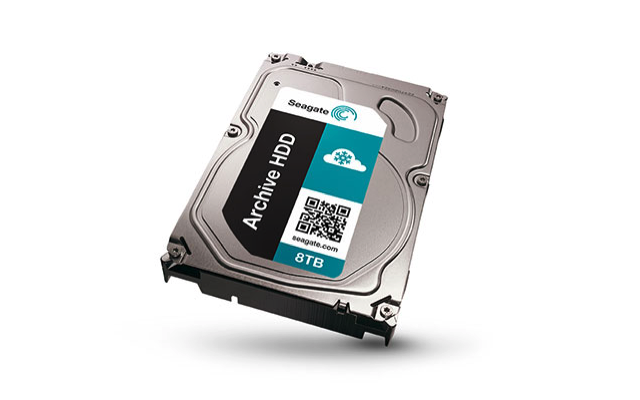
Seagate's 8TB Archive HDD ships in January, and I want one!
I am a huge, huge fan of SSDs. They're blazing-fast, resistant to external shocks and, let's not forget, they are also energy-efficient. What's not to love about that? They're, quite frankly, the only storage solutions I want to use in my laptops, and the only type of storage solutions I can wholeheartedly recommend. (You can probably tell just how excited I am about SSDs, right?)
But, there are two (some might say major) downsides to SSDs, which go hand in hand: cost and capacity. To get a decently-sized SSD, one has to spend considerably more than for a HDD of the same capacity. In fact, the difference is huge. For instance, a 1 TB Seagate Barracuda HDD goes for around $50 on Amazon, while an SSD of the same capacity from Samsung (840 EVO family) costs around $420, on the same site. Also, SSDs don't usually go above the 1 TB mark, which makes them a poor choice for large file storage. That's where a HDD shines. And what better HDD to use for, let's say, long-term storage of movie collections than the soon-to-ship 8 TB Seagate Archive?
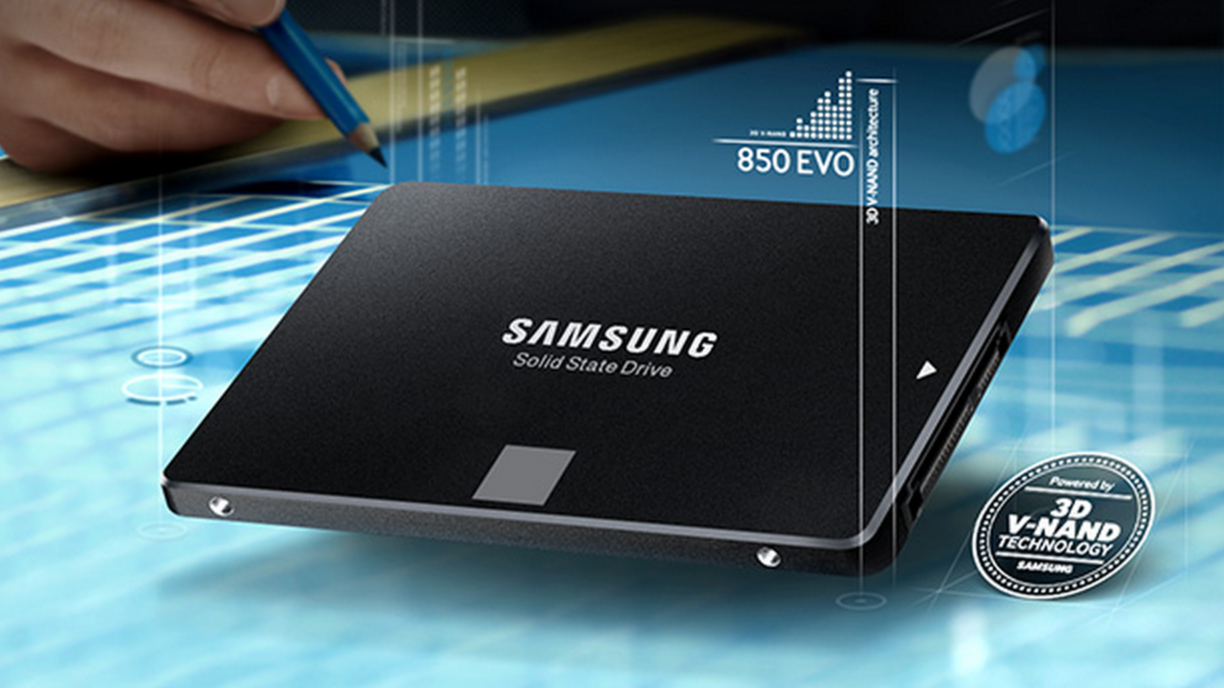
Samsung announces 850 EVO SSD with 3-bit 3D V-NAND
When it comes to computer building and upgrades, one of the most important components is a solid state drive. Sadly, many computer manufacturers still utilize spinning hard disk drives in their machines -- a shame, really. Yes, a HDD may be a more cost-effective way to achieve greater storage, but from a performance standpoint, an SSD is far better.
There are many great manufacturers of solid state drives, but Samsung is one of the best. Not only are its offerings reliable, but fast too. Today, the company announces the 850 EVO SSD, featuring a 3-bit 3D V-NAND.
Modern SSDs can last a lifetime
Anyone buying a new PC or laptop today should get it with an SSD, or replace the HDD with one immediately after. The performance difference is huge, most noticeable in terms of responsiveness, software launch times, booting, loading information, but also when it comes to transferring files internally. An SSD will make any new device feel extremely fast, even if it is among the least-expensive PCs or laptops on the market.
Swapping the HDD with an SSD is the best thing one can do to increase performance, dramatically, also for an older PC or laptop, where the performance difference will be even more dramatic. A six-year old HP laptop that I have feels every bit as fast as any modern equivalent, in day to day use, thanks to an SSD upgrade I performed two years ago. However, there is a catch with using SSDs and that is their seemingly short lifespan. Very old SSDs are expected to not last as long as HDDs, the latter of which benefit from a more mature technology. So how do newer SSDs -- the ones that you are most likely to find and buy today -- fare?
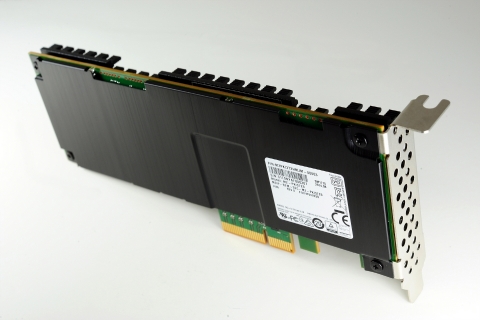
Samsung manufacturing 3.2TB (terabyte) PCIe SSD -- is the traditional hard drive obsolete?
Building desktops is a hobby I still enjoy, even if the younger crowd tends to gravitate towards tablets. Don't get me wrong, I love both the Surface Pro 3 and iPad Air, but there is something satisfying about building something on your own. I particularly like selecting each and every component, like a solid state drive, so that it is uniquely my own.
Lately, the prices of solid state drives have been dropping, but don't be fooled; SATA III is saturated, meaning most drives on the market will soon be obsolete. The future you see, is drives that connect directly to PCIe in a card format. Yes, your future SSD may look like a USB card or sound card. Today, Samsung announces a piece of tech that is sure to excite many nerds -- a 3.2TB PCIe SSD. Whoa.
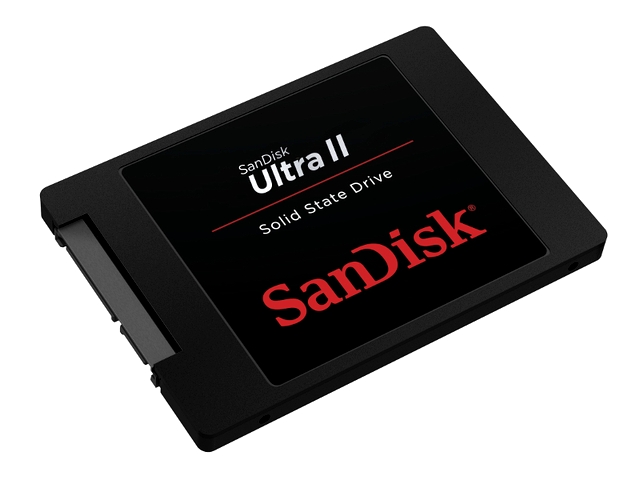
SanDisk releases Ultra II SSD with enhanced SSD Dashboard
SanDisk has announced a new SSD solution with a range of capacities from 120GB upwards, and an enhanced SSD Dashboard.
The SanDisk Ultra II SSD, which is based on X3 NAND Flash technology, offers claimed sequential read speeds of up to 550MB/s and write speeds of up to 500MB/s. SanDisk has also incorporated nCache 2.0 tech which is a two-tiered caching architecture that helps on performance and endurance fronts. The Ultra II SSD is also shock resistant.



